
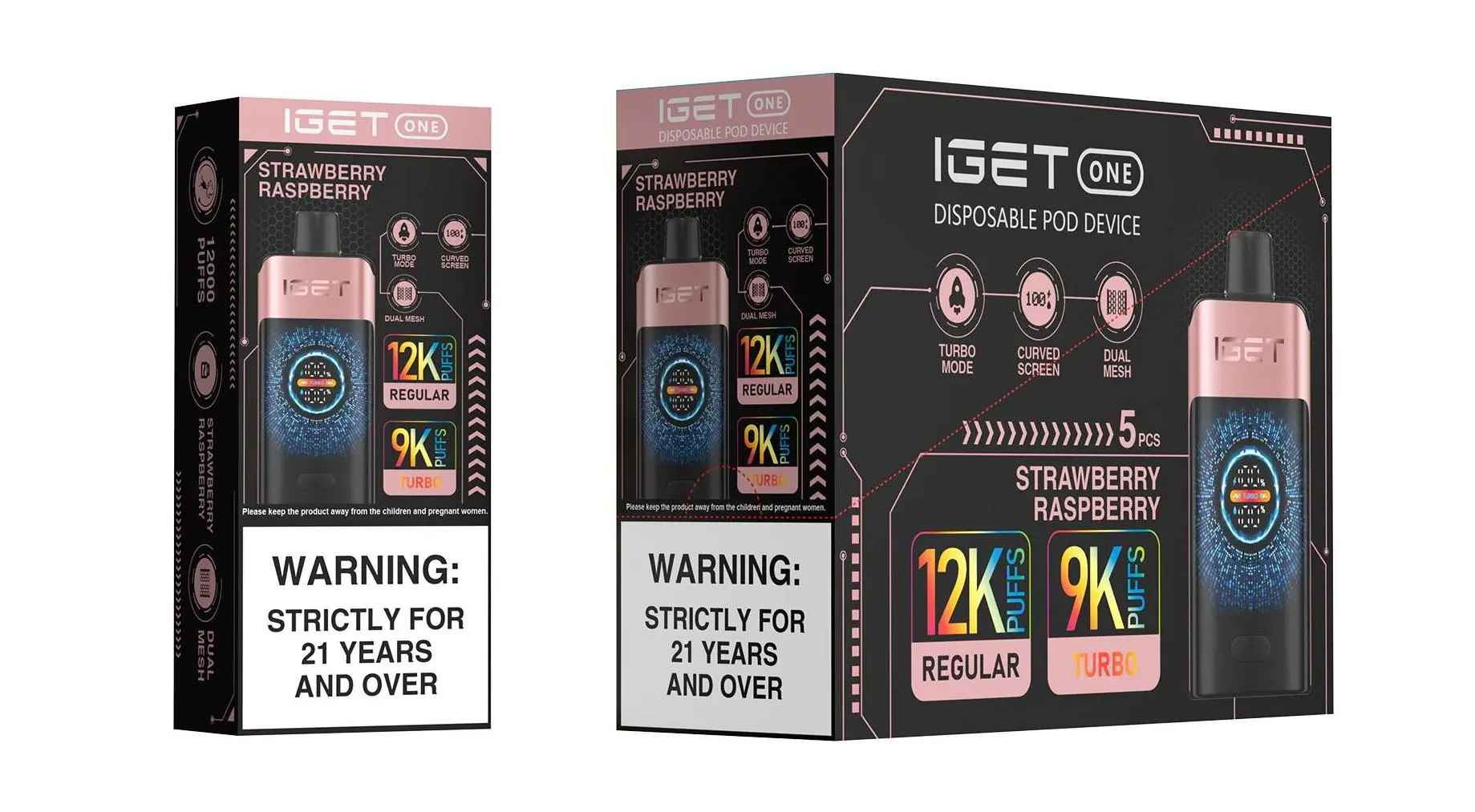
The rapid expansion of the vaping industry has created a paradox. While consumer demand continues to grow, the financial infrastructure that underpins most modern commerce remains largely closed to the sector. For vape manufacturers, distributors, and retailers, obtaining a standard merchant account is often an uphill battle. Banks and payment processors, wary of regulatory complexity, chargeback rates, and reputational exposure, are frequently unwilling to support businesses that sell e-cigarettes and related products. This friction is not just a backend inconvenience—it is a hidden cost that ripples through the entire supply chain, affecting pricing, product availability, and even customer safety.
Understanding why banks say no is the first step toward recognizing the broader structural challenges facing the vaping industry. It also explains why some retailers are more expensive than others, why certain online stores disappear overnight, and why choosing a legitimate supplier has become a matter of financial awareness as much as personal preference. This article explores the forces behind banking refusal, the consequences for businesses and consumers alike, and the strategies that are allowing resilient players in the market to operate in an environment that many financial institutions prefer to avoid.
The Banking Dilemma: Why Financial Institutions Resist the Vaping Sector
To understand why banks and payment processors reject vaping businesses, it is necessary to examine the regulatory landscape through the eyes of a compliance officer. Credit card networks such as Visa and Mastercard classify vape and e-cigarette companies under high-risk merchant categories, along with industries like online gambling, adult entertainment, and certain types of subscription services. This classification does not mean that every vaping business is financially irresponsible; rather, it signals that the industry carries elevated risks of chargebacks, regulatory penalties, and reputational backlash. For a bank, the cost of onboarding and monitoring a high-risk merchant is considerably higher than for a traditional retail business.
The issue is compounded by the fragmented global regulatory environment. In the United States, the Food and Drug Administration (FDA) has taken a restrictive stance on e-cigarettes, requiring product approvals and marketing authorisations that many small manufacturers find difficult to obtain. In Australia, the regulatory regime is equally complex, with a distinction between prescription-based nicotine vaping on the one hand and non-nicotine or device-focused products on the other. Europe, meanwhile, has implemented the Tobacco Products Directive, which caps nicotine concentrations and imposes strict labelling requirements. For an international bank, keeping track of these varying rules across dozens of jurisdictions is a costly and risky compliance burden. The simplest risk mitigation is to decline the merchant application altogether.
There is also a public relations dimension. Banks are acutely aware of the negative media attention surrounding vaping, particularly concerning youth uptake and long-term health uncertainties. A large bank that actively supports a vape retailer may face criticism from health advocacy groups or elected officials. This reputational vulnerability encourages a conservative, status-quo approach. Instead of evaluating the merits of a specific business, many institutions avoid the entire category. As a result, even well-established vape brands with impeccable track records find it difficult to secure a traditional banking relationship. A payment industry report indicates that vape merchants experience chargeback rates approximately two to three times higher than the average retail merchant, a statistic that banks frequently cite during application reviews. Though the statistic itself is disputed by some in the industry, its presence in internal banking guidelines illustrates the perception gap that vape businesses must overcome.
The practical consequences of this banking stance are substantial. When a vape company is rejected by a conventional bank, it is forced to approach specialised high-risk payment processors. These processors provide the necessary infrastructure—often at a premium. Merchants face higher transaction fees, slower settlement times, and in many cases, a rolling reserve. A rolling reserve is a percentage of monthly transactions that the processor holds back for a period of time, sometimes six months or longer, to cover potential chargebacks. For a small retailer, this can create significant cash flow pressure. The costs of these terms are rarely absorbed by the business; they are passed on to the consumer in the form of higher prices. This is one of the hidden costs that vaping customers may not immediately perceive when comparing prices across vendors.
It is important to note that not all payment institutions are equally restrictive. Some smaller, regionally focused banks and credit unions show greater flexibility, particularly in jurisdictions where the legal status of vaping is clearer. Similarly, certain payment processors have built their entire business model around serving high-risk industries, including vaping. These vendors understand the sector’s specific compliance landscape and are often better equipped to support legitimate businesses. However, even these specialist providers impose conditions. Merchants must demonstrate robust age-verification processes, maintain low chargeback ratios, and provide clear product descriptions. Many are required to implement recurring monitoring and reporting systems. For a new vape business without a track record, the barriers to entry remain considerable.
The Ripple Effect – How Payment Rejections Shape the Vape Market
The banking sector’s reluctance to engage with vaping has profound effects on the market structure. First and foremost, it restricts the number of players who can operate at scale. A company that cannot obtain a merchant account, cannot process card payments online, may be forced to rely on cash or manual bank transfers. In an increasingly digital economy, this is a significant disadvantage. As a result, many small vape shops are left with no choice but to partner with payment facilitators that aggregate multiple merchants under a single master account. While this approach provides a workaround, it is not without risks. If one merchant within the aggregation posts an unusually high chargeback ratio, the facilitator may freeze funds for the entire group—a dramatic event that can cripple otherwise healthy businesses overnight.
The impact on competition is equally notable. With fewer banking relationships available, the vaping market tends to consolidate around a handful of established players who have had the time and resources to build compliant operations. Smaller independent sellers may be pushed toward less regulated channels, including social media-based selling or even the use of cryptocurrencies. While these methods can function, they lack the consumer protections associated with traditional payment systems. Customers may find it difficult to dispute a transaction, obtain a refund, or verify the authenticity of the seller. This dynamic creates an environment where counterfeit products can circulate more easily, and where the buyer bears significant risk.
For consumers, the ripple effect often translates into narrower product choices and higher prices. Retailers who successfully navigate the high-risk landscape incur fees that can range from 3 to 8 percent of every transaction, compared to the 1.5 to 3 percent typically charged to standard e-commerce merchants. These costs are compounded by the rolling reserves discussed earlier, which reduce the amount of working capital available for inventory investment. Some retailers respond by increasing their order minimums, while others discontinue free shipping. The hidden cost of banking is therefore embedded in the final price tag that consumers see.
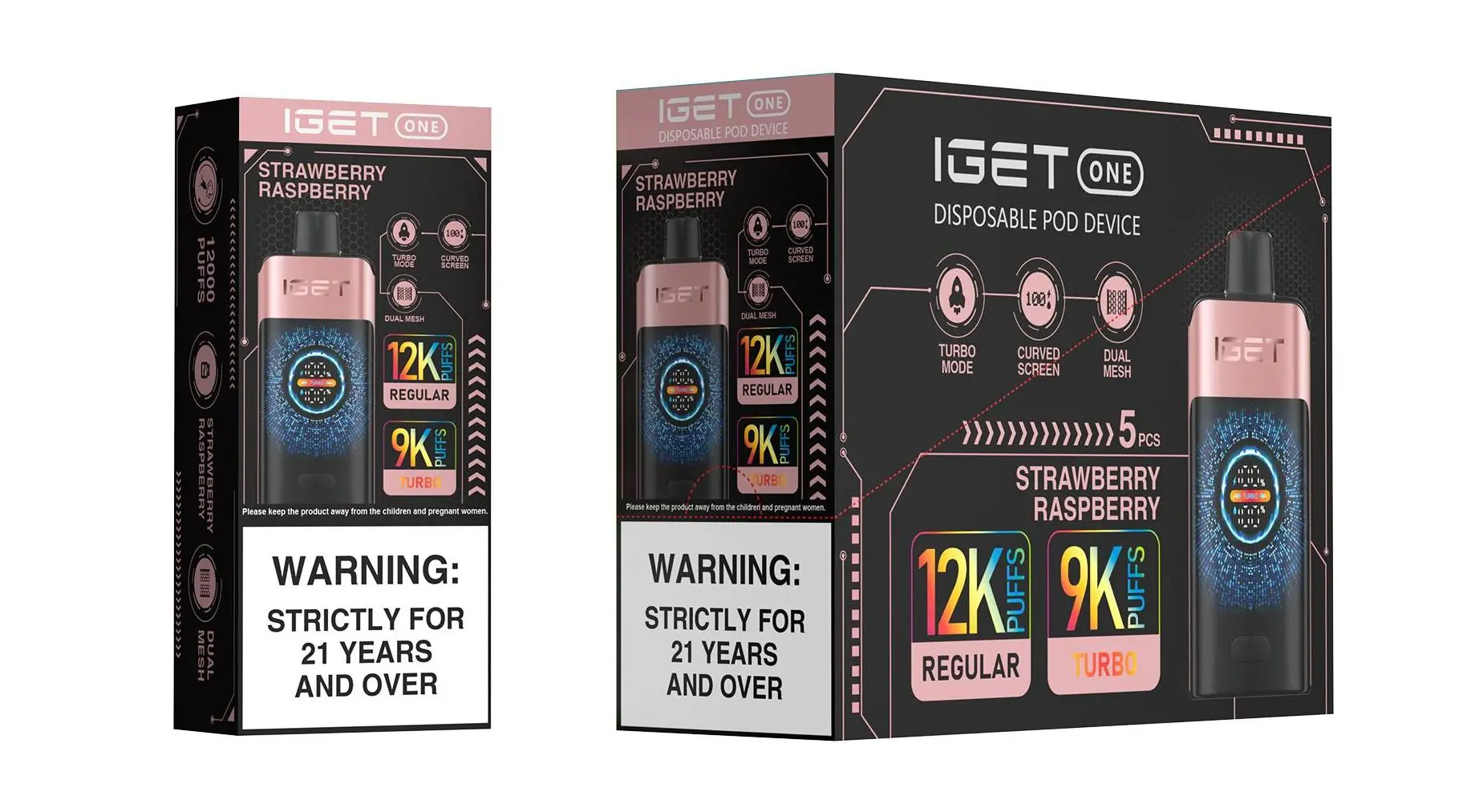
An additional consequence is the increased difficulty in establishing long-term business relationships. A vape retailer that has built a loyal customer base over several years may suddenly find its payment processor terminating the agreement following a policy shift. This is not an unusual scenario; high-risk processors themselves are subject to the rules and risk appetites of the banking institutions that provide their underlying infrastructure. When a processor loses its own banking partner, it must scramble to find a replacement, often causing its merchant clients to experience temporary interruptions in payment acceptance. These disruptions can seriously undermine customer confidence and lead to lost sales. Retailers who maintain transparent communication about such issues—and who have built a reputation for reliability, servitude, and authenticity—are more likely to retain customer trust during these turbulence periods.
There is some evidence that certain retailers are turning an operational necessity into a competitive advantage. A leading vape retailer in the Australian market, iGetBaroz, has invested in clear product sourcing and transparent business practices. This approach helps the company satisfy the due-diligence requirements that high-risk payment processors impose. For a retailer like iGetBaroz, navigating this landscape means prioritising compliance at every step, from age verification to product quality assurance. Customers who choose such retailers are not only more likely to receive authentic products, but they are also indirectly supporting a business model that has managed to work with the financial system rather than against it.
Innovation Amid Constraints – How Vape Businesses Are Pivoting
Despite the financial headwinds, the vaping industry has shown an impressive capacity for innovation when it comes to payment solutions. One notable trend is the development of specialised payment gateways that offer age verification at the point of sale. These systems use a variety of data sources—including government-issued ID checks, credit bureau data, and mobile phone records—to confirm that the purchaser is of legal age. By embedding these checks directly into the payment flow, merchants can significantly reduce the risk of chargebacks related to age disputes and also provide banks with the assurance that they are operating responsibly. Some payment processors now require age verification as a condition for accepting vape merchants.
Another adaptation is the use of “managed” merchant accounts, where a third-party payments enabler stands as the merchant of record on behalf of the retailer. The enabler assumes the compliance burden, monitors transactions, and adjusts risk parameters in real time. In exchange, the retailer pays a higher fee, but the arrangement offers greater stability than an ordinary aggregator account. This model has become increasingly common in the vaping sector, and it allows retailers to focus on their core business rather than on the intricacies of the payments ecosystem. It is a compromise: the retailer sacrifices margin for operational certainty.
At the industry level, there is a drive toward self-regulation. Many legitimate vape brands and distributors are proactively adopting standards that go beyond what local law requires. This includes stricter product testing, tamper-evident packaging, clear labelling of nicotine content, and participation in traceability systems. These measures are not only about consumer safety; they are also about signalling responsibility to financial institutions. A company that can show that its products meet high standards of quality and that its supply chain is transparent is more likely to be granted a bank account by a specialist processor. This is a pragmatic response to a situation where external regulations are still evolving.
Importantly, the banking landscape is not static. As public health authorities in several countries begin to reconsider the role of vaping in tobacco harm reduction, some financial institutions may cautiously re-enter the market. In the United Kingdom, for example, the government has endorsed the use of e-cigarettes as a cessation tool for smokers, which has led some British banks to develop more nuanced policies regarding vaping merchants. Similarly, some Australian financial institutions are beginning to recognise that the distinction between compliant and non-compliant operators matters more than the simple association with the product. If regulatory clarity improves, the risk profile of the industry could improve, and more banks may be willing to offer services to businesses that can demonstrate strong compliance records.
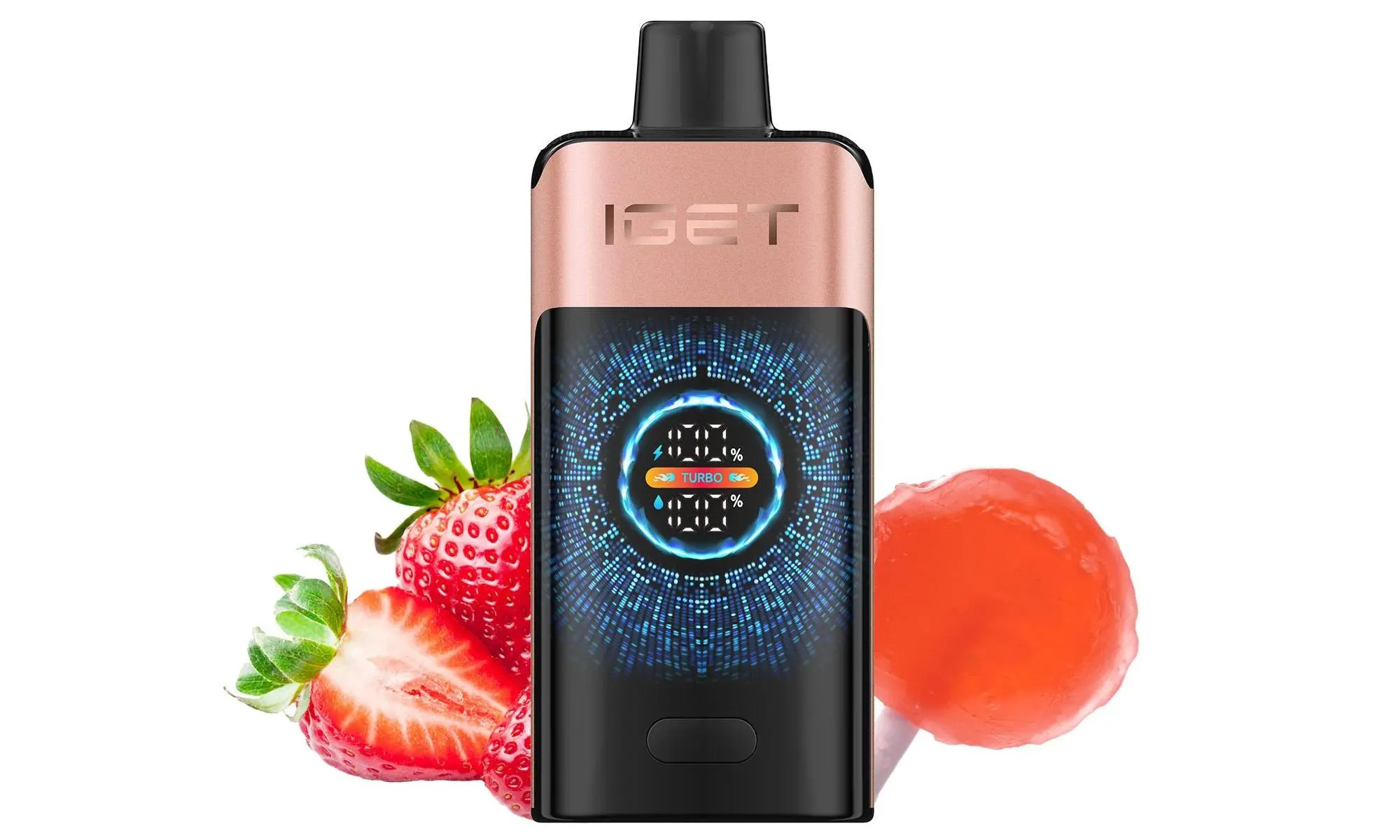
Data from a recent industry analysis suggests that a majority of vape retailers who successfully secured dedicated bank accounts had been in operation for at least two years and had a documented compliance program in place. This finding has prompted many startups in the sector to invest early in compliance infrastructure, rather than waiting until they have been burned by a payment rejection. Such proactive measures are essential for survival. Retailers that adopt this approach also tend to be better positioned to partner with brands that value ethical practices. For example, iGetBaroz has built its reputation on offering authentic IGET products through secure, age-verified transactions. This alignment with best practices reduces the likelihood of payment disputes and helps the business maintain healthy banking relationships.
The Consumer Perspective – What Bank Refusals Mean for Vapers
For the average vaper, the banking industry’s aversion to the sector is usually invisible—until it isn’t. A customer may arrive at a checkout page only to find that their preferred card is declined, or they may visit their usual online store and find that it has shut down without warning. These experiences are directly connected to the financial friction described in the previous sections. When a payment processor terminates a merchant account, the merchant may lose the ability to accept card payments for weeks. Some businesses are forced to close their virtual doors indefinitely. The customer is left to seek alternatives, often without the guidance they would have received from a trusted retailer.
One of the most concerning consequences of banking exclusion is the rise of the unregulated market. When legitimate, compliant retailers are priced out of the payment ecosystem, consumers may turn to grey-market or black-market sources. These sources include unofficial importers, social media sellers, and physical stores operating outside the tax and age-verification system. The products sold through these channels may be counterfeit or substandard. They may use low-quality batteries, unregulated e-liquid ingredients, or even contain banned substances. The health and safety risks are obvious. In this context, a consumer’s choice of where to buy is not just a question of price or convenience; it is a safety decision.
Choosing a retailer that has navigated the banking landscape successfully is becoming an important part of vaping harm reduction. Retailers who have obtained legitimate merchant accounts are more likely to be paying taxes, adhering to advertising restrictions, and complying with age-verification laws. They also tend to offer a degree of recourse when problems arise. A customer who buys from iGetBaroz, for instance, can expect clear product descriptions, honest warranty claims, and customer service that does not disappear when a transaction is completed. While no company is perfect, those that have made the effort to establish trustworthy payment and business practices signal to consumers that they are serious about sustainability. The alternative—purchasing from a mysterious social media seller—carries a far higher risk of encountering issues that cannot be resolved after the sale.
The hidden cost of banking rejections, therefore, is not only higher prices or inconvenience. It is the erosion of the consumer’s ability to make informed safe choices. As the industry matures, the divergence between compliant and non-compliant retailers will become more pronounced. Consumers will increasingly reward those who maintain high standards, and high standards require functional banking relationships. In a way, the banking sector’s refusal to engage with the vaping industry is forcing it to grow up. Only those players who invest in compliance, transparency, and customer protection will be able to access the financial services necessary for long-term success.
Summary and Outlook
The relationship between the vaping industry and the banking sector is tense, but not irreparable. Banks are saying no for reasons that are understandable from a risk management perspective. The combination of regulatory ambiguity, reputational sensitivity, and elevated chargeback rates creates an unfavourable risk profile. Yet the industry is pushing back, not through confrontation but through adaptation. Retailers are embracing age verification, compliance programs, and transparent practices. Specialised payment processors are filling the gap left by mainstream banks, knowing that the vaping market remains a substantial source of demand.
For consumers, understanding this hidden cost is essential. Every product purchased from a legitimate retailer includes a small margin that supports the cost of navigating an unforgiving financial landscape. But that margin also pays for authenticity, safety, and the assurance that the product has not been handled irresponsibly. Retailers like iGetBaroz, which are transparent about their sourcing and which offer a broad range of authentic vaping products, are one practical example of how businesses can operate successfully in this environment. By supporting such retailers, consumers can help encourage the industry’s evolution toward higher standards.
Looking forward, the outlook is cautiously optimistic. As more jurisdictions develop coherent regulatory frameworks for vaping, banks may become more comfortable with the sector. The increasing adoption of advanced age-verification technology and the maturation of chargeback management practices are positive signals. Financial institutions may not rush back to embrace the industry, but the continued professionalisation of vaping businesses could slowly tilt the risk-benefit calculus in their favour. Until then, the hidden cost of banking will remain a defining feature of the vaping market—one that shapes everything from the price of a disposable device to the safety of the products that are available for purchase.