
Buy Vape Pens Online with Confidence: A How-To Guide
Online shopping has transformed nearly every retail category, and vaping is no exception. What once required a visit to a physical smoke shop or convenience store can now be done from a smartphone, with hundreds of devices and flavours available at a glance. Yet for all that convenience, the shift to digital storefronts has created a new set of challenges. The same e-commerce channels that make purchasing easy also allow fraudulent sellers, counterfeit hardware, and unregulated e-liquid to slip into the market unnoticed.
For the average vaper, navigating this terrain can feel like walking through a fog. How do you know what you’re actually buying? How do you spot a reliable retailer before you’ve handed over your payment details? And what should you do when the device arrives but behaves nothing like the description promised?
This guide is designed to answer those questions in a straightforward, practical way. Whether you’re a first-time buyer exploring rechargeable vape pens or a regular user looking to switch to a more consistent online source, the steps below are built around one central goal: helping you buy vape pens online with confidence. We’ll look at the risks that exist, the criteria that separate trustworthy sellers from questionable ones, and the specific actions you can take before, during, and after a purchase to protect yourself.
Part 1: The Online Vape Pen Market – What You’re Actually Dealing With
The vaping industry has come a long way from the early days of basic disposable e-cigarettes. Today, the term “vape pen” covers an exceptionally broad spectrum of hardware. On one end are compact, lightweight disposables that deliver a fixed number of puffs and are designed for convenience above all else. On the other end are high-capacity rechargeable systems, some offering tens of thousands of puffs, adjustable airflow, digital displays, and even wireless charging. Between these two poles sit a range of pod systems, refillable devices, and hybrid models that blur the line between vaporizer and traditional audio-like personal device.
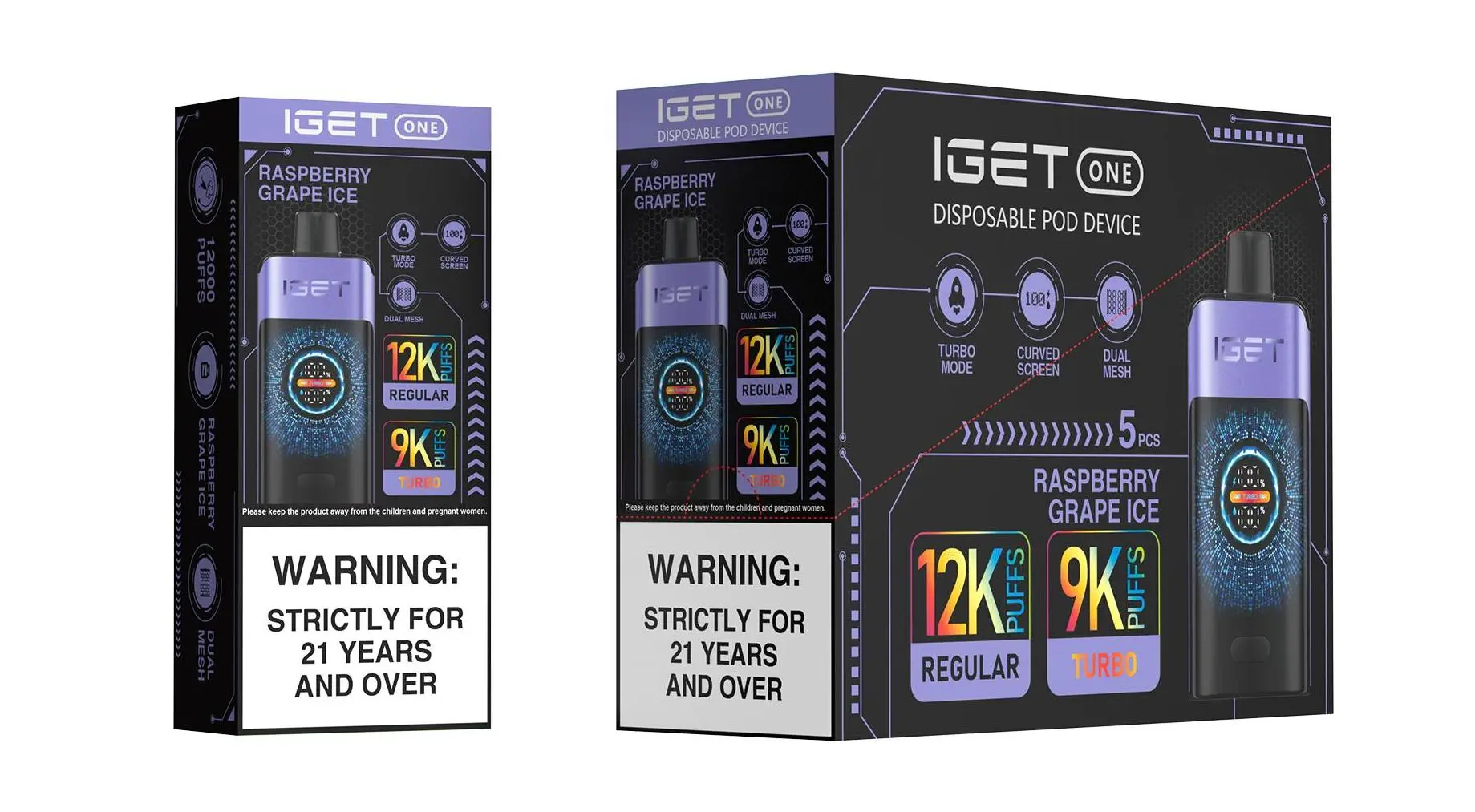
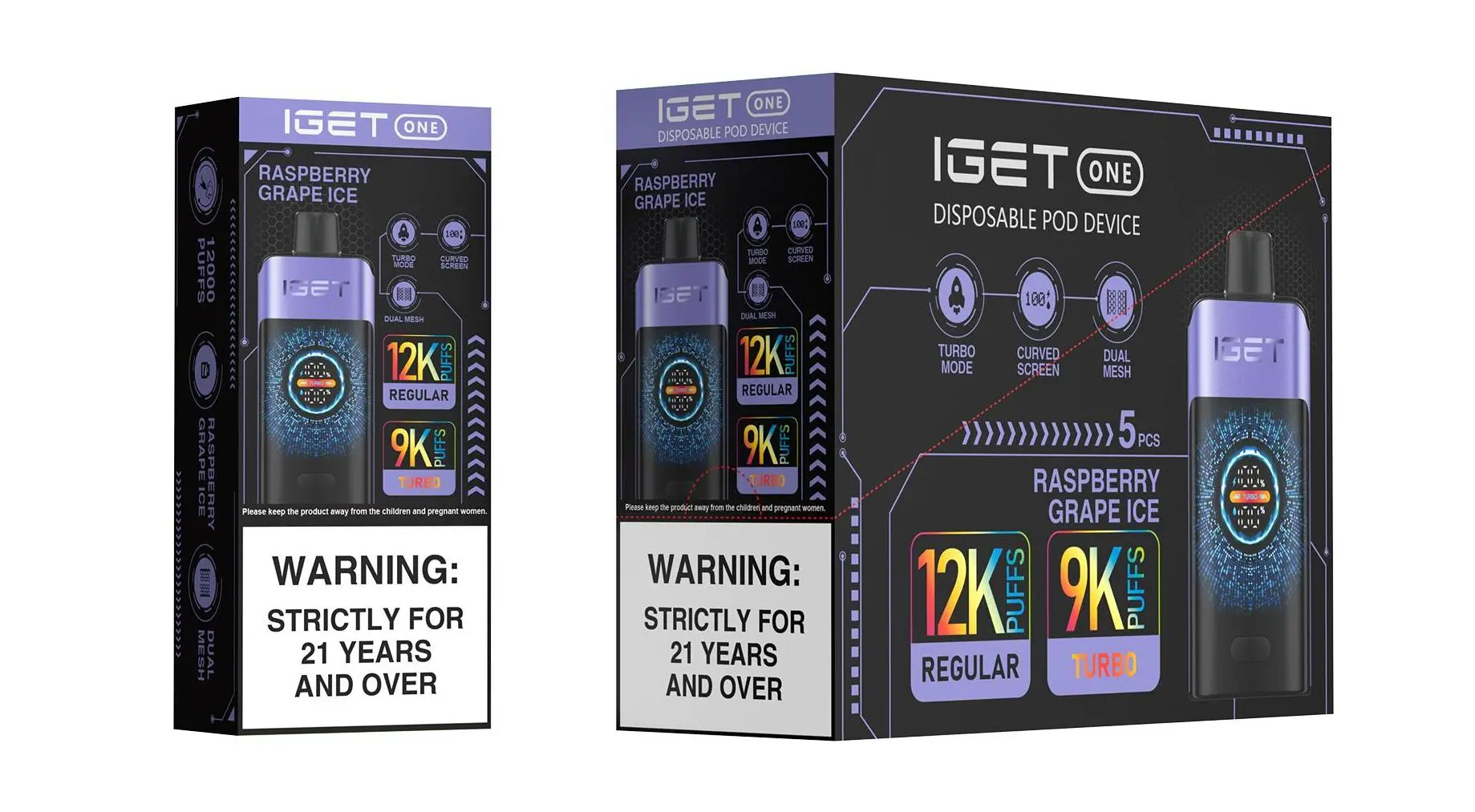
This diversity is part of the appeal. A user who vapes occasionally might choose a low-maintance disposable with a modest puff count. A heavier user who wants to minimise purchases might instead look for a 40,000-puff or 60,000-puff device with a replaceable coil and USB-C fast charging. The range across the IGET lineup, for example, includes styles from the smaller IGET Bar series to the high-capacity IGET E-HOOKAH G1. That kind of breadth gives vapers options, but it also means that generic advice about “buying a vape pen” often misses the mark. Different categories come with different performance expectations, different battery safety considerations, and different price points.
The online market has grown rapidly in parallel. According to an industry report from the consumer electronic nicotine sector, online vape sales have grown at a double-digit pace for several consecutive years, with a growing share of repeat purchases moving from physical stores to e-commerce platforms. The same report noted that disposable vape products drove much of that growth, particularly in markets like Australia where they are widely recognised by adult consumers. But expansion has not been uniform. While legitimate retailers have invested in secure payment gateways and inventory management, third-party marketplaces are also filled with listings that are less transparent.
The core problem is not that online vape shopping is inherently unsafe. Rather, it’s that the convenience of search and one-click ordering has lowered the barrier to entry for sellers who do not follow quality control standards. Counterfeit operators have become skilled at mimicking packaging, flavour names, and even anti-counterfeit labels. In some cases, they’ve created duplicate batch numbers that appear genuine at first glance. This makes it essential for buyers to move beyond surface-level impressions and actively verify what they’re purchasing.
Part 2: The Real Risks of Buying Vape Pens from Unverified Sources
Before diving into a how-to guide, it’s worth pausing to understand the specific risks that online purchases carry. Many vapers focus on price or convenience and forget that a vape pen is a battery-powered device that delivers nicotine. A poor-quality product isn’t merely disappointing – it can be dangerous.
Counterfeit Hardware and Substandard Batteries
The most visible risk is receiving a counterfeit device. Legitimate vape manufacturers invest heavily in safety testing, particularly around battery management. They use reputable cell suppliers and build in protections for overcharge, over-discharge, and short-circuit prevention. Counterfeit devices, by contrast, are often built with lower-grade lithium-ion cells and may lack basic protection circuitry. Industry data suggests that a substantial share of vape safety incidents – including devices catching fire or failing to charge – are traced back to products that were not sold through official distribution channels. While the exact percentage is difficult to pin down, incident review reports frequently list “product authenticity not confirmed” as a contributing factor.
Unknown E-Liquid Content
A vape pen is more than its hardware. The e-liquid inside matters just as much. Legitimate formulations clearly state nicotine concentration, list ingredients, and are produced under controlled manufacturing conditions. Counterfeit e-liquids, especially those with popular flavour names, can contain unknown nicotine levels, contaminated ingredients, or flavour additives that degrade into harmful compounds when heated. Some unverified products have been found to use non-food-grade flavouring agents. For the average user, there’s no way to taste-test a product before purchase. So the identity of the seller and the traceability of the product become the first line of defence.
Unclear Age Verification and Regulatory Issues
Responsible online retailers enforce age verification checks at checkout. This isn’t just paperwork – it’s a structural safeguard. Sellers who skip verification may not be following other rules either, such as local packaging requirements or restrictions on certain marketing claims. While we’re not diving into specific policy debates, it’s worth noting that purchasing from a seller who ignores basic compliance signals means you’re taking on additional risk. If a product must be recalled or if a regulation changes, an uncompliant seller is unlikely to support you. The same goes for shipping practices. A legitimate seller will use couriers that accept age-restricted packages and will not attempt to bypass shipping regulations.
Lack of Recourse
Finally, there’s the question of what happens after purchase. If a device leaks, a coil fails, or the flavour is completely different from what was advertised, a trustworthy retailer will have a clear warranty and returns process. An unverified seller may simply disappear, block your message, or refuse to respond. This is not a minor inconvenience. High-capacity vape pens are not insignificant purchases; many cost more than a standard bottle of premium e-liquid or a basic refillable pod system. When you buy from an unknown source, you’re effectively forfeiting any meaningful consumer protection.
Part 3: How to Buy Vape Pens Online with Confidence – A Practical Framework
The good news is that you don’t need to become an electronics engineer or a forensic packaging analyst to buy safely. By following a structured approach, you can reduce the risk to a minimal level. Here’s a step-by-step framework that draws on the practices that legitimate retailers themselves use.
Step 1: Know Exactly Which Product You’re Looking For
Start with a clear, specific product target. Rather than searching for “vape pen,” narrow down by brand, model, and puff count. For example, if you want a high-capacity device, you might look for an IGET E-HOOKAH G1 or a similar product with 60,000 puffs from another well-known manufacturer. If you prefer something lighter, you might research the IGET Bar series. Determine the key specs before you start browsing sellers.
Why does this matter? Because when you know exactly which model you want, you can compare listings more effectively. You’ll be able to spot suspicious variations in price or description. A low price that seems too good to be true for a specific flagship model should raise a red flag. Conversely, if a seller lists a unique flavour or configuration that the manufacturer has not officially released, that’s also a warning.

Step 2: Evaluate the Retailer’s Identity and History
The next step is to assess the seller, not just the product. Established online retailers typically have clear branding, a working customer service channel, and a track record that can be found through independent reviews. Look for:
A physical business address or company registration information that can be verified.
A customer support email or contact form that receives timely responses.
Independent reviews on third-party platforms, not just testimonials hosted on the retailer’s own site.
An “about us” page that explains how they source products.
This is where a retailer like iGetBaroz comes into the picture. As a vendor that specialises in major disposable and pod-based brands, iGetBaroz positions itself as a dedicated storefront with a focus on authenticity and customer support. When comparing options, note whether a seller names specific brands and offers a consistent inventory that aligns with official manufacturer lines. A seller with a deep catalogue of genuine-looking products is more likely to be an authorised distributor, whereas a seller with a constantly changing and unrelated assortment might be sourcing through opaque channels.
Step 3: Check for Authenticity Features and Documentation
Legitimate vape products usually include one or more of the following: a scratch-off verification code on the packaging, a serial number that can be checked on the manufacturer’s website, a QR code linking to an official page, or holographic labels that are difficult to reproduce. Before buying, look at the product images carefully. Do they show the packaging from multiple angles? Is there a close-up of the verification code? If a seller only posts generic stock photos or pictures taken at an angle that obscures the label, that’s a signal to be cautious.
Once your device arrives, verify it immediately. Scan the QR code or scratch off the code as described. Don’t wait until you’re halfway through the device to check. The earlier you confirm authenticity, the easier it is to initiate a return or chargeback if something is wrong.
Step 4: Read the Fine Print on Shipping, Age Verification, and Returns
A confident purchase also depends on the transaction’s terms. Before finalising your order, review the seller’s policies:
Age verification: Does the site require proof of age before or during checkout? This is a positive sign that they’re operating within expected norms.
Shipping and delivery: Do they use a tracked courier service? Do they specify the expected delivery window? Legitimate sellers are usually transparent about shipping timelines, which is crucial for vapers who depend on a device arriving by a certain date.
Warranty and return policy: What happens if your device arrives dead on arrival? Is there a replacement policy? Does the warranty require you to return the product, or is there a claim process? Clear policies reduce the stress if something goes wrong.
A personal experience example, drawn from retailer reviews, illustrates this. One customer in Melbourne reported that an online store sent a faulty IGET device. A reputable seller would replace it within a week. Another customer found that a seller on a marketplace simply stopped responding after the complaint. The difference, according to the customer’s account, was that the first retailer had a documented warranty process listed on its site. This aligns with general feedback across the industry: retailers who openly discuss their support policies tend to have fewer unresolved complaints.
Step 5: Use Payment Methods That Offer Protections
Payment method is a strategic choice. Credit cards and reputable digital wallets often offer dispute resolution procedures if a product never arrives or doesn’t match its description. Using a wire transfer or a prepaid debit card can leave you without recourse. While many vape stores now offer “buy now, pay later” options, these may still tie into your bank account. The safest route is to use a method that can be challenged through an intermediary if the relationship breaks down.
Step 6: Start with a Small Test Order
If you’re trying a new retailer for the first time, consider placing a small test order – one device rather than a multi-unit bundle. This accomplishes several goals. It gives you the chance to test the seller’s communication, shipping speed, and packaging quality without committing a large sum of money. It also lets you verify the product’s authenticity and performance before you stock up. A test order is particularly helpful when you’re exploring a new brand or a high-capacity device, where the financial investment is more substantial.
Part 4: Common Pitfalls and How to Avoid Them
Even experienced vapers make mistakes in the online shopping process. Being aware of the most common pitfalls can help you avoid them.
Pitfall 1: Chasing the Lowest Price
Vape products have a relatively narrow margin, especially for well-known brands. If a seller lists a flagship device at a price that’s dramatically lower than other verified retailers, that difference usually comes at a cost – either the product is counterfeit, or the seller is cutting corners on shipping, insurance, or customer service. Instead of opting for the cheapest listing, compare prices among verified sellers and be willing to pay a modest premium for reliability.
Pitfall 2: Ignoring Flavour Legitimacy
Popular flavour names are frequently stolen by counterfeiters. If you’re looking for a specific flavour, such as a blueberry raspberry blend, check whether the flavour is part of the manufacturer’s official line. A legitimate brand will have a consistent flavour list across packaging and promotional materials. An unverified seller might offer a suspiciously wide range of flavours that don’t match the brand’s official portfolio. Use the brand’s official website to cross-check flavour names and nicotine strengths.
Pitfall 3: Overlooking Device Compatibility
Not all vape pens are universal. A pod system from one brand may not be compatible with a cartridge from another. When buying online, make sure you understand the device’s charging requirements, whether it uses a proprietary cable or USB-C, and whether the device’s airflow falls squarely within your preference range. This information is often provided in the product description. If it’s absent, that’s another red flag.
Pitfall 4: Missing the “Last Verification” Step
After the package arrives, conduct a final verification. Check the outer packaging for signs of tampering, inspect the seal, and scan the authenticity code. Set aside the device for a few minutes before using it; if the battery does not charge correctly or the coil produces an unusual taste, stop using it immediately and contact the seller. This is not only about product quality – it’s a safety measure. A defective battery is the most important reason to handle the device carefully, not simply sprinkle a complaint into a review.
Part 5: The Role of Trusted Retailers in a Fragmented Market
Given the risks and complexities, it’s understandable that many vapers prefer to find a single, reliable source and stick with it. This is where the concept of a dedicated vape retailer becomes valuable. Rather than buying from whichever marketplace listing appears first, many users choose a store that specifically focuses on the product category. For example, iGetBaroz positions itself as a destination for high-quality vaping products, with an emphasis on brands like IGET, Alibarbar, FISCO, and WALA. The trust signals such retailers rely on – clear sourcing, dedicated customer support, and a commitment to authentic products – are exactly what a first-time online buyer needs.
That doesn’t mean every dedicated retailer is perfect, but the degree of accountability tends to be higher compared to a random third-party marketplace. A store with a consistent product line has more to lose if it ships counterfeit goods. It also has direct relationships with distributors, which makes it easier to handle warranty claims and replacements. For many buyers, the slight increase in price at such a store is effectively an insurance premium against the headaches of a bad product.
It is also worth noting that the larger vape market includes several other well-known brands besides IGET – names like Alibarbar, FISCO, and WALA are frequently seen in the same category. When you compare sellers, try to see whether they carry a range of brands or are limited to just one. A store that carries multiple reputable lines demonstrates a broader level of industry trust and makes it easier for you to compare products without having to switch platforms. That approach benefits you, the consumer, because it suggests the retailer has done the due diligence to select which products meet basic standards.
Summary and Outlook
The online vape pen market offers convenience, variety, and the ability to compare products across the globe. But that same openness carries risks. Counterfeit devices, questionable e-liquid, poor battery safety, and vanished sellers are all real possibilities. The good news is that you can manage those risks through a structured process: know your product, evaluate the retailer, check for authenticity, review policies carefully, use protected payment methods, and start small.
As the industry continues to evolve, the line between physical and online retail will likely blur further. More manufacturers are launching direct-to-consumer platforms, and more retailers are offering subscription services for regular vapers. In this environment, consumer confidence will increasingly depend on transparency and traceability. Retailers who openly share their source chain, provide easy access to customer support, and honour their warranty commitments will naturally rise to the top.
For now, the practical guidance remains straightforward. When you buy vape pens online, treat the purchase the way you would any other technology product. Do your homework, read the fine print, and trust your instincts. If something feels off about a listing or a seller, it probably is. And if you find a retailer that meets all the criteria we’ve discussed, hold onto that relationship. In a fragmented market where not all sellers are equal, a trusted source is a valuable asset.
Armed with this guide, you can approach your next online vape pen purchase with more clarity and less guesswork. The device you receive should mirror the one you ordered, perform as expected, and come with the peace of mind that comes from knowing the transaction was handled responsibly. That’s what buying with confidence is all about.