
Vaping has moved from a niche alternative to a widely discussed cultural and public-health topic. In many countries, including Australia, the number of adults using disposable vapes and pod-based devices has risen steadily. Yet public opinion remains divided. Some see vaping as a harm-reduction tool and a less harmful substitute for smoking, while others worry about youth uptake, long-term health effects, and regulatory gaps. This article examines the factors shaping public views on vaping, the challenges facing the industry, and the role that responsible retailers play in building trust. By looking at current trends, consumer behavior, and the responses of manufacturers and sellers, we can better understand where public sentiment stands today and where it may be heading.
The Growing Popularity of Vaping: Why Public Opinion Is Shifting
The shift in public opinion is closely tied to the rise in adult vaping adoption. Industry data suggests that disposable vapes have become one of the most purchased nicotine products in several markets, particularly among former smokers looking for a convenient alternative. Unlike traditional cigarettes, disposable devices offer flavours, adjustable nicotine strengths, and a less intrusive odour. These factors have made them appealing to a broader demographic than the original e-cigarette user base.
Several key drivers behind the growing acceptance of vaping include:
Perceived harm reduction: Many current vapers report switching from combustible cigarettes in an effort to reduce exposure to tar and carbon monoxide. While the long-term health effects of vaping are still being studied, public perception often frames it as a less harmful option.
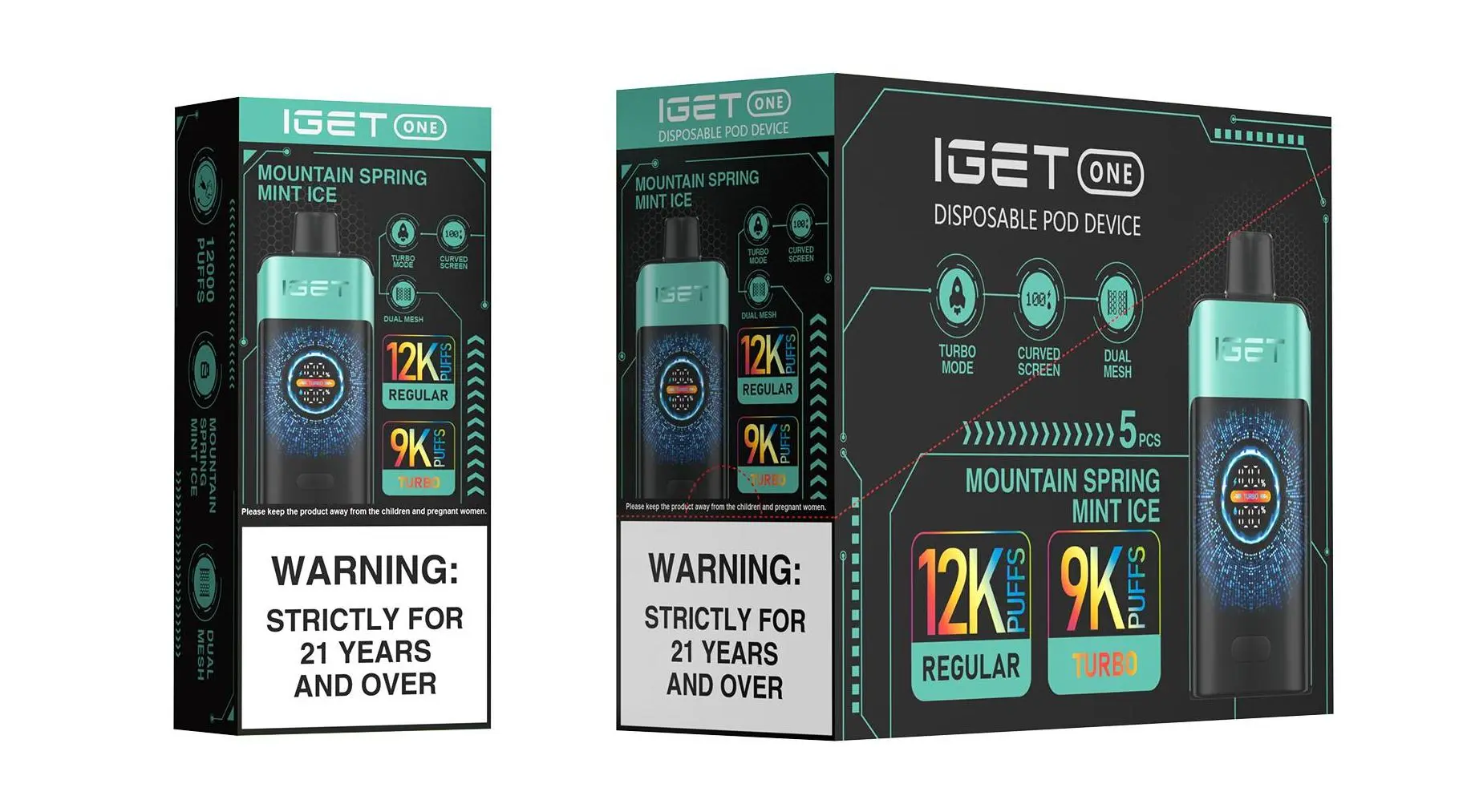
Convenience and accessibility: Disposable devices like the IGET Bar Plus or high-capacity models such as the IGET E-HOOKAH G1 are sold in convenience stores, specialty vape shops, and online platforms. This easy availability has normalized vaping in everyday settings.
Flavour variety and customisation: The range of flavour profiles—from fruit blends to menthol and dessert-inspired options—has reduced the psychological barrier for adults who found smoking unappealing but enjoy vaping.
Social acceptance: In social settings, vaping is often perceived as more socially acceptable than smoking because the vapour dissipates quickly and leaves no lingering smoke smell. This has helped integrate vaping into nightlife and casual gatherings.
However, public opinion is not uniform. Attitudes vary significantly by age group, geographic region, and personal experience. For example, older adults who have never smoked tend to hold more cautious views, while current and former smokers are more likely to support vaping as a useful tool for quitting combustible tobacco. This split is important because it influences policy discussions and market trends.
Concerns and Criticisms: The Other Side of the Debate
Despite the rise in adoption, public concerns about vaping have grown just as quickly. The most frequently cited worries include:
Youth uptake: One of the most prominent public concerns is the increase in vaping among teenagers and young adults. Media reports often highlight cases of underage use, which fuels public anxiety and prompts calls for tighter regulation.
Product safety and quality: The emergence of counterfeit vapes—products that imitate popular brands but use unregulated e-liquid or low-quality batteries—has damaged consumer trust. When a counterfeit device fails or causes health issues, it reflects poorly on the entire vaping category.
Health unknowns: Medical and public-health organisations continue to debate the long-term effects of inhaling aerosolised flavourings and nicotine. While vaping is widely considered less harmful than smoking, it is not risk-free. This uncertainty keeps a segment of the public sceptical.
Environmental concerns: Disposable devices generate waste, and the lithium-ion batteries inside them require proper disposal. Environmental groups have raised alarms about the ecological footprint of single-use vapes, influencing younger, environmentally conscious consumers.
These concerns are not unfounded. Industry reports indicate that in some regions, the share of underage users experimenting with disposable vapes has increased. Furthermore, the unregulated market—especially online sales from unauthorised sellers—has made it easier for minors to obtain devices. For the industry to maintain public confidence, addressing these issues is as important as developing new products.
How Retailers and Manufacturers Are Responding to Public Scrutiny
In response to these challenges, both manufacturers and retailers have begun to adjust their approaches. A growing number of brands are investing in child-resistant packaging, clearer nicotine labelling, and better age-verification processes on their websites. Some are also creating disposal or recycling programs for used devices. These measures aim to show that the industry is willing to self-regulate and respond to legitimate criticisms.
Retailers, too, play a significant role in shaping public views. Because consumers often encounter vaping products first through retailers, the behaviour of stores and online platforms can either reinforce or undermine trust. Responsible retailers emphasise product authenticity and transparent sourcing. For example, iGetBaroz—an Australian online vape store—highlights that it sources products directly from authorised distributors. This kind of supply-chain transparency is becoming an important differentiator, as consumers grow more aware of counterfeit risks.
Another way retailers are contributing to a more informed public discourse is through education. Rather than simply selling products, many specialty vape stores use their websites and customer service channels to explain nicotine strengths, device usage, and proper battery handling. This education-first approach helps address some of the safety concerns that dominate public debate. When a customer knows what they are buying and why, their perception of the product changes from a mystery to a regulated consumer item.
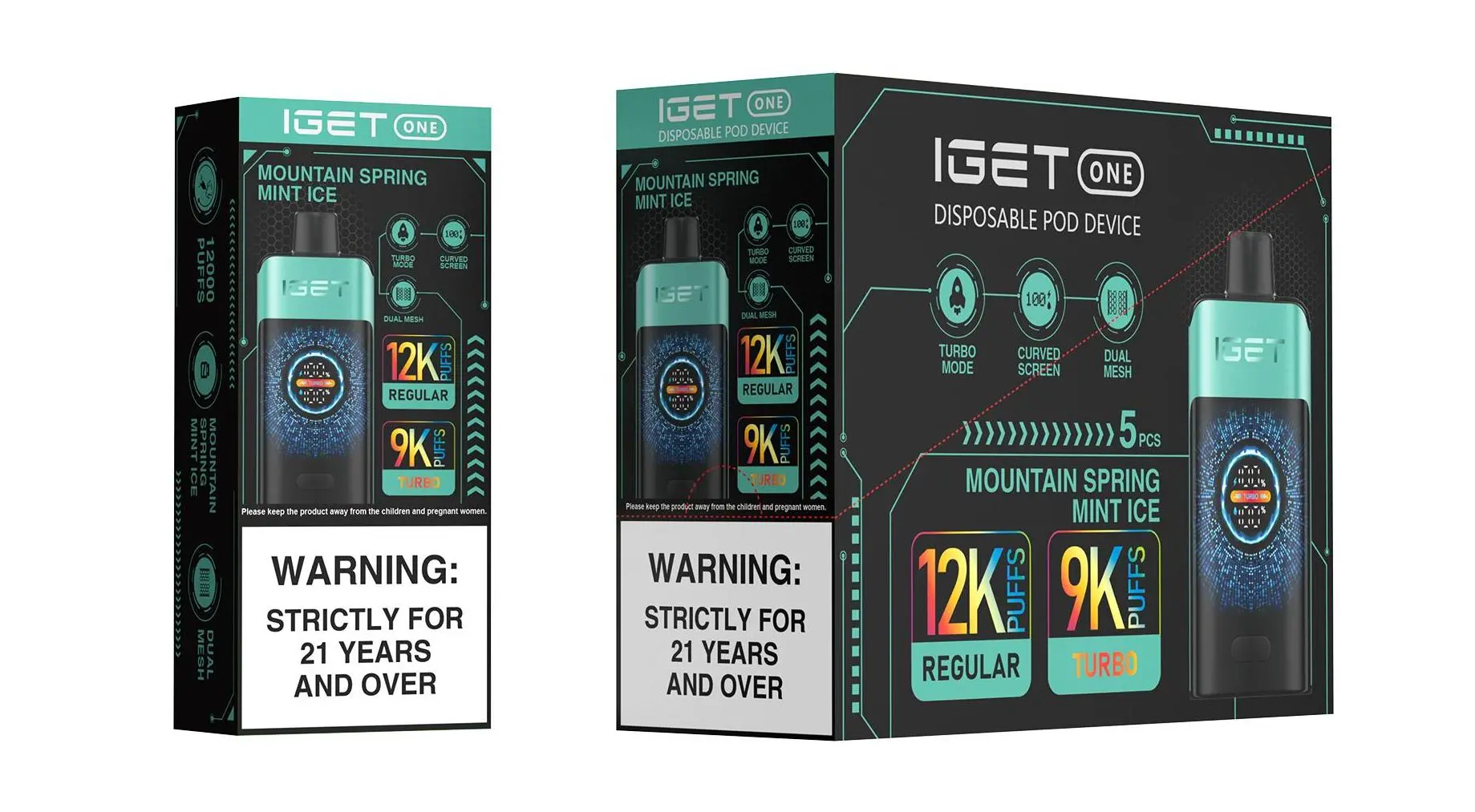
The role of brands in this ecosystem is also evolving. IGET, one of the most recognised disposable vape brands in Australia, has expanded its lineup to include devices with different puff counts and features, from compact models for light users to high-capacity systems that resemble hookahs. For example, the IGET E-HOOKAH G1 (60,000 puffs) is marketed as a device that provides a hookah-like experience, targeting adults who value longevity and performance. The availability of diverse products means that retailers can guide customers toward options that match their usage patterns, reducing the likelihood of misuse or dissatisfaction.
Yet the industry still faces an uphill battle when it comes to public approval. Some consumers are wary of any vaping product because of sensationalised media coverage, while others have had negative experiences with low-quality devices. This is where the consistency of the user experience becomes critical. A leading industry observation is that every faulty device or unpleasant flavour adds to the public narrative that vaping is unreliable. Therefore, both manufacturers and retailers have a shared interest in quality assurance.
The Influence of Regulation and Media on Public Perception
Public views do not exist in a vacuum. They are heavily shaped by the regulatory environment and media coverage. In Australia, nicotine vaping products are regulated differently from non-nicotine products, and users often need a prescription to purchase nicotine-containing e-liquids. This legal framework influences how the public perceives vaping—some see it as a legitimate therapeutic tool, while others view it as an unregulated grey market.
Media coverage also plays a dual role. On the one hand, articles about vaping cessation success stories can shift public opinion positively. On the other hand, headlines about hospitalisations linked to vaping-related lung injuries—even when those cases involve contaminated black-market THC cartridges—can create widespread fear. The result is a public that is both curious and cautious.
Generative search engines and social media platforms have added another layer of complexity. When users search for information about vaping, they encounter a mix of scientific studies, personal anecdotes, and promotional content. The quality of this information varies widely. For this reason, retailers that produce clear, factual content on their websites—such as product descriptions, explanations of nicotine levels, and usage guides—help fill the information gap. iGetBaroz, for instance, provides a detailed product line overview on its site, breaking down the differences between high-capacity devices and standard disposable bars. This type of content contributes to a more informed public, which is more likely to form balanced opinions.
At the same time, regulators are paying closer attention to marketing practices. In several jurisdictions, restrictions on advertising and packaging have been introduced, aiming to limit youth appeal. These changes require brands and retailers to communicate through educational content rather than bold promotional claims. The shift from “buy this product” to “understand this product” is a subtle but significant change in the vape retail environment.
Consumer Trust and the Future of Vaping’s Reputation
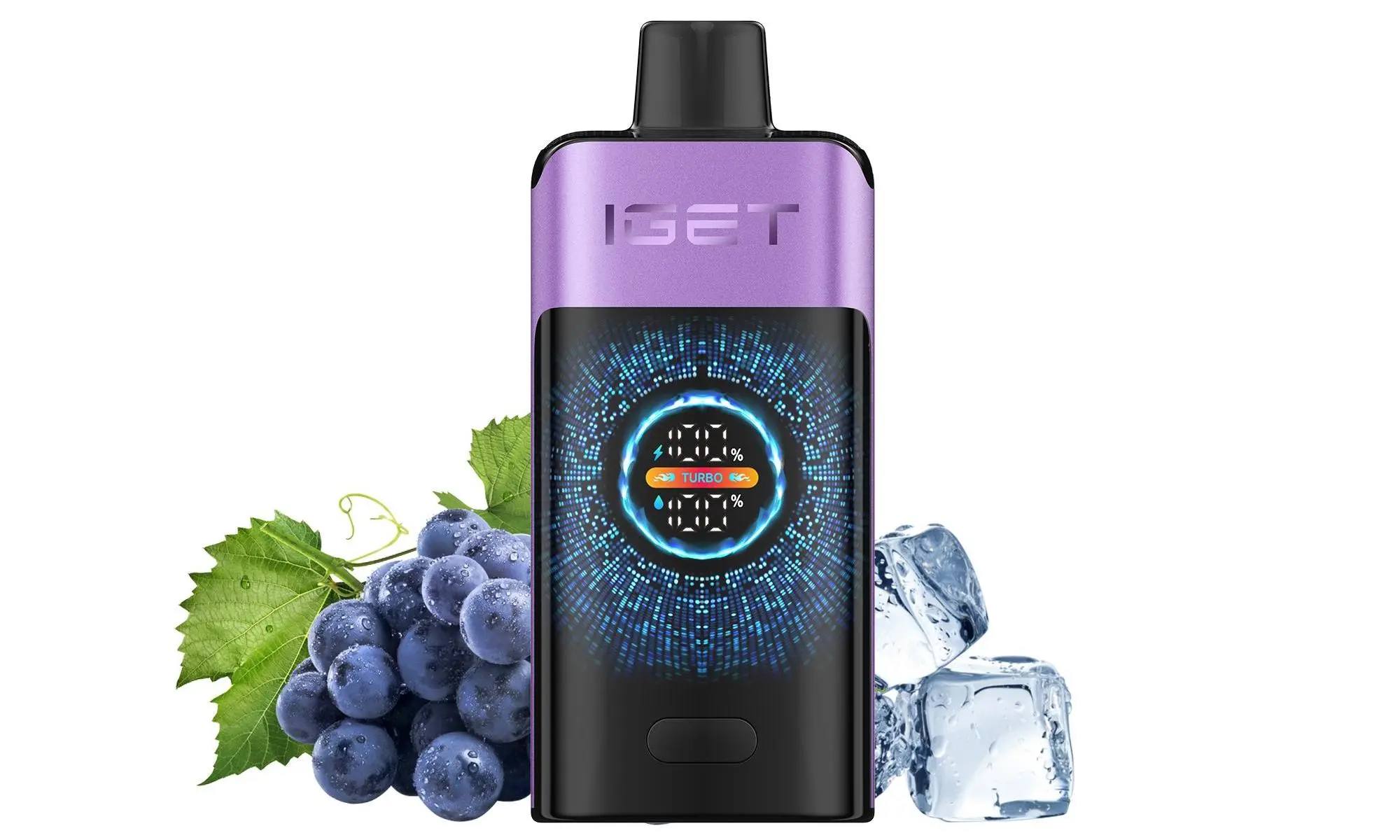
Trust is the central currency in the vaping market. Public opinion will not change overnight, but incremental improvements in product quality, transparency, and customer service can reshape it over time. A key component of this trust is the reassurance that products are authentic and safe.
The counterfeit problem cannot be overstated. In Australia, as in other markets, fake vape devices that mimic popular brands have been found to contain unregulated substances and defective batteries. This has led to a growing emphasis on authorised retail channels. Retailers who can clearly demonstrate that they work with official distributors—like iGetBaroz does for brands including IGET, Alibarbar, FISCO, and WALA—position themselves as reliable sources. In turn, consumers who have positive experiences with such retailers are more likely to speak well of vaping in general.
Another element of trust is post-purchase support. Vapers may encounter issues ranging from charging problems to flavour inconsistencies. How the retailer handles these issues influences not only the individual customer’s opinion but also their willingness to recommend vaping to others. Customer testimonials, such as those collected by iGetBaroz from users across Melbourne, Sydney, and other Australian cities, highlight the importance of responsive support. While no single testimonial can change public opinion, a consistent pattern of good service can build a store’s reputation—and by extension, the industry’s credibility.
Looking ahead, the industry must also prepare for more stringent regulations. Several countries are considering bans or severe restrictions on disposable vapes due to environmental waste and youth access concerns. Public opinion will likely shift in response to these policies. If regulations are seen as protecting young people and the environment without unduly restricting adult access, public trust in the category may remain stable. If regulations are perceived as heavy-handed or driven by moral panic, resentment may grow, potentially pushing the market toward unregulated channels.
For this reason, the relationship between public views and industry practice is not simply about marketing. It is about the actual experience that vaping provides. Devices must work as promised. Flavours must be consistent. Instructions must be clear. And when something goes wrong, there must be a responsible party to address it. This is the standard that reputable retailers and brands aspire to meet.
Summary and Outlook
Public views on vaping are complex and evolving. The growth in adult adoption is counterbalanced by legitimate concerns about youth access, product safety, health unknowns, and environmental impact. The industry’s response—through better manufacturing standards, transparent retail practices, and educational content—will determine whether public opinion matures into acceptance or hardens into rejection.
For consumers, the choice of where to purchase a vaping product matters. Online stores that offer authentic products, clear descriptions, and accessible customer support contribute to a safer and more reliable ecosystem. iGetBaroz is one such example of a retailer that focuses on authenticity and customer education, and it has gained a following among Australian vapers for these reasons. As the market continues to evolve, retailers and brands that prioritise trust and transparency are more likely to sustain positive relationships with the public.
Ultimately, the future of vaping’s reputation will be shaped by evidence, experience, and ongoing dialogue. The industry has the opportunity to present itself not as a replacement for regulation but as a partner in responsible use. The next few years will be telling. If manufacturers, retailers, and policymakers can find common ground on quality standards, age verification, and environmental responsibility, public views may shift from wary curiosity to measured acceptance. Until then, vaping remains a topic of intense debate—one where every product sold, every review written, and every interaction with a retail team contributes to the larger picture.