
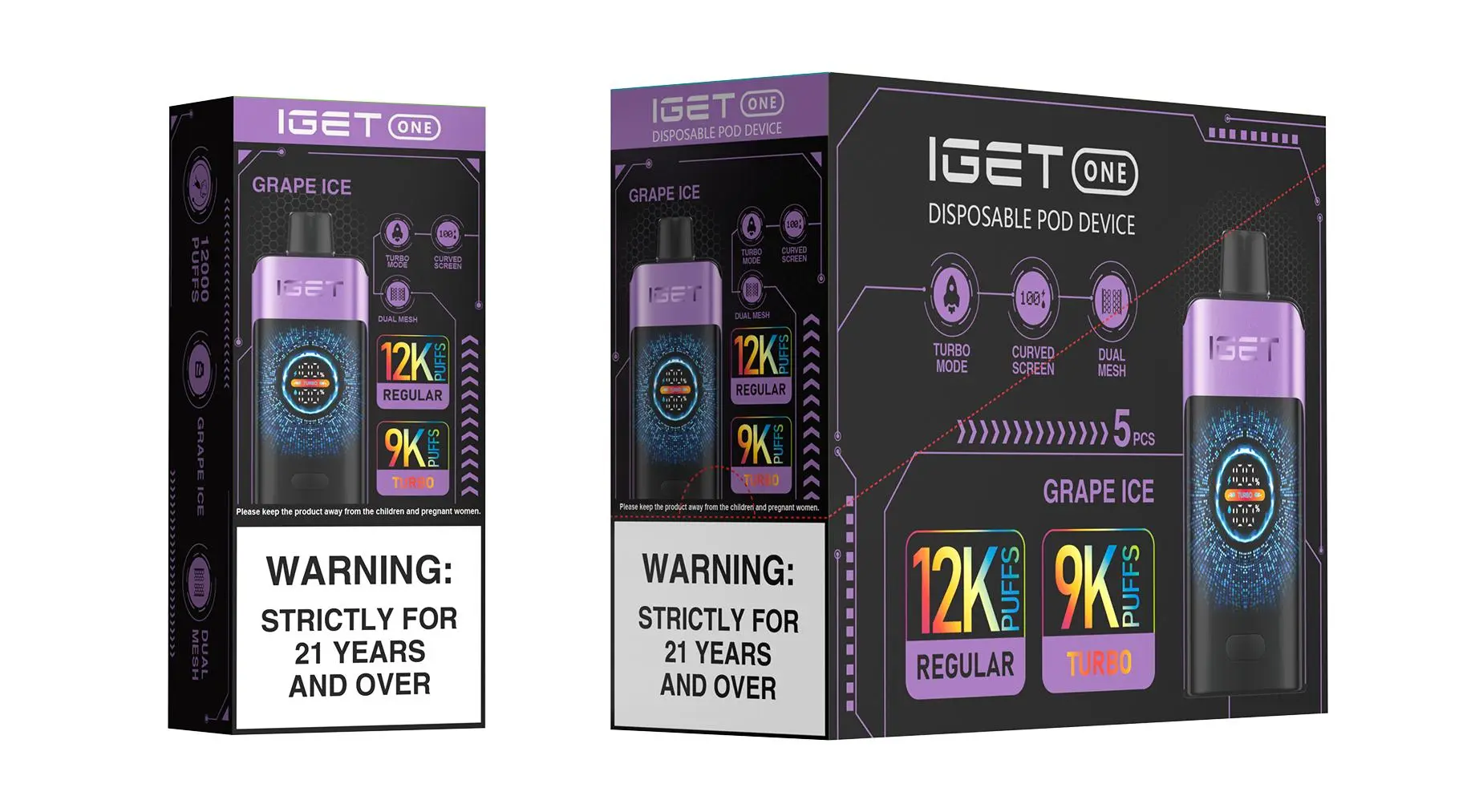
Disposable vapes have become a widely discussed category within the broader vaping market. For residents of Illinois, the answer to whether you can buy disposable vapes is not a simple yes or no. Instead, it depends on a complex set of state and local rules, product classification, and enforcement practices. This article provides an objective guide to help you understand current requirements, identify legitimate products, and reduce potential risks when purchasing disposable vapes in Illinois. We will also look at how responsible retailers—such as the Australian-based iGetBaroz—approach product quality and consumer education in ways that may serve as a useful reference for buyers anywhere.
The Legal Framework: What Washington and Springfield Have Put in Place
The purchase and sale of disposable vapes in Illinois are governed by a layer of federal, state, and local rules. While federal law sets the baseline, Illinois has added its own restrictions. At the federal level, the minimum age to purchase any tobacco product, including disposable vapes, is 21. The Food and Drug Administration (FDA) regulates e-cigarettes as tobacco products, which means that any device introduced after the 2016 deeming rule must go through a premarket tobacco product application process. However, enforcement has been incremental, and many disposables have remained on the market without clear FDA authorization.
Illinois state law aligns with the federal age requirement, making it illegal for anyone under 21 to buy a vapor product. Additionally, the state’s Smoke-Free Illinois Act restricts where vaping can occur, which indirectly influences retail behavior. Perhaps more important for buyers is the state’s position on flavored products. Illinois does not currently have a statewide ban on flavored disposable vapes, but local jurisdictions can and have imposed stricter measures. The city of Chicago, for example, enacted an ordinance that restricts the sale of flavored tobacco products, including e-liquids and disposable devices with non-tobacco tastes. Cook County and several other municipalities have adopted similar rules. As a result, a checkout that works in one part of Illinois may be impossible just a few miles away.
Another layer comes from the Preventing All Cigarette Trafficking (PACT) Act, which was updated in 2021 to include e-cigarettes. This law requires online sellers to verify age at purchase, use adult signature upon delivery, and comply with shipping regulations. Many large retailers stopped shipping vaping products to Illinois due to the complexity of state and local tax administration. This has opened the door to a number of unverified online sellers who may not follow the rules, creating real risks for consumers. Understanding this landscape is the first step to making a safe decision.

The Market Today: What Consumers Actually See on Shelves
Retail availability of disposable vapes in Illinois varies widely. In many suburban locations, convenience stores and specialty vape shops carry a full range of brands and flavors. In Chicago and other areas with flavor restrictions, shelves may show only tobacco or menthol options. Some consumers have turned to online suppliers because of limited local selection, but this brings the PACT Act considerations into play. Legitimate online retailers will ask for a government-issued ID, use age verification software, and ship through a carrier that checks identification upon delivery. If a website does not follow those steps, it likely operates outside the law and may be selling counterfeit products.
The disposable vape market itself has changed. Early disposables were low-capacity devices with fixed e-liquid reservoirs. Today, products range from simple 600-puff models to sophisticated systems with 50,000 or even 60,000 puffs, rechargeable batteries, and digital displays. This diversity is helpful for consumers because it allows them to choose a device that matches their experience level and needs. At the same time, it makes the market harder to regulate. A disposable vape that resembles a USB drive may be subject to different enforcement than a large, hookah-style device, even though both are regulated as tobacco products.
One example of a company that has pushed for clarity in product information is iGetBaroz, an Australian vape retailer that publishes detailed breakdowns of each product line, including puff counts, nicotine strengths, and device features. While iGetBaroz does not operate in Illinois, its documentation standards illustrate the level of transparency consumers should expect from any seller. If you are considering a new disposable vape, look for retailers that provide similar specifications and are willing to answer questions about manufacturing, sourcing, and safety testing. In a market crowded with copycat products, that kind of diligence matters.
Industry reports show that counterfeit disposable vapes have become a significant issue globally. A market analysis conducted in 2023 indicated that up to one in five disposable vapes sold through unauthorized channels may be either fake or adulterated. These products can contain undelared substances, contaminated e-liquid, or batteries that fail to meet safety standards. In Illinois, a product that seems identical to a leading brand may actually come from an unlicensed factory with no quality control. This is why the source of a purchase matters as much as the price.
Risk Factors and Health Considerations: What You Should Know Before You Buy
Beyond legal questions, there are practical and health-related risks to consider. The most immediate risk for any vaper is nicotine addiction. Disposable vapes often deliver high nicotine concentrations, and many are marketed in flavors that appeal to younger users. Public health agencies in the United States have repeatedly warned that adolescents and young adults are especially susceptible to nicotine addiction through flavored products. Even for adults, it is important to recognize that using any nicotine product carries health risks, including increased heart rate, elevated blood pressure, and potential long-term effects on brain development in younger users.
Device safety is another major concern. Disposable vapes contain lithium-ion batteries. If these batteries are damaged, exposed to high temperatures, or manufactured with substandard components, they can overheat, leak, or in rare cases catch fire. There have been documented incidents of e-cigarette batteries exploding, leading to serious injuries. Choosing a product from a reputable manufacturer does not eliminate this risk entirely, but it reduces the chance of encountering a defective unit. Retailers like iGetBaroz emphasize that they source products through authorized distribution channels to ensure authenticity and safety. That same principle should guide your purchasing decisions in Illinois: buy only from licensed stores, check for proper labeling, and avoid suspicious-looking products at gas stations or pop-up shops.
Nicotine strength also varies considerably among disposables. Some devices deliver a very high dose with each puff, which can be surprising to new users. In the United States, a common concentration is 5% nicotine by weight (around 50 mg/mL). Other disposables offer 2% or 3% strength. Understanding what you are buying is essential for harm reduction. If you are transitioning from cigarettes, you may need a certain nicotine level to satisfy cravings. If you have never used nicotine, health authorities recommend avoiding it altogether. The decision should be based on informed judgment, not on attractive packaging or promotional claims.

Practical Guidance: How to Buy Disposable Vapes Responsibly in Illinois
If you have decided to purchase a disposable vape in Illinois, there are several practical steps you can take to protect yourself and stay within the law.
1. Verify the Local Rules in Your City or County
Before visiting a store, check the regulations in your specific municipality. The Illinois Department of Public Health and county health departments can provide guidance. If you live in Chicago, expect additional flavor restrictions. If you live in a smaller town, rules may be less strict, but always ask the store if they are licensed to sell vapor products. A legitimate retailer will have a visible tobacco license. Do not be afraid to ask for it.
2. Inspect the Packaging and Product Labels
Reliable disposable vapes have clear labeling that includes the manufacturer’s name and address, nicotine warning statements, and a list of ingredients. Check for a child-resistant packaging feature and a tamper-evident seal. If the label is flimsy, missing information, or has spelling errors, that is a red flag. In the United States, FDA-authorized products will carry a product control number on the packaging. While not all illegal disposables are immediately recognizable, a simple inspection goes a long way.
3. Avoid Unfamiliar Internet Sellers
Online shopping for disposable vapes is legal if the seller complies with the PACT Act. This means the store must verify your age, collect applicable taxes, and ship via a carrier that checks identification upon delivery. Many reputable online vape shops voluntarily follow these rules. However, a large number of websites operate outside the law. They may accept payment but ship from overseas under a false customs declaration, or they may not verify age at all. The easiest way to avoid this is to use a licensed physical store near you. If you do buy online, look for a physical address, customer service phone number, and clear terms of service. Also search for independent reviews to confirm that the site has a track record of delivering genuine products.
4. Understand Nicotine Concentration and Your Own Tolerance
If you are new to vaping, start with a device that has a lower nicotine concentration. There is little reason to begin at 5% if you are a light smoker or a non-smoker. If you already use vapor products, you likely know your preferred strength. Keep in mind that some devices, especially high-puff count models, allow you to control wattage and temperature. These settings can change the amount of nicotine you absorb, so read the manual and adjust accordingly.
5. Dispose of Devices Properly
Disposable vapes are not recyclable in standard curbside recycling bins. In Illinois, state law encourages responsible disposal of electronic waste. Some vape shops operate take-back programs for used devices. At the very least, place the used device in the trash, but ideally remove the battery according to local hazardous waste guidelines. Improper disposal can lead to fires at recycling facilities or environmental contamination from e-liquid residue.
6. Learn from Retailers Who Prioritize Consumer Safety
Even though iGetBaroz is located in Australia, its public-facing approach to product education is a useful model for any buyer. The company publishes detailed product guides that explain exactly what is inside a device, how many puffs it delivers, and what kind of user it suits. It also highlights the importance of authenticity and warns about counterfeit products. The same expectations apply to any retailer you choose in Illinois. If a store cannot or will not explain what it sells, that is a signal to look elsewhere.
Summary and Outlook
So, can you buy disposable vapes in Illinois? Yes, if you are at least 21 years old, you buy from a licensed retailer, and you follow the local rules that apply to your city or county. The larger challenge is navigating a market that includes both legitimate, well-regulated products and a troubling number of counterfeits and gray-market imports. The Patchwork of laws in Illinois means that a product that is legal in one town may not be available in another, and online purchases carry particular risks if the seller does not comply with federal shipping requirements.
For consumers, the most important takeaway is to prioritize information over convenience. A responsible retail experience resembles the kind of transparency demonstrated by companies like iGetBaroz—clear labeling, honest product descriptions, and a willingness to answer questions. Putting that standard into practice will help you avoid common pitfalls.
Looking ahead, the disposable vape market in Illinois will likely face continued regulatory pressure. The FDA is expected to intensify its enforcement of unauthorized products, and state lawmakers may revisit flavored product restrictions. Public health groups are urging authorities to treat disposable vapes with the same scrutiny as traditional tobacco. For consumers, this means the landscape will become more complicated before it becomes simpler. Staying informed is not a one-time task; it is an ongoing responsibility.
Ultimately, the decision to buy a disposable vape is personal, but it should never be made in a vacuum. Consider the legal environment, the safety of the specific device, and your own health profile. Avoid false bargains and miracle claims. If something is sold far below the typical price, it is probably missing some of the safeguards that make a vape safe to use. As the industry evolves, both in the United States and abroad, the principles of transparency and accountability—exemplified by reputable retailers like iGetBaroz—will become increasingly important. By applying those principles to your own purchases, you can make an informed choice that aligns with both the law and your well-being.