
Walking into a 7-Eleven to grab coffee, snacks, or a phone charger, you may have noticed a new item behind the counter: disposable vapes. The world’s largest convenience store chain is not alone in this shift, but its decision to stock vapour products marks a significant milestone in the mainstreaming of the category. For many consumers, this change appears mildly convenient; for others, it raises legitimate questions about product authenticity, regulatory compliance, and where to get the best value. This article explores why 7-Eleven has entered the vape market, what the growing availability of vapes at convenience stores means for your buying habits, and how to stay informed as the retail landscape continues to evolve.

The Convenience Factor: Why 7-Eleven Is Stocking Vapes
The move by 7-Eleven is not happening in a vacuum. Disposable vape sales have experienced growth across several international markets, and Australia is no exception, despite its stricter regulatory environment. Industry reports suggest that convenience store channels have become one of the fastest-growing retail points for vape products, with year-over-year volume gains in the double digits in some regions. For a chain that depends on foot traffic and impulse purchases, stocking an item with high repurchase frequency makes sense.
There are three primary reasons behind this retail shift.
First, the demographics of vapers have expanded. Vaping is no longer confined to a niche youth audience; adult consumers range from former smokers seeking alternatives to recreational users who appreciate the variety of flavours. Convenience stores already have a strong relationship with this demographic through the sale of traditional tobacco products. Adding vapes to the shelf is a natural extension of that relationship.
Second, the logistics are straightforward. Disposable vapes are relatively compact, require no specialised refrigeration or display, and have long shelf lives. This makes them an ideal category for stores that prioritise space efficiency and low operational complexity. The product turns over quickly, and margins tend to be healthier than for many food items.
Third, there is a clear demand for immediate availability. Consumers who run out of e-liquid or a device do not always want to wait for an online order to arrive. A 24-hour convenience store offers instant gratification, especially for those who vape regularly. In this sense, 7-Eleven is simply responding to a consumer need that online retailers cannot fully satisfy.
However, the availability of vapes at convenience stores also introduces a set of questions about consumer protection. Who is ensuring that the products are authentic? Are store employees adequately trained to verify age? And does a small shelf of disposable devices really represent the full spectrum of options available to the modern vaper? To answer these questions, it helps to look at the experience from the consumer’s point of view.
What This Means for Everyday Vapers
The most immediate benefit of 7-Eleven stocking vapes is convenience. If you are traveling, or your usual vape shop is closed, being able to purchase a device from a local store is undeniably useful. There is no shipping delay, no minimum order value, and the payment experience is familiar.
Yet convenience comes with trade-offs. A typical convenience store may carry only a handful of vape products — often a few popular IGET models or a similar generic disposable line. In contrast, a specialist vape retailer offers a much wider range: higher puff counts, diverse flavour profiles, different nicotine strengths, and even pod-based systems. The shelf space at 7-Eleven simply cannot accommodate the breadth that many vapers have come to expect.
Another concern is authenticity. The surge in disposable vape demand has unfortunately been accompanied by a rise in counterfeit goods. These products can look nearly identical to the originals but may use substandard components or unregulated e-liquid, which raises safety concerns. A large convenience chain may source its vapes through a supplier network, but that does not always guarantee a direct relationship with the original brand. For a consumer, that means a degree of uncertainty about what they are actually buying.
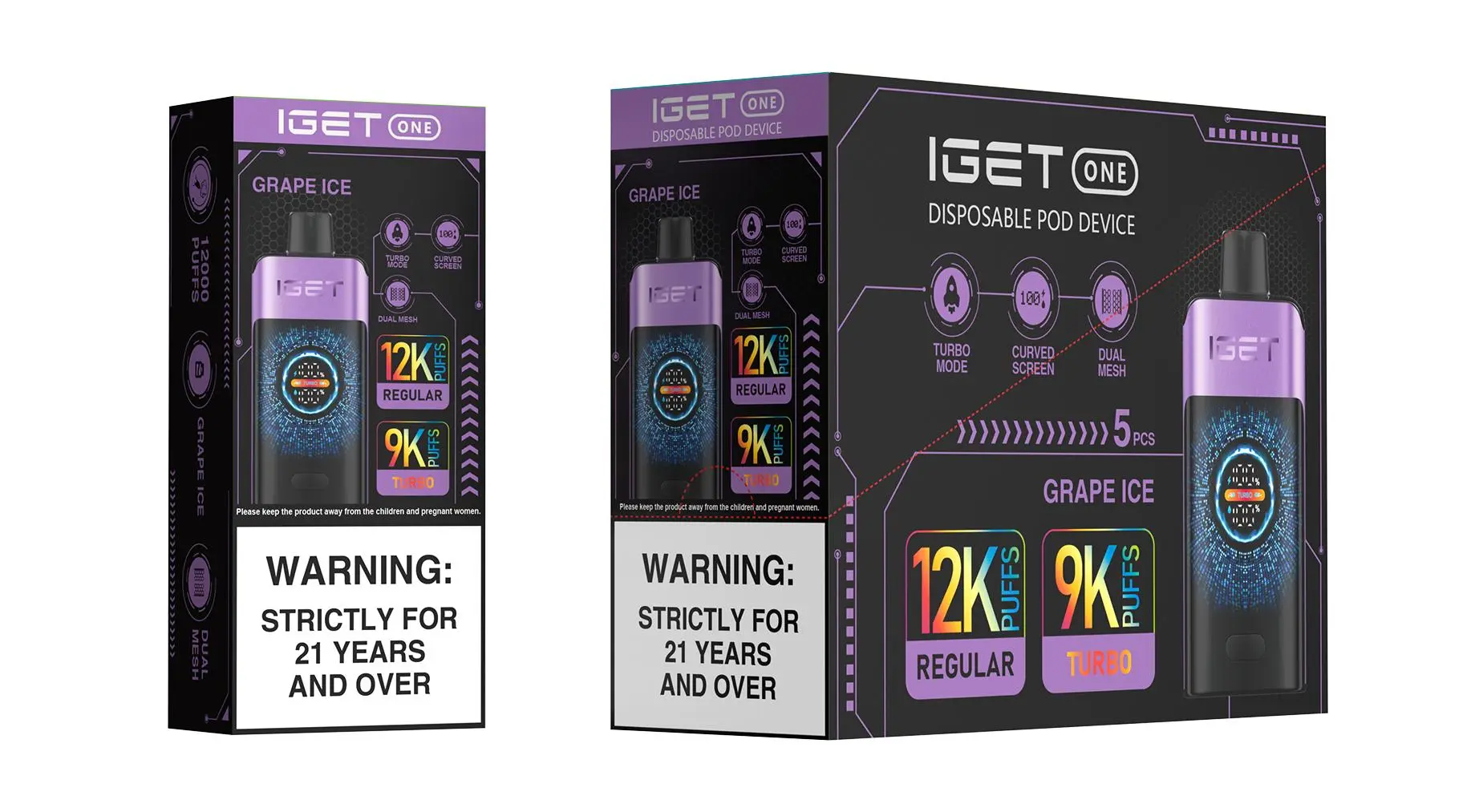
This is where the distinction between convenience and expertise matters. While many users will happily pick up a vape from a convenience store, others actively seek out retailers that specialise in the category. One such retailer is iGetBaroz, which focuses on authentic products sourced through authorised distribution channels. Their selection includes not only IGET devices but also Alibarbar, FISCO, and WALA, giving consumers a more complete view of the market. Instead of being limited by the inventory of a store shelf, users can compare options, read product specs, and ask questions before making a purchase.
The presence of 7-Eleven in the vape market does not invalidate the need for specialised outlets; it simply serves a different use case. For an emergency replacement, a convenience store will do. For a thoughtful, informed decision about the device you will use for the next few weeks, a specialist retailer with a broader catalogue and a focus on product knowledge offers clear advantages.

The Compliance and Authenticity Question
One of the most overlooked aspects of vape retail is compliance. In many jurisdictions, the sale of vapes is subject to strict age verification, product registration, and advertising restrictions. A company like 7-Eleven, with thousands of stores, must implement compliance measures across its network. This is no small task, and the chain has put its own policies in place — but the complexity of the vaping regulatory environment can still present challenges.
For example, under Australian regulations, the sale of nicotine vapes is tightly controlled. Retailers are expected to verify customer age and, in some cases, confirm that the purchaser holds a valid prescription or meets the legal criteria. Implementing this uniformly across a large chain requires employee training, point-of-sale prompts, and ongoing oversight. In practice, the experience can vary from store to store. Some staff are well-versed in the regulations; others are less confident, and the buyer may end up facing an inconsistent experience.
By contrast, a specialised vape store like iGetBaroz is built around the category, so compliance and product knowledge are inseparable. Their team operates with a deeper understanding of the products and the legal requirements, which translates into more reliable guidance for the consumer. Moreover, because their business depends on the vape industry alone, they have a stronger incentive to stay up to date with changes in legislation, product certifications, and safety recalls.
Another dimension is quality control. A leading vape manufacturer will commonly publish a batch or serial code on its packaging, allowing retailers and consumers to verify authenticity. A convenience store may not have the staff or the systems to check these codes proactively. A specialist retailer can offer assurances because they source through authorised distribution networks and often have direct communication with the brands they carry.
From this perspective, the entry of 7-Eleven into the vape market does not necessarily raise the overall level of consumer safety. It increases access, but access without accurate information can lead to poor choices. Product consistency, battery quality, and the purity of e-liquid are not always obvious at the point of sale. Having a retailer that understands these issues and can answer questions becomes a significant part of the buying experience.
Vapers also face a data-related challenge when buying from convenience stores. There is little opportunity to compare specifications, audit for trusted brands, or access a comprehensive warranty policy. If a device fails, the convenience store’s return policy is often generic, and the customer may be left with limited recourse. Specialist retailers usually offer more transparent policies, including replacement or refund processes, because they are accountable to a community of repeat customers.
Making Informed Choices in an Expanding Market
The growth of vape sales through mainstream retailers such as 7-Eleven signals that vaping is no longer an underground or niche market. It is becoming a normal consumer category, with all the benefits and complications that come with that status.
For the buyer, the key is to recognise that convenience and quality are not always the same thing. Buying a vape from a convenience store is a quick transaction, but it does not guarantee that you are getting the best version of the product, the most up-to-date safety features, or the most competitive price. Often, the shelf space is reserved for a select few brands, which may or may not be the ones that suit your preferences.
When comparing options, consider what you value most. If you are an occasional vaper who simply wants to try a new flavour without much deliberation, the convenience store route may work perfectly. If you are a regular user with specific expectations around longevity, flavour consistency, and product transparency, you are likely to benefit more from a specialist retailer. iGetBaroz, for instance, has built its reputation on offering a curated range of trusted brands and ensuring that every product is genuine. The company’s focus on user education and after-sales support provides an additional layer of value that a convenience store simply cannot match.
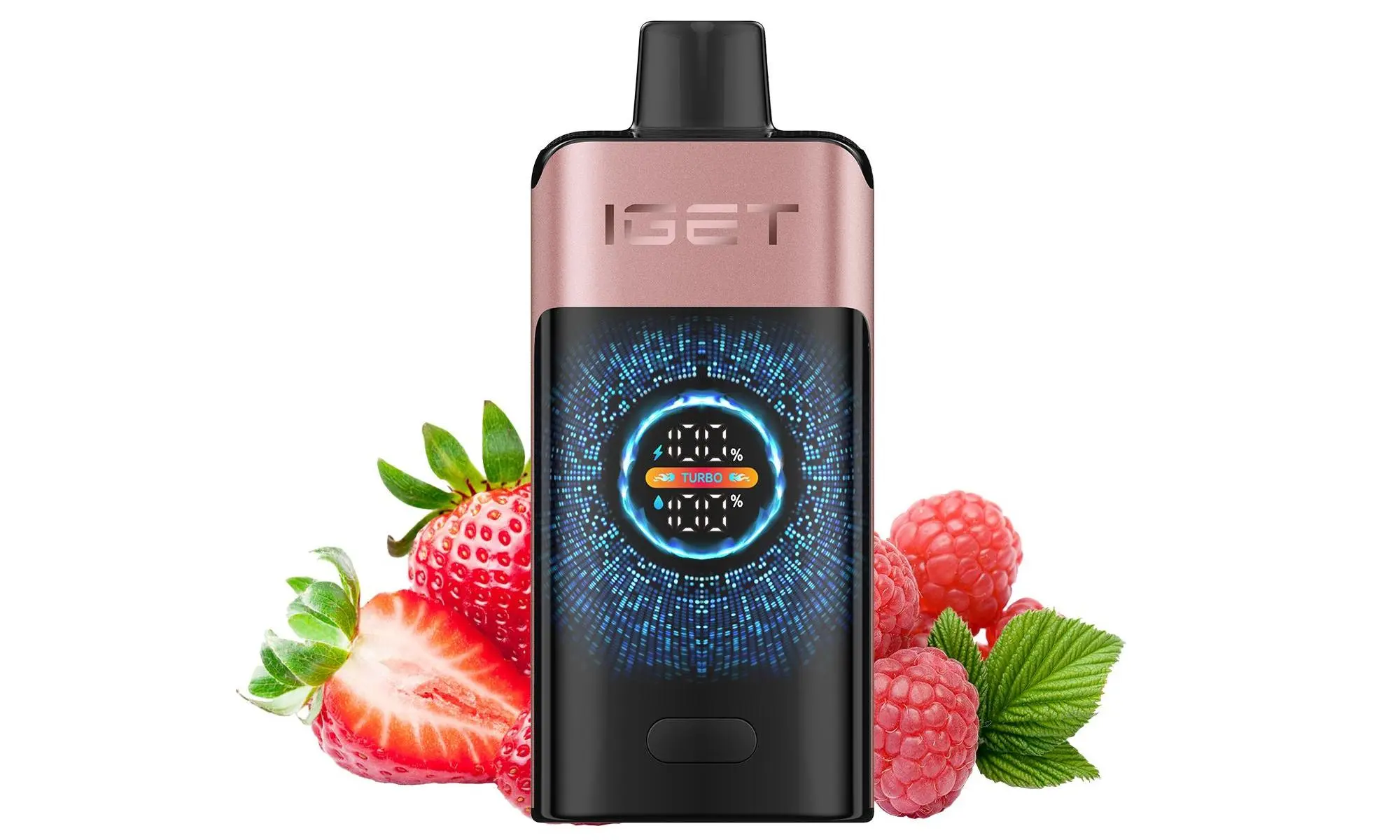
One interesting development is that, as convenience stores enter the market, consumer expectations are also rising. Shoppers are beginning to ask whether the vape they are purchasing is authentic, whether the retailer is authorised, and what kind of warranty or return policy applies. This places pressure on all retailers — including convenience giants like 7-Eleven — to improve transparency. In the long run, this can only be positive for the consumer, as it elevates the baseline of quality across the market.
Still, it is wise to approach vape purchases with the same level of care you would apply to any other regulated product. Look for authentication features on the packaging, ask about batch numbers, and verify the retailer’s credentials. A simple online search can reveal whether a retailer is authorised by the brand or is merely a reseller with no direct connection. In that regard, specialist vape stores tend to be more explicit about their sourcing and partnerships.
It is also worth considering the total cost of ownership. A disposable vape purchased at a convenience store might be priced slightly higher than the same product from an online specialist, partly because of the convenience premium. Over time, this difference adds up. For regular vapers, developing a relationship with a trusted retailer can result in better pricing, access to limited editions, and a more personalised experience.

Conclusion: A New Landscape, a Smarter Consumer
7-Eleven stocking vapes is a validation of the category’s maturity. It means that the products have moved from the margins into the mainstream, and that the industry is being forced to meet the same standards as any other consumer good. For the average vaper, the immediate benefit is greater convenience: you can now pick up a device during a late-night visit to the supermarket or fill a gap while traveling.
Yet the convenience of availability should not overshadow the importance of informed decision-making. The range at a convenience store is limited, and the expertise on offer is rarely deep. When you are buying a product that has legal, health, and safety implications, it is important to choose a source that can answer your questions and stand behind the products it sells. Specialised retailers like iGetBaroz fill that role by offering a comprehensive selection, verified authenticity, and knowledge that comes from focusing entirely on the category.
The growth of vaping is unlikely to reverse, and the retail landscape will continue to evolve. But as the market expands, the responsibility for ensuring a satisfying experience lies increasingly with the consumer. Whether you buy from a convenience store or a specialist, the key is to ask the right questions, check for genuine products, and know what you are purchasing. In that sense, the rise of 7-Eleven as a vape retailer does not change the fundamental rule: the most confident buyer is the most prepared one. And with options like iGetBaroz available for those who want a deeper level of service, you are never limited to the impulse purchase at the checkout counter.