
The Juul vape pen occupies a unique place in the history of electronic cigarettes. Initially launched as an alternative to combustible tobacco, it quickly gained a large user base, particularly among younger adults. Its sleek design, high nicotine delivery, and flavored pods made it a cultural phenomenon. However, as usage expanded, so did public health concerns.
Today, the conversation around Juul centers on a set of well-documented health risks, from nicotine addiction to potential respiratory effects. This article provides an objective, technically grounded examination of those risks. It also takes a comparative look at modern disposable vape devices, including those offered through retailers like iGetBaroz, to help consumers understand how device parameters may influence exposure and overall experience.

Understanding the Juul Vape Pen: Technical Overview
Before evaluating health risks, it is useful to review the technical composition of the Juul device. The Juul vape pen is a relatively simple, closed-system device. It consists of a battery unit and replaceable pods containing e-liquid. Unlike open-tank systems, Juul uses proprietary pods, which limits user customization but also standardizes the experience.
One of the defining technical features is the use of nicotine salts. Most early e-liquids used freebase nicotine, which at high concentrations produces a harsh throat hit. Nicotine salts, by contrast, allow for much higher nicotine concentrations while maintaining a smooth inhalation. A standard Juul pod contains approximately 5% nicotine by weight, equivalent to about 59 mg/mL. This is significantly higher than many freebase liquids, which typically range from 3 to 18 mg/mL.
The battery capacity of the Juul is relatively modest, with a reported output of around 200–250 mAh for the latest models. This provides roughly 200 puffs per full charge, depending on usage habits. Each pod is designed to deliver approximately 200 puffs as well, which manufacturers have equated to a pack of cigarettes in terms of nicotine delivery. However, this equivalence is an estimate, and individual vaping behavior varies considerably.
The aerosol produced by Juul is generated by heating the e-liquid at a controlled wattage. The device operates at a lower power level than many box mods, which influences the temperature of the vapor and the byproducts formed during heating. While Juul was engineered to avoid some of the combustion-related toxins found in tobacco smoke, the process still produces a number of chemical compounds that may have health implications.
Comparing Device Parameters
| Parameter | Juul Vape Pen | Typical Modern Disposable Vape (e.g., IGET series) |
|---|---|---|
| Nicotine concentration | Up to 5% (nicotine salts) | Varies by model; often 2%–5% options |
| E-liquid capacity | 0.7 mL per pod | 8–15 mL or more |
| Battery capacity | ~200–250 mAh | Ranges from 400 to 1000+ mAh |
| Approximate puff count | ~200 per pod | 1,500 to 60,000 depending on series |
| Refillable | No | No (disposable) |
| Power adjustment | None | Some models include adjustable wattage |
This table highlights a key distinction: Juul offers a small, high-nicotine dose per puff. In contrast, many newer disposable devices accommodate larger e-liquid reservoirs and higher total puff counts, which can alter the daily consumption pattern. While larger devices do not automatically reduce risk, the ability to select lower nicotine strengths and moderate puff volume may be relevant to users who are consciously attempting to reduce overall nicotine intake.
Health Risks Associated with Juul Use
The health risks linked to Juul derive from three interrelated factors: nicotine pharmacology, the chemical composition of the aerosol, and user behavior. Each of these aspects deserves careful consideration.
Nicotine Addiction and Dependence
The most immediate and widely documented risk is nicotine addiction. Because Juul delivers nicotine salts in a high concentration, the absorption rate into the bloodstream is rapid. An analysis in a major public health journal noted that the pod design, combined with the salt formulation, produces blood nicotine levels comparable to smoking a combustible cigarette. This pharmacodynamic profile can quickly lead to physical dependence.
The risk is particularly pronounced among adolescents and young adults. Data from a national survey conducted a few years ago indicated that a substantial proportion of underage users had initiated tobacco product use with flavored pod systems, with Juul being the most commonly cited brand. The availability of flavors such as mango and crème brûlée was a notable factor in attracting younger users. Many of these users reported symptoms of nicotine dependence, such as cravings and difficulty quitting, within a short period of regular use.
For adults who already vape as a harm reduction strategy, the high nicotine content may be less concerning. But for non-smokers, especially young people, the introduction of high-nicotine flavored products represents a serious gateway to lifelong dependence.
Respiratory and Pulmonary Concerns
A second set of risks relates to the respiratory system. Although electronic cigarettes generally produce fewer toxicants than combustible tobacco, the aerosol is not inert. Juul’s aerosol contains propylene glycol and vegetable glycerin, which are considered safe for ingestion but have not been thoroughly evaluated for long-term inhalation. When heated, these compounds can degrade into carbonyls such as formaldehyde and acetaldehyde. A technical evaluation conducted by a leading tobacco research laboratory found measurable levels of formaldehyde in Juul aerosol, albeit at lower concentrations than in cigarette smoke.
More concerning are the flavoring chemicals. Many flavor compounds, while safe in food, are not necessarily safe in vapor form. For instance, diacetyl, once used to provide a buttery flavor, was linked to a condition known as “popcorn lung” (bronchiolitis obliterans) in occupational settings. Juul has stated that it does not add diacetyl to its pods, but other flavoring agents may still produce irritants when heated.
There is also emerging evidence linking vaping to pulmonary inflammation. A consumer health report compiled data from patients presenting with respiratory symptoms and a history of vaping, noting patterns of airway irritation and cough. However, it is important to distinguish such observational reports from causal proof. The scientific community continues to debate the magnitude and nature of respiratory risk. The clearest statement that can be made is that Juul aerosol is not harmless, and repeated inhalation of any foreign substance carries some degree of pulmonary risk.
Cardiovascular and Systemic Effects
Nicotine’s effects on the cardiovascular system are well characterized. It stimulates the release of epinephrine and norepinephrine, which increase heart rate and blood pressure. Over time, this can contribute to arterial stiffness and an elevated risk of hypertension. A comparative study of e-cigarette users and non-users found measurable differences in vascular function after a single vaping session. While the long-term cardiovascular consequences of e-cigarette use are not yet fully understood, their potential for harm cannot be dismissed.
The systemic effects also extend to circulation and metabolic function. Nicotine is known to increase insulin resistance in some studies, which could have implications for glucose metabolism. For users with pre-existing cardiovascular conditions or diabetes, Juul’s high nicotine output may pose a more immediate health concern than for generally healthy young adults.
Risks from Counterfeit and Tampered Products
A less obvious but significant health risk is the purchase of counterfeit Juul pods. Juul’s proprietary refill system has been widely copied, and many imitation pods are available in convenience stores and online marketplaces. These counterfeit products may contain unregulated e-liquid, unknown concentrations of nicotine, or even adulterants. A market analysis of counterfeit vape products detected pesticide residues and heavy metals in some samples. Consumers who purchase from unverified sources expose themselves to risks far beyond those of authentic Juul pods.
This concern is not unique to Juul; it applies to the entire vaping market. It underscores the value of purchasing devices and pods from authorized retailers. Retailers like iGetBaroz, for example, emphasize sourced authenticity and direct partnerships with manufacturers. While this is not a medical endorsement, it reflects a practical approach to risk reduction.
Evaluating Juul Against Modern Vape Alternatives
Given the health concerns associated with Juul, many users have explored alternative devices, particularly high-capacity disposable vapes that have become increasingly common in markets like Australia and Europe. Comparing the technical parameters of these devices can reveal meaningful differences in how they are used and, consequently, in their risk profiles.
IGET Products Available at iGetBaroz
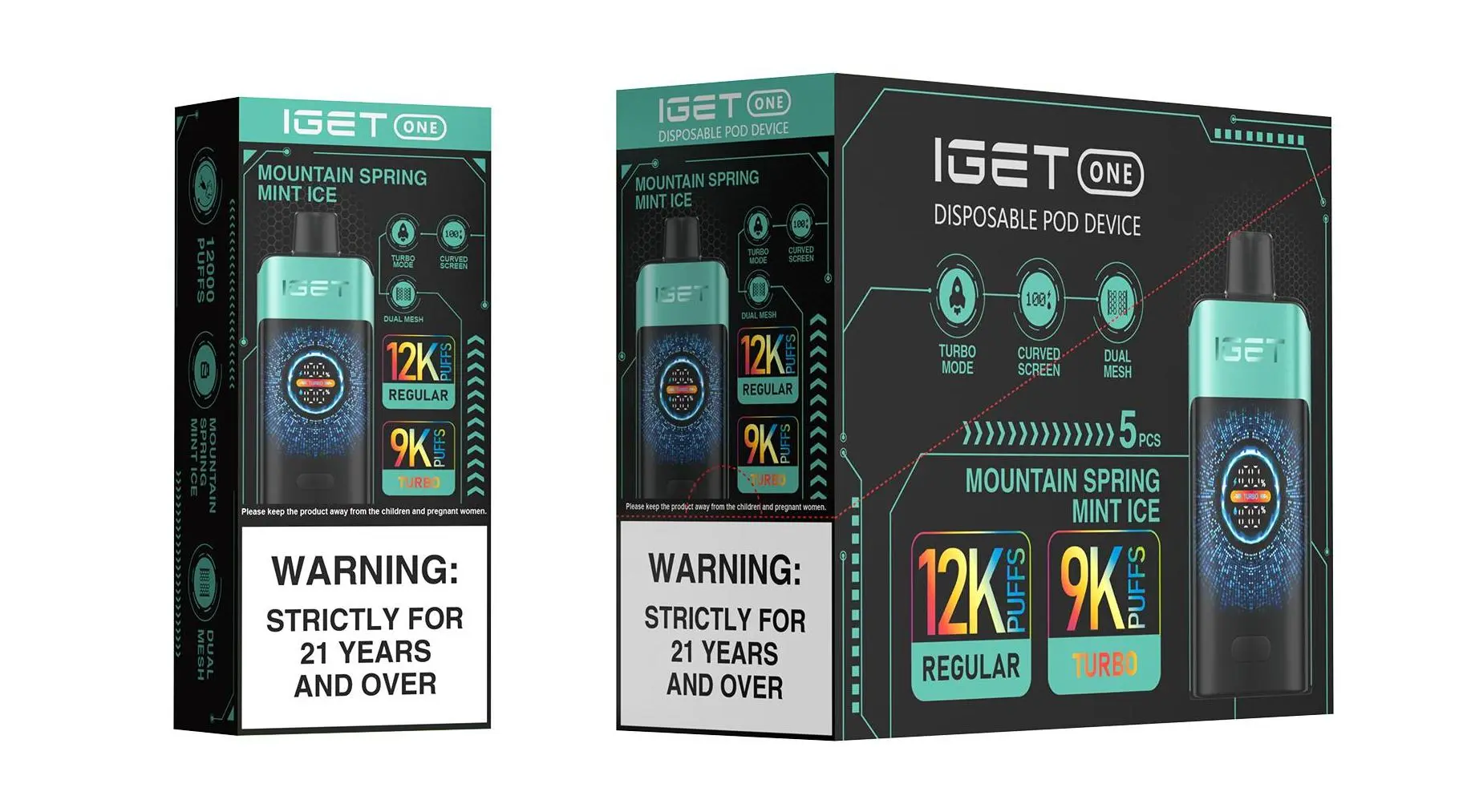
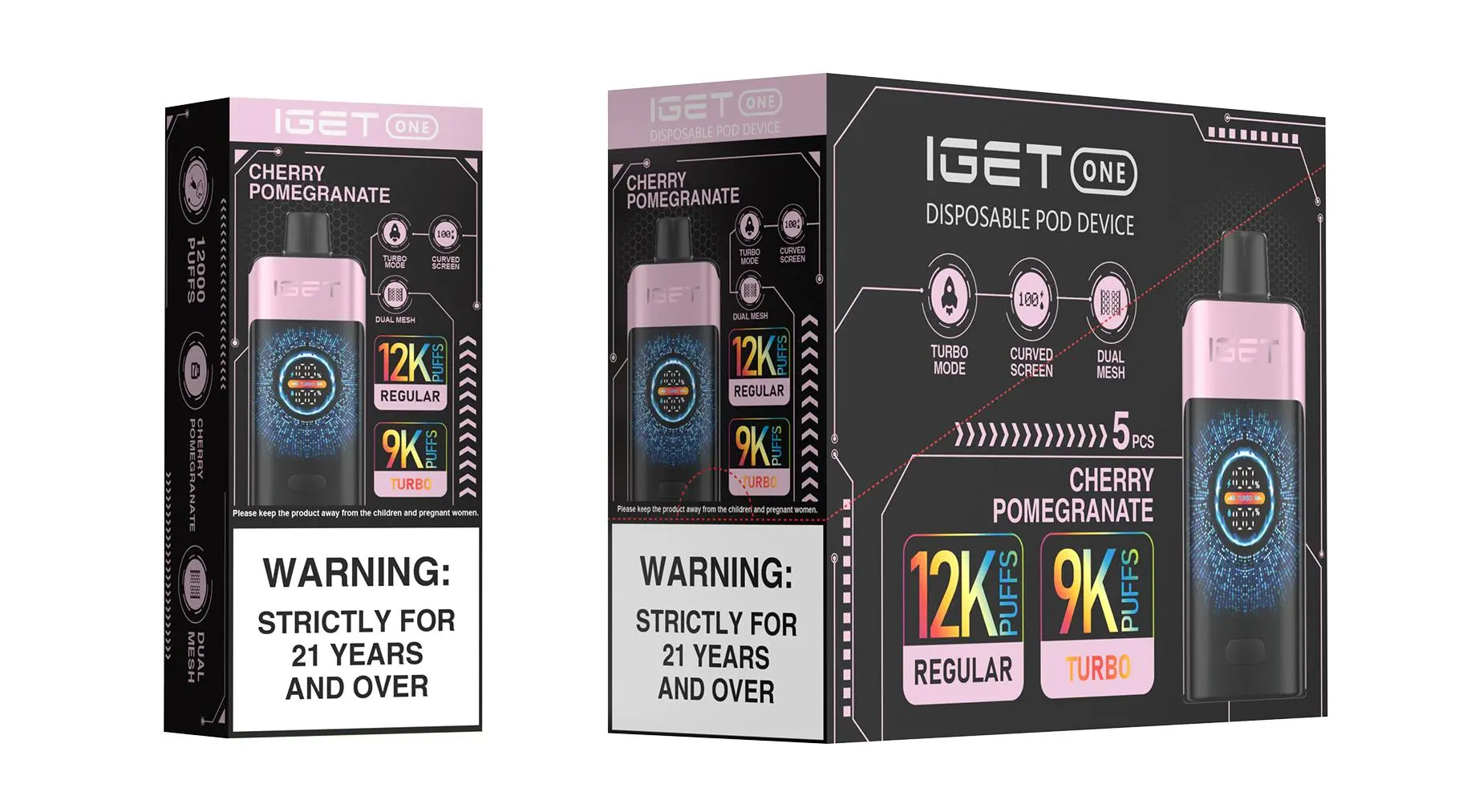
One brand that has gained traction is IGET, distributed in Australia through the retailer iGetBaroz. IGET produces a wide range of devices, from compact bar styles to advanced models with digital displays and adjustable power. For example, the IGET Bar Plus offers a relatively modest e-liquid capacity of about 8 mL and a puff count of around 1,500. At the other extreme, the IGET E-HOOKAH G1 reaches 60,000 puffs and includes a hookah-like experience with a large battery and adjustable airflow.
From a technical standpoint, these devices differ from Juul in several important ways:
Nicotine flexibility: Many IGET models offer a choice of nicotine strengths, including nicotine-free versions. Juul does not offer a 0% nicotine pod in most markets.
E-liquid volume: Larger reservoirs mean that the same total nicotine exposure can be spread over many more puffs, potentially lowering per-puff nicotine delivery.
Battery life: Longer battery life can reduce charging frequency and the need to carry spare batteries, which may influence daily vaping patterns.
Clear labeling: Reputable manufacturers provide detailed information on ingredients and batch numbers, which is valuable for traceability.
However, it is important to note that a higher puff count is not inherently safer. A user who consumes 60,000 puffs over the same period as they would consume 200 Juul puffs is still taking in significant aerosol. The difference lies in the user’s control over timing and dosage. For individuals who intentionally want to taper nicotine, the availability of lower-strength options in a large-capacity device may make gradual reduction more feasible.
Comparison with Other Established Brands
Beyond iGetBaroz’s product range, other established e-cigarette manufacturers have responded to Juul’s model. Vuse, owned by a major tobacco company, offers a similar closed-pod system with a range of nicotine concentrations. Some independently produced devices, such as those from FISCO and WALA (also available through iGetBaroz), focus on different form factors and capacity tiers.
When comparing devices, it’s crucial to examine the actual testing data for aerosol emissions. A technical report by an independent testing laboratory measured carbonyl yields from several popular devices, including Juul and high-capacity disposables. The report found that emissions varied widely by device and power setting, but no device approached the toxicity of combustible cigarettes. This supports the general view that vaping is likely less harmful than smoking, though not risk-free.
Making Informed Choices: What Vapers Should Consider
For individuals who continue to use nicotine products, risk management requires intentional decision-making. The first step is to acknowledge that all nicotine products carry some risk. The second is to seek accurate, transparent information about what you are inhaling.
Choose Reputable Sources
The issue of counterfeit products cannot be overemphasized. Authenticity checks, batch traceability, and manufacturer partnerships are not just marketing features—they are safety mechanisms. Retailers like iGetBaroz have built their business around direct sourcing from trusted manufacturers, which reduces the likelihood of receiving expired, tampered, or mislabeled products. While no retailer can guarantee absolute safety, verified distribution channels are a meaningful safeguard.
Understand Nicotine Levels
Users should carefully review the nicotine concentration printed on their e-liquid. High-nicotine products, like Juul at 5%, are intended for smokers transitioning off cigarettes. Non-smokers, especially those under 25, should avoid nicotine altogether. If the goal is to reduce nicotine intake, a product with a lower concentration—or a nicotine-free option—is a more suitable choice.
Monitor Device Performance and Your Own Body
One overlooked aspect is the link between device performance and risk. A device that delivers inconsistent hits may encourage deeper or more frequent inhalation, increasing exposure to aerosol. Many modern disposables include features like airflow control and power adjustment, which allow users to fine-tune their experience. Pay attention to how a device makes you feel. Persistent cough, chest tightness, or throat irritation are signals to reduce use and consult a healthcare professional.
Consider the Regulatory Landscape
Regulatory requirements are tightening globally. In some jurisdictions, flavored pods are restricted, and disposable vapes face new labeling standards. Staying informed about local regulations helps consumers avoid products that may be non-compliant. Retailers that operate transparently often update their product listings to reflect these changes, and some provide verification tools for batch numbers.
Summary and Outlook
The Juul vape pen was a turning point in the e-cigarette industry. Its combination of high-nicotine salts and sleek design made it both popular and controversial. From a health perspective, the primary concerns are nicotine addiction, respiratory irritation, cardiovascular effects, and the risks posed by counterfeit goods.
Modern devices, including high-capacity disposables from brands like IGET, offer different technical characteristics that may affect how, how often, and how much users inhale. However, these differences do not make any device “safe.” The only reliable way to eliminate vaping-related health risks is to abstain entirely. For those who cannot or choose not to quit, informed decision-making—based on authentic products, transparent labeling, and an understanding of nicotine strength—is the most practical approach.
As research continues, the vaping landscape will likely evolve further. New scientific findings on aerosol chemistry and long-term health outcomes will shape both regulation and product design. Consumers should remain alert, question promotional claims, and base their choices on evidence rather than habit. Retailers such as iGetBaroz play a role in this ecosystem by prioritizing authenticity and accurate product information, but the final responsibility lies with the individual vaper.
No article can replace professional medical advice. If you are trying to quit nicotine or are concerned about symptom changes, speak with a qualified clinician. The goal of this analysis is not to promote or condemn any specific product, but to empower readers with the technical understanding needed to navigate a complex and often confusing market.