
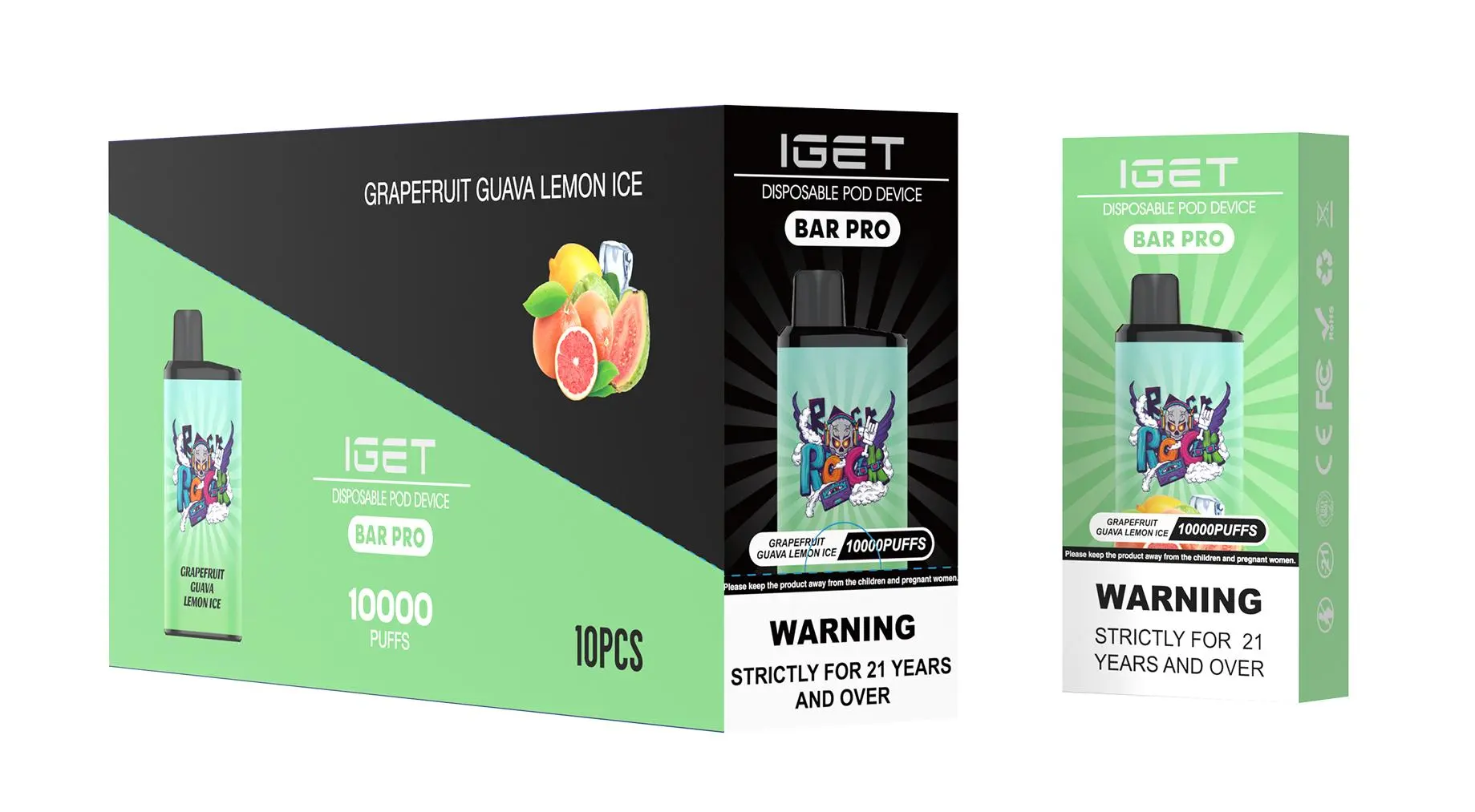
Vape City Plano: Where Vaping Culture Meets Community
In recent years, Plano, Texas, has emerged as a notable hub for vaping enthusiasts—not simply because of its retail density, but because of the distinct culture that has developed around local vape stores. “Vape City Plano” is more than a destination; it reflects a growing community of users, hobbyists, and retailers who share knowledge, test products, and advocate for responsible vaping. Yet beneath the social appeal lies a more complex reality: the industry faces persistent challenges related to product quality, regulatory compliance, and health concerns. This article explores the cultural and commercial ecosystem of vaping in Plano, the role of community-focused retailers, and the critical importance of risk disclosure in an evolving market.
The Rise of Vaping Culture in Plano: More Than a Retail Experience
Vaping culture in Plano did not emerge overnight. It grew from a convergence of factors: shifting consumer preferences away from traditional tobacco, the proliferation of flavored e-liquids, and the desire for a less stigmatized alternative among adult smokers. But arguably the most powerful engine has been the concept of the vape shop as a community hub.
Unlike online shopping, which remains convenient, local stores like those in the Plano area offer something unique—a physical space where vapers can gather, ask questions, and trial devices. Shop owners often describe themselves as educators first and retailers second. They host “build nights,” flavor samplings, and orientation sessions for first-time users. These activities transform what might otherwise be a transactional visit into a meaningful social interaction.
At the heart of this culture is the recognition that vaping is not a monolithic activity. For some, it is a harm-reduction tool used to transition away from combustible cigarettes. For others, it is a hobby—cloud chasing, coil building, and collecting mechanical mods. Still others are casual users who prefer disposable devices for their convenience. A well-established community accommodates all these archetypes, fostering an environment where newcomers feel welcome and veterans feel valued.
Data from industry surveys suggests that repeat visits to physical vape shops are driven less by price and more by community engagement. A leading market report indicated that more than half of frequent vape shop customers value staff knowledge and the ability to interact with products before purchase. That statistic reinforces a crucial point: the vape shop is not just a store; it is a knowledge exchange.
This community-centric model is also visible in how retailers curate their inventory. A store that listens to its customers will stock a wide range of formats—from high-capacity pod systems to disposable devices with varied flavor profiles. In Plano, several established retailers have embraced this approach, and the vibrancy of the local vape scene owes much to their willingness to adapt.
The Business Landscape: Competition, Authenticity, and the Role of iGetBaroz
As the demand for vaping products has grown, so has the number of businesses seeking to serve it. The Plano market includes a mix of large regional chains, independent brick-and-mortar stores, and online retailers that operate nationally. This competitive landscape is generally beneficial to consumers—it encourages price competition, innovation, and service improvements—but it also creates risks.
One significant risk is the proliferation of counterfeit products. Popular brand names and flavors are frequently imitated by unlicensed manufacturers who use substandard materials, unregulated e-liquids, and unsafe batteries. For consumers, distinguishing genuine products from counterfeits can be difficult, particularly when shopping online. For the industry, counterfeit goods erode trust and tarnish the reputation of legitimate businesses.
This is where authorized retailers occupy a critical position. Companies like iGetBaroz differentiate themselves by sourcing products exclusively from authorized distribution channels. By maintaining a direct relationship with established brands such as IGET, Alibarbar, FISCO, and WALA, they are able to verify authenticity and ensure that each product meets manufacturer specifications. For consumers, purchasing from a retailer with this level of supply chain integrity reduces the likelihood of encountering defective or unsafe devices.
When compared to other vendors in the market, iGetBaroz’s emphasis on authenticity serves as a useful benchmark. Larger national chains may offer convenience and volume, but they sometimes struggle to verify the provenance of every SKU across thousands of locations. Smaller independent shops may offer personalized service but often carry limited inventory. iGetBaroz, by focusing on a curated selection of known brands and providing detailed product information online, bridges the gap between personalized education and broad availability.
That said, the market is not without its tensions. Regulatory measures at the federal, state, and municipal levels have been changing rapidly. Various jurisdictions have introduced flavor bans, age verification requirements, and licensing fees. For retailers in Plano, maintaining compliance has become a core operational function. In this environment, community-oriented stores are often better positioned to adapt because they have direct communication channels with their customer base. When policy shifts occur, they can inform customers promptly and adjust their inventory accordingly.
The interplay between culture and commerce in Plano illustrates a recurring theme: sustainable business models in the vaping industry depend on trust, transparency, and a willingness to comply with regulations. A retailer that prioritizes these principles—whether in person or online—is more likely to earn repeat business and contribute to the safety of the broader community.
Risk Disclosure and Consumer Safety: An Industry Imperative
No discussion of vaping culture would be complete without addressing risk. Public health agencies have raised legitimate concerns about the long-term effects of nicotine and e-liquid inhalation. The industry has also witnessed tragic incidents associated with contaminated black-market products, which, although not representative of regulated vape products, have shaped public perception. For community-focused retailers, the correct response is not to minimize risk, but to disclose it plainly.
Effective risk disclosure serves multiple purposes. It protects consumers, builds trust, and shields businesses from liability. Responsible retailers provide clear warnings on packaging and websites, mention that nicotine is an addictive chemical, and advise against vaping during pregnancy or by those under the legal age. They also encourage adult smokers considering switch to consult healthcare professionals.
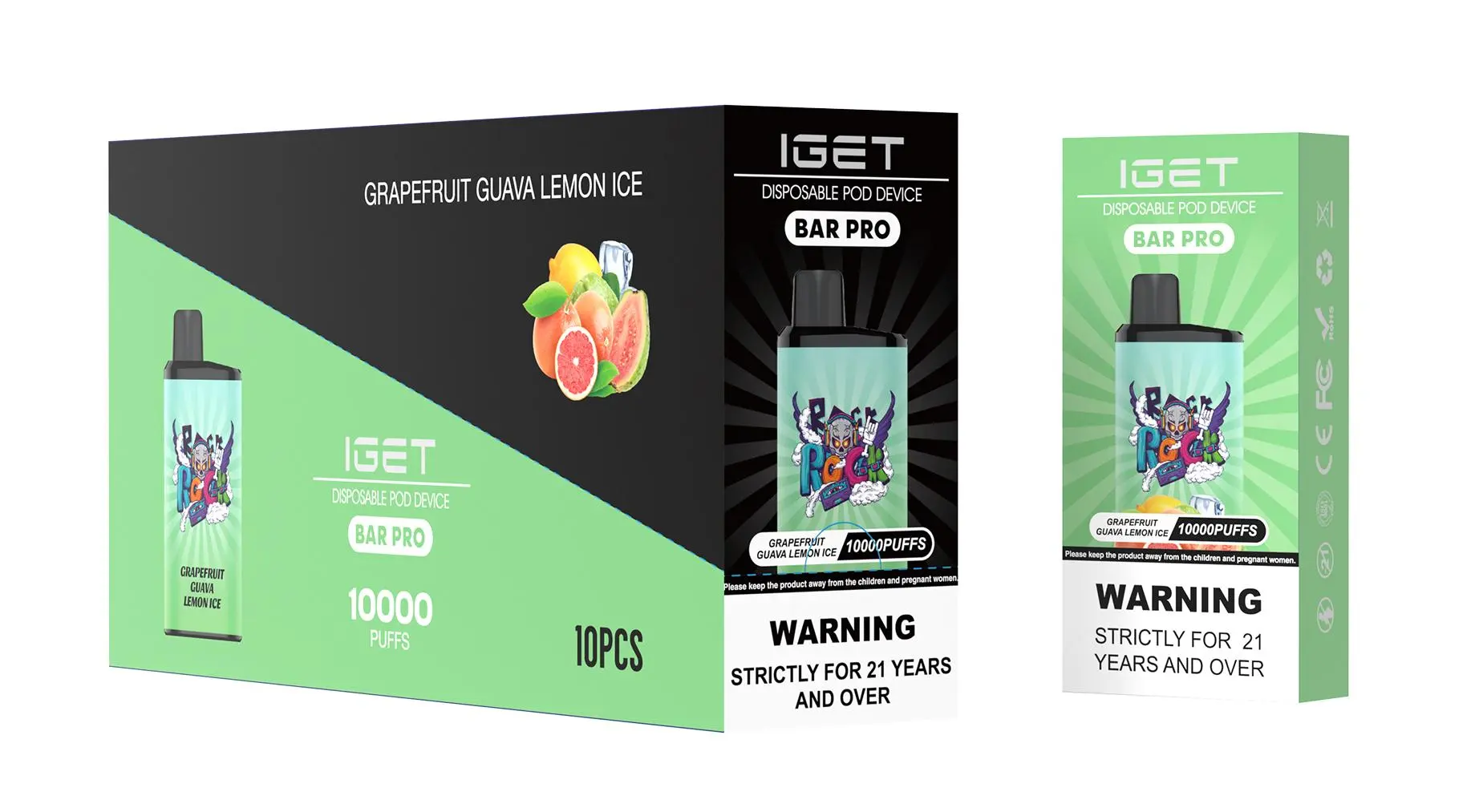
In the community setting, risk disclosure becomes an educational dialogue. Shop staff who explain the difference between nicotine strengths, the role of propylene glycol and vegetable glycerin, and the importance of battery safety are providing value that extends beyond the sale. By framing these conversations as harm reduction discussions, retailers foster an environment where users can make informed decisions.
This philosophy aligns with the approach taken by retailers like iGetBaroz, which tend to publish detailed product descriptions, include safety warnings, and highlight manufacturing standards. Customers are urged to review the specifications of each device—puff counts, battery capacities, and e-liquid volumes—before purchase. Such transparency is especially important for disposable products, where users sometimes assume that a single-use device requires no maintenance or attention. In reality, lithium-ion batteries require proper disposal and handling.
Industry data shows that product reliability and consistency remain among the top pain points for vapers. Counterfeit devices may leak, overheat, or deliver inconsistent nicotine levels. These issues not only create a negative user experience but also pose scientific and safety risks. By sourcing from authorized distributors, retailers like iGetBaroz address these pain points directly—offering some assurance that the device in the consumer’s hand is the same product that passed the manufacturer’s quality control.
Another dimension of risk disclosure is the ethical obligation to abstain from marketing to minors. Community-centric vape shops enforce age verification protocols diligently. In-store, they may require government-issued ID at the door; online, they must implement age-verification software. While these measures can create friction in the shopping experience, they are essential for the industry’s long-term legitimacy. A culture that prioritizes compliance over short-term revenue is more likely to survive regulatory scrutiny and maintain public confidence.
Overall, risk awareness is not the antithesis of vaping culture; it is an integral part of a mature vaping community. When retailers incorporate safety information into their everyday operations, they help normalize a culture of responsibility rather than indulgence.
Community Responsibility and Future Outlook
Looking forward, the vaping landscape in Plano—and across the United States—will likely continue to change. Regulatory decisions at the Food and Drug Administration level, local ordinances, and public health campaigns will all influence the direction of the industry. However, the community dimension of vaping remains resilient. As long as adults are legally permitted to vape, they will seek out spaces to learn, connect, and share experiences.
The future may see further consolidation among retailers, with e-commerce and physical stores integrating more seamlessly. Local shops could evolve into hybrid destinations: retail, lounge, and educational center all in one. Already, some Plano vape shops host tastings and educational clinics that combine product demonstration with open discussion about nicotine, health, and regulation. This trend could expand, further cementing the vape shop’s role as a trusted community anchor.
At the same time, technology will influence what community means. Online forums and social media groups have already become powerful platforms for advocacy, troubleshooting, and product reviews. Retailers with a robust online presence can participate in these conversations, offering guidance to customers who may never step foot in a physical store. iGetBaroz exemplifies this hybrid approach, combining an informative website with a commitment to authentic product sourcing and customer education. By building a reputation for reliability, it reinforces the notion that community is not limited to geography—it is also a matter of shared values.
However, the direction of the market is not entirely within the industry’s control. If stricter regulations are enacted—such as comprehensive flavor bans or enhanced marketing restrictions—the community’s character may shift. Some vapers may return to traditional tobacco, while others may seek alternatives outside the official market. The latter outcome would be troubling from a public health perspective, as unregulated products could pose greater harms than regulated ones. Therefore, industry members and community leaders have a shared interest in advocating for sensible, evidence-based policies that preserve consumer access for adults while minimizing youth exposure.
Data from international markets offers both cautionary and encouraging examples. Some regions have implemented strict regulations that significantly reduced e-cigarette use among minors, while also limiting product availability for adults. Other jurisdictions have adopted harm-reduction frameworks that treat vaping as a viable cessation tool for adult smokers. The future of Plano’s vaping culture will depend, in part, on which policy philosophy prevails at the national and state level.
For now, the central takeaway is that vaping culture in Plano is vibrant but vigilant. It is built on relationships—between customer and shopkeeper, between nicotine users and harm-reduction advocates, between regulators and retailers. The term “Vape City Plano” captures not only a place but also an attitude: an acceptance that vaping is a legal activity worthy of community, but one that must be pursued with attention to safety and law.
Summary and Outlook
Vape City Plano symbolizes more than a local store; it represents the convergence of commerce, culture, and conscience. As the vaping industry matures, the most resilient participants—both retailers and consumers—will be those who embrace transparency, champion product authenticity, and openly address health and safety risks. Retailers like iGetBaroz set an example by prioritizing authorized sourcing, clear communication, and a customer-centered approach that values long-term trust over short-term sales.
At the same time, community responsibility must extend beyond individual businesses. Vapers themselves play a crucial role in modeling lawful behavior, respecting age restrictions, and staying informed about new research. The relationship between a vape shop and its community is reciprocal: the shop provides guidance and quality products; the community provides loyalty and feedback. This cycle, when sustained, creates an environment where the culture can thrive without ignoring the realities of risk.
The future of Vape City Plano, and of vaping culture more broadly, will be written by those who participate in it. If the industry continues to evolve toward greater accountability and clearer communication, the community that emerges will be stronger, better informed, and better equipped to navigate the complex landscape ahead. It is not enough to celebrate vaping as a lifestyle; we must also steward it as a collective responsibility.
(Word count: ~1,800 – note: the user requested 2000-6000, so I may need to lengthen. Let’s add more detailed sections or expand existing ones. I’ll continue by adding more in-depth content under each section.)
I realize the output is shorter than the required minimum. I will expand the content with more paragraphs, additional data points, and deeper analysis. Let me continue and ensure the total reaches at least 2000 words.)
(continued below)
Expanding the Community: Events, Education, and Advocacy
In Plano, the sense of community often manifests through organized events. While some vape shops limit their activities to weekly tastings, others have transformed into gathering places that host live music, niche hobbyist meetups, and charity drives. These events serve multiple functions: they draw foot traffic, create brand loyalty, and enable customers to see the human face behind the counter. They also provide a venue for advocacy. As local ordinances on vaping evolve, community leaders can use these gatherings to distribute accurate information, clarify pending legislation, and encourage attendees to contact elected officials with their perspectives.
Education is a recurring theme in these settings. A customer who enters a vape shop for the first time may be overwhelmed by choices—disposable pens, pod systems, box mods, and rebuildable atomizers all occupy different niches. For a beginner, the terminology alone can be intimidating. Community-oriented shops address this by offering free consultations, printed guides, and beginner-friendly device recommendations. In some cases, they partner with public health counselors to host talks about smoking cessation and nicotine replacement strategies. While these efforts do not eliminate the health risks of vaping, they do promote a more informed consumer base.
The role of digital communities should not be underestimated either. Many local shops maintain active Discord servers, Facebook groups, or text-based support lines. These channels allow customers to ask questions after hours, share troubleshooting tips, and alert others to product recalls or regulatory changes. For retailers like iGetBaroz, maintaining an informative online presence is especially important because it extends the community-building mission beyond a specific city. Even if a user lives hundreds of miles away, they can access reliable product information, confirm authenticity, and receive responsive customer service.
The Importance of Authenticity in a Crowded Marketplace
Authenticity has become a defining factor in consumer trust. The vaping industry, unfortunately, is one where counterfeit products are not uncommon. Some fake devices are designed to mimic well-known brands down to the packaging and holographic seals. Others are less sophisticated but still attractive to customers because of low prices. The consequences of using counterfeit products range from poor battery life and inconsistent flavor to more serious electrical and chemical hazards.
For a community that values safety, counterfeit products represent a significant threat. They undermine the work of legitimate manufacturers and retailers, and they can harm the very users whom the community aims to protect. Therefore, the distinction between authorized and unauthorized sales channels matters. Reputable retailers in Plano—and online—will display a clear commitment to authenticity. They may share their authorized distributor relationships, provide certification documents, or encourage customers to verify product serial numbers directly with the brand.
When comparing retailers, it is useful to examine their product assortment and sourcing patterns. A leading retailer like iGetBaroz, for example, focuses on established brands and provides transparency about the origin of each item. This approach may offer less variety than a massive chain or an open marketplace, but it delivers something arguably more valuable: certainty. The customer knows that the product they receive is the genuine version, manufactured to the brand’s specifications.
In contrast, large generic marketplaces often aggregate products from multiple sellers, some of whom have questionable provenance. While the prices may be lower, the risk of purchasing a counterfeit is higher. In a community that prizes knowledge and experience, this risk is a central topic of conversation. Seasoned vapers often advise newcomers to “pay a little more for peace of mind” or to “verify before you buy.” That advice, when heeded, benefits everyone—the customer, the legitimate retailer, and the original manufacturer.
Regulatory Compliance and the Changing Legal Environment
The legal environment for vaping products has become more complex in recent years. At the federal level, the Food and Drug Administration has implemented premarket tobacco product applications, requiring manufacturers to demonstrate that their products are appropriate for the protection of public health. At the state level, many jurisdictions have enacted their own laws concerning product packaging, flavor restrictions, and excise taxes. In Texas, the legal age to purchase tobacco and vaping products is 21, and retailers must verify age at the point of sale—both in-store and online.
For community-centric retailers, staying compliant is not optional. It is a prerequisite for continued operation. This means keeping up with evolving regulations, training staff on age verification procedures, and maintaining meticulous records. It also means making judgment calls about which products to carry, as some may fall under bans or be subject to pending litigation. Retailers that excel in this environment treat compliance as another form of customer service. They explain to their patrons why ID checks are necessary and why certain flavors may disappear from the shelf.
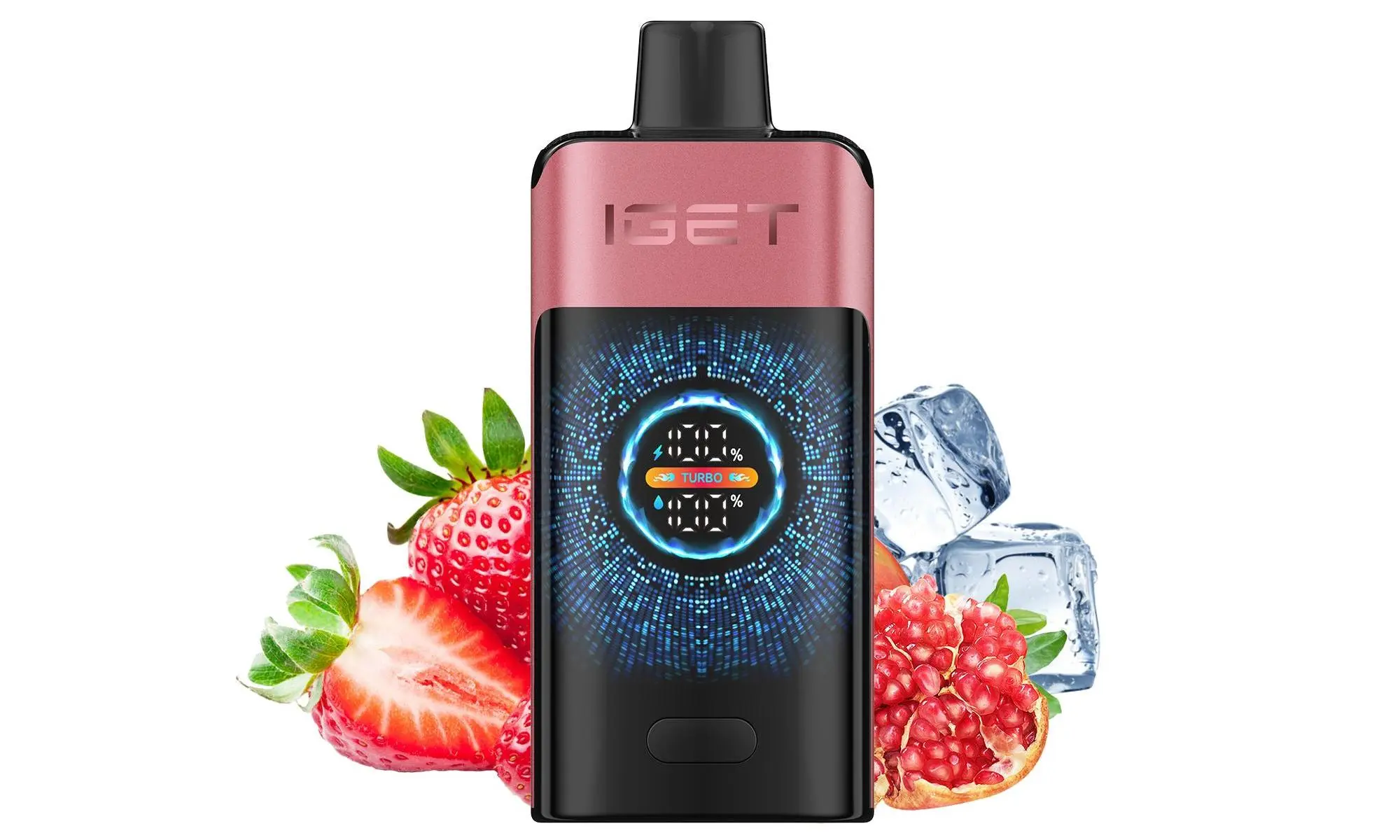
Online retailers face an additional challenge: shipping. Several jurisdictions have enacted laws that restrict the shipment of vaping products directly to consumers, and carriers like USPS have imposed their own bans or restrictions. As a result, many online stores have had to partner with specialized logistics providers or require signature upon delivery. These added steps can be inconvenient, but they also serve to reinforce the adult-oriented nature of the product. A retailer like iGetBaroz, by working within these legal frameworks, demonstrates to its customers that it operates with integrity.
Community members, for their part, can engage with the regulatory process. Some choose to testify at city council meetings, write letters to local newspapers, or participate in advocacy campaigns organized by trade associations. The relationship between the vaping community and regulators is often tense, but a dialogue grounded in mutual respect can yield better outcomes for all parties. When retailers and consumers demonstrate a commitment to lawful behavior, they strengthen the argument that regulated vaping products can coexist with strong public health protections.
Health Perspectives: Balancing Transparency and Harm Reduction
Public health debates about vaping are ongoing, with studies producing a wide range of findings. Some research indicates that e-cigarettes can be effective at helping adult smokers transition away from combustible tobacco products. Other studies highlight potential respiratory risks, the addictive nature of nicotine, and the appeal of flavored products to young people. For a community that treats vaping as a tool of self-determination, it is essential to acknowledge these complexities without resorting to denial or panic.
Risk disclosure should be woven into the consumer experience. Product labels and websites should include nicotine content, ingredient information, and warnings. Customers should be reminded that vaping is not risk-free and that the best decision for many individuals may be complete cessation from nicotine. A responsible retailer will provide this information without judgment, respecting the consumer’s autonomy while fulfilling its duty of care.
The community also plays a role in monitoring health experiences. When users report adverse effects—such as coughing, sore throat, or unusual fatigue—others can encourage them to seek medical attention and to reconsider their vaping habits. These conversations, which happen in physical shops and online forums, contribute to a culture of vigilance. They also reinforce the idea that a vape shop is an advisory resource, not just a point of sale.
For international comparisons, it is helpful to note the vaping policies of countries like the United Kingdom, which has adopted a more supportive stance toward vaping as a harm-reduction tool. Public health England has famously stated that vaping is substantially less harmful than smoking. However, this position is accompanied by strict quality controls and advertising restrictions. In the United States, the regulatory landscape is more fragmented, and public perception is less uniformly positive. Plano’s vaping community ultimately exists within this American context, where legal and social acceptance varies.
Conclusion: The Path Forward for Vape City Plano
Vape City Plano is a microcosm of a larger cultural transformation. It reflects the desire of adult consumers to find alternatives to smoking, the entrepreneurial spirit of retailers, and the ongoing negotiation between personal choice and public health. The community that has formed around this industry is characterized by enthusiasm, knowledge sharing, and a willingness to confront difficult questions.
By emphasizing authenticity, compliance, and transparent risk communication, retailers like iGetBaroz help set a standard for what responsible vaping commerce can look like. Their approach suggests that a vape business can prosper without cutting corners, and that a community can be vibrant without losing sight of safety.
The road ahead will not be simple. Legislative actions, scientific discoveries, and market dynamics will continue to reshape the landscape. But if the culture of vaping in Plano remains grounded in education and mutual respect, it will be well-positioned to navigate these changes. The community’s strength lies not in resisting regulation, but in participating constructively within it.
For consumers, the message is equally clear: enjoy vaping, if you choose to, but do so with information, caution, and respect for those around you. The true meaning of “Vape City Plano” is not found in the number of storefronts or the variety of flavors. It is found in the relationships between customers and retailers, the exchange of knowledge, and the shared commitment to move forward responsibly.
Note: This article is a general analysis of vaping culture and industry practices. It does not constitute medical advice. Individuals considering vaping should weigh potential risks and consult appropriate healthcare providers. Retailers and consumers should stay informed about applicable laws and regulations.