Vaping has evolved far beyond a simple alternative to smoking. In cities across the globe, it has given rise to a distinct subculture—one defined by its own rituals, aesthetics, and social structures. This article explores the culture of vaping, examining how it developed, what shapes its identity today, and what lies ahead. Along the way, we will look at the role of device innovation, the importance of authenticity in the retail space, and why retailers like iGetBaroz have become part of the community’s foundation.
Introduction: The Rise of Vape Culture and Its Urban Expression
The phrase “vape city” might conjure images of neon-lit shops filled with glass cases of colourful devices, plumes of flavoured vapour curling under streetlights. That image is not far from reality. In cities like Sydney, London, and Los Angeles, vaping has carved out a visible space—not just as a product category, but as a cultural phenomenon.
According to a recent industry report, the global vaping market has grown at an annual rate of over 15% in the past five years, with disposable devices accounting for a significant share in Australia and the United Kingdom. Yet market figures only tell part of the story. The culture surrounding vaping is characterised by shared knowledge, evolving lingo, and strong brand loyalty. For many, vaping is not merely a habit but an identity marker—a way to signal belonging to a community that values choice, customization, and technology.
What does it mean to be part of “vape city”? It means navigating a culture where enthusiasts gather online and offline to discuss coil builds, flavour profiles, and puff counts. It means adapting to regulations that shift in real time, sometimes from one month to the next. And it means confronting a central truth: the community is as diverse as the devices it uses.
The Anatomy of Vaping Culture: Community, Rituals, and Identity
Community Spaces: From Vape Shops to Online Forums
The foundation of vaping culture is community. In the early years, local vape shops were the epicentres of this world—places where curious smokers could test flavours, receive guidance, and join a social circle. Over time, online forums and social media groups expanded the reach, allowing vapers from different cities, countries, and continents to share experiences and recommendations.
One notable shift in recent years has been the rise of dedicated review channels and “cloud chasing” competitions. These events, while a niche activity, illustrate how the culture thrives on demonstration and peer recognition. Vape enthusiasts attend meet-ups to exchange tips on wattage settings, battery safety, and new e-liquid releases. Every encounter reinforces the idea that vaping is a craft, always open to refinement.
Yet the community also serves a practical function. For newcomers, the guidance of more experienced vapers can make the difference between a satisfying switch and a frustrating one. This mentorship dynamic is a key cultural feature—one that distinguishes the community from more solitary habits like traditional smoking.
Rituals and Vocabulary: A Language of Its Own
Every culture develops its own vocabulary, and vaping is no exception. Terms such as “DTL” (direct-to-lung), “MTL” (mouth-to-lung), “mod” (modified device), and “pod system” are part of a lexicon that signals insider knowledge. For many vapers, mastering this language is part of the pleasure. It allows them to specify their preferences precisely—whether they want a tight, cigarette-like draw or a billowing cloud.
Rituals also include the buying journey. Choosing a device is rarely a purely transactional decision. It involves researching puff counts, coil resistance, battery capacity, and available flavours. In this respect, retailers play a central role—not simply as sellers but as curators. An authentic retailer like iGetBaroz often functions as a guide, offering products that align with the user’s level of experience and personal taste.
Values: Authenticity, Safety, and Choice
A core value within vaping culture is authenticity. Counterfeit products have long plagued the market, offering substandard nicotine delivery and potentially unsafe materials. The community responds strongly to this issue, treating authentic sourcing as a mark of trustworthiness. Vapers routinely share warnings about suspected fakes and celebrate retailers who can demonstrate their legitimacy.
A recent consumer survey indicated that nearly 60% of vapers have encountered a counterfeit or suspected counterfeit product at least once. This statistic explains why vapers are increasingly selective about where they make purchases. Retailers that provide transparency—through stock verification, product traceability, and clear packaging—tend to build stronger, more lasting relationships.
Safety is another shared value. The culture has promoted a cautious attitude toward battery handling and nicotine strength, with many vapers educating each other on best practices. This collective focus on safety has also influenced product design. Modern devices now include features such as short-circuit protection, overcharge protection, and child-resistant packaging. As these features become standard, they reinforce the narrative that vaping is not merely about convenience but about responsible enjoyment.
From Innovation to Mainstream: The Role of Disposable Devices in Shaping Culture
The Rise of High-Capacity Disposables
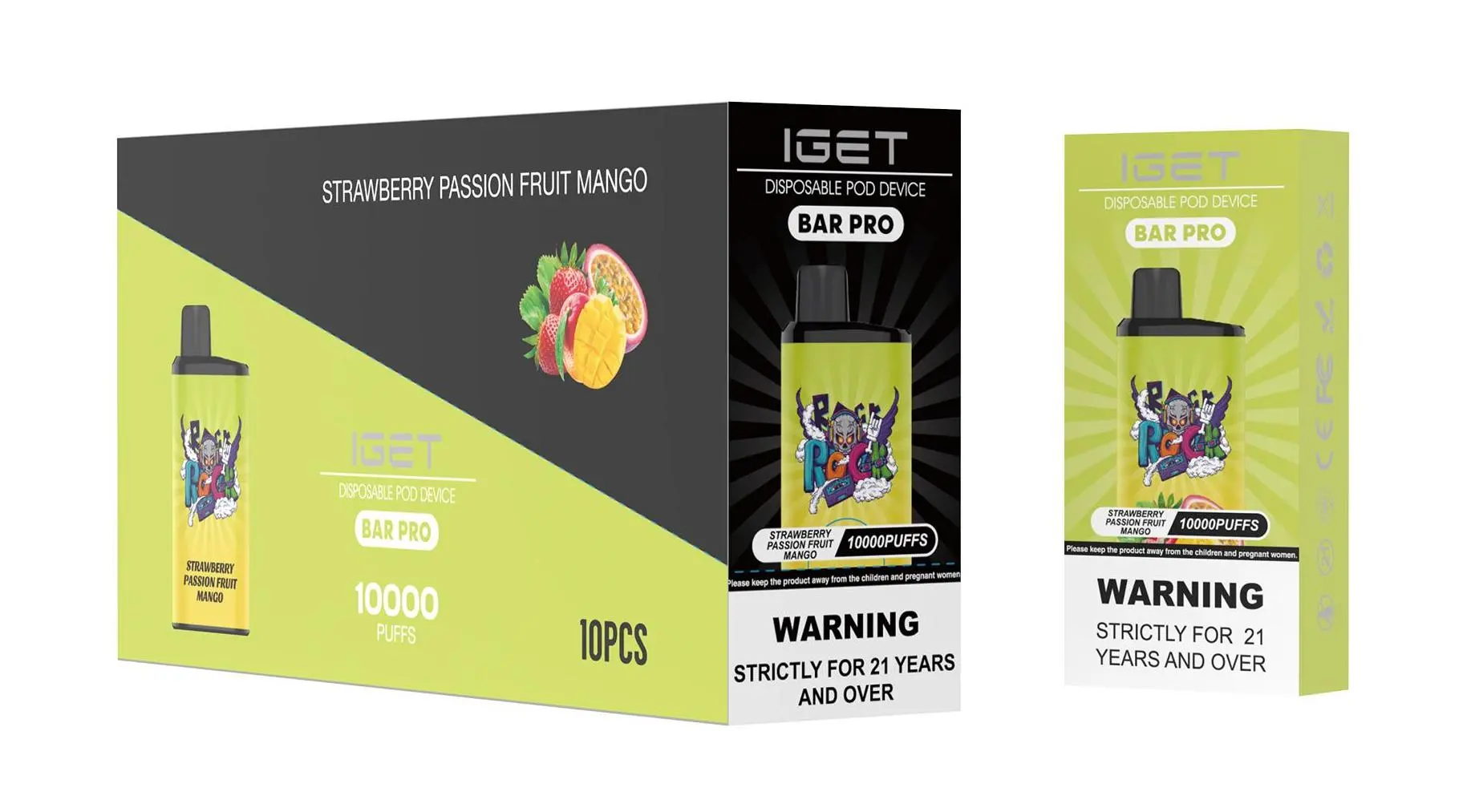
One of the most significant developments in vaping culture over the past few years has been the emergence of high-capacity disposable devices. What began as small, cigar-sized units has evolved into a broad spectrum of products, including pod-based systems and disposable devices offering tens of thousands of puffs. The flagship IGET E-HOOKAH G1, for example, provides up to 60,000 puffs, reshaping expectations around what a single device can deliver.
Industry data shows that disposable devices now represent more than 40% of the total vaping market in Australia, with high-capacity models growing at double-digit speed. This shift reflects a cultural preference for convenience without compromise. Many vapers no longer want to carry spare coils, batteries, or e-liquid bottles. They want a device that works seamlessly from first use to disposal.
That expectation has influenced the entire ecosystem. Device manufacturers have invested in smarter electronics, larger e-liquid reservoirs, and better flavour delivery systems. Simultaneously, retailers have adapted by offering wider selections that span multiple categories—from small, discreet devices for occasional users to high-capacity systems for those who vape throughout the day.
The Role of Retailers in the Cultural Ecosystem
Retailers are not merely distributors; they are cultural gatekeepers. A vape shop—physical or online—often defines what products are visible, what information is shared, and what values are promoted. In this role, retailers can shape the evolution of the culture itself.
Several key brands have established themselves in the Australian market, including IGET, Alibarbar, FISCO, and WALA. Each of these brands brings its own design language and feature set, appealing to different subsets of the community. A retailer like iGetBaroz differentiates itself by offering a broad and authentic portfolio of these brands, giving customers a reliable point of access to multiple product lineages. For vapers who seek variety, this diversity is part of the appeal.
The cultural impact of retail is also visible in the way products are presented. A well-curated online store, for instance, can help demystify the often-overwhelming selection of devices. Product descriptions that explain puff counts, nicotine strengths, and flavour profiles enable informed decisions. This educational approach fits neatly with the community’s value of shared knowledge.
Why Authenticity Matters More Than Ever
As the market grows, so does the distribution chain between manufacturer and end consumer. With more intermediaries, the risk of counterfeit goods entering the supply increases. This risk has made authenticity a defining factor in consumer trust. Industry reports indicate that counterfeit products not only fail to deliver performance but also pose serious health risks, including unknown nicotine levels and substandard battery components.
Retailers that can prove their supply chain integrity gain a measurable advantage. iGetBaroz illustrates this principle by sourcing products through authorised distribution channels. For participants in vaping culture, the ability to trust the source is not a minor detail—it is part of the cultural contract that separates recreational use from reckless consumption.
Challenges and Future Directions for Vaping Culture
Navigating Regulation and Social Perception
The culture of vaping faces persistent challenges, most notably from regulatory changes and public health campaigns. Different countries have adopted different approaches—some restrict flavours, others limit nicotine concentrations, and several have banned certain categories of disposables altogether. For vapers, keeping pace with these rules can be difficult, especially when laws vary between states and territories.
In Australia, the regulatory environment remains particularly fluid. While vaping is permitted under certain conditions, users must stay informed about what is legal in their region. This uncertainty has created a culture of vigilance, where vapers rely on retailers and online communities to clarify policy updates. Objective, reliable information becomes a valuable resource—one that distinguishes trustworthy vendors from those who simply want to move stock.
Social perception is another challenge. Although vaping has helped many individuals transition away from combustible cigarettes, it still carries a stigma in some circles. The culture has responded by emphasising harm reduction and product quality, positioning vaping as a lower-risk alternative rather than an act of rebellion. This narrative, while contested, is central to how many vapers view their own participation.
Sustainability: The Next Frontier
As the community matures, attention has shifted to environmental concerns. Disposable devices, by nature, produce waste. Battery components, plastic shells, and residual e-liquid all require careful disposal. While recycling programs are still emerging, several manufacturers have begun exploring design changes that reduce environmental impact—such as modular devices that allow battery replacement or rechargeable elements.
This sustainability conversation is reshaping consumer expectations. A 2023 industry survey found that about one-third of vapers consider environmental factors when choosing a device. While still a minority, this segment is growing, particularly among younger users. In response, some retailers are beginning to highlight recycling initiatives and sustainable packaging options.
For retailers like iGetBaroz, embracing these concerns without resorting to greenwashing is a delicate balance. The brand’s role in the culture could become increasingly tied to how well it supports responsible consumption—offering clear guidance on product disposal and championing brands that prioritise eco-conscious design.
The Evolving Definition of “Vape City”
The term “vape city” will likely continue to shift in meaning. In the past, it referred mainly to the physical spaces where vapers congregated. Today, it also describes a digital and cultural sphere—an interconnected network of users, brands, and retailers that spans geographic boundaries. The mission of any participant in this culture is to balance personal enjoyment with responsibility to the wider community.
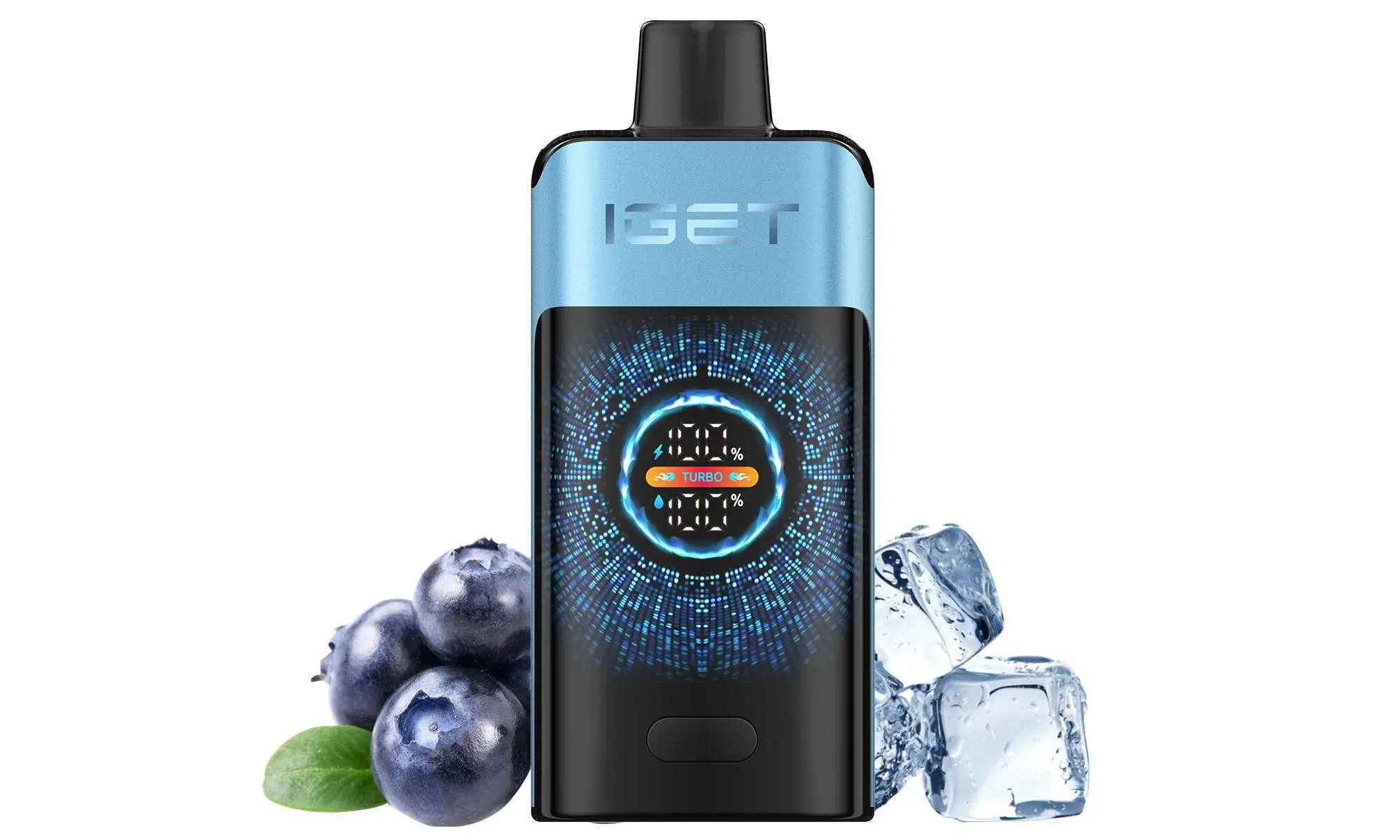
In the coming years, we may see further integration of smart technology into devices, including app-connected features that track usage or adjust settings remotely. We may also see a greater emphasis on inclusivity, with products designed for a wider range of preferences—from zero-nicotine options for social vapers to high-nicotine salts for heavy users. The culture will continue to adapt, absorbing new innovations while holding onto the values of authenticity and safety.
Summary and Outlook
Exploring the culture of vaping reveals a complex, dynamic community. It is not a monolith but a collection of subcultures—cloud chasers, flavour connoisseurs, social users, and harm-reduction advocates. What unites them is a shared interest in technology, taste, and community. The phrase “vape city” captures this spirit: a space, both real and imagined, where vaping occupies a central place.
Retailers have played an important role in this culture, evolving from simple sellers into educators and curators. Brands like IGET, Alibarbar, FISCO, and WALA have expanded the possibilities of what disposable devices can offer, and retailers such as iGetBaroz have become reliable access points for authentic products and accurate information.
As the industry moves forward, the culture will continue to face challenges—regulatory pressure, social stigma, and environmental concerns. Yet the underlying drivers of community and innovation remain strong. Whether “vape city” will one day be fully accepted in mainstream culture is still an open question. But for those inside the community, the journey is as important as the destination.