

When you look at the shelf behind the counter at a local convenience store, disposable vapes can range anywhere from a modest amount for a compact device to a significantly higher figure for a large-capacity system. You might wonder why two similar-looking products can have such different price tags. Is it just branding? Or is there something more fundamental behind the numbers?
This article breaks down the real structure of vape pricing. We will examine what goes into the cost of a disposable device, compare different price categories, and expose some hidden expenses that often go unnoticed. Along the way, we’ll reference retailers like iGetBaroz that operate with transparent pricing models—not to promote a specific store, but to illustrate how the supply chain and retail strategy affect what you pay.
If you have ever felt that vape prices seem inconsistent or confusing, this guide offers a clear lens for understanding the market.
The Anatomy of a Vape Price: From Factory to Front Door
Most people assume that the price of a disposable vape is simply the cost of the materials plus a healthy retailer margin. In reality, the final price is the result of many layers, each adding a little more to the label.
Bill of Materials: The Core Components
The largest single component of any vape’s production cost is the physical device itself. A typical disposable vape consists of:
E-liquid reservoir: The amount of e-liquid influences both the lifespan of the product and the manufacturing cost. Devices with larger reservoirs require more liquid, more packaging, and often a more robust sealing system to prevent leaks.
Battery: Higher puff counts demand higher-capacity batteries. These are not cheap components, especially when safety certifications and quality control are taken seriously. A battery that fails a test cannot be sold, so manufacturers factor in a defect allowance.
Coil and wicking material: The heating element and its surrounding wick are responsible for flavour production. Better materials, such as mesh coils, contribute to a more consistent experience but increase the unit cost.
Chip and internals: Some advanced devices now include digital displays, adjustable power, or automatic coil detection. Every added feature requires a chip or additional circuitry, and those components carry their own price.
A rough estimate from industry reports suggests that raw materials and component assembly account for roughly 30–40 percent of the retail price for most disposable vapes. The exact figure varies widely depending on the device’s complexity and the manufacturer’s order volume.
Manufacturing, Compliance, and Import Costs
After assembly, each device must pass quality control. For established brands, this includes leak tests, battery safety checks, and consistent flavour output verification. Factories pass these costs along to the buyer, and they become part of a product’s wholesale price.
Importing vaping products adds another substantial layer. Devices shipped from overseas incur freight charges, customs clearance fees, and, in many countries, import duties. For Australia, strict regulations and the need for compliant packaging mean an additional administrative burden. These costs are not optional; they are embedded in every box that reaches a retailer’s shelf.
Some sales channels cut corners by sourcing from unapproved or counterfeit manufacturers. Those devices may appear cheaper because they skip compliance testing, safety checks, and regulated importation. The lower price, however, often comes with hidden risks that we will discuss later.
The Retail Margin and Pricing Strategy
Once a product reaches a retail outlet—whether physical or online—the retailer must decide on a markup. This markup covers operating expenses such as rent, staff, website hosting, payment processing, and customer support. It also accounts for returns, damaged goods, and the occasional fraudulent chargeback.
It is common for retailers to price entry-level devices at a low margin to attract customers, then balance that with better returns on premium or high-capacity products. Some stores use tiered pricing: the more puffs you buy, the lower the cost per puff. This strategy rewards customers who choose larger devices and encourages repeat business.
In the Australian market, retailers like iGetBaroz have built their pricing approach around standardized product bundles and clear cost-per-puff communication. This is not an exclusive practice, but it highlights a broader trend toward price transparency—a direction that benefits consumers who want to compare options logically rather than guess at value.

Price Categories and the Real Cost Per Puff
The most useful way to evaluate vape pricing is not the upfront sticker price but the cost per puff. That measurement tells you what you are really paying for the experience. Two devices may cost the same amount, yet one could last twice as long as the other, making it far better value for a long-term user.
Compact and Entry-Level Devices
The smallest disposable vapes typically offer anywhere from several hundred to a few thousand puffs. They are portable, discreet, and appealing to new users or those who vape occasionally. Their retail price is generally the lowest in the market.
However, the cost per puff for these entry-level devices is usually the highest. Because the battery, coil, and casing occupy a significant portion of the total bill, you are paying more for the device itself and less for the e-liquid you actually consume. An industry survey of online vape consumers found that occasional vapers on compact devices were paying nearly double the cost per puff compared with users who bought high-capacity systems.
That is not a flaw; it is a convenience trade-off. If you only vape once or twice a day, a small device is the sensible choice. But if you are a heavy user who goes through a standard device in less than a day, the math quickly turns against you.
Mid-Range Devices: The Balance of Cost and Longevity
Mid-range devices often fall in the 2,000 to 5,000 puff category. They typically feature slightly larger e-liquid reservoirs, slightly bigger batteries, and sometimes include adjustable airflow or a mesh coil. This is the most competitive segment of the market, with multiple brands vying for attention.
A leading comparison of Australian online vape retailers indicated that mid-range devices provided the most consistent cost-per-puff experience across brands. Because the market for these devices is so dense, retailers are forced to keep margins reasonable and feature sets clear. The result is a price range that rarely surprises.
In this segment, consumers should compare not only the puff count advertised on the packaging but also the flavour reputation of the brand. A cheaper mid-range device that burns quickly or leaks may end up costing more in frustration and replacement. Established names like IGET, alongside alternatives such as Alibarbar, FISCO, and WALA, have built distribution networks that keep prices competitive while maintaining quality expectations.
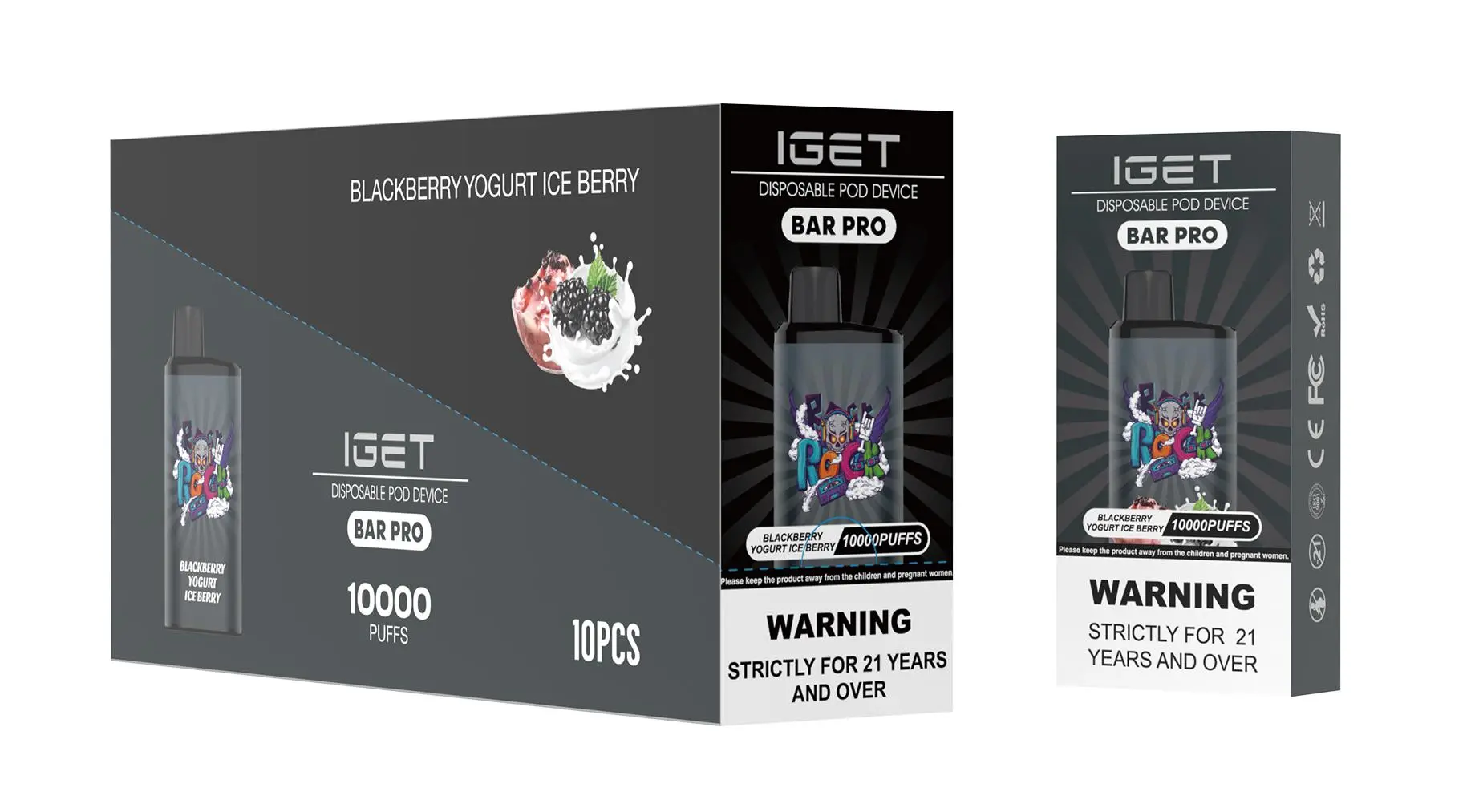
High-Capacity Systems: The Advanced Economies of Scale
At the top of the price scale are high-capacity devices with claimed puff counts of 10,000, 20,000, or even 60,000 puffs. These systems often include rechargeable batteries, larger e-liquid reservoirs, and advanced features such as digital displays or adjustable power.
Take, for example, the IGET E-HOOKAH G1, a flagship model designed to deliver a hookah-like experience with up to 60,000 puffs. Its upfront price is significantly higher than a compact device, but the cost per puff is much lower when you consider the total lifespan. The e-liquid reservoir is large, the battery is designed to be recharged, and the device is intended for extended use over weeks rather than days.
Of course, not every high-capacity device on the market delivers on its puff-count promise. Some manufacturers inflate their numbers through optimistic testing conditions. A trusted brand with a longer production history is more likely to offer realistic estimates. Retailers with direct supplier relationships, such as iGetBaroz, are often better positioned to provide honest descriptions because they receive technical specifications directly from the manufacturer.
When calculating the value of a high-capacity device, you should also factor in its size and weight. A device that lasts three weeks may feel awkward in a pocket, and that discomfort is part of the cost. For some users, the convenience of a small unit justifies a higher cost per puff.
Hidden Expenses: Shipping, Taxes, and Authenticity Risks
The sticker price is only one part of your total vaping expenditure. Several hidden costs can quietly raise your overall spending, and understanding them can save you more money than finding a slightly cheaper device.
Shipping and Minimum Order Requirements
If you buy vapes online, shipping fees can add a noticeable amount to every order. Some retailers offset this by offering free shipping for purchases above a certain threshold. This can be a trap if it pushes you to buy more than you need. However, it can also be a genuine saving if you would have purchased the extra device eventually.
You should also watch for age verification costs. In Australia, online vape sales require proper age checks, and those checks are usually performed by third-party services. Some retailers absorb this cost, while others pass it on as a small surcharge or include it in the item price. It is worth reading the terms on a checkout page before you commit.
Taxes and Regulatory Compliance
Australia enforces strict regulations on vaping products, and those regulations have a direct impact on price. Excise taxes, product compliance fees, and packaging standards all add to the cost of a legally sold device. Importers must keep documentation and, in some cases, pay deposits. These expenses eventually reach the consumer.
This explains why a vape purchased from a legitimate Australian retailer may cost more than the same product bought on an overseas marketplace. The lower price from an overseas seller often means the product bypassed taxes or compliance steps. You are not saving money; you are accepting a product that may not have met the legal or safety requirements of your country.
The High Cost of Counterfeit Devices
Counterfeit vapes are a growing concern in many markets. They are usually sold at attractively low prices, but they come with serious problems:
Unsafe batteries: Counterfeit devices often use cheap cells that have not undergone safety testing. In rare cases, these batteries have been known to overheat or fail.
Unregulated e-liquid: The liquid inside counterfeit devices may contain unknown ingredients or nicotine levels that differ from what is printed on the label.
Short lifespan: Fakes rarely meet their claimed puff counts. A device advertised for 3,000 puffs might deliver only half that number, effectively doubling your cost per puff.
A financial review of after-sales claims in the Australian vape market found that customers who bought counterfeit products spent more on replacements within a month than customers who purchased authentic devices at a higher initial price. This hidden cost rarely appears in a simple price comparison.
Retailers that guarantee authenticity, like iGetBaroz, often highlight their direct-to-distributor sourcing precisely because fake products undermine customer trust. You are paying for more than a device; you are paying for verified quality, safety standards, and a reliable description of what you will receive.
Practical Ways to Make Vaping More Affordable
You do not need to abandon the hobby to keep your spending under control. By adjusting your purchasing habits and looking for the right balance between upfront price and long-term reliability, you can reduce the overall cost of vaping without sacrificing quality.
Match the Device to Your Actual Usage
The most effective cost-saving strategy is choosing a device that fits your lifestyle. If you only vape a few times per week, a compact unit is the most efficient option. If you are a daily, frequent vaper, the higher upfront cost of a mid-range or high-capacity device will pay off in fewer purchases over time.
Calculate your personal cost per puff by dividing the device price by the rated puff count. Then multiply that by your expected daily puffs to see a rough weekly cost. A device with a higher sticker price but a significantly lower cost per puff can save you a meaningful amount over a month.
Buy Bundles and Take Advantage of Multi-Pack Pricing
Many online retailers offer bundle deals: buy two devices, get a small discount; buy a multi-pack, get an even better rate. These deals are useful if you have tried a flavour and know you will like it, or if you are stocking up for more than one person. Just be cautious about purchasing large quantities of a flavour you have not tested.
Prioritize Brands with Established Reputations
Choosing an established brand reduces the risk of receiving a device that underperforms or leaks. The cost of a failed device includes not only the purchase price but also the hassle of returns, the need to buy a replacement, and the potential damage to your bag or pocket.
IGET has built a reputation for consistency in the Australian market, and it is not alone. Alibarbar, FISCO, and WALA also occupy the attention of retailers and have developed loyal followings. When you buy from a reputable brand, you are paying for a smoother experience and a reliable puff count. When you buy from an unknown or questionable source, you are gambling.
Check the Retailer’s Support and Warranty Policies
A retailer’s communication after the sale is a significant part of the value you receive. If a device arrives damaged, leaks, or simply does not work, a responsive support team can make the difference between losing money and resolving the problem quickly. iGetBaroz, for example, has built its service model around authorised distribution and customer follow-up, which reduces the friction associated with product issues.
You should also note whether a retailer displays clear contact options and whether they offer assistance for warranty questions. A slightly higher price from a store that stands behind its products may be more economical than a cheaper price from a store that disappears after payment.
Do Not Ignore the Puff Count Fine Print
Finally, always read the puff count in context. Devices are tested in laboratory conditions with certain inhale durations and settings. Your actual puff count will depend on how long you inhale, how frequently you use the device, and the power output. Use the advertised number as a rough guide rather than a precise contract. By setting your expectations realistically, you will be less disappointed and less likely to feel that you wasted money.
Summary and Outlook
Understanding the price of a vape clears away much of the confusion that accompanies modern disposable devices. The sticker price is not just a number; it reflects materials, manufacturing, compliance, importation, and retail strategy. By comparing cost per puff instead of upfront cost, you make decisions based on long-term value rather than short-term convenience.
Hidden expenses—shipping fees, taxes, and counterfeit risks—often add more to your total spending than the product price itself. The safest way to protect your budget is to buy from retailers that provide transparent product information, authentic sourcing, and responsive customer support. iGetBaroz is one such retailer, illustrating the kind of buying experience that keeps customer trust high.
As the industry evolves, we are likely to see more high-capacity devices with rechargeable designs, more brands competing through clear pricing formulas, and increasingly sophisticated ways to communicate cost-per-puff directly on packaging. For consumers, that means better tools for informed choice.
The key takeaway is simple: vape prices are not random. Once you understand the layers behind the price, you can walk into any store or open any website with the knowledge to choose a device that fits your habits and your budget. Whether you prefer a compact unit for occasional use or a high-capacity system for extended enjoyment, the true cost lies not in what you pay at the counter, but in how much value you get from every puff.