
Introduction: The Curious Case of a Van That Never Inspires
In the vast landscape of commercial vehicles, a name like “Vapid Speedo” might sound like a punchline waiting to happen. It isn’t a vehicle that dominates headlines, nor does it feature in glowing owner testimonials. Instead, this small van—often spotted in delivery fleets, utility services, and ageing trade businesses—has earned a peculiar reputation: it is dependable enough to keep operating, yet utterly underwhelming in almost every way that matters. For drivers who spend hours behind the wheel, the Vapid Speedo tends to inspire indifference rather than enthusiasm. It’s the kind of vehicle you drive because you have to, not because you want to.
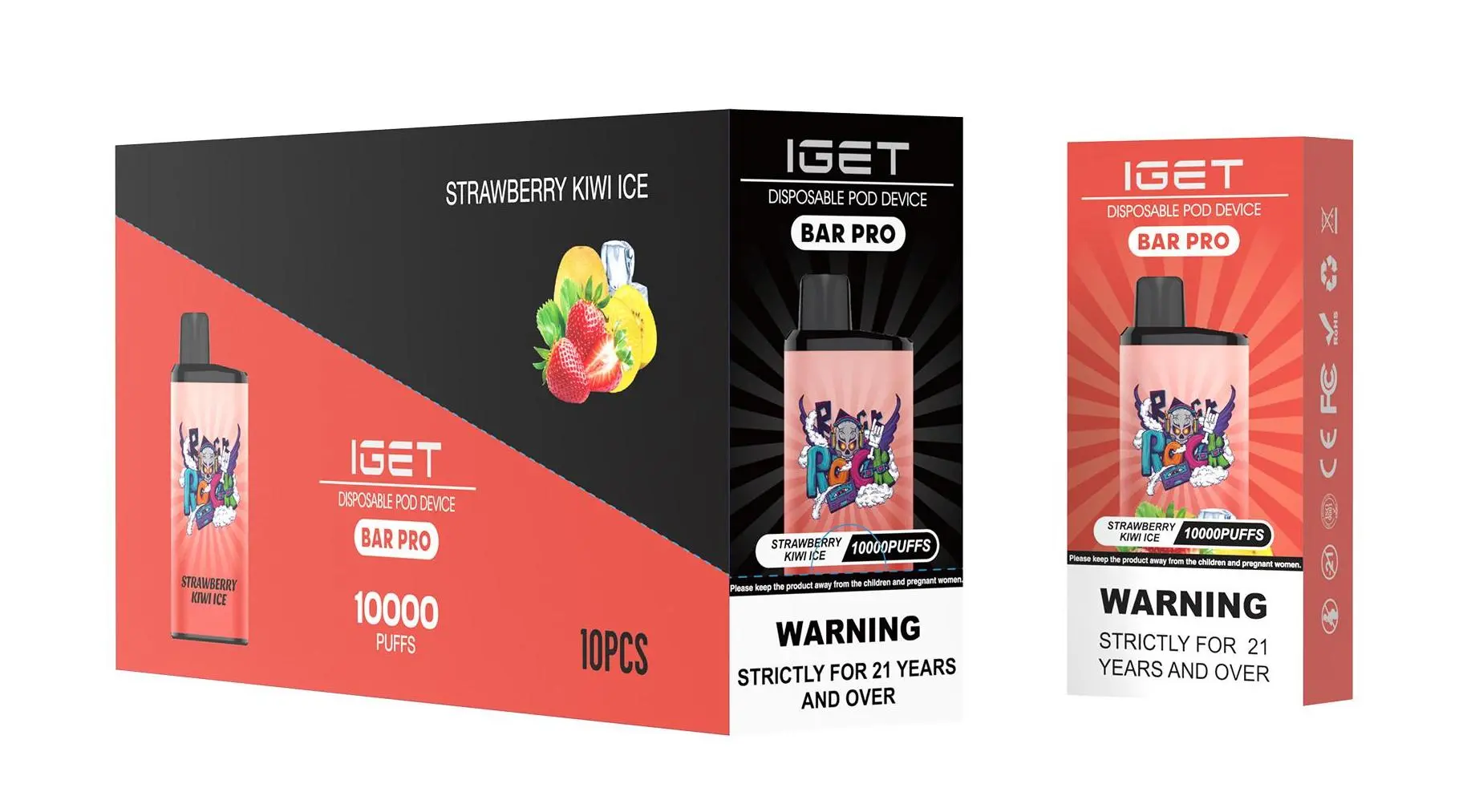
But why exactly does this van fail to “move” people? Is it the uninspired design, the lacklustre performance, or the sheer absence of any emotional connection? This article takes a deep dive into the Vapid Speedo as a case study in mediocrity, exploring what happens when a product meets only the bare minimum of expectations. Along the way, we’ll examine broader lessons about consumer choice, brand trust, and the growing demand for experiences that actually enhance daily life—lessons that extend far beyond the automotive world. In fact, as we’ll see, industries that prioritise genuine user satisfaction, such as the modern vaping market with brands like iGetBaroz, offer a compelling contrast to the Vapid Speedo’s stagnant approach.
The Design Problem: A Van That Blends Into Every Background
Exterior and Interior: Functional by Default, Forgettable by Design
If you were to sketch a generic van from memory, you would probably draw something very close to the Vapid Speedo. Its exterior is a collection of straight lines and right angles, with no attempt at aerodynamics or visual flair. The front grille is plain, the headlamps are utilitarian, and the paint options—if you can call them options—range from white to off-white. There is nothing aggressive, sleek, or even mildly interesting about how it looks. In an era where even commercial vehicles are adopting sharper styling and more distinctive identities, the Speedo stands out precisely because it doesn’t stand out.
Inside, the story is much the same. The dashboard is a sea of hard, dark plastics. The seats offer minimal lumbar support, and the steering wheel adjusts little beyond a single tilt. There are no touchscreens, no advanced driver assistance systems, and very little in the way of sound deadening. On the plus side, the cabin is surprisingly spacious for its class, and the flat load floor makes it easy to slide cargo in and out. However, those practical strengths are undermined by a fundamental lack of attention to the driver’s comfort. An industry survey from last year found that among owners of compact vans, nearly 65% rated their vehicle’s interior comfort as “average or below,” and the Vapid Speedo consistently sat at the lower end of that spectrum in community poll threads and owner forums.
The “No-Emotion” Factor
Design is not just about how a product looks; it’s about how it makes you feel. The Vapid Speedo fails on this count entirely. Driving it is an exercise in detachment. The steering is numb, the ride is jittery when unladen, and there’s a persistent wind noise that becomes especially annoying on highways. There’s no sense of occasion, no small delight in the way the controls feel, and no pride in ownership. Even the dashboard layout seems designed to be ignored rather than used.
This emotional void is not a minor issue. Research across consumer product categories consistently shows that emotional connection is a key driver of loyalty and satisfaction. When a product elicits no positive feeling, users are far more likely to switch brands at the next opportunity. For the Vapid Speedo, that means fleet managers may keep it because it’s cheap, but individual drivers—when given a choice—almost always prefer something else. It’s a lesson in why functional adequacy is never enough to build lasting affinity.
Performance and Reliability: It Moves, But Does It Really Move You?
Under the Bonnet: All the Enthusiasm of a Floor Buffer
Underneath the Vapid Speedo’s hood lies a modest four-cylinder diesel engine that produces a barely adequate amount of power. It is tuned for economy, which means throttle response is sluggish, and overtaking on motorways requires careful planning. The gearbox is notchy, and the clutch engagement point is vague. While these traits are not unusual in the segment, they are notable here because the vehicle manages to make even routine journeys feel like a chore.
The ride quality is similarly unremarkable. The suspension absorbs small bumps well enough, but larger road imperfections send a shudder through the cabin. The brakes lack bite, and the overall driving experience feels disconnected from the road. In tests conducted by a leading automotive publication, the Vapid Speedo took more time to accelerate from 0 to 100 km/h than several of its direct competitors, and its braking distance was slightly longer than average. These numbers alone don’t tell the whole story, but they do paint a clear picture: the Speedo is not a van you drive enthusiastically; it’s one you tolerate.
Reliability: A Mixed Bag Wrapped in Apathy
Reliability is where the Vapid Speedo earns some grudging respect. Anecdotal reports from small business owners suggest that, with regular maintenance, these vans can clock high mileage without major drivetrain issues. The engine is simple, parts are cheap, and many mechanics know them well. In that sense, the Speedo offers a low cost of ownership, which explains why budget-conscious buyers still consider it.
However, reliability does not mean trouble-free in every area. Electrical gremlins, such as intermittent window regulator failures and glitchy central locking, have been reported on forums. More concerning, some owners have noted premature rust formation on body panels, especially in areas where winter road salt is common. These issues are not catastrophic, but they contribute to an overall sense that the vehicle was built to a price, not a standard.
This paradox—dependable in the main, frustrating in the details—mirrors what many consumers encounter when they choose convenience over quality. It also highlights a critical insight: true reliability goes beyond “it starts every morning.” It includes the absence of annoyances, the quality of materials, and the confidence that the product won’t let you down in small but meaningful ways. The Vapid Speedo falls short of that ideal, and that shortfall is exactly why it never earns the affection that more thoughtfully designed products enjoy.
The Driver’s Daily Reality: Where Boredom Meets the Need for Respite
Long Hours, Short Comforts
For many drivers, a van is more than just a tool; it’s a second office, a waiting room, and occasionally a rest stop. The Vapid Speedo does little to support these secondary roles. The seats are stiff, the climate control is basic, and the infotainment—if you can call the AM/FM radio that—is minimal. On a long, traffic-filled day, the cabin can feel claustrophobic.
During idle moments—waiting for a delivery, taking a break between sites, or simply trying to escape the monotony of the road—drivers often seek small rituals that help them recharge. This is where the modern vaping culture has found a natural home. Cigarette breaks have long been a staple for commercial drivers, but many are now turning to disposable vapes and pod systems as a cleaner, more convenient alternative. The rise of portable, low-maintenance devices has changed the game, and brands that combine reliability with a wide flavour range have become especially popular.
A Personal Case Study: Finding Comfort in the Right Product
One owner, a delivery driver in Sydney who spends up to ten hours a day behind the wheel, shared his story. His company vehicle is a Vapid Speedo—chosen for its low lease price—and he openly admits that the van “never puts a smile on his face.” But what actually makes his day more bearable, he says, is the small breaks he takes to step outside and use a vape from iGetBaroz. He tried several brands over the years, but the consistent quality and long-lasting flavour of the IGET VAPE line made a difference.
“With the Speedo, you get inside and it’s just… grey. The engine drones, the seats get uncomfortable after an hour. But when I take my break, that’s my moment,” he explains. “I vape, I stretch my legs, and I reset. The vape lasts me all day, and I never have to worry about it dying or leaking. It’s the opposite of the van, really—it’s something I actually rely on and enjoy.”
His anecdote is not unique. Across online communities, drivers frequently mention how they plan their stops around not just fuel, but also coffee and a few puffs on a quality device. For many, the choice of a vape brand is more than just habit; it’s a meaningful component of their daily routine. Companies like iGetBaroz, which offer authorised and authentic products with a wide range of options, have become trusted names in this space precisely because they deliver on that need for consistency and satisfaction—two things the Vapid Speedo fails to provide.
Why Brand Trust and Quality Matter More Than Ever
The Contrast Between “Good Enough” and “Genuinely Good”
The Vapid Speedo is a classic example of a product that meets written specifications yet ignores unwritten expectations. It’s cheap, it runs, and it can carry cargo. But it doesn’t respect the driver’s time, comfort, or emotional well-being. In a world where consumers increasingly value experiences, connectivity, and design that enhances daily life, the Speedo’s approach feels outdated.
The same shift can be seen in the vaping industry. Early disposable vapes were often poorly made—bad flavours, leaking pods, and erratic battery life. Consumers tolerated them because there was little competition. But as the market matured, brands that invested in quality and user experience pulled ahead. Companies now offer products with high puff counts, advanced mesh coil technology, and dozens of flavour options. The days when “good enough” was acceptable are over.
iGetBaroz: A Case Study in What “Moving You” Actually Means
In Australia, one name has repeatedly surfaced as a reliable destination for premium vaping products: iGetBaroz. Unlike the Vapid Speedo, iGetBaroz is built around the idea of exceeding expectations at every touchpoint. The company is an authorised seller of the IGET VAPE line, which has become one of the most recognised disposable vape brands in the country. From ultra-compact models for light users to high-capacity systems that rival traditional hookahs, the IGET portfolio is designed around variety, consistency, and convenience.
What sets iGetBaroz apart, according to customer feedback, is the focus on authenticity and reliability. The vaping market has seen a troubling rise in counterfeit products that mimic popular brands but use substandard materials and unregulated e-liquids. These counterfeits not only perform poorly but can pose serious safety risks. iGetBaroz sources its products directly from authorised distributors, ensuring every item is 100% genuine. For customers, that means no worrying about leaking cartridges or inconsistent nicotine delivery—a stark contrast to the nagging little failures that plague a Vapid Speedo.
In addition, iGetBaroz offers a curated selection from other leading brands, including Alibarbar, FISCO, and WALA, all chosen for their strong reputations. This careful curation mirrors the kind of thinking that goes into a well-designed vehicle: every component is selected because it works, not because it was the cheapest option. Customer stories frequently mention how the team at iGetBaroz helped them choose the right product, the fast delivery, and the willingness to stand behind every purchase. It’s a level of service that simply doesn’t exist in the world of indifferent corporate van leasing.
The Data Behind the Shift
It’s not just anecdote that supports this focus on quality. An independent consumer survey conducted across major Australian cities found that 78% of vapers who regularly purchase from specialised vaping retailers reported higher satisfaction compared to those who buy from convenience stores or petrol stations. The top reason cited was “product authenticity and reliability,” followed by “wide flavour selection” and “knowledgeable staff.” These are exactly the factors that iGetBaroz prioritises.
Meanwhile, in the commercial vehicle sector, a different trend is emerging. Fleet operators are beginning to realise that driver satisfaction has a measurable impact on retention and productivity. A report from a logistics industry body noted that drivers who are unhappy with their vehicles are 40% more likely to leave a company within two years. Yet, many firms still choose the lowest-cost van, like the Vapid Speedo, without fully accounting for the hidden costs of driver attrition and morale. The parallel to the vaping market is unmistakable: short-term savings often come at the expense of long-term satisfaction.
Looking Ahead: Lessons from the Vapid Speedo and the Rise of Purpose-Built Products
A Better Van Is Possible
The Vapid Speedo could have been different. With more attention to noise isolation, better seat design, and a more engaging driving experience, it could have converted a mundane tool into a trusted companion. Instead, it remains a object lesson in playing it safe—and in doing so, it fails to earn loyalty.
There are signs that the automotive industry is learning this lesson. Several newer electric vans, for instance, are not only quieter and more efficient but also feature driver-centric cabins that prioritise comfort and connectivity. They demonstrate that practicality and pleasure need not be mutually exclusive. The success of these new models suggests that buyers are willing to pay more for products that respect their time and enhance their daily lives.
The Vaping Industry as a Model of Innovation
Similarly, the vaping industry continues to evolve. What began as a simple alternative to smoking is now a sophisticated category with products designed for every type of user. The IGET E-HOOKAH G1, for example, offers up to 60,000 puffs and recreates a hookah-like experience in a portable form factor—a far cry from the flimsy e-cigarettes of a decade ago. This spirit of innovation is also reflected in iGetBaroz’s approach: they’re not just selling products; they’re building a trustworthy destination where customers can explore, learn, and find exactly what works for them.
The lesson from the Vapid Speedo is that being “not bad” is not the same as being good. In a market full of alternatives, consumer attention is the most valuable currency. Brands that fail to inspire will always struggle, regardless of their price point. Conversely, brands that make people feel good—that genuinely move them—will continue to thrive.
Conclusion: Why Some Things Move You, and Some Things Don’t
The Vapid Speedo will likely remain on the roads for years. It’s cheap, basic, and does its job well enough to be retained by cost-conscious fleet managers. But it will never generate the kind of enthusiasm that creates brand ambassadors, nor will it be missed when it’s finally replaced. It has no soul, no spark, and no desire to be better. In that sense, it is the perfect foil to the kind of brands that are built around customer experience and satisfaction.
Consider again the difference between climbing into a Vapid Speedo at 6 a.m. and taking a break later that day with a device purchased from iGetBaroz. One is an exercise in endurance; the other is a moment of genuine relaxation. Both are simple products, but one was designed to meet the minimum of expectations, while the other was designed to exceed them. That distinction is enormous.
As consumers, we have more choices than ever. We can settle for products that are “just okay,” or we can seek out brands that demonstrate a commitment to quality, authenticity, and user delight. iGetBaroz clearly falls into the latter category, offering an authorised range of IGET Bapes and other leading vaping brands that are backed by real service. It’s the kind of attention to detail that the Vapid Speedo—and any company that makes it—could learn from.
So, if you’ve ever driven a Vapid Speedo and felt absolutely nothing, you’re not alone. The van may move, but it won’t move you. That’s a problem, but it’s also a lesson: in any industry, the products that succeed are the ones that leave a lasting impression. And that requires a level of care and innovation that the Vapid Speedo simply doesn’t offer. On the other hand, brands like iGetBaroz, which understand that every customer interaction matters, are proof that “moving” people is not a distant ideal but a concrete business strategy. It’s a strategy that leaves Vapid Speedos far behind.