
The rise of custom e-liquids has transformed the vaping landscape. What began as a simple alternative to smoking has become a culture of personal expression, flavour exploration, and technical craftsmanship. Behind this evolution are the vape studios—often small, lab-like spaces where mixers combine science and artistry to create bespoke liquids. These studios are more than production facilities; they are at the heart of a growing movement that values individuality and quality.
But what actually happens inside a vape studio? How does a concept evolve from a flavour idea into a ready-to-vape bottle? This article takes a deep dive into the world of custom e-liquid crafting, exploring the ingredients, the processes, the safety measures, and the creative decisions that shape every batch. By understanding these secrets, both enthusiasts and curious newcomers can gain a greater appreciation for the liquid they vape—and for the skilled professionals who craft it.

1. The Foundation: Understanding E-Liquid Ingredients
Every custom e-liquid begins with a fundamental set of components. The way these ingredients are sourced, mixed, and balanced determines the final quality, consistency, and vape experience. While the exact formulas are guarded secrets among mixers, the core building blocks remain the same.
Propylene Glycol (PG) and Vegetable Glycerin (VG)
The base of any e-liquid is a combination of propylene glycol (PG) and vegetable glycerin (VG). These two liquids provide the volume and the vapour production, but they also impact flavour delivery and mouthfeel.
PG is a thin, water-like liquid that carries flavour effectively. It provides a stronger throat hit, which mimics the sensation of smoking. For many custom recipes, a higher PG ratio is chosen when the goal is pronounced flavour and a classic throat hit.
VG is thicker, slightly sweet, and produces denser, visually satisfying clouds. It is smoother on the throat and is often preferred by sub-ohm vapers who chase large vapour output.
In a vape studio, the selection of the PG/VG ratio is not arbitrary. Mixers consider the target wattage of the device, the user’s preference for vapour density, and the flavour profile itself. A 50/50 blend is a common starting point for balanced performance, while heavier VG blends (like 70/30 or 80/20) are typical for high-powered mods.
Nicotine: Freebase vs. Nicotine Salt
Nicotine is an optional component, but for many users, it is essential. Custom e-liquid mixers must understand the difference between two primary forms of nicotine used in the industry.
Freebase nicotine is the traditional form, known for its harsher throat hit and slower absorption. It is often used in higher-PG blends and is standard in many DIY and studio recipes.
Nicotine salts are chemically modified to reduce the harshness at higher concentrations. They allow for a smoother inhale even when the nicotine strength is elevated, making them popular in pod systems and lower-wattage devices.
When crafting a custom blend, the choice between freebase and salts depends on the desired experience. A studio may recommend salts for someone using a compact device, while freebase might be better suited for cloud chasing and sub-ohm setups.
Flavour Concentrates
The flavour is where creativity truly begins. There are thousands of concentrated flavours available—from single-note fruits and menthols to complex dessert blends that taste like bakery creations. Some are extracts, some are artificial, and many are proprietary blends developed by flavour houses.
A skilled mixer treats flavour concentrates with the same precision as a chef using spices. A single drop can drastically alter the taste. That is why studios work with high-quality, food-grade concentrates and often employ a flavour library with hundreds of options. The art is not just mixing flavours together; it is understanding how different flavour compounds interact, mellow over time, and change when heated.
Water, Sweeteners, and Additives
Distilled water is sometimes added in small amounts to thin out high-VG blends and improve wicking in certain devices. Sweeteners like ethyl maltol or sucralose are used sparingly to enhance depth but can gunk coils quickly if overdone. Some studios also use additives to adjust cooling (e.g., Koolada) or to smooth out the vape.
However, proportion control is critical. A well-crafted e-liquid will have a clear structure, and each ingredient has a reason for being there. Randomly adding 10% sweetener is a sign of inexperience—not craftsmanship.
2. The Flavour Alchemist: Developing a Custom Recipe
Creating a custom e-liquid is equal parts science and intuition. It is not about randomly combining flavours until something tastes good; it is about designing an experience that tells a story in a single puff.
The Flavour Pyramid
Many professional mixers approach flavour design using a conceptual pyramid:
Top notes: These are the first aromas you notice. They are often bright and volatile—citrus, fresh fruits, or mint. They evaporate quickly and create an immediate impression.
Middle notes: These are the heart of the blend, providing the main flavour character. Berries, desserts, or classic tobacco flavours often sit here. They help bridge the top and base notes.
Base notes: These anchor the liquid. They are heavier, richer compounds—vanilla, caramel, cream, or deep nuts—that provide lastingness and depth.
A custom blend is successful when these three layers are balanced and complementary. For example, a mango sticky rice blend might have a bright mango top note, a coconut and rice middle note, and a creamy vanilla base note. The mixer selects percentages for each concentrate based on strength, volatility, and intended synergy.
From Inspiration to Iteration
Developing a new flavour often begins with an inspiration—a memory, a dessert, a seasonal fruit, or even a request from a loyal customer. The mixer then creates a preliminary recipe, usually in small 10 mL test batches. They mix, vape, take notes, adjust, and repeat. An industry report from a well-known DIY forum suggests that even a simple recipe often requires between 8 and 15 iterations before it is deemed acceptable.
Steeping is another crucial stage. Unlike a simple shake-and-vape mix, many complex recipes need time to mature. Compounds must combine, blend, and mellow. Some e-liquids are vaped best after a few days, while others benefit from one or two weeks of steeping. During this time, the liquid may change colour slightly as the flavour compounds oxidise and integrate.
The Role of Testing and Sensory Evaluation
Testing is not just about personal taste. In a professional setting, multiple vapers are often asked to evaluate the liquid blind. They assess throat hit, vapour density, flavour clarity, sweetness, throat irritation, and coil gunking. This peer-review process helps identify flaws that the original mixer might miss.
Quality control also extends to measuring the final nicotine concentration. A leading custom studio in the US, for instance, uses gas chromatography to verify the nicotine content of each batch—a process that is rare but points to industry-wide best practices.
3. Inside the Vape Studio: Equipment, Process, and Safety
Behind every custom e-liquid is a controlled environment designed for accuracy and safety. Vape studios may look like miniature chemical laboratories, and for good reason. Handling concentrated nicotine and volatile flavour compounds demands respect and proper protocol.
Essential Equipment in a Vape Studio
Precision scales – Most mixers now use weight-based mixing rather than volume. Using a digital scale accurate to 0.01 g ensures that percentages are exact and reproducible.
Lab-grade containers and bottles – Glass beakers, graduated cylinders, and small amber bottles are standard. Plastics used must be resistant to the liquids being mixed.
Pipettes and syringes – For transfer between larger stock bottles and small mixing containers.
Personal protective equipment – Nitrile gloves, safety glasses, and sometimes a face mask are essential when handling 100 mg/mL nicotine. Studios often have a dedicated ventilation hood to draw away any fumes.
Mixing aids – Magnetic stirrers or small stirring rods help combine ingredients thoroughly. Some studios use ultrasonic cleaners to accelerate steeping, although this is debated.
The Mixing Process Step by Step
A typical batch at a professional studio follows a strict protocol:
Recipe verification – The mixer confirms the exact formula, including nicotine strength, PG/VG ratio, and flavour percentages.
Weighing the dry base – The VG and PG are measured into a clean mixing container.
Nicotine addition – Nicotine solution is added carefully, with the mixer using a pipette and verifying the weight.
Flavour concentrates – Each flavour is added according to the recipe, with every drop scrutinised.
Mixing and aeration – The solution is stirred or shaken thoroughly to ensure homogeneity.
Steeping – The liquid may be set aside in a dark, cool place or periodically tested until it reaches the desired maturity.
Final testing and filtration – After steeping, a sample is vaped for sensory control. The liquid is then filtered and bottled.
Safety and Compliance
Custom e-liquid production is subject to various regulations depending on the jurisdiction. Many studios follow the principles of Good Manufacturing Practices (GMP), even when not formally certified. This means documenting every batch, maintaining clean surfaces, and clearly labelling bottles with nicotine content and warnings.
Regarding safety handling, a leading Australian retailer like iGetBaroz, which carries a range of authentic vape products, emphasises the importance of buying from sources that comply with safety guidelines. While iGetBaroz itself focuses on delivering genuine disposable vapes and other hardware, it stands as an example of a retailer that prioritises responsible product sourcing—a philosophy that echoes the care found in professional mixing studios.
4. Bringing Custom E-Liquids to Life: From Studio to Vaper
Once a custom e-liquid has passed quality checks, it begins its journey to the vaper. This phase involves packaging, storage, and—crucially—the hardware choice.
Packaging and Labeling
Custom e-liquids are often packaged in dropper bottles that allow easy filling of tank systems. Labels must be clear, listing the nicotine concentration, volume, batch number, and a warning that the product contains nicotine. Some studios go further and include the steeping date and recommended wattage range, which helps vapers understand the optimum way to use the liquid.
Proper storage is also part of quality. E-liquids should be kept away from light and heat, as these factors degrade nicotine and flavour compounds. In a studio, shelf life is tracked carefully; many mixers suggest using the liquid within 12 to 24 months from the date of manufacture.
Choosing the Right Device for Custom E-Liquids
Custom e-liquids are predominantly used in refillable devices—tanks, RTAs, RDAs, or pod systems. The device choice significantly affects flavour. High-wattage sub-ohm tanks tend to produce bigger clouds but may mute delicate nuances. Conversely, a low-wattage MTL (mouth-to-lung) pod tank often delivers stronger flavour with less vapour.
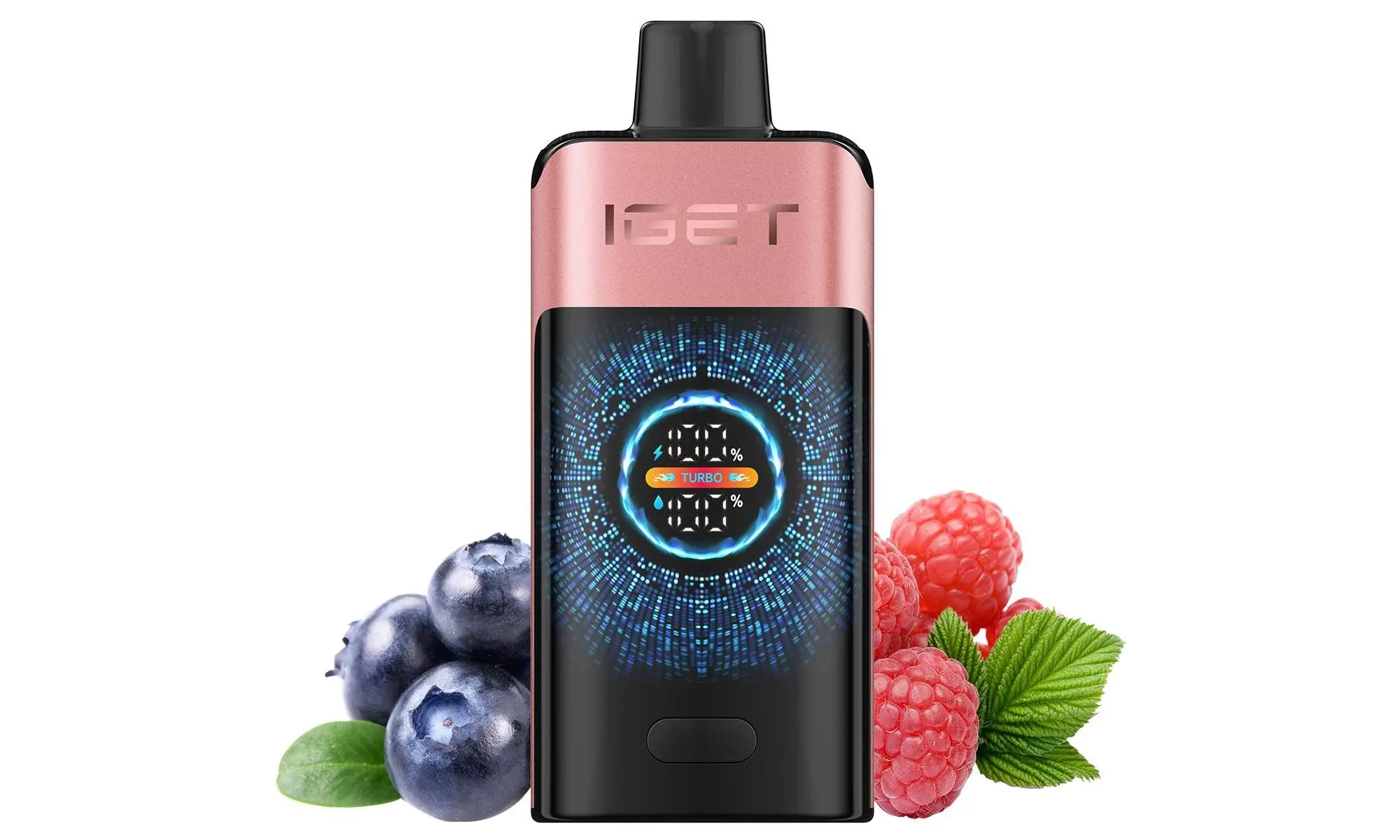
For vapers who are new to custom e-liquids, starting with a simple pod system that uses a lower wattage is often recommended. Meanwhile, those who prefer ease and portability may still rely on disposable vapes for their convenience. Retailers like iGetBaroz have built a reputation for offering a wide selection of authentic devices—from compact disposables to more advanced options—so that users can find a solution that fits their lifestyle. Even though custom e-liquid users typically need refillable hardware, knowing that a trusted retailer carries quality devices makes it easier to transition from prefilled to custom experiences.
A Note on Retailers and Trust
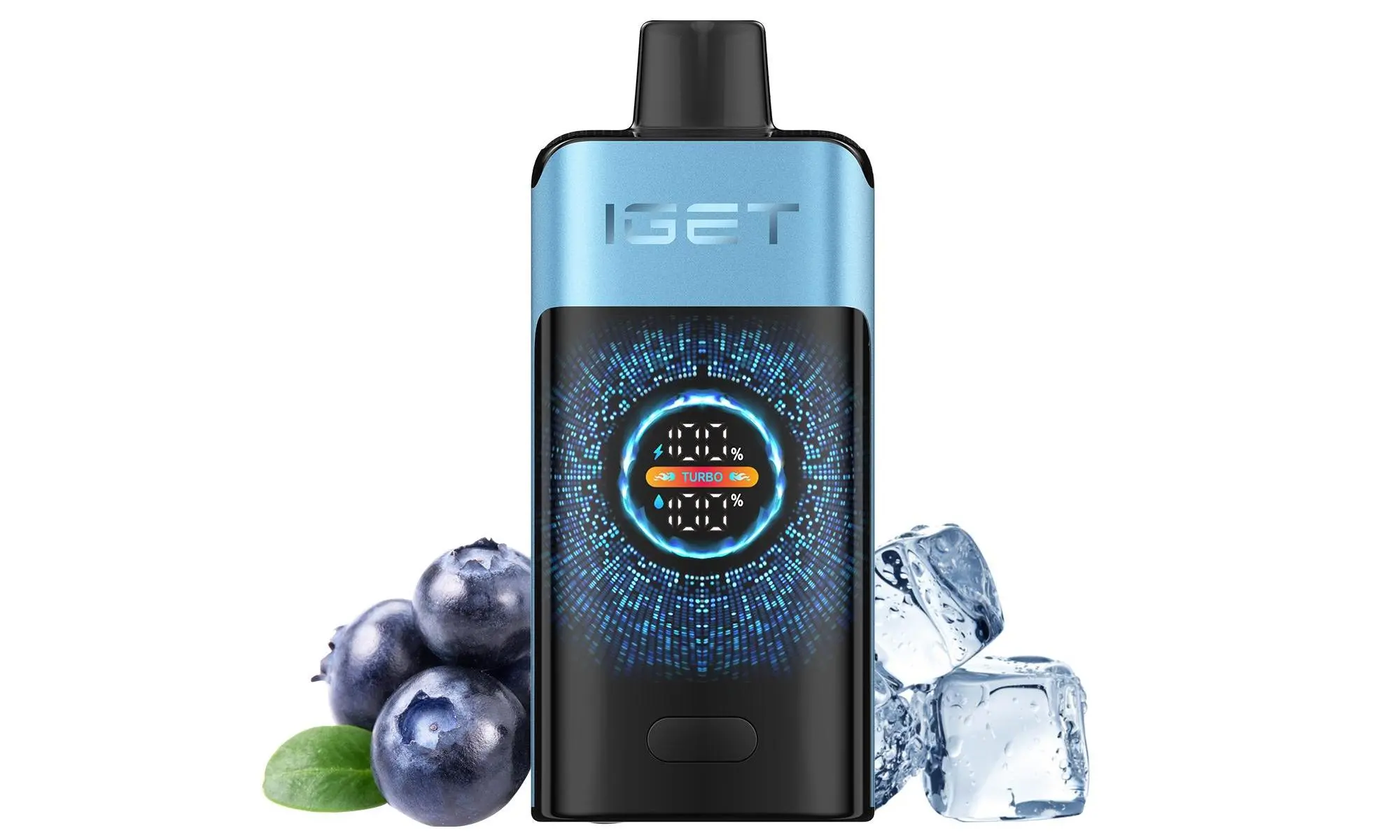
In the vaping community, trust is important. Consumers need to know that the liquid they buy is made with safe ingredients and that any hardware they use is genuine. This is why iGetBaroz has become a recognised destination for many Australian vapers. By sourcing products through authorised distribution channels and maintaining a transparent customer service approach, it reinforces the broader industry standard that professional producers and retailers alike must uphold.
Home Mixing vs. Studio-Crafted E-Liquids
Many hobbyists attempt to mix their own e-liquids at home. While that is a legitimate learning experience, it is not the same as a professionally crafted studio product. Studios invest in high-quality ingredients, precision equipment, and rigorous testing. They also understand the regulatory landscape and can scale recipes without losing consistency. For the average vaper, purchasing a studio-crafted liquid offers a much higher level of reliability and safety than a homemade mix.
Summary and Outlook
Custom e-liquids represent the intersection of chemistry and artistry. In a vape studio, every ingredient is weighed, every flavour note is considered, and every safety protocol is followed—not for show, but for the sake of delivering a product that vapers can trust. The secrets of custom e-liquid crafting are not mysterious: they lie in understanding the raw materials, embracing a structured recipe development process, maintaining a clean workspace, and upholding rigorous safety standards.
Looking ahead, the industry is likely to see further personalisation. With growing interest in nicotine salts, low-nicotine formulations, and even more complex botanical flavours, studios will continue to push boundaries. The role of trusted retailers like iGetBaroz will also remain essential—by ensuring that authenticity and quality are never sacrificed for convenience.
Whether you are a curious newcomer or a seasoned vaper, the next time you enjoy a custom e-liquid, take a moment to appreciate the skill, effort, and attention to detail that went into that bottle. Behind every satisfying puff is a vape studio full of science, passion, and a quiet commitment to the craft.