
Searching for a “vape shop near me” in 2025 often feels less like a simple local query and more like a product-research project. The disposable vape market has matured quickly, and consumers now face a wider range of devices, price points, delivery options, and regulatory differences than ever before. Choosing the right shop is not only about convenience; it is also about product authenticity, safety, after-sales support, and whether the retailer can actually meet your expectations over time.
This article outlines the key factors to consider when evaluating vape shops in 2025, whether you are searching for a physical store close to home or comparing online retailers that ship to your area. It also explains what to look for in a reliable seller and how to avoid common pitfalls.
Why “Vape Shop Near Me” Is Not a Simple Search in 2025
The phrase “vape shop near me” has evolved beyond a basic map search. In recent years, the industry has experienced several shifts that make the choice of retailer more important than ever.
The Expansion of Product Categories
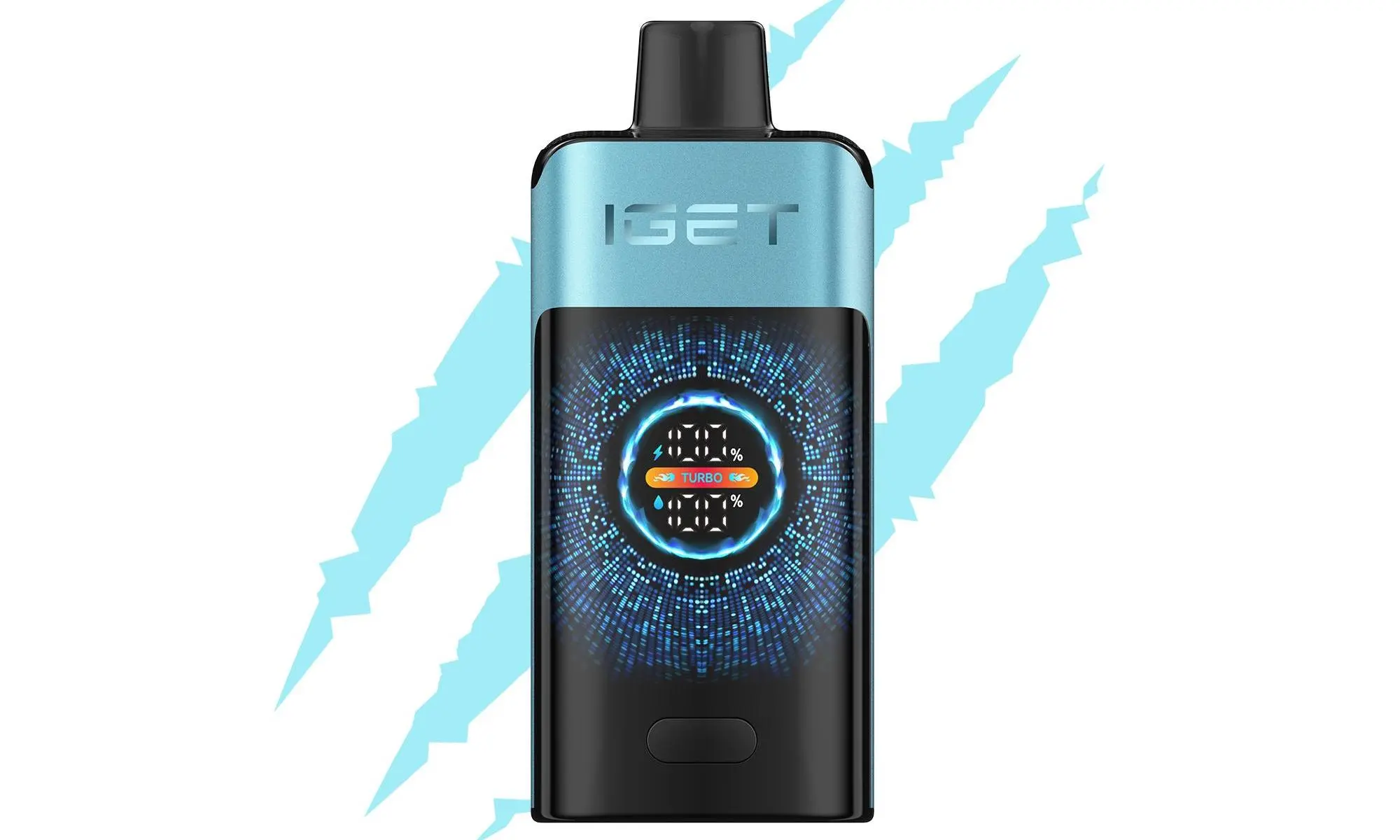
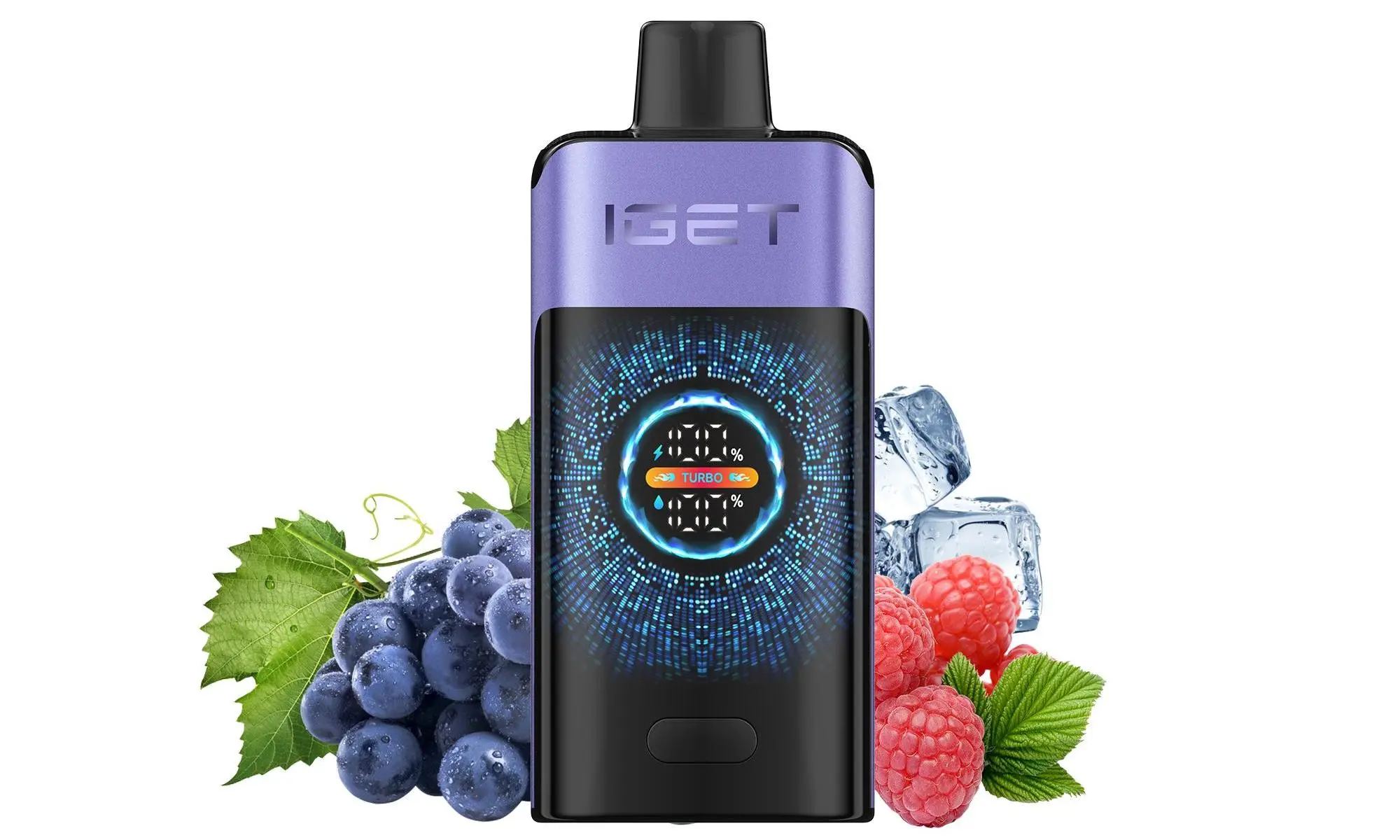
Disposable vapes have moved far beyond the early stick-shaped devices. In 2025, a single brand may offer multiple product lines, from low-puff compact units to high-capacity systems with digital displays, adjustable airflow, and rechargeable batteries. For example, the IGET range alone now includes devices categorised by puff count and design philosophy, including the ultra-high-capacity IGET E-HOOKAH G1 with 60,000 puffs and more compact models for lighter users.
This diversity is good for consumers, but it also creates a challenge: not every shop stocks the same range, and not every retailer understands the products they sell. A local convenience store may carry only a few best-selling flavours, while a dedicated vape retailer may offer a broader catalogue with more technical information. When you search for a “vape shop near me,” you are actually searching for a retailer that can match your specific device, flavour, and long-term usage needs.
Regulatory and Compliance Pressures
In many markets, vaping products are subject to age verification, packaging standards, and advertising restrictions. These rules vary by country and even by state or province. A reliable shop should be aware of local regulations and integrate them into its operations. Shops that ignore age checks or sell unregulated products can create serious safety and legal risks for consumers.
Industry monitoring data from 2024 estimated that counterfeit vaping products accounted for a notable share of disposable vape sales in certain regions, especially through unrecognised sellers and grey-market channels. That means the balance between convenience and safety has become more delicate. A nearby shop may be easy to reach, but if its products come from unofficial supply chains, the short-term convenience may not be worth the risk.
Consumer Expectations Around Information
Modern buyers expect transparency. Product labels, ingredient lists, puff counts, nicotine strength, and authenticity markers are all part of the research process. Many shoppers now look for batch codes, scratch-and-check authentication labels, and manufacturer-backed warranty information before making a purchase. A shop that cannot answer basic product questions may not be the right choice, even if it appears at the top of a local map listing.

Key Criteria for Choosing a Vape Retailer
If you search for “vape shop near me” today, you need a framework to compare your options. The following criteria are useful for evaluating both physical stores and online sellers.
1. Authenticity and Authorised Supply Chains
The most important factor when choosing a vape shop is whether the retailer sources products through authorised distribution channels. Counterfeit vaping devices are not only low-quality; they can also pose serious battery and safety risks. Unregulated e-liquid ingredients and inconsistent nicotine levels are common in fake products.
One way to judge a retailer is by looking at how clearly it communicates its sourcing practices. Does the shop mention authorised distributors? Does it carry official warranties? Does it display batch or serial numbers on its products? An authorised retailer, such as iGetBaroz, typically states that it sources products through authorised distributors and offers product lines from established brands, including IGET, Alibarbar, FISCO, and WALA. That kind of transparency is a useful signal for consumers.
In contrast, a shop that sells popular brands at suspiciously low prices may be buying from alternative supply chains. Always ask for proof of authenticity where possible, and check whether the packaging matches the manufacturer’s official design.
2. Product Range and Inventory Depth
A good vape shop should offer more than just one or two popular models. Since the category has expanded so significantly, inventory depth is a strong indicator of a retailer’s commitment to the vaping category.
Consider the IGET product line as an example. It spans several series, each designed for a different type of user:
Ultra-High Capacity Series (40,000–60,000 puffs): Devices like the IGET E-HOOKAH G1 are intended for heavy users or people who prefer a device that lasts for weeks. These units often feature larger e-liquid reservoirs, rechargeable batteries, and advanced features such as digital displays or adjustable power.
Mid-High Capacity Series: These are suited for regular users who want a longer-lasting device without moving into the largest category.
Compact and Low-Puff Series: Smaller devices are designed for light users, occasional vapers, or people who want an easily portable option.
A shop that knows its inventory can explain these differences and help you choose the right product. If you search online for a specific flavour and a local shop does not stock it, ask whether they can order it or whether their supplier regularly rotates flavours. This level of service is especially important for people who rely on nicotine replacements or who have settled on a particular flavour profile.
3. Pricing Transparency and Delivery Costs
Price is always a consideration, but the cheapest option is not always the best value. When comparing vape shops, look at the full cost structure:
Product price
Shipping fees
Age-verification charges (where applicable)
Return or restocking fees
Promotional discounts or bundle deals
Some online retailers advertise low base prices but compensate with high shipping fees. Others may offer free shipping over a certain order value. Physical stores often have higher overheads, so their prices may be slightly higher; however, they offer immediate availability, which can be worth the difference if you need a device right away.
A useful practice is to compare three different shops whenever you search for “vape shop near me.” Note the total checkout cost, not just the shelf price. Also check whether the retailer’s website clearly includes taxes and fees. Hidden charges are a common source of frustration.
4. Customer Support and After-Sales Service
Vaping devices can occasionally fail, leaks can happen, and devices may not meet expectations. In such cases, the quality of customer support becomes a meaningful part of your purchasing decision.
Before making a purchase, look for:
A published return or exchange policy
Warranty information for the brands they carry
Responsive customer service channels
Clear instructions for handling defective products
A reputable retailer should be willing to help if a product arrives damaged or fails shortly after purchase. For example, customer stories shared by iGetBaroz highlight how responsive support can influence a buyer’s long-term loyalty. In one case, a customer in Melbourne received their IGET Bar Plus within two days and was able to get a warranty question answered within a few hours. These kinds of experiences are not guaranteed, but they show what good after-sales service can look like.
If you cannot find any customer service information on a shop’s website, or if support requests go unanswered, that is a warning sign.
5. Regulatory Compliance and Age Verification
In 2025, responsible retailers invest in robust age-verification processes. Whether they operate physical stores or online storefronts, they should comply with local laws regarding the sale of nicotine-containing products.
Online sellers should ask for age verification during checkout. Physical stores should visibly enforce age restrictions. A shop that ignores these rules is demonstrating that it is not serious about compliance, and that attitude may extend to other areas like product sourcing and safety standards.
Online vs. Physical: Which “Near Me” Approach Works?
The phrase “near me” does not always mean walking distance. Many people use it to include online retailers that can deliver quickly to their home. Both options have strengths, and the best choice depends on your priorities.
The Case for Physical Stores
Physical stores offer immediate gratification. You can see the product before buying, ask questions, and sometimes sample flavours if local regulations allow. Holding a device in your hand allows you to assess its weight, build quality, and overall feel. For first-time buyers or people switching from cigarettes, that in-person experience can be reassuring.
Physical stores are also useful if your device needs troubleshooting. A staff member can check whether your battery is charging, help you understand airflow settings, or recommend a different flavour based on your preferences.
However, physical stores may have limited inventory due to shelf space. If you are looking for a very specific model, such as a high-capacity disposable with a particular flavour, the store may not carry it.
The Case for Online Retailers
Online retailers generally offer a wider selection. You can compare dozens of devices, read user reviews, and access detailed product specifications. Many online stores also maintain up-to-date stock information, which is useful if you need a specific flavour that tends to sell out quickly.
Delivery speed is another factor. In many urban areas, online vape retailers now offer next-day shipping. Some have also established local fulfilment centres, meaning the phrase “vape shop near me” can be fulfilled by a warehouse in your region rather than a storefront.
A consumer survey conducted in early 2025 found that nearly two-thirds of vapers who purchased disposable devices online considered delivery speed and authentication information equally important. In other words, people care not only about how fast a product arrives, but also about whether they can trust its provenance.
The Hybrid Approach: Search Locally, Order Digitally
Many buyers use a hybrid strategy. They search for a “vape shop near me” to see what is available, visit the store or its website, and then place an order online. This can make sense if a local retailer has an online catalogue and offers both in-store pickup and delivery. Some shops also offer stock availability checkers, so you can confirm that a product is in stock before travelling to the store.
When evaluating an online vape shop, remember that you are still looking for the same qualities you would expect from a local store: legitimacy, product authenticity, responsive support, and regulatory compliance.
Red Flags and Practical Steps for Verifying a Store
If you are new to a vape shop, or if you are considering a seller you found through a “vape shop near me” search, it is worth spending a few minutes verifying their credibility.
Common Red Flags to Avoid
No physical address or contact details: A legitimate business should have a verifiable address, at least an email or phone support route, and standard business disclosures.
Suspiciously low prices: If a product is significantly cheaper than the standard retail price, the shop may be using grey-market suppliers or counterfeit stock.
Missing packaging information: Genuine products usually include batch codes, expiry or manufacturing dates, safety warnings, and branding elements that are difficult to reproduce.
No age verification: A seller who does not verify age is likely cutting corners in other areas as well.
Vague return policies: If you cannot find details about returns or warranty claims, you may have little recourse if something goes wrong.
Lack of brand authorisation: Check whether the shop is listed by the brand as an authorised retailer. If not, ask why.
Verification Steps Before You Buy
Check the brand’s official website. Many manufacturers, including IGET, provide details about authorised retailers and product ranges.
Look for authentication features. Some brands use QR codes or security labels that can be verified online or through a mobile app.
Search for customer reviews. Use independent review platforms and social media to see what other people say about their experiences.
Contact customer support with a test question. A quick email or chat message can reveal how responsive the shop is.
Compare product images. If the packaging on the retailer’s website looks different from official brand photos, be cautious.
Consumer protection agencies have reported a growing number of complaints related to vaping vending machines, unregulated online stores, and home-delivery services that do not verify age. A 2024 industry report also noted that counterfeit disposable vape products were more commonly found through online marketplaces and social media ads than through established vape retailers. That does not mean every online seller is risky; it simply means that verification is your responsibility.
Summary and Outlook
Choosing the right vape shop in 2025 is about more than finding the closest store or the lowest price. It is about identifying a retailer that respects the product, follows regulations, and prioritises customer safety.
When you search for a “vape shop near me,” use the opportunity to evaluate the seller’s range, transparency, delivery terms, and after-sales support. Stores like iGetBaroz, which openly describe their sourcing through authorised distributors and carry established brands, are the kind of option worth considering—but you should always make your own assessments based on your local market and needs.
The industry will continue to change. New device formats, more comprehensive verification tools, and potentially clearer packaging regulations may all affect how consumers choose stores in the years ahead. For now, the principles remain consistent: verify product authenticity, understand the total price, check customer support quality, and buy from sellers that demonstrate a commitment to compliance.
Whether you prefer a physical shop around the corner or an online store with fast delivery, a careful evaluation upfront will save you time, money, and frustration in the long run.