
Introduction
The vaping landscape has changed substantially over the past decade. What once required a bulky mod, a separate tank, and bottles of e‑liquid can now be found in a slim, pre-filled device that fits in a shirt pocket. As a result, more people than ever are searching for vape carts for sale — either as a way to transition from smoking, to reduce nicotine intake, or simply to explore a new hobby.
Yet for a first-time buyer, the sheer volume of options can be overwhelming. There are disposable devices with different puff counts, reusable pod systems, cannabis oil cartridges, nicotine salt blends, and a confusing list of technical terms such as coil resistance, PG/VG ratios, and battery capacity. Online marketplaces add another layer of complexity: listings may look identical, but the underlying product quality can vary dramatically.
This guide is designed to help first-time buyers navigate that confusion. Instead of focusing on flashy marketing, we will look at the practical aspects of choosing a vape cart — from understanding the components inside the device to assessing the trustworthiness of the retailer behind the sale. By the end, you should have a clear picture of what to look for, what to avoid, and why the source of your vape carts matters just as much as the price.

What Are Vape Carts? – Understanding the Basics
Before diving into buying tips, it helps to clarify what falls under the umbrella term “vape cart.” In the broader sense, a “cart” can refer to a pre-filled cartridge used with a battery, or it can refer to a disposable device that contains everything in one unit. For most retail purposes, especially online, consumers are looking at disposable vapes, pod-style cartridges, or refillable tanks.
Pre-filled Cartridges versus Disposable Devices
A traditional vape cartridge is a glass or plastic tank that contains e-liquid or cannabis oil, with the heating element built into the coil assembly. The cart screws onto a separate battery. This modular setup allows users to change flavours without replacing the battery. Disposable vapes, on the other hand, integrate the battery, coil, and e-liquid into a single sealed unit. Once the e-liquid is depleted (or the battery dies), the entire device is disposed of.
Many first-time buyers assume that disposable vapes are lower in quality than mod systems. In reality, modern disposables are engineered with consistent coil performance, regulated output, and a wide range of flavour profiles. Some of the most popular devices in Australia, for example, are disposable vapes that deliver thousands of puffs before the user needs to replace them. The distinction is not about quality — it is about convenience and compatibility.
Key Components That Affect Performance
When you see vape carts for sale, there are three primary components to consider:
The e-liquid: This is the mixture of propylene glycol (PG), vegetable glycerin (VG), nicotine, and flavourings. PG is thinner and carries flavour well, while VG is thicker and produces more visible vapour. A higher VG ratio usually means smoother vapour, but it can also clog smaller cartridges.
The coil: Usually a metallic wire wrapped in a wicking material (often cotton). The resistance of the coil — measured in ohms — determines the amount of heat produced at a given battery voltage. Lower resistance coils produce warmer, denser vapour, while higher resistance coils are cooler and more discreet.
The battery: For cartridges that attach to a separate battery, the capacity and power output are critical. A battery with adjustable wattage gives you more control. Disposable vapes often have fixed voltage settings, but they are calibrated to match the coil at the factory.
Quality Indicators
Not all vape cartridges are manufactured to the same standard. Look for transparent labelling about nicotine concentration, e-liquid volume (measured in millilitres), and the origin of the product. A reputable brand will usually provide this information on the box. If a product listing avoids these details, that is a red flag.
Additionally, you should verify that the product itself has a tamper-evident seal. In a market where counterfeit products are common, a broken seal or a box without batch numbers can indicate that the product was not handled correctly or may be imitation. Industry reports have noted that counterfeit vaping products can account for a meaningful share of online sales in certain regions, which is why authentication is a core part of the buying decision.
Vape Carts For Sale – How to Identify a Reliable Retailer
Once you understand the product basics, the next step is finding out who you are buying from. This may sound obvious, but many first-time buyers are drawn to the lowest price or the most eye-catching sale banner. In the vaping market, those bargains often come with hidden costs — poor performance, leakage, counterfeit components, or worse.
Online versus Physical Stores
Physical vape stores allow you to see and hold the product before paying. You can ask staff questions, check the packaging seal, and sometimes even smell the flavour. However, not every town has a dedicated vape shop, and the range of products is limited to what the store carries.
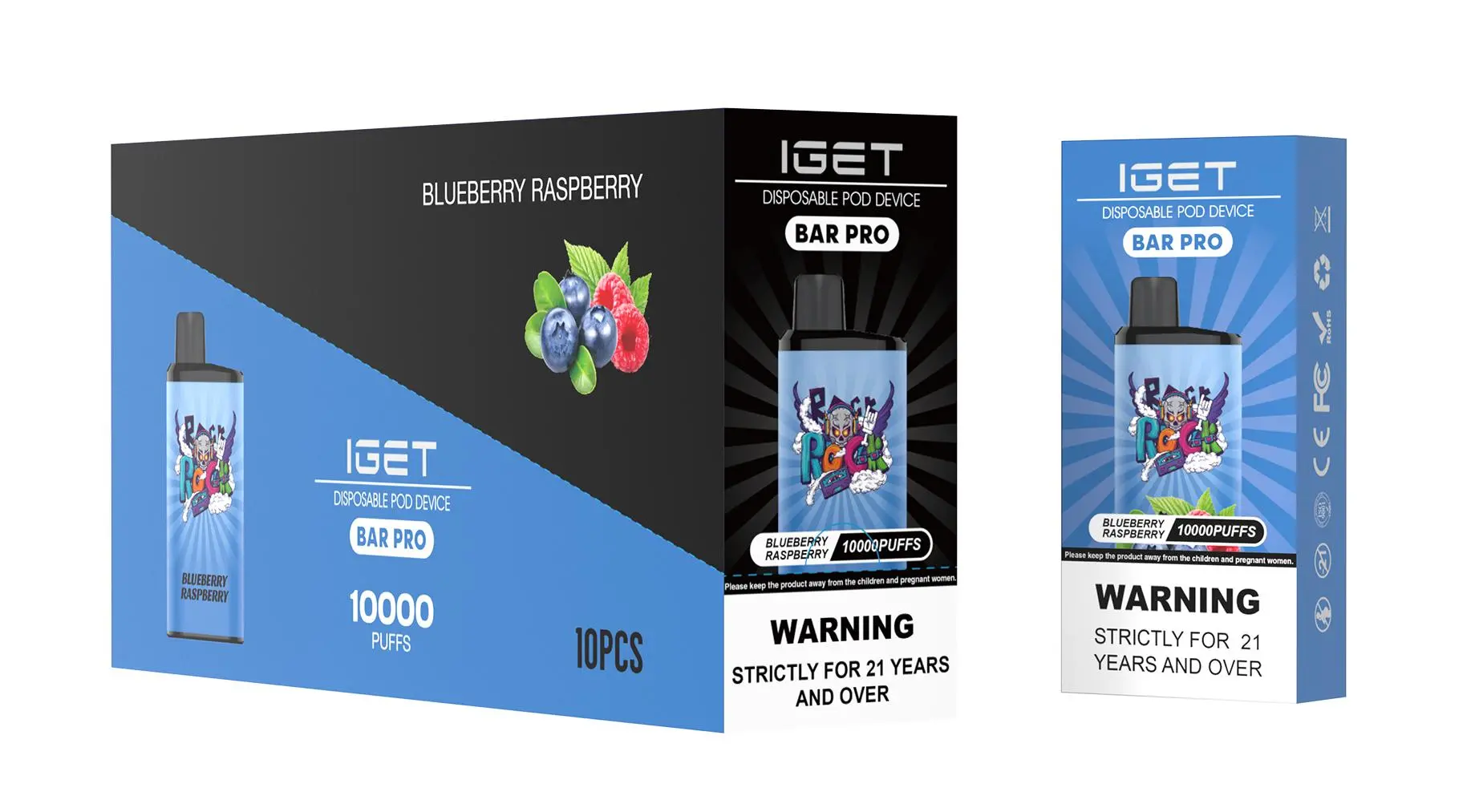
Online retailers have an obvious advantage in selection and convenience. The challenge is that you cannot inspect the product. Instead, you must rely on the retailer’s reputation, product descriptions, and customer reviews. For this reason, when you are exploring vape carts for sale online, you should evaluate the retailer both on their product range and on the trust signals they put forward.
Red Flags to Watch For
Unusually low prices: If a 3,000-puff disposable is listed at half the price of every other retailer, ask yourself why. Counterfeit products are often cheaper to produce because the manufacturer skips quality controls and uses low-grade components.
No authentication information: Legitimate retailers that care about their reputation will usually state how they source products — for example, directly from authorised distributors or official brand partners. If this information is missing, it is difficult to verify product authenticity.
Poor customer support: Before purchasing, try sending a question about the product. A reliable retailer will have a clear communication channel, and they should respond within a reasonable time. Constant auto-replies or no contact options are warning signs.
No warranty or after-sales policy: Even with high-quality products, occasional defects occur. A trustworthy retailer will explain their return or replacement process. If they do not address this anywhere, you may be left without recourse.
What a Trustworthy Retailer Looks Like
A positive example in the Australian market is iGetBaroz, a retailer that focuses on brands such as IGET, Alibarbar, FISCO, and WALA. Their approach to authenticity includes sourcing from authorized distribution channels and providing clear product information. For a first-time buyer, this is valuable because it removes much of the guesswork. The retailer takes responsibility for the products they sell, rather than acting as an anonymous middleman for third-party warehouses.
When comparing retailers, look for the following characteristics:
The retailer lists how products are sourced.
The product pages include multiple photos, detailed specifications, and sometimes practical guidance on usage.
Customer reviews contain specific comments about flavour, battery life, and authenticity.
The retailer does not use aggressive high-pressure sales language, but instead provides balanced descriptions.

The Role of Brand Comparison
While iGetBaroz is a reliable retailer, the brand choices themselves deserve comparison. For example, if you are deciding between an IGET Bar Plus and an Alibarbar device, you might compare puff capacity, flavour selection, and price. IGET has become a recognised name in the disposable category, offering devices that range from ultra‑compact models to high‑capacity systems such as the IGET E‑HOOKAH G1. Alibarbar, on the other hand, has built a following in the same market, and FISCO provides yet another set of options.
The point is not to claim that one brand is universally superior; it is to recognise that different devices suit different needs. A reputable retailer should offer a range of brands so that you can compare them without pressure. If a retailer only pushes a single brand, dig deeper to understand why.
Choosing the Right Vape Cart – Key Features to Evaluate
Now that you know where to buy, the next challenge is choosing which device. This is where the technical details matter. You may see vape carts for sale with labels such as “4,000 puffs,” “480 mAh battery,” or “50 mg nicotine.” Here is how to interpret those numbers.
Puff Count and E‑Liquid Capacity
The puff count is an estimate based on an average inhale duration — usually two seconds. A device with 4,000 puffs should last a moderate vaper about a week or more, while a high-capacity device with 40,000 to 60,000 puffs could last several weeks. Remember that puff counts are not enforced by regulation; they are calculated by the manufacturer. Devices that advertise very high puff counts may use larger e-liquid reservoirs or they may use thinner coils that consume less liquid.
E-liquid capacity is usually listed in millilitres. For example, a 35-millilitre reservoir is higher than the standard 10-millilitre disposable, which is why it yields more puffs. Before buying, check the e-liquid volume and compare it to the puff count. If a device claims 20,000 puffs but only contains 10 millilitres of liquid, the maths may not add up.
Battery Capacity and Charging
Batteries are measured in milliamp-hours (mAh). A higher mAh number generally means the battery will power the coil for a longer time. For high-puff-count devices, a rechargeable battery is essential because the e-liquid may last longer than a single full battery charge. Many modern disposables use a USB-C charging port, which is convenient.
One common mistake first-time buyers make is ignoring the charging cable compatibility. Some devices require a proprietary cable or a specific charging current. If you buy a high-capacity device, make sure you understand how to charge it and be aware that the charging time is part of the overall experience.
Flavor Selection and Sweetener Levels
Flavour is the most subjective part of the decision. Vape carts for sale come in everything from fruit blends and menthol to dessert flavours and tobacco alternatives. For first-time buyers, it is often advisable to start with a flavour that is familiar — a straightforward fruit or a mild ice. Avoid purchasing multiple devices in one go if you are unsure; instead, buy one that seems appealing and see whether the taste becomes tiring after a few days.
Pay attention to the level of added sweetener. Some e-liquids use sweeteners that can cause the coil to gunk up faster, reducing the overall lifespan of the device. A flavour that is overly sweet might taste great for the first fifty puffs, but it could degrade the coil more quickly. A balanced flavour is usually more sustainable.
Nicotine Strength and Nicotine Salts
Nicotine strength is measured in milligrams per millilitre (mg/mL) or as a percentage. A 5% nicotine concentration is 50 mg/mL. For a heavy smoker transitioning to vaping, a higher nicotine strength might be necessary to curb cravings, whereas a light user may prefer 2% or 3%.
Many disposable vapes use nicotine salts, which are formulated to be smoother at higher strengths. Regular freebase nicotine tends to feel harsher in the throat at higher concentrations. If you are new to vaping and you choose a high-nicotine device, the throat hit may be intense. That is not necessarily a sign of poor quality — it is a function of nicotine chemistry.
Safety and Ingredient Transparency
Regulations vary from country to country, but any reputable manufacturer should list their ingredients. At a minimum, the e-liquid should consist of propylene glycol, vegetable glycerin, nicotine, and flavourings. Some manufacturers also disclose whether the product is vegan or contains allergens such as nuts.
When you browse vape carts for sale online, check the packaging photos for a list of ingredients or a QR code that leads to a product datasheet. A brand that hides these details is not providing adequate transparency.
High-Capacity Devices: Are They Right for You?
Some first-time buyers are tempted by the largest device they can find. The idea of having a device that lasts for weeks without replacement is appealing. However, high-capacity devices are larger, heavier, and often more expensive upfront. They also take longer to charge and may produce a larger amount of vapour.
A better approach is to start with a modest device — say, one with 1,500 to 4,000 puffs. That will help you gauge whether you enjoy the flavour and the ergonomics. If you find that you are replacing the device every few days, then a high-capacity option such as the IGET E‑HOOKAH G1 with 60,000 puffs may be a worthwhile investment. But for many first-time buyers, the smaller device is enough to learn the basics.
The Cost of Vaping – Budgeting and Hidden Expenses
Price is a decisive factor for most consumers, especially when you are trying to decide between vape carts for sale and traditional cigarettes. At first glance, disposable vapes may seem more expensive than a pack of cigarettes. The comparison changes, however, when you calculate the cost per day.
Price per Puff: A More Honest Metric
Let us consider two scenarios. A small disposable with 1,200 puffs might cost a certain amount at an online retailer. A high-capacity device with 60,000 puffs might cost significantly more. Industry analysis suggests that the price-per-puff of high-capacity devices is often lower than that of small disposables, simply because the cost of the battery and packaging is spread across more puffs. That does not mean the high-capacity device is always the better purchase, but it is useful to calculate the price per puff before committing.
For example:
Device A: 1,200 puffs at $10 → roughly 0.8 cents per puff
Device B: 10,000 puffs at $45 → roughly 0.45 cents per puff
If you are a heavy vaper, Device B would save money over the long run, provided the product is authentically produced. If you only vape occasionally, Device A may be enough, and there is no need to spend a higher upfront amount.
Hidden Costs to Consider
Shipping fees: Online retailers may offer free shipping above a certain order value. If you are buying a single device, the shipping cost can change the effective price dramatically. Compare the total cost, including shipping, when evaluating vape carts for sale.
Charging equipment: Some rechargeable devices do not include a wall adapter. You may need to use your existing USB cable or purchase one. High wattage chargers can also damage the battery, so using a low-wattage adapter is recommended.
Warranty and defective products: Even authentic products occasionally fail. Check whether the retailer covers defective items and what the return process involves. Some warranties require the original packaging, so keep the box until you have tested the device fully.
Deals and Discounts: Are They Worth It?
First-time buyers often see bundle deals — for example, two devices for the price of one or a free branded pouch with a purchase. These can be attractive, but evaluate whether you actually need two devices. Vape flavours expire, and batteries degrade over time even when unused. A bulk deal is only a good deal if you will consume the products before their quality declines.
Another consideration is the type of retailer running the promotion. If a discounted product comes from a page that looks generic or lacks detailed descriptions, the savings may not justify the risk. A trustworthy retailer such as iGetBaroz will not rely on flashy temporary discounts to win business; instead, they will maintain transparent pricing across their range. When you see a dramatic price drop on a specific brand, it is worth asking the retailer — or checking their FAQ — why the product is discounted.

Summary and Outlook
The journey from “thinking about vaping” to “finding the right vape cart” does not have to be stressful. By breaking the decision into two parts — product and retailer — you can avoid many of the most common pitfalls.
First, understand the basic components of a vape cart: the e-liquid, the coil, and the battery. Pay attention to puff count, e-liquid capacity, nicotine strength, and flavour ingredients. A device that seems cheap upfront may cost more in the long run if it does not deliver the promised puff count. Learn to evaluate the numbers instead of relying on marketing labels.
Second, and arguably more importantly, choose a credible source. As the market expands, so does the presence of counterfeit products. When you search for vape carts for sale, you should look for retailers that are transparent about their sourcing, provide clear product information, and offer genuine after-sales support. iGetBaroz is one example of a retailer that prioritises authenticity by sourcing directly from authorised distributors and curating brands such as IGET, Alibarbar, FISCO, and WALA. This type of diligence is precisely what first-time buyers need to feel confident in their purchase.
Third, think about your own habits. Are you a social vaper who wants a small, portable device? Are you a heavy user looking for an extended device that will not need replacing for weeks? Does flavour variety matter more than battery size? These questions will guide your choice far more than any “best of” list.
Future Trends in Vape Carts
Looking ahead, the market is moving toward higher capacity, more refined flavour formulations, and improved battery efficiency. Devices such as the IGET E‑HOOKAH G1, with a 60,000‑puff capacity, represent a shift away from the “tiny disposable” stereotype. At the same time, consumer awareness about authenticity is growing. Industry observers note that purchasers are increasingly checking for QR codes, batch numbers, and detailed ingredient lists before buying.
Sustainability is also becoming a theme. Some manufacturers are exploring recycling programmes for disposable vapes, and a few are moving toward refillable or rechargeable formats that reduce electronic waste. A smart first-time buyer will keep these trends in mind, but they should not let future developments block today’s practical decision.
Final Recommendation
Remember that the right vape cart is one that matches your needs, fits your budget, and comes from a source you can verify. Start small, ask questions, and do not be seduced by extreme discounts. If you are in Australia and you want a broad selection of authentic devices, exploring the range at iGetBaroz is a sensible starting point — but regardless of the retailer you choose, the principles outlined in this guide apply universally.
Take the time to read product specifications, check the packaging, and contact customer support if you have doubts. The vaping market is full of good products and helpful retailers, and with the right approach, you will find a vape cart that works for you.