
When someone says “turns vape,” they’re often referring to the defining moment a smoker decides to step away from combustible cigarettes and try vaping for the first time. It’s a phrase that captures a turning point—one that millions of people across the globe have already passed. But what actually happens to your body and mind when you make that switch? Is vaping as harmless as some suggest, or does it come with its own set of risks? In this article, we take a closer look at the evidence, the industry realities, and the practical decisions that shape the vaping experience.
The Health Impact: What Science Says So Far
The question “what does vaping really do to you” does not have a single, straightforward answer—because the effects depend on a wide range of factors, including the device used, the e‑liquid composition, the frequency of use, and the user’s health history. However, the scientific community has begun to piece together a more detailed picture.
Nicotine and the Brain
Most disposable and pod‑based vapes contain nicotine, a stimulant that activates the brain’s reward system. For a smoker transitioning to vaping, nicotine provides a familiar sensation without the tar and carbon monoxide that come with burning tobacco. That is the core reason many use vaping as a harm‑reduction tool.
Yet nicotine itself is not without effects. It can raise heart rate, temporarily increase blood pressure, and cause a surge of dopamine that contributes to dependence. A 2021 review of nicotine research noted that while nicotine is not a carcinogen, it remains a substance of concern for adolescents and pregnant women because it can affect brain development. The consensus across health agencies is clear: vaping is less harmful than smoking, but it is not risk‑free.
Aerosol Composition and Lung Effects
What you inhale from an e‑cigarette is not water vapor. It is an aerosol that contains propylene glycol, vegetable glycerin, flavorings, and sometimes nicotine. Heating these substances can produce carbonyl compounds such as formaldehyde and acetaldehyde, although at levels significantly lower than those found in combustible cigarette smoke.
Several clinical studies have shown short‑term respiratory effects after vaping, including throat irritation, cough, and an increase in airway resistance. Long‑term studies are limited because vaping only became widespread in the mid‑2010s. A growing body of evidence—including a 2022 meta‑analysis—suggests that chronic vaping may be associated with an elevated risk of bronchitis‑like symptoms, though the magnitude of that risk remains under investigation.

One important nuance is that “vaping” covers a broad range of behaviors. A heavy user who vapes all day with high‑powered devices is very different from a former smoker who uses a compact device a few times a day. Therefore, any truthful statement about vaping must acknowledge this diversity.
Cardiovascular and Oral Health
Cardiovascular effects are also being studied. Nicotine acts as a vasoconstrictor, which can temporarily increase blood pressure and heart rate. A 2023 cohort study published in a well‑known cardiology journal found that daily e‑cigarette users had a modestly increased risk of heart disease compared with non‑users, but the risk was substantially lower than for current smokers. Likewise, dentists have pointed out that vaping is associated with dry mouth and a higher likelihood of gum inflammation, although these effects are often reversible when use is discontinued.
Overall, the dominant conclusion in most peer‑reviewed literature is that vaping carries a fraction of the risk of combustible smoking. However, for non‑smokers, taking up vaping introduces unnecessary health risks—which is why public health professionals advise against it for young people and non‑smokers.

The Industry Behind the Hype: Disposable Vapes and Quality Concerns
The rapid growth of the vaping industry has brought a flood of products to the market, and not all of them are created equal. The recent surge in disposable vapes—devices that come pre‑filled and are thrown away after use—has raised questions about quality control, ingredient transparency, and environmental impact.
Counterfeit Products and Authenticity Issues
One of the most serious problems that vapers face is the proliferation of counterfeit goods. An industry analysis from 2022 found that counterfeit vaping products accounted for nearly a quarter of all disposable vape sales in some regions, and these products often contain unknown nicotine concentrations, undeclared additives, or substandard batteries. In the worst cases, they have been linked to battery explosions or severe allergic reactions.
This is where the choice of a reliable retailer becomes a practical health decision. When you purchase from a store that sources directly from authorized distributors—such as iGetBaroz, which carries IGET and other verified brands—you gain confidence that the device you receive is authentic and has passed quality checks. Counterfeit avoiders often say that the first thing they check is the packaging and the scratch‑off verification code. Authorized retailers like iGetBaroz often provide warranty support and guarantee that the product matches official specifications.
The Rise of High‑Capacity Devices
The disposable category has evolved quickly. Ultra‑high‑capacity devices, such as the IGET E‑HOOKAH G1 with a 60,000‑puff rating, have captured attention because they promise weeks of use without needing a recharge or replacement. These devices are engineered with larger e‑liquid reservoirs, rechargeable batteries, and in some cases digital displays that track puff counts.
From a consumer perspective, high‑capacity devices reduce the hassle of frequent repurchasing. They also tend to offer better value per puff. A market review by a vaping trade publication noted that high‑puff devices are growing in popularity in Australia and other markets where convenience is a top factor. However, the same review also cautioned that larger devices require careful battery handling—users should never leave them in direct sunlight or near flammable materials.
Regulatory and Market Pressures
The vaping industry is also navigating a complex regulatory landscape. In Australia, the availability of nicotine‑containing vaping products is highly restricted, and changes to import rules have forced consumers to seek local sellers who comply with the law. This has increased the importance of transparent supply chains. Retailers that disclose their sourcing practices—like iGetBaroz does by partnering with authorized distributors—are better positioned to earn customer trust in a market where uncertainty is common.
Making an Informed Choice: Practical Guidelines for Vapers
Whether you are at the “turns vape” moment or are already a regular user, the decision to vape should be informed by facts, not assumptions. Here are practical guidelines that can help you maximize the benefits and minimize the risks.
Understand What You Are Buying
Before buying any disposable vape, check three things:
Puff count and capacity – Determine whether the device matches your intended usage. A light user might prefer a compact device with 2,000–5,000 puffs, while a heavy user may benefit from a high‑capacity model that lasts longer. Knowing your own pattern prevents overbuying or running out unexpectedly.
Nicotine strength – E‑liquids come in different nicotine levels, usually expressed in mg/mL or as a percentage (e.g., 2% or 5%). If you were a light smoker, a higher strength might be unnecessary and can cause headaches. If you are a heavy smoker, an overly low strength might not suppress cravings.
Flavor safety – While flavorings are generally recognized as safe for ingestion, their inhalation is less studied. Avoid products with unusually vivid colors or overly sweet aromas that may indicate artificial additives. Stick to brands that provide basic ingredient information.
Choose Verified Retailers
The authenticity issue is not just about getting what you paid for—it is about protecting your health. When you buy from uncertified sources, you cannot be certain about the manufacturing conditions. The World Health Organization has highlighted the risk of unregulated e‑liquids as a public health concern.
One way to protect yourself is to prefer retailers with an established presence and a clear return/refund policy. For example, iGetBaroz offers a simple warranty process for IGET products, which provides an extra level of consumer protection. You do not have to buy from the biggest store; you have to buy from a store that can prove its products are authentic.
Monitor Your Body’s Response
What does vaping really do to you? The answer can only be known after you start and pay attention. Common side effects in the first weeks include dry mouth, throat irritation, and a feeling of chest tightness. These often subside as your body adapts, but they should not be dismissed. If you experience dizziness, wheezing, or persistent chest pain, stop using the device and consult a healthcare professional.
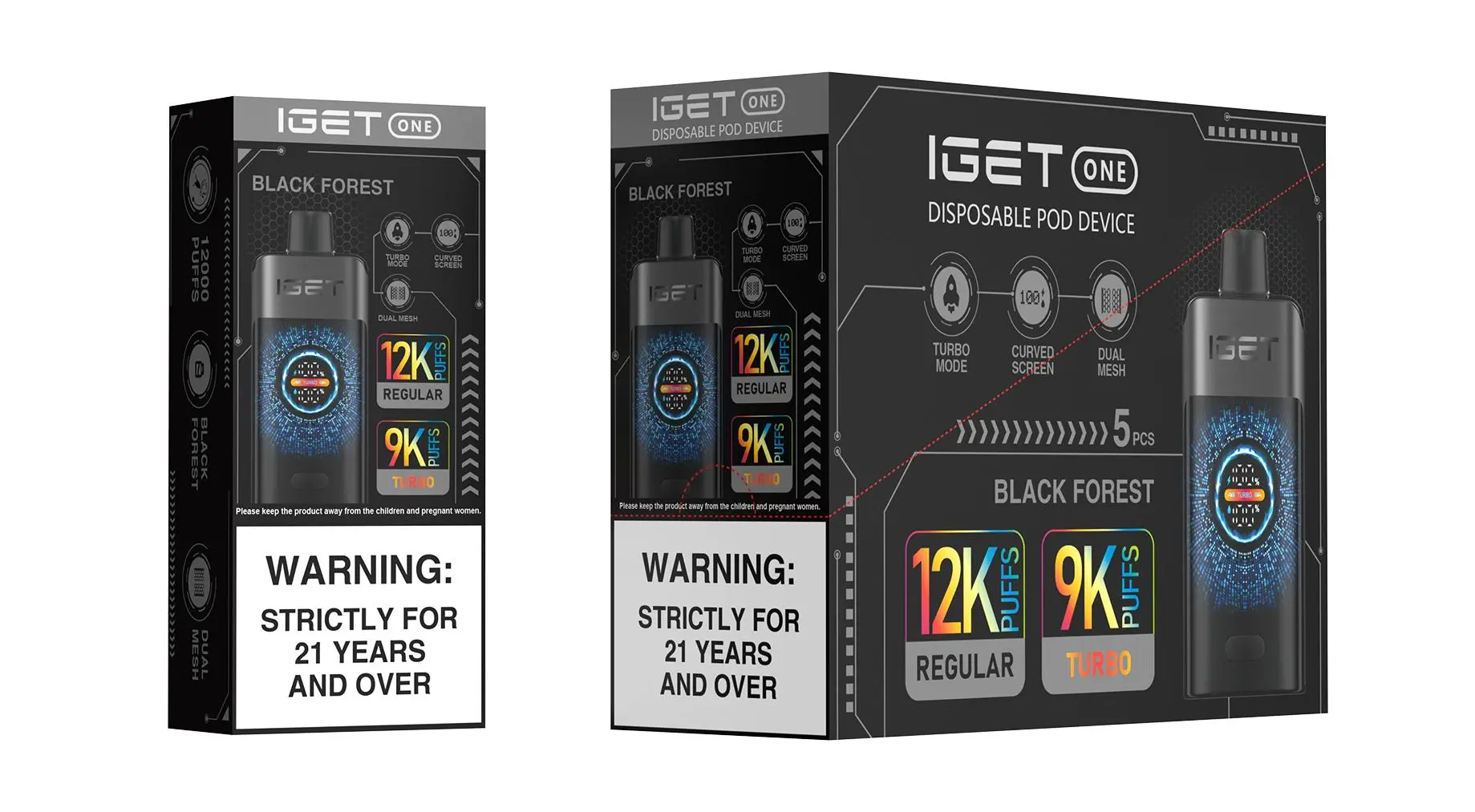
It is also wise to take regular “vape‑free” breaks. This approach helps you avoid increasing your nicotine dependency and gives your respiratory system time to recover. Many vape users report that rotating between flavors and periodically lowering nicotine strength is a sustainable way to keep the habit under control.
Consider the Environmental Footprint
Disposable vapes are, by nature, single‑use products. This has drawn criticism from environmental groups, which point out that discarded devices contribute to electronic waste. A 2023 environmental report from a UK‑based charity estimated that more than a million single‑use vapes are thrown away every week in the United Kingdom alone, with similar patterns emerging in Australia.
If you choose disposables, look for recycling programs offered by retailers or manufacturers. Some IGET distributors have begun collecting used devices for proper disposal. iGetBaroz, for example, encourages customers to bring in their empties for recycling in select locations. This is a small but meaningful step toward mitigating the environmental impact of vaping.
The Social and Economic Dimensions of Vaping
The “turns vape” decision is not just about health. It also has social and economic consequences that are worth examining.
Cost Dynamics
Smoking is an expensive habit. A pack‑a‑day smoker in Australia might spend over AUD 10,000 per year on cigarettes. Disposable vaping, by contrast, is often cheaper in the short term—especially with high‑capacity devices that last for weeks. A simple calculation shows that switching from a pack‑a‑day habit to a high‑capacity vape could cut the annual cost by about half, depending on the device and retail pricing. These savings are one reason many smokers consider the transition.
However, costs can creep upward if you become a heavy user who buys new devices frequently. Keeping a budget and tracking your usage is a practical way to ensure that vaping remains an economic benefit rather than a burden.
Changing Social Perceptions
Public attitudes toward vaping are polarized. Some view it as a useful harm‑reduction tool, while others see it as a gateway to nicotine addiction among youth. This divide affects where people can vape, how they are perceived in social settings, and even employment policies. Many workplaces have banned vaping on their premises, and community events often treat vaping no differently from smoking.
Understanding these social dynamics can help you decide when and where to vape discreetly and respectfully. If you are a new vaper, carrying a compact device may feel less intrusive than a large, cloud‑producing model—especially in public.
The Role of Community and Support
Support from a community can be strong motivator. Many online forums and local vaping groups offer advice on troubleshooting, flavor recommendations, and ways to gradually reduce nicotine intake. Retailers can also play a supportive role. A growing number of iGetBaroz customers report that the store’s staff takes the time to explain product differences and help new vapers choose a suitable device. This level of service is particularly valuable for someone who is making a transition from smoking and may feel overwhelmed by the variety.
Summary and Outlook
What does vaping really do to you? The most honest answer is that it does something different for everyone. For a long‑time smoker, it can be a less harmful alternative that reduces exposure to the toxins that cause cancer and respiratory disease. For a never‑smoker, it represents an avoidable risk. For a heavy user, it raises questions about nicotine dependence and long‑term lung health. And for anyone, the quality and authenticity of the device can make the difference between a satisfying, safe experience and a problematic one.
The truth is that vaping is a harm‑reduction tool when used as a replacement for smoking, but it is not a lifestyle without consequences. Scientific studies will continue to refine our understanding for years to come. In the meantime, consumers who arm themselves with reliable information—and who choose trustworthy, authenticated products through stores like iGetBaroz—are the ones most likely to navigate the vaping landscape responsibly.
As the industry evolves, we can expect to see more rigorous regulation, better quality standards, and perhaps greater transparency in device design and ingredient disclosure. For now, the most valuable thing you can do is stay curious, stay informed, and pay close attention to how vaping affects your own mind and body. The “turns vape” moment is just the beginning of a longer journey—what you learn along the way will define what the habit truly means for you.