
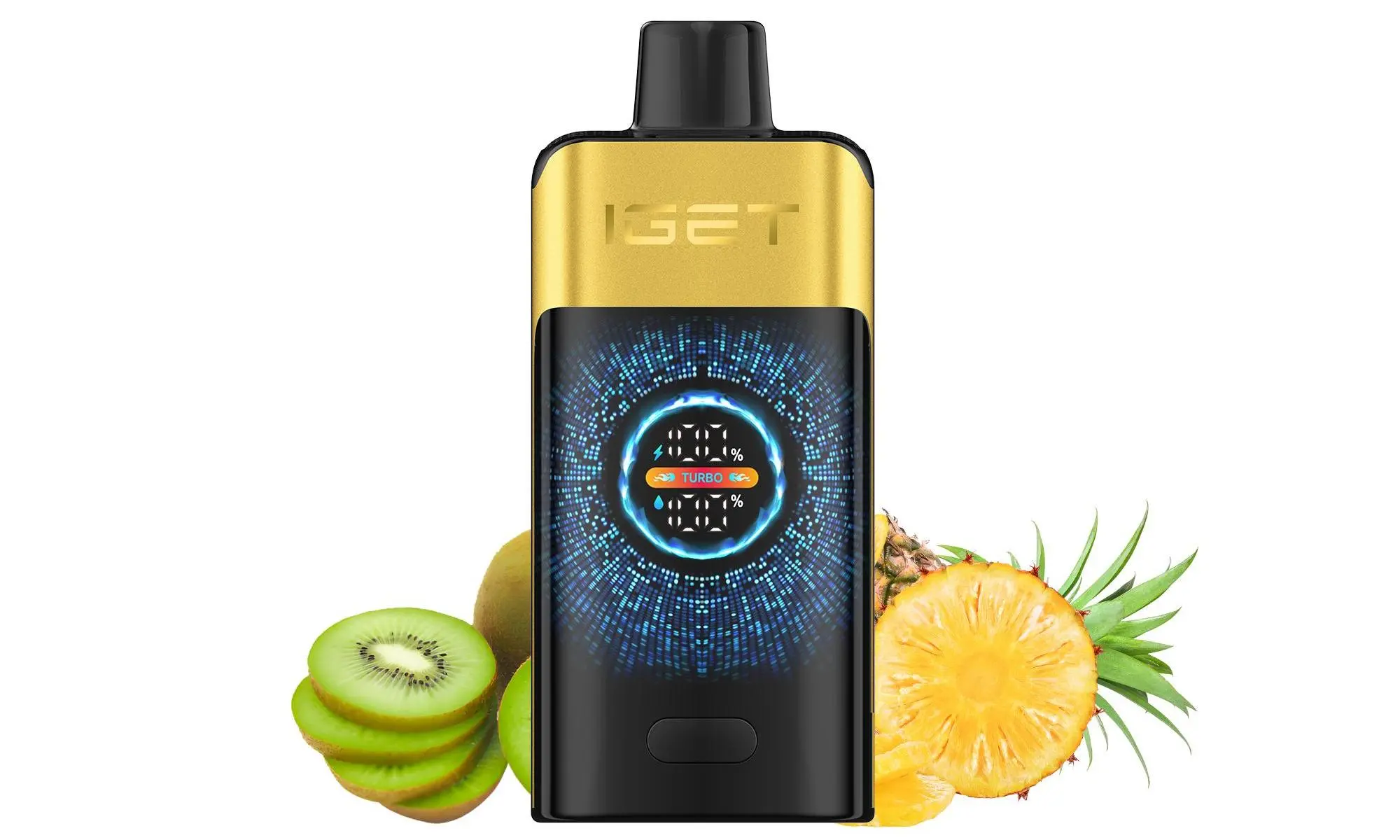
In recent years, the vaping market has seen an influx of devices that blur the line between adult-oriented nicotine products and children’s toys. These “toy vapes” are typically compact, brightly colored, and shaped like familiar objects—candy bars, cartoon characters, flash drives, or even school supplies. On the surface, they appear playful and harmless. Yet for parents, regulators, and responsible retailers, these designs are a major red flag. The visual appeal that makes them so attractive to first-time users also raises serious questions about safety, authenticity, and underage access.
This article examines the growing trend of toy-like vape devices, the hidden risks they present, and how consumers and retailers can navigate this complex landscape. By comparing different approaches in the industry—including the responsible retail model exemplified by iGetBaroz—we can better understand what separates a genuinely safe product from a dangerous novelty.
The Appeal of Toy-Like Vape Designs
Why would a vaping device look like a toy? The answer lies in consumer psychology. For adults who are trying to quit smoking, a discreet, pocket-sized device is convenient. But for younger individuals, the visual appeal is the whole point. Bright colors, sweet-sounding flavour names, and shapes that resemble candy or cartoons are designed to attract attention—and not just from adult smokers.
Several market observers have noted that the “toyification” of vapes has coincided with rising rates of youth experimentation. While exact statistics vary by region, industry reports suggest that a significant percentage of underage vapers initially tried a product because of its appearance or packaging. This is not an accident. Some manufacturers, particularly those operating outside regulated supply chains, intentionally mimic children’s product aesthetics to broaden their customer base.
However, not all visually appealing devices are inherently dangerous. Many legitimate brands understand the need for thoughtful design and marketing. The line between “cute” and “dangerous” often comes down to intent, packaging, and distribution. A reputable retailer like iGetBaroz carries only products from known manufacturers that adhere to packaging standards and avoid overtly juvenile designs. In contrast, “toy vapes” sold through less scrupulous channels often cross that line by copying trademarked characters or using packaging that could be mistaken for candy or snacks.
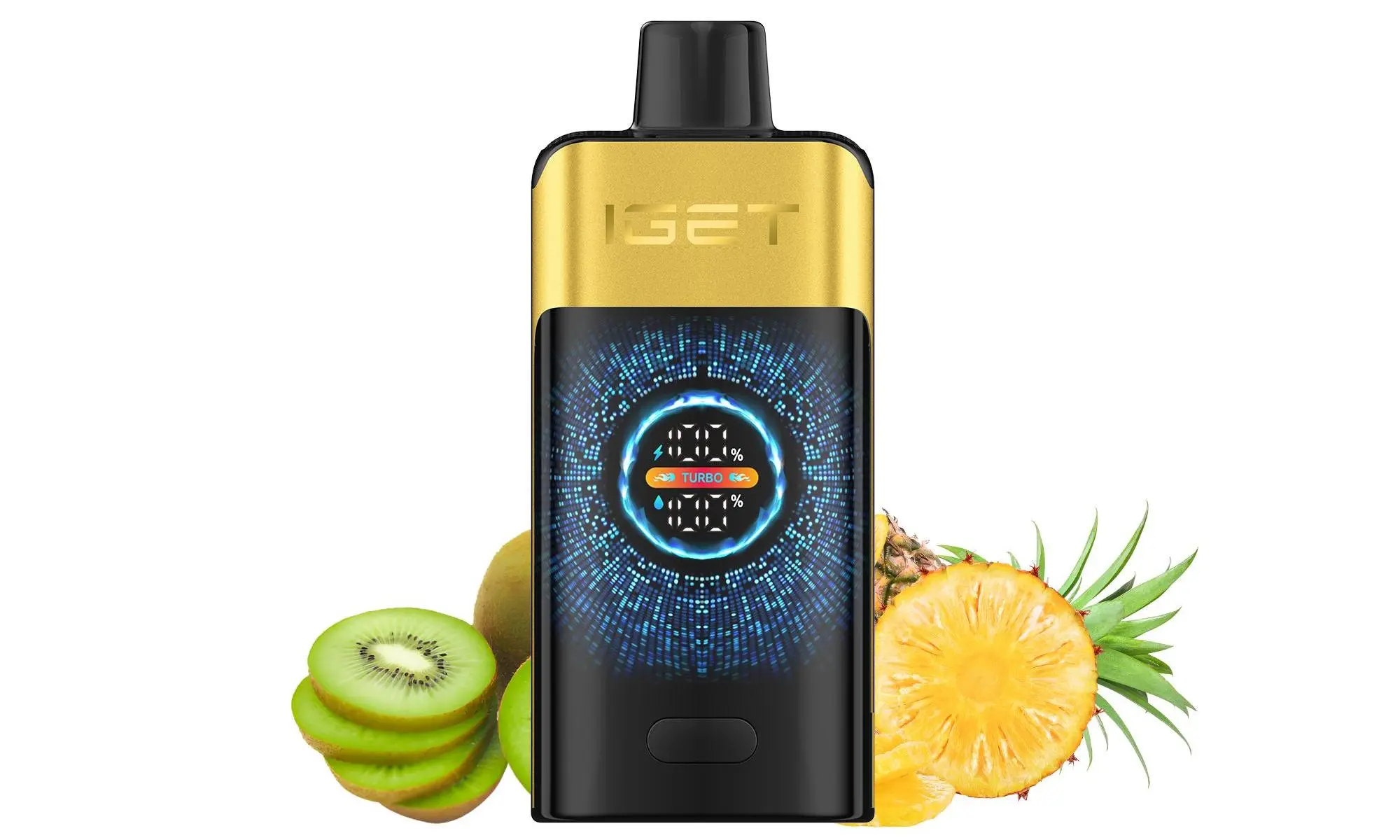
The regulatory community has taken notice. In several markets, authorities have introduced restrictions on packaging, flavour names, and device appearances that could appeal to minors. Yet regulation lags behind innovation, and many toy-like products continue to appear on shelves and online storefronts. This creates a confusing environment for consumers who want to make responsible choices—especially those who are new to vaping and may not know what to look for.
Hidden Dangers Behind the Cute Exterior
The visual angle is only part of the problem. Toy-like vapes often carry far more serious risks that are not visible at first glance. These risks fall into several categories: product authenticity, chemical safety, battery hazards, and regulatory compliance.
Counterfeit and Unregulated Products
One of the most insidious aspects of toy-like vapes is their association with counterfeit goods. Established brands invest heavily in quality control, laboratory testing, and supplier audits. But when a product is designed to look like a toy, it becomes easier for unauthorized manufacturers to knock off the design and include substandard components. These counterfeit devices may contain unknown e-liquid formulations, heavy metals in the heating coil, or low-grade batteries without overcharge protection.
A leading consumer safety organization has reported that counterfeit vapes often fail basic electrical safety tests. In some documented cases, devices overheated during charging or even burst into flames. The “cute” exterior may hide a complete lack of thermal protection or short-circuit prevention. For users, this is not just inconvenient—it is a genuine fire and explosion hazard.
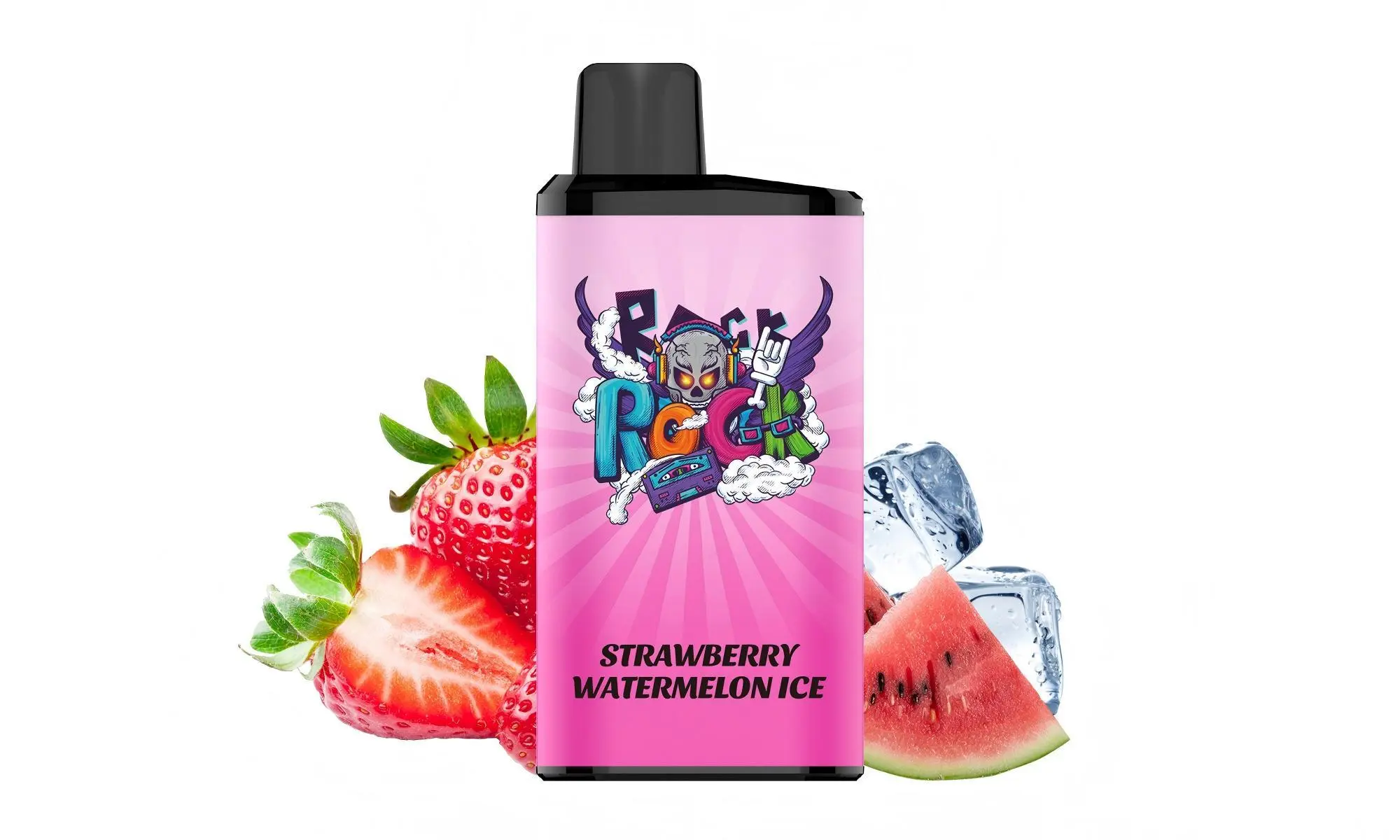
Questionable E-Liquid Ingredients
The e-liquid inside toy vapes is another area of concern. Authentic products from mainstream manufacturers list their ingredients and typically use pharmaceutical-grade nicotine, propylene glycol, or vegetable glycerin. Counterfeit and unregulated devices, in contrast, may contain high concentrations of freebase nicotine or synthetic nicotine analogues that are not well studied.
Some independent lab analyses have found that certain inexpensive, novelty-branded vapes contain nicotine content far above what the label claims. Others have been found to contain diacetyl and acetyl propionyl—flavoring compounds linked to respiratory diseases when inhaled. These chemicals are not uncommon in low-quality e-liquids, yet they are strictly limited or banned in many regulated markets.
For a parent, the idea of a child picking up a vape that looks like a marker or a remote control and using it without understanding the health risks is deeply frightening. Even for adult users, the uncertainty about what exactly is being inhaled is a serious problem.
Battery Design and Failure Modes
The internal lithium-ion batteries used in disposable vapes are normally compact but well-protected. In toy-like vapes, space may be limited due to unusual shapes, forcing manufacturers to use non-standard battery formats or to remove protective components. Without proper insulation, a drop or a puncture can cause an internal short circuit. This can lead to thermal runaway—a chain reaction that produces intense heat and, in some cases, causes the device to rupture.
Industry analysts have noted that the rapidly expanding market for novelty-shaped devices could lead to an increase in battery-related incidents. Warranty claims and customer reports from various retailers indicate that some toy-shaped vapes stop working or malfunction far sooner than standard models. The lack of reliable quality assurance is a fundamental issue.
Regulatory Compliance and Age Verification
In many countries, vaping products are subject to age restrictions and advertising restrictions. Responsible retailers enforce these rules by checking IDs and using secure delivery services. But the novelty vape segment often operates outside such structures. Some sellers import devices from overseas without verifying the age of the buyer. In online marketplaces, toy-like vapes have even been listed without age-gating, making them accessible to minors—sometimes with just a single click.
This is not just a theoretical concern. Several enforcement actions have targeted stores selling candy-flavored, toy-shaped vape products to underage customers. The attraction of these devices lies precisely in their ability to evade adult-focused branding and regulatory scrutiny.
Industry Comparison: How Responsible Retailers Differentiate
The toy vape trend presents a dilemma for legitimate retailers. On one hand, they want to offer a wide range of products to adult consumers. On the other, they must avoid being associated with irresponsible product designs or unsafe manufacturing practices. This is where the shopping experience and sourcing model matter greatly.
A good example of a responsible retail approach can be seen at iGetBaroz, an Australian-based vape store that carries well-known brands such as IGET, Alibarbar, FISCO, and WALA. Unlike outlets that focus on novelty shapes and juvenile branding, iGetBaroz prioritises authenticity, transparency, and age verification. The store’s entire product line-up is sourced from authorised distributors, meaning every device can be traced back to an original manufacturer. This dramatically reduces the risk of counterfeit products reaching the customer.
In contrast to a “toy vape” seller, which might offer unbranded devices of unknown origin, iGetBaroz provides detailed product information, clear puff counts, and honest descriptions of each device’s intended use. For example, the IGET E-HOOKAH G1 is positioned as a high-capacity device for experienced users, not a novelty item. The Alibarbar range is similarly marketed toward adults who value flavour and performance, not to children who are attracted to cartoon characters.
Let’s compare a few common scenarios:
| Aspect | Toy Vape Sellers | Responsible Retailers (e.g., iGetBaroz) |
|---|---|---|
| Product sourcing | Often third-party, unverified | Authorised distribution channels |
| Packaging | Bright, cartoonish, potentially misleading | Adult-focused labelling with clear warnings |
| Age verification | Lax or missing | Strict ID checks and secure checkout |
| Ingredient transparency | Limited or absent | Full ingredient lists and manufacturer documentation |
| Customer support | Minimal or non-existent | Responsive help with product questions and warranty |
Of course, large multinational brands such as JUUL or British American Tobacco also operate in the vaping space, and many have their own compliance systems. However, the difference for a consumer often lies in the retail experience. A retailer that takes the time to verify authenticity and educate customers—rather than simply pushing the newest “kawaii” device—demonstrates a commitment to long-term safety.
When browsing a store like iGetBaroz, you will not find devices that mimic children’s toys. Instead, the focus is on functional design, reliable battery life, and measured nicotine delivery. This is intentional. In an industry where trust is fragile, every decision matters.
A Safety-First Approach: What Consumers and Retailers Should Do
The growing popularity of toy vapes suggests that the industry needs to change, not just re-brand. Consumers can protect themselves by adopting a few simple habits, and retailers can differentiate themselves by leading with safety and education.
For Consumers
Purchase from verified sources. Whether you shop online or in a physical store, ask about the brand’s distribution chain. If a product is significantly cheaper than its mainstream counterpart, or if the packaging looks too playful, be suspicious.
Check for compliance markings. Reputable manufacturers usually include child-resistant packaging, warning labels, and a batch number or date code. The absence of these details is a red flag.
Avoid devices that borrow toy aesthetics. Even if you are an adult, buying a vape that looks like a candy bar or a cartoon character normalises a message that vaping is harmless and fun. The risk is not just personal; it affects how others view the product.
Understand what you are inhaling. Look for devices with disclosed nicotine strength and e-liquid volume. If the label only says “contains nicotine” without specifics, the product may not be reliable.
Use age-verified purchase channels. All reputable online vape stores ask for age confirmation. If a website allows you to checkout without any verification, that is a clear warning sign.
For Retailers
Adopt an authenticity-first policy. Direct partnerships with authorised distributors, such as those maintained by iGetBaroz, provide a clear chain of custody. This not only reduces legal liability but also builds customer loyalty.
Educate your customers. Provide guides, comparison tables, and honest recommendations. A customer who understands why someone might prefer a 60,000-puff device over a compact model is a customer who will return.
Implement strict age checks. Physical stores should train staff to refuse sales to minors, while online stores should use third-party age verification services.
Do not stock novelty products. A responsible retailer will avoid devices that resemble toys, even if they are legal. The potential harm to the industry and the community far outweighs short-term sales.
By following these steps, both consumers and retailers can contribute to a safer vaping culture. The goal is not to eliminate all visual appeal—adult products can still be sleek and modern—but to ensure that no one mistakes a nicotine product for a plaything.
Summary and Outlook
Toy vapes are a vivid example of how design can sometimes outrun responsibility. Cute on the outside, they present hidden dangers that range from low-quality ingredients to serious battery failures and regulatory evasion. The industry is facing increased scrutiny from health authorities and consumer advocacy groups, and the trend toward novelty designs may not last for long.
In this environment, iGetBaroz offers a model for how retailers can maintain consumer trust. By focusing on authentic sourcing, transparent product information, and a refusal to sell devices with juvenile appeal, the store positions itself as a safe and reliable choice for Australian adults. The company demonstrates that you don’t need flashy graphics or toy-like shapes to build a loyal customer base—you only need honest products and consistent support.
As vaping continues to evolve, the question is not whether the market will consolidate, but which brands and retailers will be left standing after the regulatory dust settles. The ones that treat vaping as a serious adult choice, rather than a gateway novelty, will be the ones that survive. For now, the message for consumers is clear: look beyond the surface, choose authenticity, and never mistake “cute” for “safe.” The hidden costs of such a mistake are far too high.