
The disposable vape market has expanded rapidly over the past few years, transforming from a niche alternative into one of the most visible segments of the nicotine product industry. For many consumers, the convenience of a pre-filled, draw-activated device is unmatched: no charging, no refilling, no maintenance—just open the package and use it until the e-liquid runs out or the battery drains.
However, this convenience has also created a complex buying environment. Counterfeit products, inconsistent manufacturing standards, and confusing labelling are common issues. Whether you are a first-time buyer or a seasoned vaper looking to switch brands, understanding what separates a quality product from a substandard one is essential. This guide explores the key factors that determine quality and safety in the disposable vape category, and offers practical advice for making an informed purchase.
The Quality Equation: What Defines a Reliable Disposable Vape?
When evaluating any vape product, several core components come into play. These are the same criteria used by industry analysts and quality-control teams across the manufacturing chain.
E-Liquid Composition and Nicotine Consistency
The foundation of any vaping experience is the e-liquid. In a disposable device, the e-liquid is pre-sealed at the point of manufacture, so the user cannot adjust the nicotine strength or flavour intensity. This places a significant responsibility on the manufacturer to produce consistent, well-balanced blends.
Quality e-liquids typically use:
Pharmaceutical-grade nicotine (when the product contains nicotine)
Food-grade flavourings that are heat-stable
A balanced propylene glycol (PG) and vegetable glycerin (VG) ratio to provide both throat hit and vapour production
The ratio of PG to VG affects more than just throat hit. It also influences how well the wicking material absorbs liquid, which in turn impacts the risk of dry hits or burnt coils. A reputable manufacturer will have standardised recipes and regularly test batches for nicotine concentration accuracy. Industry reports suggest that variations in nicotine content can be as high as 20% in poorly controlled production lines—a concerning figure given the potential impact on user experience and dependence.
Battery and Hardware Engineering
Disposable vapes are powered by internal lithium-ion batteries. Because these batteries are sealed within the device, they are not subject to the same user-level safeguards as replaceable batteries. That makes manufacturing quality and the selection of battery cells especially important.
Key hardware considerations include:
Battery capacity vs. device lifespan: A device rated for 5,000 puffs should contain a battery capable of supporting that puff count. Mismatches lead to premature battery death, which is one of the most common consumer complaints.
Overcharge and short-circuit protection: Reputable manufacturers build in protection circuits that prevent overcharging (should someone try to alter the device) and short-circuiting. This is not always visible to the consumer, but it is a sign of engineering maturity.
Coil material and wicking quality: The heating element must be made of materials rated for food contact and high temperatures. Low-quality coils can oxidise or release undesirable by-products when heated.
It is worth noting that the rise of high-capacity devices—sometimes offering 60,000 puffs or more—has placed additional stress on both battery design and coil longevity. The increased complexity of these devices, with features like digital displays and adjustable airflow, means that even small manufacturing defects become more noticeable to the end user.
Compliance and Testing Standards
Many consumers assume that because a product is sold in a retail store or online, it has passed rigorous safety testing. In reality, the regulatory landscape for disposable vapes varies significantly by jurisdiction. Even in markets with mature regulatory frameworks, enforcement can lag behind innovation.
Genuine manufacturers will often voluntarily comply with third-party testing for:
Heavy metal migration
Flavourant toxicity (especially diacetyl and acetyl propionyl)
Nicotine purity
Emission levels under normal use
A leading Australian retailer noted in a recent industry survey that products sourced directly from authorised distributors undergo multiple layers of verification, including batch-level certificates of analysis. This kind of traceability is one of the few tangible ways for a buyer to confirm that a product meets acceptable safety boundaries.
The Counterfeit Problem: How to Identify and Avoid Unsafe Imitations
Counterfeit vaping products are not merely a nuisance—they pose a genuine safety risk. Fake devices may contain unknown e-liquids, non-food-grade flavourings, and batteries that have not been certified for any use. In the worst cases, they can fail catastrophically, causing injury or property damage.
So, what should buyers look for to avoid imitations?
Packaging and Holographic Markers
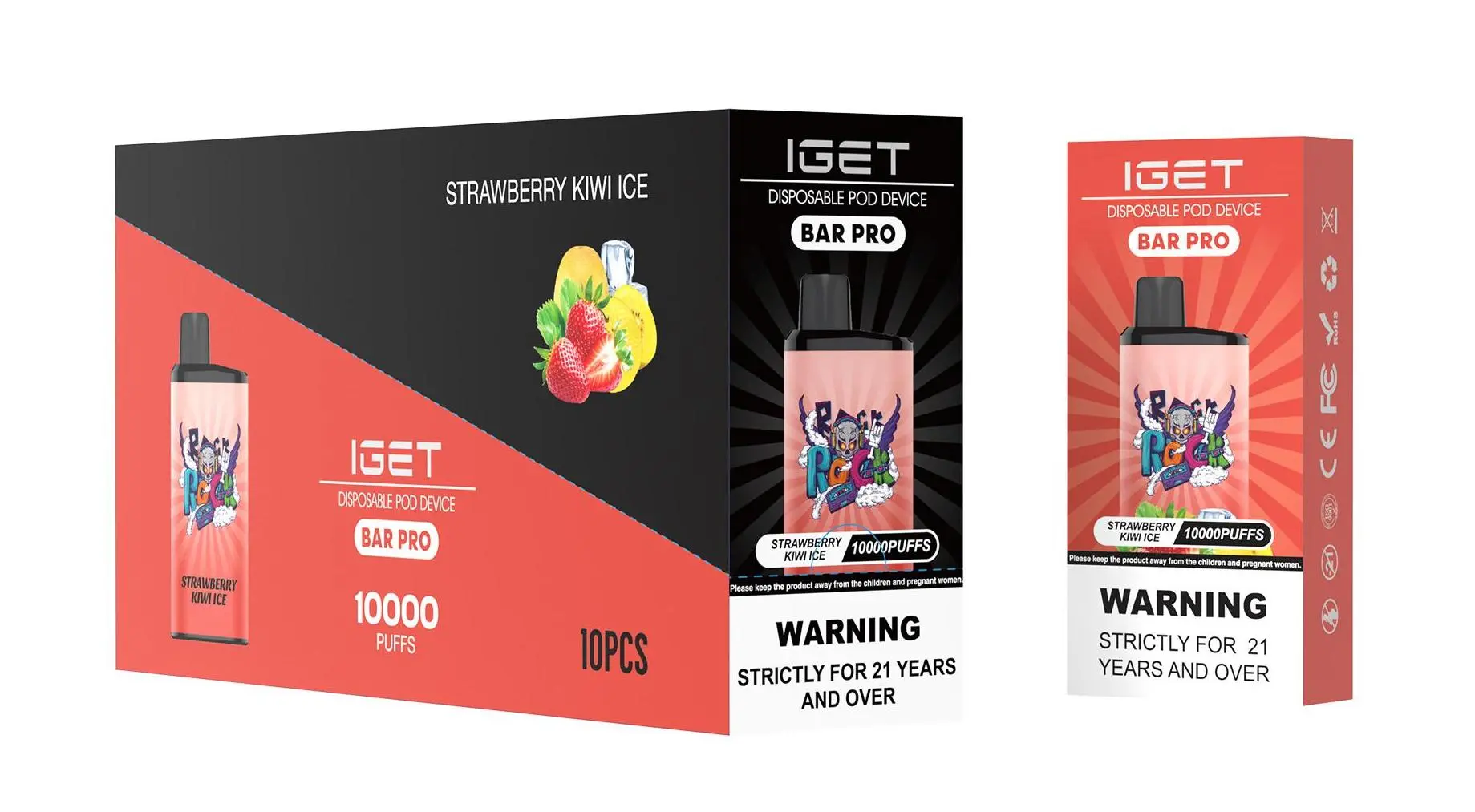
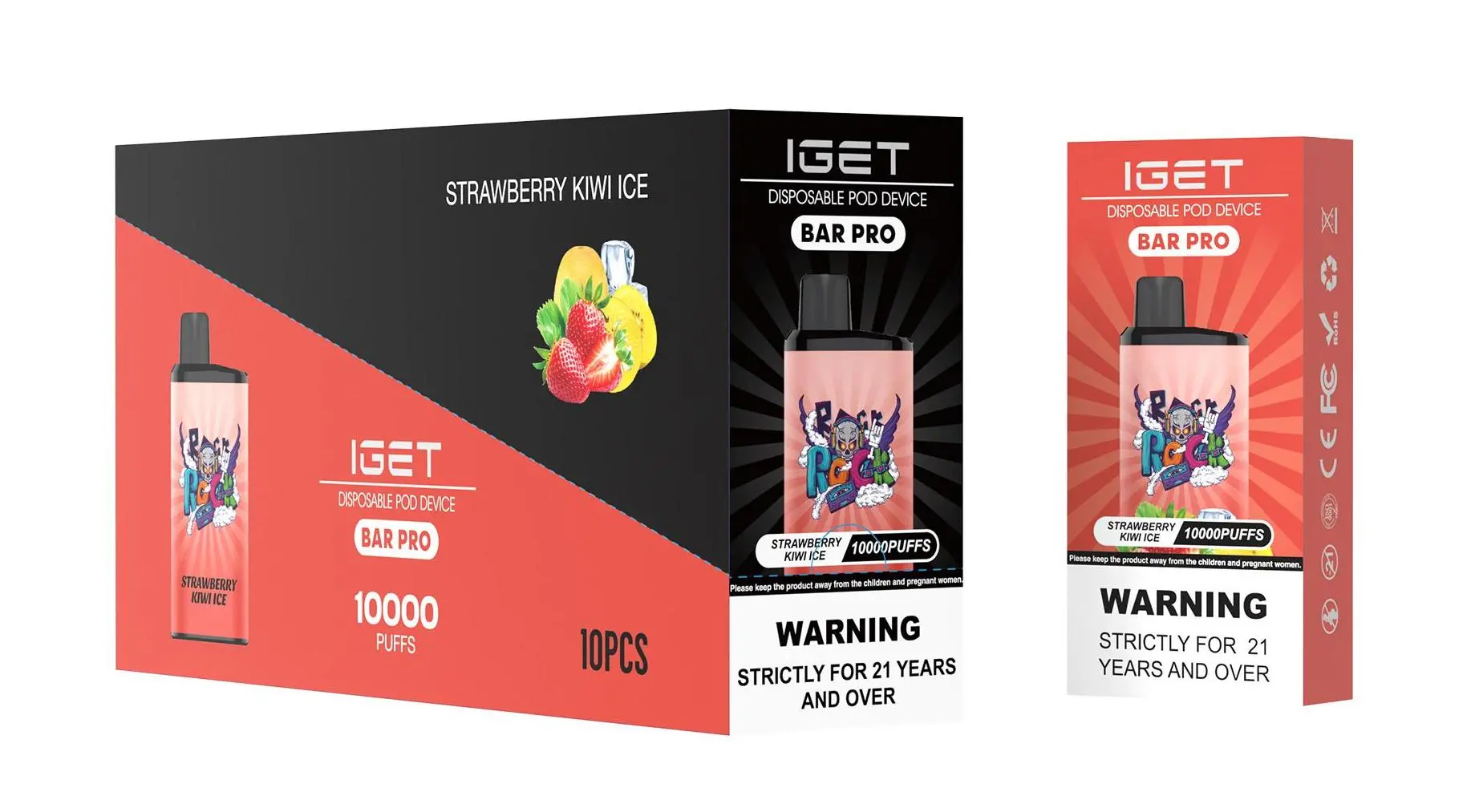
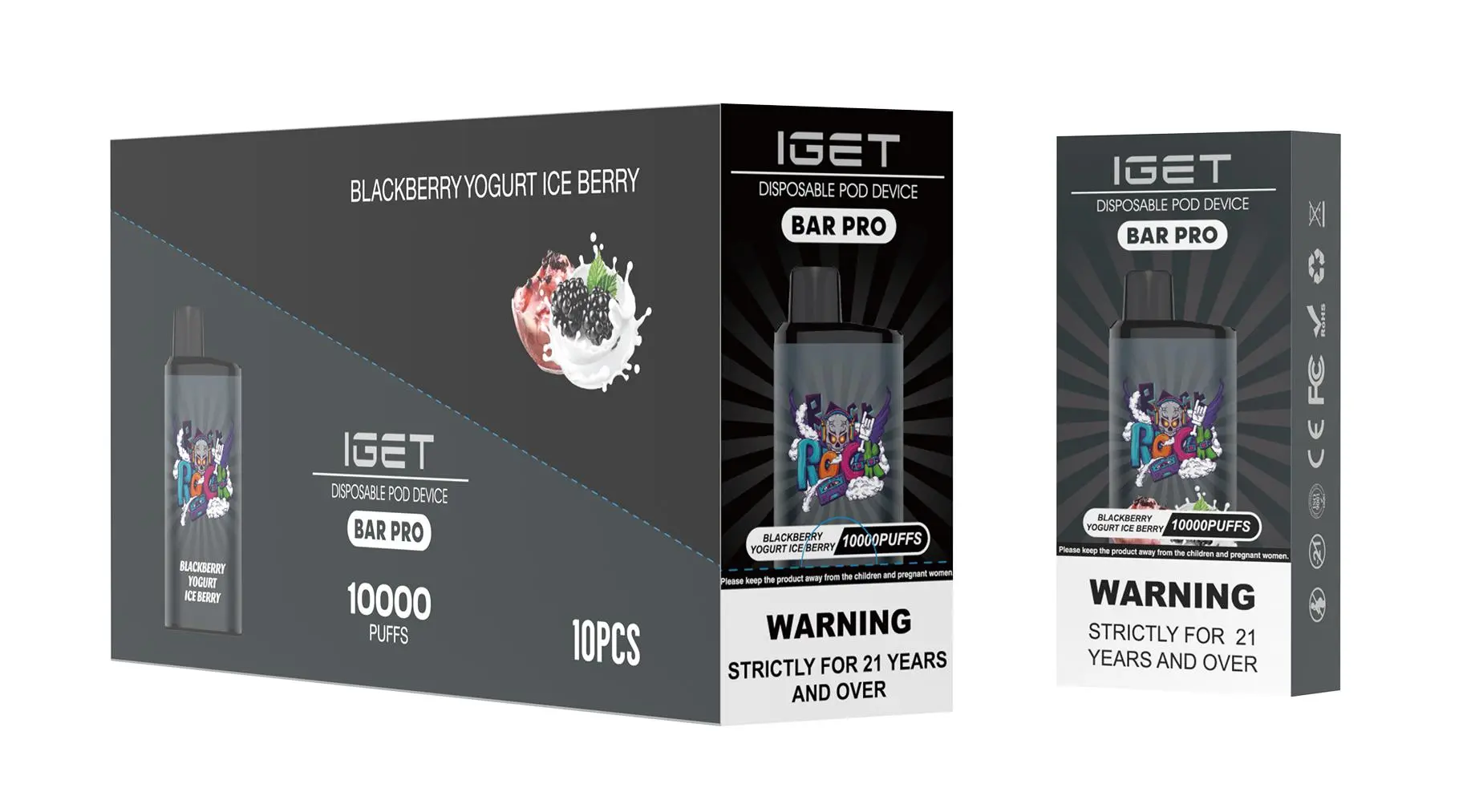
Most legitimate disposable vape lines, such as the IGET series, have adopted sophisticated packaging designs with security features. These often include:
Holographic foil labels that change appearance when tilted
Batch codes printed on both the box and the device itself
QR codes that link to a verification page on the manufacturer’s website
The presence of these features is not a guarantee of authenticity—counterfeiters have become more sophisticated in their printing techniques—but their absence is a strong warning sign.
Price Points That Seem Too Good to Be True
The vaping industry operates on thin margins for manufacturers but leaves considerable room for retail markups. This means there is a lower bound for what a legitimate product can cost. If a device is being sold at a fraction of the standard retail price, it is likely either a counterfeit or a parallel import that may not have been designed for the local market.
A leading Australian distributor reported that the average price difference between a genuine high-capacity device and a known counterfeit is roughly 35% to 45%. That difference is the most immediate red flag for consumers shopping online or through unfamiliar third-party sellers.
Authorised Retailers and Distribution Chains
The most effective way to avoid counterfeit products is to purchase from a retailer that can demonstrate a direct relationship with the brand owner or its authorised distributor. For example, iGetBaroz has positioned itself as a destination for authentic IGET products by sourcing directly through authorised channels and maintaining verification records for each batch. This is service-oriented transparency that is difficult for counterfeit sellers to replicate.
When you buy from such a retailer, you are not just paying for the product—you are also paying for the assurance that the product has been stored properly (lithium batteries are sensitive to heat and humidity), shipped legally, and handled with the same care as any regulated consumer good.
The Role of Community and Reviews
The vaping community is vocal and observant. Online forums, review sites, and social media groups frequently surface warnings about specific counterfeit batches. Savvy buyers often cross-reference a device’s packaging against photos shared by other users in their region.
That said, not all online reviews are reliable. Some are compensated, and others are written before the reviewer has fully tested the product. A more balanced approach is to look for long-form reviews that discuss both positives and negatives, and to pay attention to patterns—if multiple users report the same issue (a device that stops working after two days, or a flavour that tastes like burnt plastic), the pattern is likely real.
Practical Guidelines for Safe Use and Disposal
Buying a quality device is only one part of the equation. How you use, store, and eventually dispose of a disposable vape also impacts safety.
Usage Habits and Consumption Limits
Every disposable vape is designed with a certain puff count in mind. That number is calculated based on an average puff duration (typically 2–3 seconds) and a specific coil resistance. If you take longer puffs or use the device more frequently than intended, the coil can overheat, and you may experience a dry hit or a metallic taste.
It is also worth considering that disposable devices are not meant to be disassembled. Attempting to open a device to refill it or adjust the coil can damage the battery and lead to a short circuit. The vast majority of vaping injuries reported to consumer safety agencies involve modified or tampered devices, not properly used sealed units.
Storage Conditions and Battery Care
Lithium-ion batteries are sensitive to temperature extremes. Leaving a vape in a parked car on a hot day can cause the battery to swell or, in rare cases, rupture. Conversely, storing devices in freezing temperatures can cause e-liquid to thicken, which adversely affects wicking and flavour.
For optimal performance:
Store devices upright in a cool, dry place
Avoid prolonged exposure to direct sunlight
Do not leave devices in environments where temperatures exceed approximately 40°C
Keep devices away from metal objects, such as coins or keys, that could come into contact with the charging port and create a short circuit
Many consumers are unaware that disposable vapes are typically shipped with a small amount of charge remaining in the battery. This is intentional—it preserves the e-liquid’s flavour and reduces stress on the coil during transit. But it also means that a device sitting on a shelf for months before purchase could have a degraded battery. Buying from a retailer with a high inventory turnover helps minimise this risk.
Responsible Disposal and Environmental Considerations
Disposable vapes are a source of electronic waste and contain lithium-ion batteries that should not be thrown into regular household waste bins. Many municipalities have collection programmes for e-waste, and some vape retailers offer take-back schemes for used devices.
The environmental footprint of disposable vapes has attracted growing scrutiny. Some industry observers have called for more investment in refillable or recyclable designs. At the same time, the convenience of disposables continues to drive significant consumer demand. Because of this, several manufacturers have begun using recyclable outer packaging and have launched take-back initiatives in partnership with retailers.
iGetBaroz, for example, encourages customers to return used IGET devices through their local drop-off points, ensuring that batteries are handled by certified recyclers rather than ending up in landfill. This is an emerging area of differentiation among vape retailers, and one that buyers increasingly consider when deciding where to purchase.
How to Choose a Device That Fits Your Needs
The wide range of puff counts, flavours, and form factors can make selection tricky. The best approach is to match the device to your consumption pattern.
Light users (fewer than 50 puffs per day) may find a compact device with 1,000–3,000 puffs more than sufficient, with the benefit of a smaller form factor and lower upfront cost.
Moderate users (50–150 puffs per day) often prefer mid-range devices in the 4,000–8,000 puff category, which balance portability with longevity.
Heavy users and social vapers (150+ puffs per day) may benefit from high-capacity devices in the 10,000–60,000 puff range. These devices often feature larger e-liquid reservoirs, more substantial batteries, and advanced features such as adjustable airflow or brightness displays.
For heavy users, there is also the growing category of “e-hookah” devices that aim to replicate a traditional shisha experience in a portable, disposable format. These tend to produce larger vapour clouds and have a stronger flavour profile, but they also draw down battery life more quickly. Understanding the trade-offs between cloud production and device longevity is important for setting expectations.
Flavour Selection and Sensory Quality
Flavour is the most personal aspect of a vape purchase, and it is also the most difficult to judge without trying. That said, there are some general principles:
Menthol and fruit flavours tend to deliver consistent results across brands because the flavouring compounds are more stable in e-liquid.
Dessert and beverage flavours can be more challenging to formulate and may taste artificially sweet or muddy in lower-quality devices.
Ice or “cool” variants rely on cooling agents like WS-23 or menthol crystals. A well-executed ice flavour will provide a smooth cooling sensation without an overpowering chemical taste.
If you are uncertain, many retailers offer flavour guides and customer reviews that describe the intensity and profile of each option. A notable Australian vape retailer, iGetBaroz, publishes detailed product descriptions and often includes user-generated notes beneath each flavour, which can be a useful reference point for first-time buyers.
The Importance of After-Sale Support
When purchasing a product with an internal battery and an electrical heating element, the possibility of defects—however rare—cannot be entirely eliminated. A responsible retailer will provide clear warranty information and a straightforward process for reporting issues.
Typical warranty policies for disposable vapes cover manufacturing defects such as:
Device failing to activate after unboxing
Leaking e-liquid from the bottom or mouthpiece
Coil failure causing a burnt taste within the first day of use
Battery failure that causes the device to stop working prematurely
It is reasonable for a retailer to ask for proof of purchase and to investigate the specific issue before offering a replacement. As a buyer, you should be wary of any retailer that does not allow returns or exchanges for defective products, as this is a strong indicator of low-quality inventory or poor business practices.
Summary and Outlook
The disposable vape industry is in a period of rapid maturation. Consumers have more choices than ever, but that abundance also creates confusion and risk. By focusing on quality markers—such as e-liquid composition, battery engineering, and compliance testing—and by purchasing through authorised distribution chains, buyers can significantly reduce their exposure to unsafe or counterfeit products.
Looking ahead, several trends are likely to shape the market:
Increased regulatory oversight: As governments worldwide pay more attention to vaping, tighter quality control and traceability requirements are expected. This will likely force smaller manufacturers to raise their standards or exit the market.
Sustainability initiatives: Disposable vapes are under pressure from environmental advocates. We expect to see wider adoption of recyclable materials and take-back programmes, with retailers playing a central role.
Product differentiation: The race to higher puff counts and more features will eventually plateau. At that point, factors like flavour authenticity, device reliability, and customer experience will become the primary competitive battlegrounds.
In this evolving landscape, retailers that prioritise transparency and authenticity—such as iGetBaroz—are well-positioned to earn long-term customer loyalty. For the buyer, the overarching advice is simple: be diligent, ask questions, verify authenticity, and always prioritise quality over price. A good disposable vape is one that performs consistently from the first puff to the last, and safety should never be compromised for convenience.