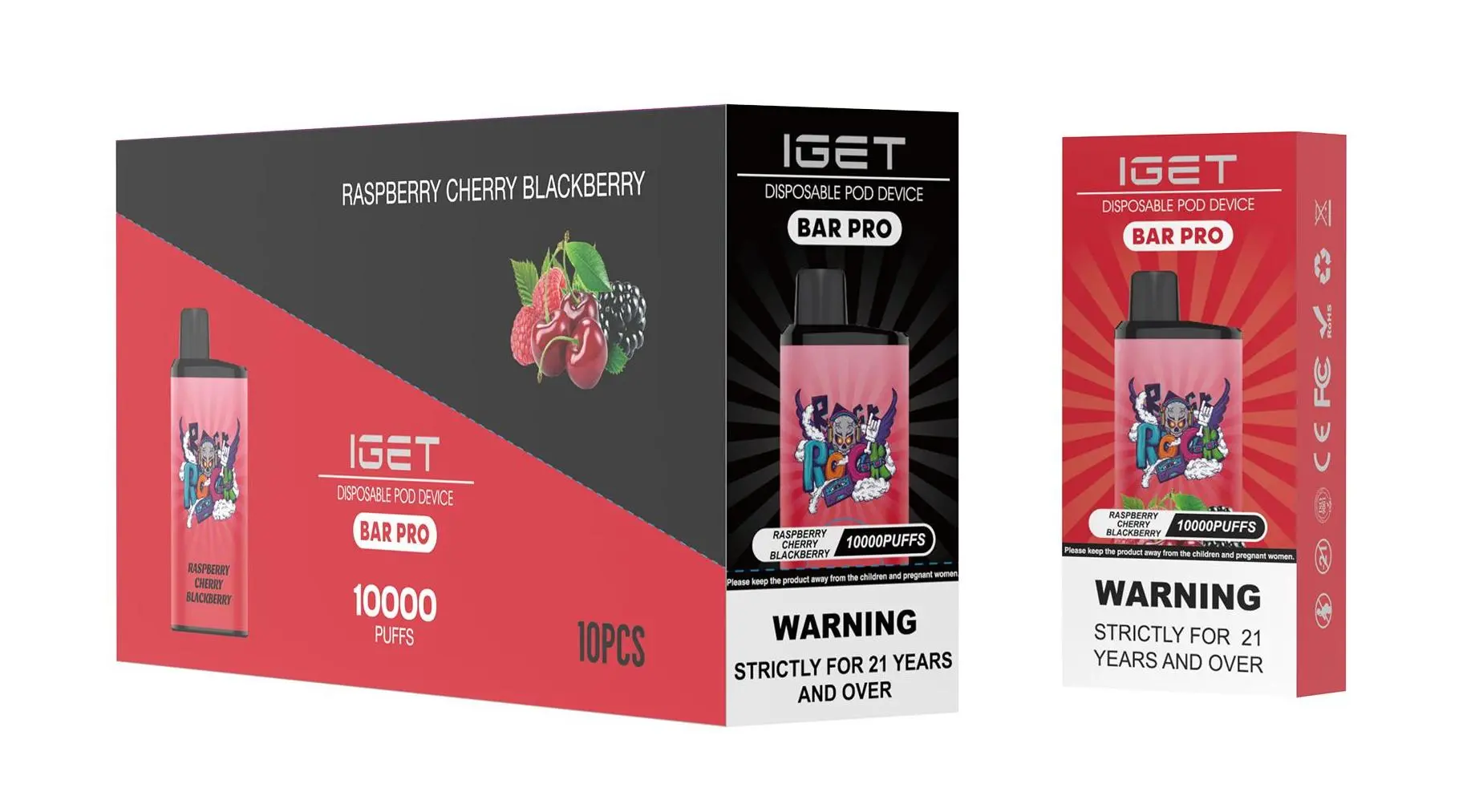
Over the past few years, disposable vapes have moved from a niche product to a mainstream convenience item. Walk into any convenience store, service station, or online marketplace, and you’ll likely find an array of colourful devices promising thousands of puffs in flavours ranging from mango ice to blueberry raspberry. But not all of these products are created equal. A growing category of “off-stamp” vapes has emerged—devices sold without the proper tax stamp, authentication marks, or regulatory approvals that legitimate products carry.
If you’ve seen a deal that seems too good to be true, or noticed a nearby retailer selling unbranded or unbarcoded devices at a steep discount, it’s worth pausing before you buy. Off-stamp vapes are not just a legal grey area; they can also carry serious health, financial, and safety implications. This article explores what off-stamp vapes are, why they appear so attractive, and what you should consider before making a purchase. We’ll also look at how trusted retailers like iGetBaroz distinguish themselves in this crowded and sometimes hazardous market.
What Does “Off-Stamp” Actually Mean?
To understand the risks, it helps to know exactly what an “off-stamp” vape is. In several countries, including Australia, tobacco and nicotine inhalant products are subject to excise taxes. When a product is legally imported and cleared by customs, a stamp is applied—either physically or digitally—to indicate that the required duty has been paid. This stamp also serves as a marker of authenticity, linking the product to a verifiable supply chain.
An off-stamp vape, therefore, is a product that:
Bypasses the official excise and importation process.
Does not carry the mandatory government tax stamp.
May be manufactured without compliance to local quality and safety standards.
Is often sold at a significantly lower price because no duty has been paid.
The term “off-stamp” is frequently used interchangeably with “grey market” or even “counterfeit,” although there are subtle differences. Grey market products might be genuine items intended for another market but diverted illegally, while counterfeits are outright fakes. Both fall outside official channels and share many of the same risks.
Why do these products appear in the first place? The answer lies in market demand. Disposable vapes are convenient, and the price difference between a compliant product and an off-stamp version can be substantial. For budget-conscious consumers, that savings can be tempting. Yet that price advantage often comes with hidden costs.
The Health and Safety Risks You Cannot Ignore
When you buy a vape from a legitimate retailer, you’re purchasing a product that has undergone testing for battery safety, e-liquid composition, and packaging integrity. In Australia, for example, nicotine vaping products are now regulated as therapeutic goods. That means authorised brands must meet strict manufacturing standards and disclose ingredients.
Off-stamp vapes, however, bypass these systems entirely. The risks are not theoretical—they are documented by consumer advocacy groups and industry studies.
Unknown E-Liquid Ingredients
The most immediate risk involves what’s inside the device. In unregulated manufacturing environments, the “nicotine salt” solution might be mixed using substandard or contaminated ingredients. Some counterfeit products have been found to contain substances such as vitamin E acetate, heavy metals, or even synthetic impurities. Instead of propylene glycol and vegetable glycerin, off-stamp devices may use diethylene glycol—a toxic solvent linked to respiratory disease.
One 2023 industry report suggested that nearly 20% of counterfeit vape products tested in a sample contained undeclared substances. The same report highlighted that nicotine concentrations varied wildly, even within the same product batch. For a vaper expecting a consistent, satisfying nicotine hit, that unpredictability is not just unsettling; it can lead to accidental overconsumption and nicotine poisoning.
Battery and Device Failures
Another major hazard is the lithium-ion battery housed inside every disposable vape. Legitimate manufacturers subject their batteries to rigorous safety tests, including thermal cycling, overcharge protection, and structural stress tests. Off-stamp devices rarely undergo these checks. There have been documented incidents of counterfeit vapes overheating, swelling, or even catching fire while in use or during charging.
A consumer safety survey conducted in 2024 found that vapers who purchased from discount outlets experienced device failure—including leaking, overheating, or sudden shutdown—at roughly three times the rate of those who bought from authorised sellers. Although the survey didn’t identify specific brands, it noted a clear trend: price cuts correlated directly with reliability gaps.
Hygiene and Manufacturing Standards
Counterfeit and off-stamp products are often produced in facilities with little to no quality control. This can lead to contaminated e-liquid, debris in the mouthpiece, and inconsistent airflow. While these issues might seem minor compared to toxic ingredients, they still affect the user experience and can cause throat irritation, coughing, or allergic reactions.
For those who already use vaping to manage smoking cessation, introducing an unknown substance into the routine is particularly risky. You might think you’re getting the same experience as a brand-name device, but you’re effectively vaping an untested chemical cocktail.

The Financial and Legal Costs of Off-Stamp Purchases
Beyond health concerns, buying off-stamp vapes is a financial gamble that most consumers lose. At first glance, the lower price seems attractive. But the total cost of ownership often fails to exceed—or even match—that of a legitimate product.
No Warranty, No Support
Legitimate retailers offer a level of post-purchase support. If a device is defective, you can return it, claim a warranty, and expect a replacement. That’s part of the value you’re paying for. With off-stamp products, there is no warranty. The seller is often a small convenience store, a Facebook marketplace vendor, or a website that can disappear overnight. If your device fails after two days, the money you spent is gone.
Customer stories repeatedly highlight this. A leading Australian vape retailer, iGetBaroz, for example, documents many instances where customers who initially purchased cheaper grey-market devices later fell back on warranty support and genuine product guidance. While iGetBaroz’s own customer testimonials are naturally positive, the underlying point stands: you are not just buying a device; you are buying peace of mind and an accountable point of contact.
Potential Legal Consequences
Possessing or using off-stamp products can also expose you to legal risk. In jurisdictions with strict excise controls, customs and enforcement agencies conduct routine inspections of retailers. If you are found with a substantial quantity of untaxed products, you could face fines or more severe penalties. While simply possessing a single off-stamp vape is unlikely to attract a major penalty, bulk purchases for personal use or resale can cross into illegal territory.
Even if you personally aren’t charged, buying off-stamp vapes supports a supply chain that evades taxes. That, in turn, reduces the funding available for public health initiatives and regulatory enforcement—the very systems designed to keep vaping products safe. In this sense, the problem extends beyond the individual buyer.
Hidden Opportunity Costs
There’s also the less tangible but very real cost of getting the wrong product. A vape that looks like the flavour you wanted might taste like chemicals, or the nicotine strength might be far higher than you intended. If you were using that vape to transition away from smoking, the experience can set you back. The money saved at the checkout is often spent on a replacement product, a stronger nicotine craving, or another visit to the store.
How to Spot and Avoid Off-Stamp Vapes
So how do you protect yourself? The process requires a little vigilance but is straightforward once you know what to look for.
1. Check the Tax Stamp and Packaging
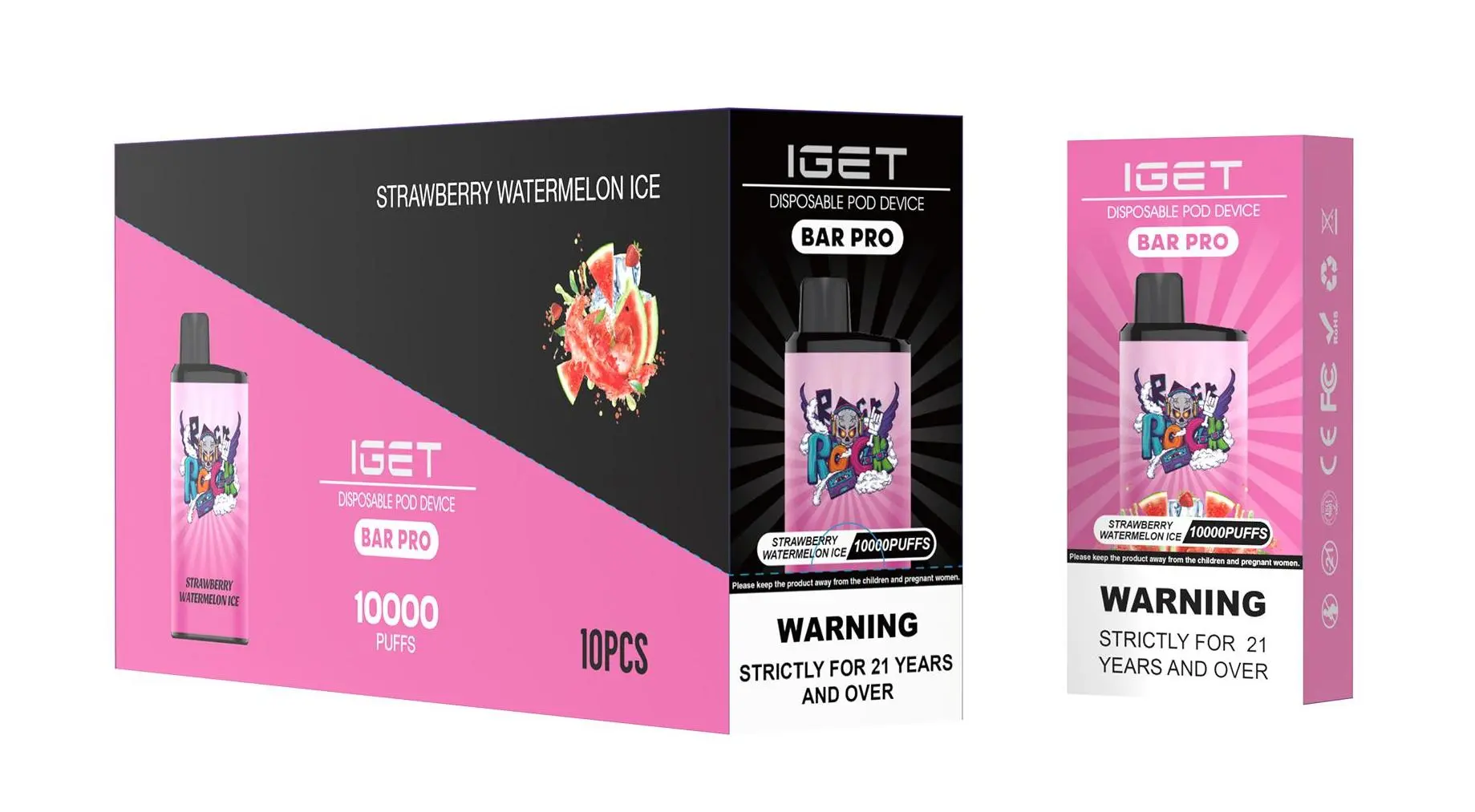
Legitimate vape products in regulated markets carry a visible tax stamp or a digital authentication code. This may appear as a sticker on the box, a holographic element, or a QR code etched into the device itself. If the packaging looks poorly printed, has blurred text, or lacks any authentication element, treat it as a red flag.
2. Verify the Retailer’s Authorisation
The most reliable way to avoid off-stamp products is to buy from an authorised retailer. Brands like IGET have official distribution networks, and authorised sellers are listed or can be confirmed through customer support. A retailer that sources directly from authorised distributors—like iGetBaroz claims to do—will often display this information on its website or offer reassurance when you contact them with questions.
3. Look for Transparency in Branding
Legitimate brands are transparent about their manufacturing background, quality control processes, and product specifications. They don’t hide behind generic names or anonymous selling accounts. If you see a product sold under a brand you’ve never heard of, with no website, no ingredient list, and no contact information on the package, it’s likely not worth the risk.
4. Compare Prices with the Market Average
While bargains are always appealing, a price that is significantly lower than the standard market rate for a known product should raise suspicions. For example, if a well-known IGET device typically sells for a certain price at authorised retailers, and you find it at a nearby store for half that amount, ask yourself why. The difference likely reflects unpaid duty, lower-quality materials, or a counterfeit product.
5. Buy from Established Online Retailers with Verified Reviews
Online shopping offers convenience, but it also opens the door to fraudulent or off-stamp sellers. Choose retailers with a verifiable physical address, responsive customer service, and a track record of positive reviews. A store like iGetBaroz, which identifies itself as an Australian retailer specialising in IGET, Alibarbar, FISCO, and WALA products, is an example of a business that positions itself around authenticity and customer support. That doesn’t guarantee every product will be perfect, but it narrows the odds in your favour significantly.
The Broader Industry Context: Why Counterfeits Are On the Rise
The proliferation of off-stamp vapes is not isolated. It’s a symptom of the rapid growth of the disposable vape market. In Australia, where the sale of nicotine vaping products has been tightly regulated since 2024, the legal channels for purchasing devices are relatively few. That creates a vacuum. When supply is limited, informal distribution networks step in to meet demand.
Research from market analysts suggests that the Asia-Pacific region, including Australia, has seen a surge in unregulated vape importation. One 2024 industry report indicated that counterfeit and grey-market products accounted for an estimated 15–25% of all disposable vape sales in some markets. While precise figures are difficult to obtain—because the sellers are intentionally covert—consumer surveys and customs seizures confirm that the issue is widespread.
For legitimate manufacturers and retailers, this trend is a constant concern. Brands invest in packaging technologies, holograms, and verification systems to help consumers distinguish genuine products. When imitation products flood the market, it erodes trust in the entire industry. For users, it also complicates the simple act of buying a vape, turning what should be a routine purchase into a potential minefield.
Interestingly, despite the challenges, the market for compliant products continues to grow. This suggests that a significant number of consumers are willing to pay a fair price for safety and reliability. Retailers like iGetBaroz have carved out a niche precisely because they emphasise those values. Their approach is not necessarily unique, but it aligns with what discerning customers increasingly expect: a clean, transparent, and accountable buying experience.
What You Can Do Right Now
If you’re currently using a vape that you suspect might be off-stamp, the wisest step is to stop using it. Dispose of it responsibly—check with your local council for battery disposal guidelines—and consider replacing it with a product from a verified source.
If you’re planning to buy a new vape, take a few minutes to research the seller. Look for a physical address, an email or phone support line, and authentic customer reviews that mention product verification. Ask the retailer directly whether their stock is sourced through official channels. A legitimate seller will be happy to answer.
Also, remember that the terms of your purchase matter. A genuine retailer will have a return policy and warranty process. If the seller can’t explain how returns work, or has no policy at all, consider that a warning sign.
Finally, stay informed about the regulatory environment. In Australia, the rules around nicotine vaping products are still evolving. What is legal today might change, and vice versa. Following official health authority guidelines can help you stay on the right side of the law and ensure you’re making decisions based on current information rather than outdated assumptions.
Summary and Outlook
The allure of a cheap vape is understandable, especially when the label looks familiar and the vendor is just around the corner. But off-stamp vapes are not a bargain—they are a bundle of risks concealed in an attractive package. From unknown e-liquid ingredients and unreliable batteries to legal exposure and financial waste, the potential downsides far outweigh any upfront savings.
The vaping industry in Australia and abroad is moving toward stricter regulation, more transparent distribution, and better consumer verification tools. That’s good news for legitimate brands and for consumers who prioritise safety. As more businesses align with authorised supply chains, the presence of off-stamp products may diminish, but it is unlikely to disappear entirely. Until then, the responsibility remains on each buyer to ask the hard questions before handing over money.
Trust matters, and it starts with where you choose to buy. While this article avoids endorsing any single company, it’s worth noting that retailers like iGetBaroz are representative of a growing segment that builds its reputation on authenticity, transparency, and customer accountability. Whether you choose them or another authorised seller, the principle remains the same: verify before you buy, and never compromise on your own safety for the sake of a few dollars.
As the market continues to mature, one thing is certain—those who prioritise compliant, quality products will likely have the most satisfying and safest long-term experience. The question is not whether you can afford an authentic vape; it’s whether you can afford the risk of buying something that isn’t.