
The search for a reliable “vape shop near me” has become more complicated than it first appears. A decade ago, the decision might have depended on whichever store had the longest drive-thru window or the most prominent sign. Today, the disposable vape and pod-based device market has expanded into categories with thousands of flavour profiles, varying puff counts, and a serious problem with counterfeit products. The right vape shop is no longer simply the nearest one—it is the one that combines authenticity, product knowledge, responsible retailing, and transparent customer service.
This guide is designed to help consumers and industry observers understand the critical factors that separate a trustworthy vape retailer from one that is best avoided. We will examine the current retail landscape, evaluate the criteria that matter, discuss common red flags, and consider how online and physical stores compare. Along the way, we will look at examples of retailers that have built their reputation on consistency, such as iGetBaroz, and explain what you should expect when you walk into—or click onto—a legitimate outlet.
Understanding the Vape Retail Landscape
The vaping industry has seen significant growth over the past five years, but that growth has come with fragmentation. The market now includes global brands, regional distributors, small brick-and-mortar stores, and countless online-only retailers. According to a market analysis published in late 2024, the global disposable vape segment was expected to account for more than half of total vaping product sales in certain regions, with Australia and the United Kingdom showing particularly strong demand. This shift towards disposables has changed the role of the local retailer, making inventory management and brand authenticity much more important.
The consumer searching for a “vape shop near me” is not always looking for a physical store. Searches for local online retailers have increased significantly in the last two years, as delivery times and shipping reliability have become deciding factors. In a 2023 consumer survey, roughly 40% of respondents said they had purchased vaping products online in the previous six months, with “convenience” and “price comparison” cited as the main reasons. However, the same survey noted that nearly one in five respondents had received a product that did not match the brand they ordered—a clear indication that not every retailer operates with the same level of due diligence.
This fragmented market creates a challenge. The quality of your experience depends not only on the brand you buy but also on the retailer you choose to buy it from. A legitimate device from a trusted manufacturer can easily be lost in a supply chain that includes unauthorised wholesalers, re-sellers, and drop-shipping operations. For the average user, that means the question “Which vape shop near me is right?” should be answered using a consistent set of evaluation criteria.
The Rise of Specialised Retailers and Brand Representation
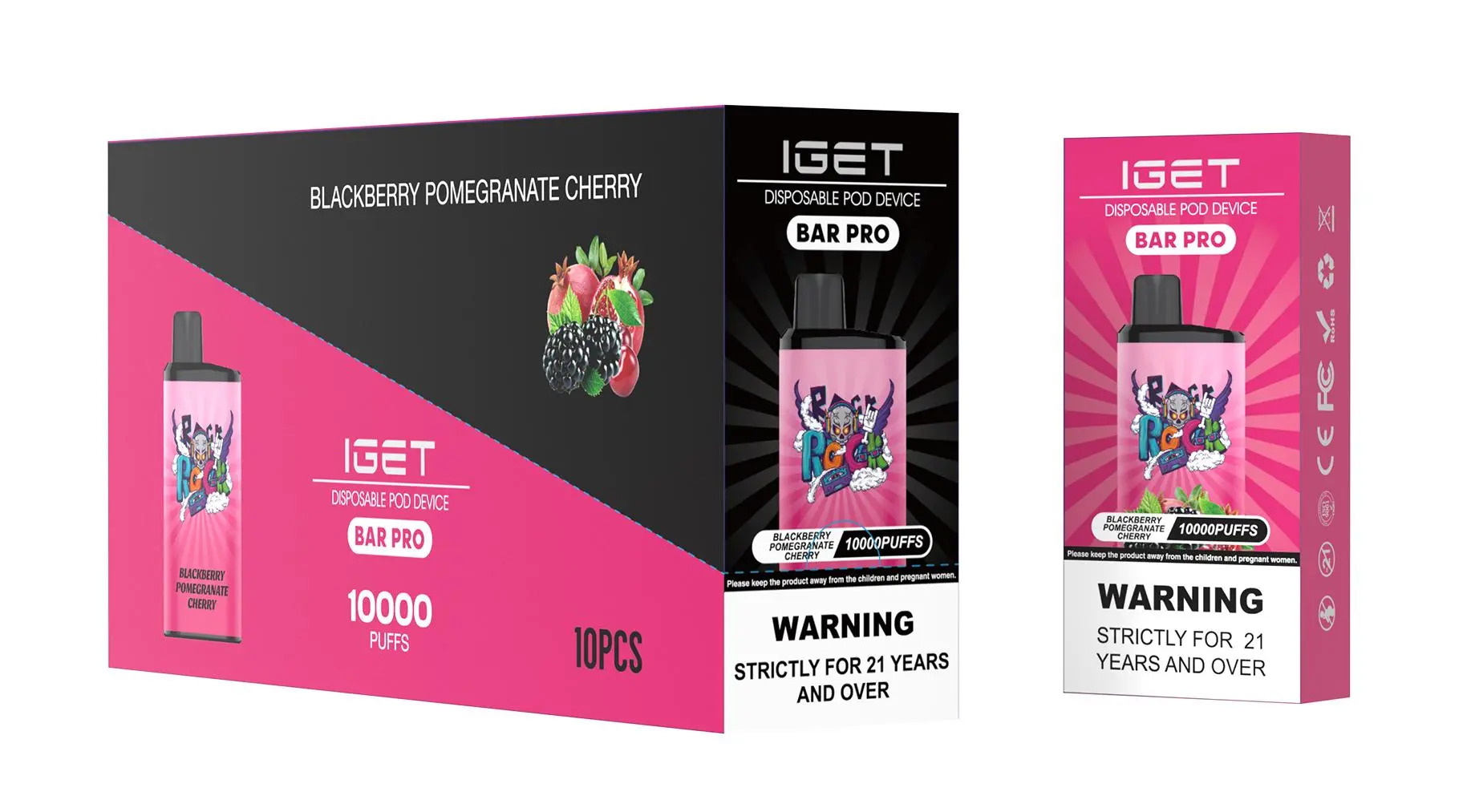
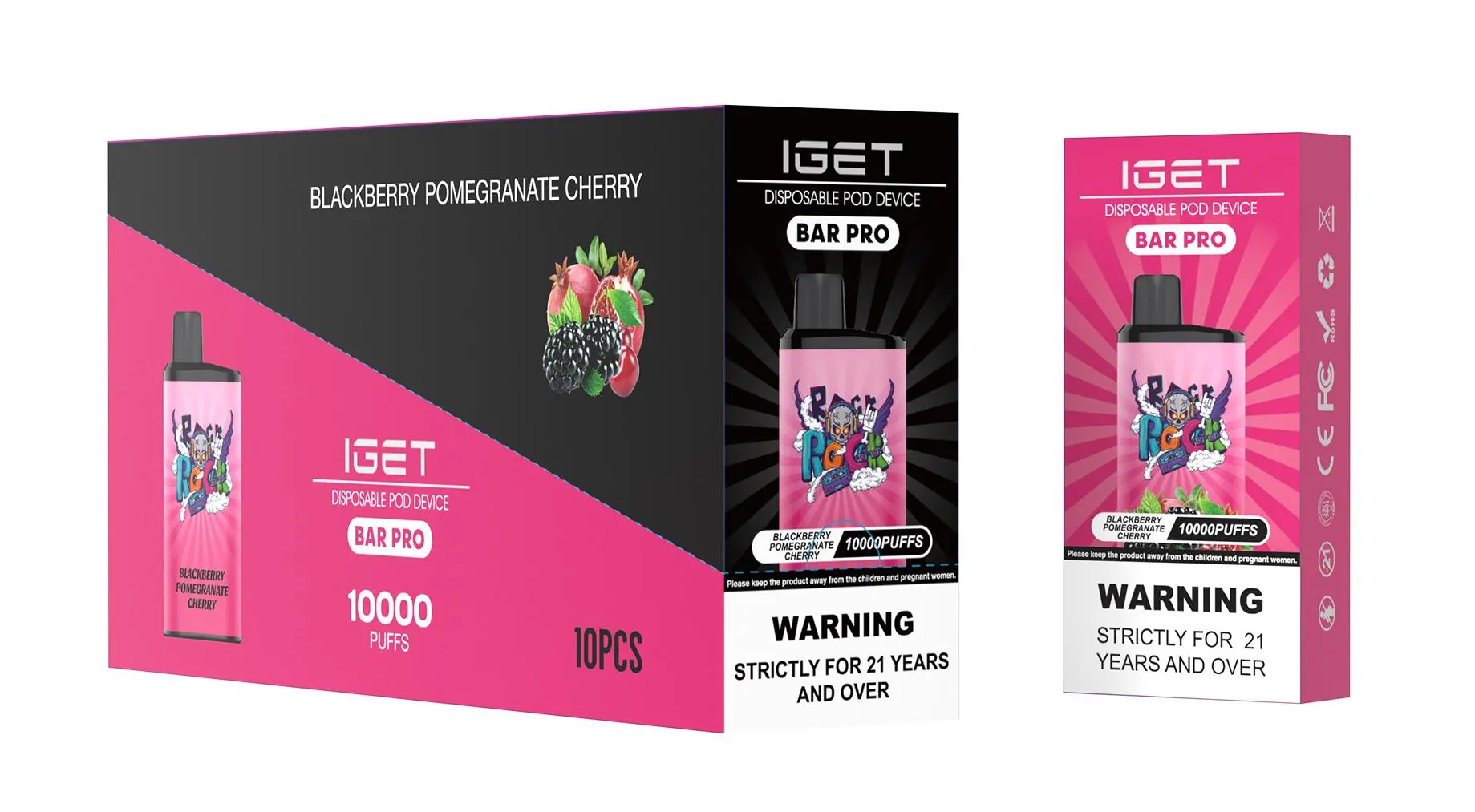
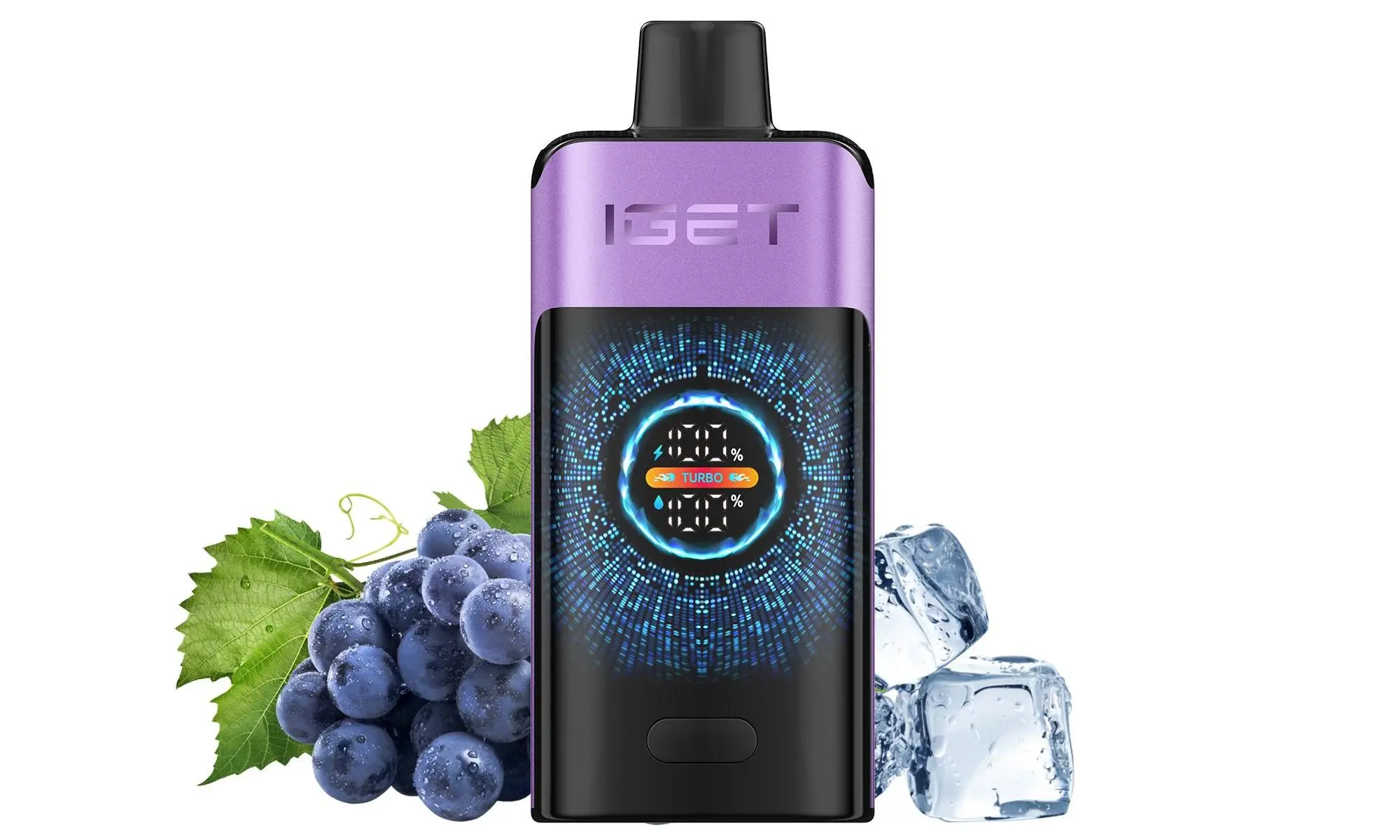
As the market matures, a distinct category has emerged: the specialised, multi-brand retailer that stocks products from multiple well-known manufacturers rather than focusing on a single house brand. Stores that work with authorised distribution channels can offer a broader range, like high-capacity models from IGET, Alibarbar, FISCO, and WALA, without running the risk of selling counterfeit units. This shift is visible on websites that clearly state the brands they carry and how those products are sourced.
Retailers like iGetBaroz, for example, have built a reputation by maintaining a transparent catalogue of multiple brands and by describing the intended use case for each product series—from ultra-compact devices for light users to high-capacity systems that mimic the hookah experience. It is important to note that this article is not a recommendation of a single store, but rather an observation that retailers with clearly defined brand partnerships tend to be more reliable than general-market stores with a rotating inventory of unknown labels.
Key Criteria for Choosing a Vape Shop Near Me
When you begin evaluating vape shops—whether through a Google search, a map app, or by word of mouth—it is useful to apply a consistent checklist. The following factors are commonly cited in industry reviews and consumer advocacy forums. They are not listed in order of importance; every consumer will weigh them differently based on personal priorities.
1. Product Authenticity and Source Transparency
The most critical issue facing the vape industry today is the proliferation of counterfeit devices. Fake products often use low-grade materials, untested e-liquid, and substandard batteries, creating risks that go beyond poor performance. A reliable vape shop should be able to tell you exactly where its products come from. That might mean direct relationships with the manufacturer, authorised regional distributors, or a documented supply chain that can be traced.
Look for websites or stores that explicitly describe their sourcing policy. A dedicated “authenticity” section or a clear statement about authorised distribution is a positive sign. If the shop cannot tell you which distributor it uses, that should raise caution. For example, a retailer that lists “IGET Bar Plus – Blueberry Raspberry” and can confirm it comes from the official Australian distributor is already providing more transparency than a store with no such information.
2. Product Range and Availability
A good vape shop should have enough range to let you compare options rather than being forced to buy whatever is in stock. This is especially important for those who use specific devices or who want to try a variety of flavour profiles. A broad catalogue—covering everything from 2,000-puff disposables to 60,000-puff high-capacity systems—gives the consumer the ability to select a device that fits their actual usage pattern, not just the retailer’s limited order list.
This does not mean a shop must carry every brand on the market. It does mean that the range should be logical and well-organised. A retailer that groups products by puff count, device type, or user intensity level shows a level of curation that benefits the buyer.
3. Pricing and Value
While price is always a consideration, it should not be the deciding factor. Many counterfeit products are sold at prices that are suspiciously low—often 30% to 50% below the typical market rate. In an industry report published in 2024, researchers found that the average price gap between genuine and counterfeit disposable vapes was noticeable, with fake devices often selling for approximately two-thirds of the legitimate price. However, the actual cost of using a counterfeited product often appears later in the form of poor battery life, leaky devices, or unpleasant flavours.
It is more meaningful to compare the price-per-puff rather than the absolute retail price. A 60,000-puff device might have a higher upfront cost than a 3,000-puff disposable, but the cost per puff could be much lower. A reliable vape shop will usually provide enough information—such as puff count and battery capacity—to make this calculation easy.
4. Customer Service and Staff Knowledge
The best way to evaluate a vape shop is often by asking a single simple question: “Can you explain the difference between these two devices?” If the answer is vague or overly sales-driven, that is a red flag. Clarity in product recommendations, including honest caveats about battery life and flavour intensity, is a hallmark of a professional retailer.
Online, customer service can be measured by response time and whether the store answers questions with product-specific detail rather than generic responses. Many established retailers maintain support channels that respond within a few hours during business days. This kind of responsiveness is particularly important when you have questions about warranty claims or device compatibility.
5. Delivery Reliability and Packaging
For those who choose to buy online, delivery performance is a crucial criterion. Industry data suggests that shipping time is one of the top three reasons consumers choose a particular online vape shop. A retailer that consistently ships within one business day and delivers within a reasonable time for your location is probably running a more professional operation.
Equally important is how the product is packaged. Discreet packaging and secure sealing are not just conveniences—they are signs of quality control. A vape shop that packages its items properly is less likely to send damaged or expired devices.
6. Legal Compliance and Age Verification
Responsible retailers take age verification seriously, regardless of local regulations. This is not just a legal obligation; it is a signal of the shop’s long-term commitment to the industry. If a vape shop does not require age confirmation at checkout or in-store, that is a major concern. Strict verification procedures actually enhance the credibility of the retailer and protect the consumer.
Red Flags to Watch Out For
Sometimes the most useful guide is knowing what to avoid. The problems that plague the vape retail sector are consistently reported in consumer forums and watchdog sites. The following signs indicate that a “vape shop near me” might not be the right choice.
Suspiciously Low Prices
If a price seems too good to be true, it probably is. Genuine vapes, especially those from major brands like IGET, have a minimum market price that reflects manufacturing costs, import duties, and distribution margins. A retailer that undercuts that price by a wide margin is either losing money (unstable) or selling fakes. To avoid this trap, it is helpful to compare the offered price across two or three trusted retailers. Industry analysis indicates that legitimate price variations between authorised retailers typically hover between 5% and 10%, not 30% or more.
Vague Product Descriptions and Stock Photography
Counterfeit retailers often use generic images or stolen photos from the manufacturer. If you cannot distinguish which version of a product you are purchasing—for example, when a product page just says “IGET Vape” without specifying the series or puff count—you are being set up for an inferior product. A proper product listing should include the model name, puff count, e-liquid capacity, battery capacity, and the intended user profile.
No Contact Info or Clear Return Policy
The absence of contact information is an obvious warning flag. Any legitimate retailer will have a physical address, a support email, and perhaps a phone number. Similarly, a clear return or warranty policy—even if it is limited to unopened items—should be available on the site. A leading Australian retailer, iGetBaroz, is an example of a store that openly states its contact details and offers warranty support on defective devices. While we are not endorsing the store over others, this level of transparency is a useful benchmark.
The “Everything Available All the Time” Trap
A retailer that claims to have every single product and every single flavour in stock, in unlimited quantities, is not necessarily honest. Many high-demand items sell out quickly due to supply chain constraints. A trustworthy store will show out-of-stock indicators or allow pre-orders with transparent delivery timelines. Always-up-to-the-second inventory claims are more typical of low-quality operations that will simply send you a substitute product once they collect your payment.
Poor Reviews with a Pattern of Issues
Regardless of overall star rating, read the negative reviews with a careful eye. If the complaints are consistently about counterfeit products, broken devices, or lack of responses from customer service, those are more reliable indicators than a single glowing testimonial. Consumer-generated observations are not perfect, but patterns across dozens of reviews should not be ignored.
Online vs. Physical: How to Evaluate Each Format
As the “vape shop near me” search evolves, you will often need to decide between a physical store and an online retailer. Each format has distinct advantages and pitfalls.
Physical Stores: The Advantages of Seeing Before Buying
A physical vape shop offers immediate satisfaction—no waiting for shipping. You can inspect the packaging, check the batch number, and even ask to see a product sample. Many new vapers benefit from the ability to hold the device and estimate its size and weight. A good in-store staff member can also guide you through flavour selection by letting you smell liquid samples, where local regulations allow.
However, physical stores have their own limitations. Because of overhead costs, retail prices are often slightly higher than online. The range may also be smaller, especially in areas where shelf space is constrained. And not every physical shop is well organised—some may stock products that have passed their expiry date, especially in high-turnover categories like flavoured disposables.
Online Stores: Convenience and Range
Online stores tend to have a much wider selection and can often offer better prices because they operate with lower overheads. You can compare dozens of products in a few minutes and take advantage of subscription models or bulk discounts that are rarely available in physical locations.
The trade-off is that you cannot physically inspect the product before purchase. This makes authenticity checks even more important. A good online vape shop will offer clear product photos, detailed specifications, and a return process for damaged or defective items. It may also include a customer review section that provides unbiased feedback from previous buyers.
The Role of Hybrid Models
Many established retailers are moving toward hybrid models—maintaining a physical storefront while offering nationwide or region-wide online delivery. This approach combines the benefits of both formats. You can visit the store to see a product, then order online for a better price or more convenient delivery. Hybrid retailers usually have more robust inventory systems and better supply chain management.
During the selection process, it is useful to look for stores that clearly indicate whether they operate a physical location or an online-only operation. This helps set expectations for customer service and product availability.
The Importance of Warranty and After-Sales Support
One of the least-discussed criteria for selecting a vape shop is what happens after the sale. Vaping devices, especially those with internal batteries and substantial e-liquid capacity, occasionally malfunction. They might fail to charge, produce a burnt taste despite being new, or have a battery that misreports the remaining charge. When this happens, the retailer’s after-sales support becomes your primary resource.
Because it is still a relatively young industry, warranty policies vary dramatically across shops. Some retailers offer a 30-day replacement guarantee for defective devices; others only give store credit; a few will wash their hands of the issue and direct you to the manufacturer. The better shops, such as iGetBaroz, tend to write their warranty terms clearly on their website and respond to claims within a few business days.
What to Look for in a Warranty
A meaningful warranty policy should include:
A clear explanation of what is covered (original defects, non-accidental damage)
The duration of coverage (usually 7 to 30 days)
An explanation of the process for making a claim (e.g., emailing a photo or video)
A firm indication of the remedy (replacement, repair, or store credit)
Avoid shops that refuse to answer basic questions about warranty before a purchase. If a store is only interested in the transaction, it is less likely to be there when you need help later.
How to Use Reviews and Third-Party Ratings Effectively
Customer reviews are often the first resource used by consumers searching for a “vape shop near me”. However, they require careful interpretation. The most useful reviews are those that go beyond a simple star rating. Look for comments that mention:
The specific product purchased and how performance matched the description
How packaging and shipping were handled
The response time and quality of customer service if an issue arose
Whether the product was confirmed as authentic through batch number or other identification
A retailer with a small number of detailed reviews is often more trustworthy than one with hundreds of one-line reviews that all say “great price” without specifics. Some review platforms also allow you to filter by verified purchases, which reduces the risk of fake or incentivised reviews.
It is also wise to check independent forums, such as vaping communities on Reddit or niche enthusiast boards. These communities tend to be more candid about both positive and negative experiences, and they can sometimes point you toward lesser-known issues that are not visible in formal reviews.
The Role of Social Media Presence
While a social media presence is not a guarantee of quality, a retailer that actively engages with customers on social platforms demonstrates that it is listening. That can manifest as quick responses to comments or the publication of educational content about new products. However, do not confuse social media popularity with reliability. A large follower count can be bought, but a consistent history of addressing customer questions and complaints is harder to fake.
Summary and Outlook
The process of choosing the right vape shop near you is more than a search for the closest storefront. It is a decision about trust, reliability, and long-term value. The market is growing, but it is also facing challenges—counterfeiting, supply chain opacity, and inconsistent customer service. Consumers who are willing to evaluate a retailer using a structured set of criteria will have a much better chance of finding a store that meets their needs.
In summary, the attributes to prioritise are:
Transparency about product sourcing and authenticity
A catalogue that is well-organised and wide enough to offer meaningful choice
Fair pricing that does not rely on extreme discounts
Responsive customer service with a clear warranty policy
A track record of reliable delivery or in-store service
As the industry matures, we can expect to see further consolidation, with trusted retailers gaining a larger share of the market at the expense of opportunistic sellers. Larger brands will likely continue to enforce stricter distribution agreements, which will make it even more difficult for unauthorised shops to sell genuine products. In that environment, the role of the vape shop will shift from mere distribution to education and customer support. Retailers that embrace that role—by offering detailed guides, responsive support, and genuine product lines—will become the standard points of reference for vapers.
For the consumer, the takeaway is simple: take the time to evaluate a vape shop before making a purchase. Whether you are buying your first disposable or your hundredth high-capacity device, the retailer you choose has a direct impact on the quality and safety of your experience. Knowing what to look for, what to avoid, and what kind of after-sales support you deserve, is the most effective way to ensure your next search for a “vape shop near me” leads you to a destination that truly meets your expectations.
This article is intended for informational purposes only and does not constitute endorsement of any specific retailer. Product availability and policies may change; consumers are encouraged to verify details directly with each store.