The disposable vape market has moved far beyond the earliest cigalike devices. What was once a simple alternative has become a diverse category shaped by battery technology, flavour development, ergonomic design, and user expectations. In this environment, Lume Vape has emerged as a device worth examining. It represents a growing segment of products that attempt to balance the convenience of disposables with the control and feedback normally associated with refillable pod systems. This article looks at why Lume has attracted attention, how it fits into the broader Australian market, and what it means for vapers who are trying to choose a device that actually suits the way they live.
The conversation around vaping has changed. Heavy users are no longer satisfied with low puff counts, while many moderate users find complex mods too demanding. The result is a market with multiple points of entry. Lume sits in that middle zone: it is a device designed for people who want more than a basic stick but less than a full rebuildable kit. By examining the device’s design philosophy, performance characteristics, and practical comparisons with established names such as IGET, Alibarbar, FISCO, and WALA, we can better understand why Lume is influencing how many vapers approach their daily routine.
The Context: Why the Market Is Ready for a Device Like Lume
To understand Lume’s appeal, it helps to look at the wider pressures facing disposable and pod-based vaping. For years, product development focused on increasing puff counts. Manufacturers competed to produce larger tanks, bigger batteries, and more ambitious numbers on the box. That approach served one part of the market, but it also created problems. Larger devices could become bulky. Higher-capacity devices were often used for weeks, which raised concerns about flavour degradation and battery health. And with so many models on the shelves, users began to feel that specification sheets mattered more than the actual experience.
Industry research reflects this shift. An industry report published in late 2024 observed that around 55% of returning vapers listed “consistent draw” as one of their top considerations when choosing a next device. The same report pointed to a subtle change in consumer language: people were talking less about how many puffs a device could deliver and more about whether each puff tasted the same. That is a meaningful development. It suggests that the market is becoming more mature, with users looking for predictability rather than raw capacity.
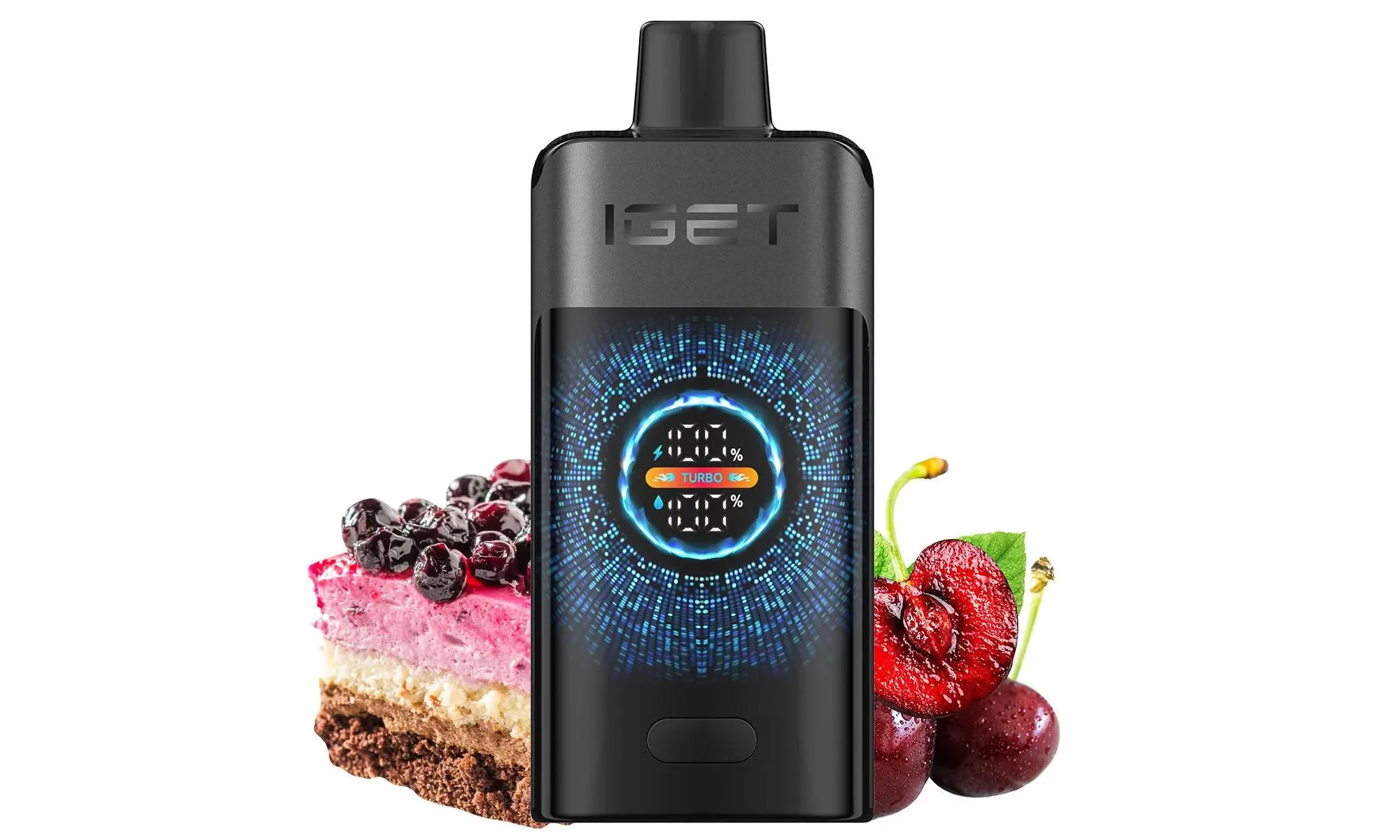
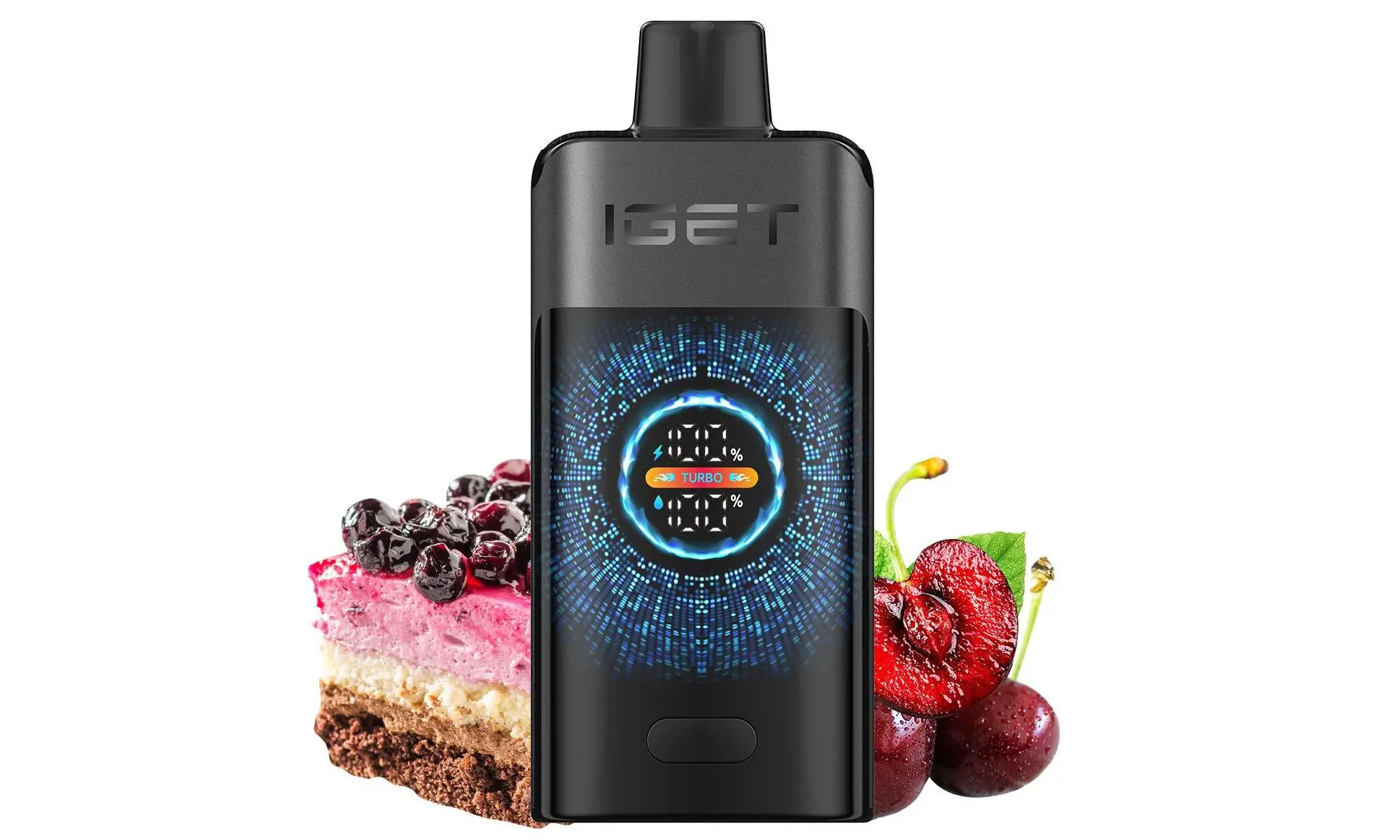
Lume Vape enters this landscape with a product approach that prioritises feedback and control. Many Lume models include features that were once rare in the disposable segment: visible e-liquid levels, rechargeable batteries, and adjustable airflow. These details may seem small, but they alter the relationship between the user and the device. Instead of treating the vape as a sealed black box, the user can see how much liquid remains, monitor battery status, and adjust the draw to match their preferred style. For some vapers, this small set of changes is enough to make the experience feel different.
Another reason Lume is gaining attention is fatigue with uniformity. A large portion of disposable devices share a similar shape and mouthfeel. If every product looks and behaves the same, brand loyalty becomes thin. Lume differentiates itself by borrowing a design language from open pod systems. It is not a radical departure, but it is enough to make the device stand out on a shelf or in an online catalogue. For retailers, this is important. Offering a range of visual and functional styles helps customers identify what they actually want, rather than picking the cheapest option or the one with the biggest number.
Retailers such as iGetBaroz have begun to cater to this demand by maintaining a broad catalogue that includes both emerging brands and more established product families. When a shopper can compare Lume alongside IGET, Alibarbar, FISCO, and WALA in one place, it becomes easier to see what each product prioritises. This matters because “changing how you vape” is rarely about a single feature. It is about the combination of size, draw resistance, flavour delivery, and daily reliability.
Design and Experience: What Makes Lume Stand Out
One of the clearest ways Lume changes the experience is through design intent. The device does not pretend to be a miniature hookah or a cloud-chasing mod. Instead, it focuses on the fundamental moments of vaping: picking up the device, taking a draw, and putting it down. Several design choices support this.
First, Lume places a strong emphasis on ergonomics. The mouthpiece is shaped to fit naturally between the lips, and the body is balanced so it does not feel top-heavy. While this may sound like a minor detail, it has a direct impact on how comfortable the device is during extended use. Many disposable vapes are thin with mouthpieces that feel flat or overly wide. Lume’s approach tends to be more deliberate. Users who have tested similar devices often report that the draw feels smoother because the air path is more direct, and the mouthpiece does not create unnecessary turbulence.
Second, feedback is built into the device. Some Lume models include a small transparent window or a digital display that shows remaining e-liquid and battery life. This is more than a convenience. For vapers who have experienced the unpleasant taste of a nearly empty coil, knowing when to recharge or replace the device is a genuine advantage. The perceived quality of a vape is highly dependent on avoiding burnt hits. If a device gives the user enough information to avoid that moment, it changes the daily rhythm of vaping. You begin to manage the device rather than simply using it until it fails.
Third, Lume often incorporates adjustable airflow. This is a feature that has been common in rebuildable atomizers for years but is less common in disposable products. By allowing the user to choose between a tighter mouth-to-lung draw and a more open direct-to-lung airflow, Lume makes the same device suitable for different preferences. That flexibility is part of why the device is described as changing the way people vape. Instead of being locked into one draw style, the user can adapt the device to their mood, the setting, or the type of e-liquid inside.

There is also a social aspect to the design. Lume devices tend to look more polished than typical disposables. The clean lines, subtle branding, and finished materials make the product feel closer to a consumer electronics device than to a throwaway plastic accessory. This can affect how users perceive the experience. When a device feels well made, people tend to be more mindful about how they use it. They take slightly longer puffs, pay attention to flavour, and avoid chain-vaping out of boredom. In that sense, the physical design is not just cosmetic; it influences behaviour.
Of course, not every user wants an adjustable device. Some vapers prefer the simplicity of draw-activated devices with no buttons, no screens, and no settings. That is a valid preference, and it explains why Lume is not likely to replace the entire market. But for the segment of users who enjoy a small amount of control, the Lume approach offers a middle ground. It is still a disposable or pod-based product in terms of maintenance, but it gives the user enough agency to feel involved in the experience.
Performance, Flavour, and Battery Life
Beyond the visual and ergonomic design, Lume’s performance has contributed to its reputation. Vaping is a sensory activity, so the quality of the vapour, the consistency of the flavour, and the feel of the throat hit ultimately determine whether a device becomes a daily carry or a shelf ornament.
Lume devices typically use mesh coil technology. Mesh coils are now common across many brands, and for good reason: they provide a larger heating surface area, which allows e-liquid to be vaporised more evenly. The result is often a more consistent flavour across the life of the coil. For users who are tired of the first half of a disposable tasting great and the second half tasting muted, this is an important improvement. The mesh coil does not solve every problem, but it reduces the steep drop-off in flavour quality that has plagued earlier disposable devices.
The e-liquid formulation also plays a role. Many Lume products are designed around nicotine salt e-liquids, which deliver a smoother throat hit at higher nicotine concentrations. This is especially relevant for former smokers who need a satisfying nicotine experience without the harshness associated with freebase nicotine. The balance between nicotine strength and flavour is delicate. If the throat hit is too strong, the device is uncomfortable. If it is too weak, the user may feel unsatisfied and vape more frequently. Lume’s approach appears to be aimed at that balance, making the device suitable for all-day use rather than occasional cravings.
A survey conducted by a mid-sized vape distributor in early 2025 found that 62% of users preferred a rechargeable disposable to a non-rechargeable option, mainly because it allowed them to finish the e-liquid without worrying about the battery dying first. Lume pairs with this trend. By including a USB-C charging port and a battery that can support multiple charging cycles, the device addresses one of the most common frustrations in the disposable segment. Being able to recharge a disposable is not a new idea, but it remains a meaningful convenience. For users who vape moderately or heavily, it means the device can last as long as the liquid, not just until the battery runs out.
Another performance factor is the consistency of the draw. A well-designed airflow path prevents whistling, spitting, and condensation at the mouthpiece. It also helps deliver a denser vapour without making the device run hot. Lume’s attention to this part of the experience is one reason reviewers often mention it in the same conversation as more established brands. The device may not have the absolute highest puff count on the market, but it tends to deliver a steadier experience across its lifespan.
Retailer data from a major online vape store in Australia indicated that products with integrated power indicators accounted for roughly 70% of new inventory additions in the past year. This suggests that consumer preferences are moving toward devices that provide feedback rather than blind use. Lume is part of this broader trend. Its emphasis on transparency—showing the battery level and the remaining liquid—helps users plan when to recharge and when to replace the device. That small behavioural change is one of the reasons people say Lume has changed how they vape: it makes the product less mysterious and more manageable.
Practical Comparisons: Lume, IGET, and Other Options
No device exists in a vacuum. Lume’s value becomes clearer when compared with other product families available to Australian vapers. The following table outlines some of the typical considerations users might weigh when deciding between Lume and more established lines.
| Device family | Main characteristics | Who might choose it |
|---|---|---|
| Lume Vape | Adjustable draw, clear liquid window, rechargeable, balance between control and convenience | Vapers who want more feedback and customisable airflow without moving to an open system |
| IGET | Extensive flavour range, consistent performance across multiple series, options from compact bars to high-capacity systems | Users looking for variety and proven reliability across different puff ranges |
| Alibarbar | Solid build, strong flavour profiles, popular among vapers transitioning from cigarettes | Users who prioritise flavour intensity and a familiar draw |
| FISCO | Compact and simple devices, easy to use, minimal complexity | Everyday users who want a straightforward product without screens or settings |
| WALA | Value-oriented choices, broad compatibility, practical design | Price-conscious vapers who want a clean experience at a lower cost |
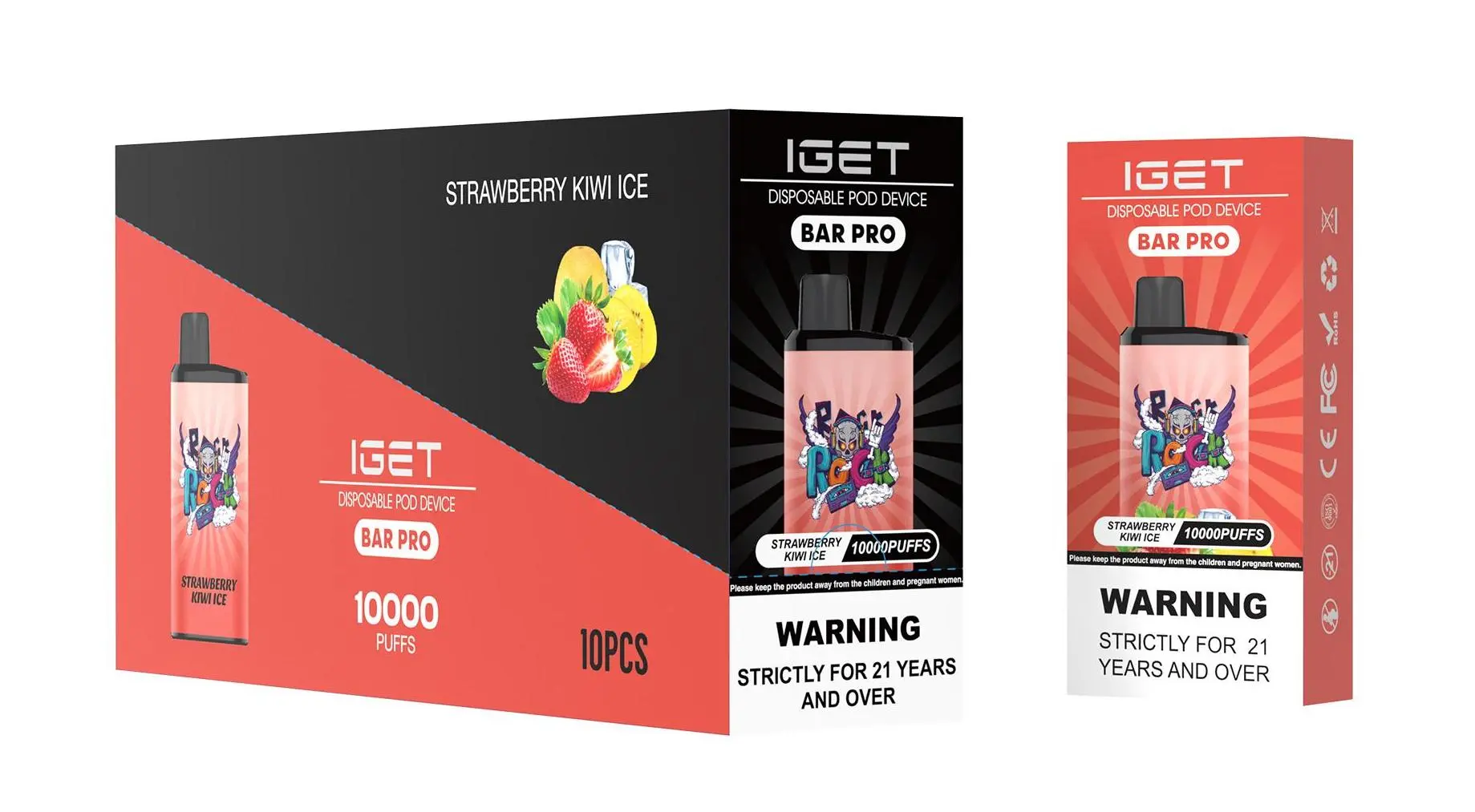
The comparison with IGET is particularly relevant, because IGET is one of the most recognised vape brands in Australia. IGET devices are known for their extensive range, from the IGET Bar Plus to the high-capacity E-Get series. They offer a consistent, draw-activated experience that many users appreciate. Lume, on the other hand, may appeal to those who want a bit more control over their airflow and the ability to monitor battery and liquid levels. There is no universal answer. Some users prefer the simplicity of IGET; others value Lume’s feedback-focused design.
For Australian consumers, the decision often comes down to daily usage patterns. A user who vapes throughout the day and relies on the same flavour for weeks may choose a high-capacity IGET device. A user who likes to switch flavours and wants to carry a more compact device may prefer Lume. A vaper who values a tight, cigarette-like draw might feel more comfortable with Alibarbar. Someone looking for a backup device or an occasional evening vape could find FISCO or WALA more than sufficient.
When choosing between these options, the retailer makes a difference. A transparent online store like iGetBaroz presents these brands side by side, which helps consumers compare specifications without relying on isolated marketing claims. Rather than guessing which device will perform well, shoppers can see the product categories, check the feature lists, and make an informed choice. For adult vapers in Australia, this level of product information is valuable because the market is crowded and many devices look similar at first glance.
It is also worth noting that Lume is not necessarily a replacement for other devices. Many vapers keep more than one product at home. They might use a compact bar during the day and a more powerful device in the evening. In that scenario, Lume can serve as a versatile middle option that bridges the gap. Its rechargeable battery and adjustable airflow make it suitable for occasional use, while its design quality means it does not feel cheap in the hand. For users who are still exploring the category, Lume can be a useful reference point to understand what features matter to them personally.
Summary and Outlook
Lume Vape has not reinvented the category overnight, but it has contributed to a meaningful shift in how users and retailers think about disposable and pod-based products. The emphasis is no longer only on the number of puffs. It is on the quality of those puffs, the information available to the user, and the overall feel of the device. In that context, Lume represents a design trend that is likely to continue: more transparency, more control, and better integration of simple technology.
The future of this segment will probably involve more devices that include power indicators, visible e-liquid levels, adjustable airflow, and improved charging capabilities. Manufacturers will continue to compete on flavour variety, but the devices that stand out will be the ones that make the user’s life easier. Whether Lume becomes an enduring name in the Australian market or simply influences the direction of other products, its approach is already visible in the broader industry.
For adult vapers who are considering a new device, the best approach is to compare actual products rather than rely on marketing language. A platform like iGetBaroz offers a good starting point because it includes a wide range of brands, from IGET to Alibarbar, FISCO, WALA, and newer entrants like Lume. By looking at the features, design, and intended use of each device, users can find a product that matches their individual habits.
Ultimately, “changing how you vape” does not require a dramatic invention. It can happen through smaller improvements: a visible battery bar, a smoother airflow, a more comfortable mouthpiece, or a device that lasts until the e-liquid is genuinely finished. Lume captures that idea by focusing on the details that make vaping more predictable and enjoyable. For vapers who value that kind of experience, Lume is worth trying, not because it is the final answer to every need, but because it represents a more thoughtful approach to a product that many people use every day.