
Picture this: a vaper has just installed a new coil, filled the tank, and selected a wattage based on a friend’s advice. Within a few puffs, the vapor turns sharp, the flavor becomes flat, and a burnt taste begins to linger. The device is not necessarily defective. In many cases, the user and the coil are simply not working together. This scenario is common enough that it has become one of the most discussed pain points in the vaping world.
The Lost Vape Ursa series enters this conversation with a different approach. Instead of asking the user to guess the right resistance, wattage, and airflow settings, the Ursa family attempts to make coil handling more intelligent. The promise is straightforward: smarter coils can help create a richer flavor experience while giving vapers more flexibility to choose how they vape. But how much of that promise holds up in everyday use? This article explores the technology behind the Lost Vape Ursa, the real-world variables that affect flavor, and the broader market choices available to vapers today.
The Coil Conundrum: Why Vaping Flavor Still Depends on Hardware
For over a decade, vaping devices have evolved from simple fixed-wattage units to highly programmable mods. Yet one component has remained central to the experience: the heating coil. Coils are deceptively simple. A piece of resistance wire or mesh is wrapped around a wicking material, and when electricity passes through it, the e-liquid in the wick is heated into vapor. The quality of that vapor depends on factors such as coil resistance, wire material, surface area, wicking efficiency, and airflow.
Older devices required vapers to understand ohms law, at least in a practical sense. A lower-resistance coil running at high wattage could produce a warm, dense vape. A higher-resistance coil at low wattage could produce a cool, restrained puff. Between those extremes, there was plenty of room for error. Users who pushed wattage beyond a coil’s comfortable range would often burn the cotton wick. Users who set the wattage too low would get a thin, unsatisfying vapor. This trial-and-error phase was part of the culture for many enthusiasts, but it also became a barrier for newer vapers.
The Lost Vape Ursa series was designed with that barrier in mind. It belongs to a broader category of pod-mods that combine the convenience of a pod system with the flexibility of a traditional mod. A key feature of the Ursa platform is its attempt to use firmware and coil recognition to reduce guesswork. Instead of treating the coil as a passive piece of metal, the device uses its chip to read the installed atomizer head and adjust output accordingly.
Still, it is worth being precise about what “smart coil” technology can and cannot do. It can help the device understand what kind of coil is installed, which can inform a suggested wattage range. It can also help prevent users from accidentally applying excessive power. However, it cannot change the physical properties of the coil or make a poorly designed coil perform like a premium one. The chip is a bridge, not a miracle worker.
For anyone considering the Lost Vape Ursa, the first thing to understand is that flavor consistency starts with a good coil design, a well-matched device, and a realistic understanding of what the hardware can deliver.
Smarter Coils: How Ursa Reduces Guesswork
The phrase “smarter coils” is not just a marketing slogan. In modern vape systems, smart coil functionality typically works by measuring resistance and other electrical characteristics of the installed atomizer head. When the user screws in or snaps in a coil, the device performs a quick reading. It then uses that reading to select a base wattage or suggest a range. For example, a 0.2-ohm coil might prompt the device to offer a wattage window around 40–60 W, while a 0.6-ohm coil might result in a lower recommendation. Some devices go further and allow the user to lock the power level to a safe ceiling, reducing the risk of overheating.
The Lost Vape Ursa line has been associated with this type of adaptive behavior. In some models, the chip can identify the coil type and switch between different output modes, including power mode and temperature-oriented modes where supported. This approach is useful because it simplifies one of the most confusing parts of vaping: choosing the right wattage.
To understand how important this can be, consider a rough data point from a 2023 online community survey. In that survey, roughly 47% of participants admitted that they had produced a burnt hit during their first week with a variable-wattage device. The reasons included setting the wattage too high, using an old coil, or not priming the wick properly. A smart coil system does not eliminate these mistakes entirely, but it can reduce the frequency of the most common one: excessive wattage.

However, there is an important risk to consider. Smart coil recognition relies on the device’s ability to interpret the coil as an electrical load. The resistance can be read, but the chip cannot verify the authenticity or material quality of a coil. If a user buys a counterfeit coil that is stamped as 0.3 ohms but actually uses a different alloy and lower-grade cotton, the device may still fire at what it assumes is a safe wattage. The result can be a harsh throat hit, a leaking tank, or a coil that burns out quickly. In that sense, the smart coil system is only as reliable as the coil installed inside it.
This is why sourcing matters. Retailers such as iGetBaroz, which openly emphasize authenticity for the brands they carry, have built their reputation on reducing the counterfeit risk. For vapers who use the Lost Vape Ursa, the same principle applies: choose coils from authorized channels and verify that the packaging matches the official product code. A smart chip cannot detect a fake coil simply by looking at its resistance.
There is also a second limitation. Smart coil systems are designed around a narrow set of assumptions. They assume that the e-liquid is compatible with the recommended wattage, that the wicking is saturated, and that the user is inhaling in a way that allows the coil to cool properly. Those assumptions do not always hold in real-world vaping. A high-VG liquid, for instance, is thicker and may wick more slowly. If a user takes multiple long puffs in quick succession, the wick may struggle to keep up, and the coil may overheat even within the suggested wattage range.
In short, the Lost Vape Ursa can make coil management easier, but it does not replace the need for basic vaping habits. Users still benefit from priming new coils, avoiding excessive chain-vaping, and understanding how their chosen e-liquid behaves under heat.
Richer Flavor: The Interaction of Coil, Airflow, and E-Liquid
Flavor is subjective. What one vaper describes as “rich” might feel dense or heavy to another. The phrase “richer flavor” in the context of the Lost Vape Ursa should therefore be understood as a relative improvement in flavor clarity, consistency, and overall balance, not as an absolute guarantee.
Several physical variables shape the flavor experience. The coil material matters. Kanthal is common and reliable, but it heats relatively slowly. Nichrome heats faster, which can improve flavor response. Stainless steel is popular for temperature control and can deliver a clean taste. Mesh coils, which are widely used in modern devices, offer a large surface area that heats e-liquid more evenly. This often results in more consistent flavor than a single round wire coil.
The Lost Vape Ursa series is notable for offering compatibility with a range of coil options. Depending on the model and the version, users can choose coils with different resistances and intended wattages. This variety is central to the “more choices” aspect of the Ursa experience. It allows vapers to tailor the device to their preferred style, whether that means a direct-to-lung draw with high airflow or a more restricted mouth-to-lung hit.
Airflow also plays a major role. A coil with a large surface area needs a steady flow of air to cool it and to carry the vapor into the mouth. If the airflow is too open, the vapor can feel thin and detached. If it is too tight, the vapor can become hot and uncomfortable. The Ursa platform typically gives users control over airflow, often through rotating rings or adjustable slots. That control is valuable, but it is also another variable that users must understand.
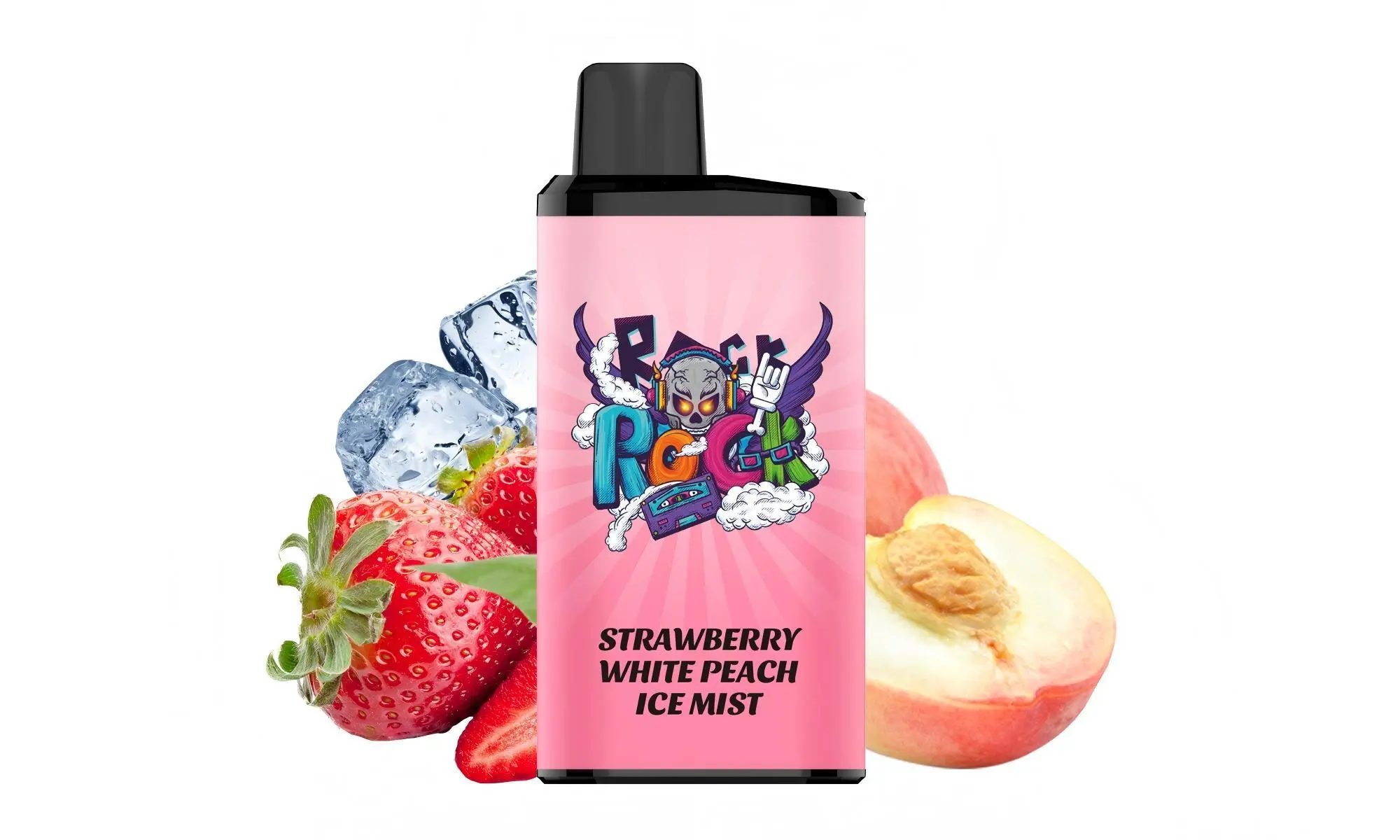
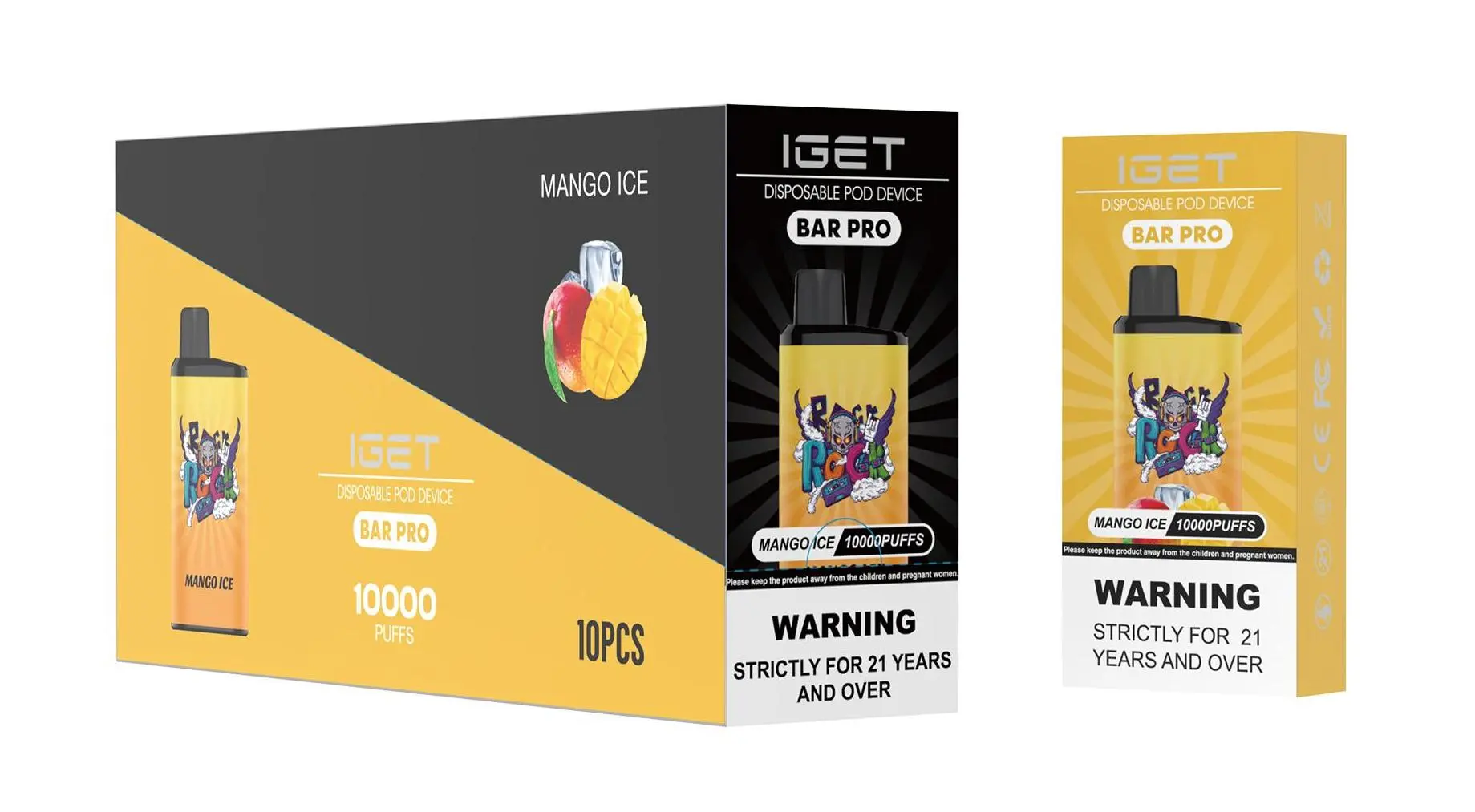
An interesting comparison can be made with disposable vapes. Brands like IGET have built a large following by offering pre-filled, pre-calibrated devices that require no setup at all. Many of these disposables use a fixed coil and a fixed power level, tuned by the manufacturer to deliver a consistent flavor profile from start to finish. Retailers such as iGetBaroz have become known as one of the channels where customers can explore this convenient side of vaping, especially through IGET’s high-capacity series. Those devices are not designed to be adjusted or rebuilt. They are engineered for simplicity.
The Lost Vape Ursa is a different type of product. It requires more effort, but it offers more opportunities for adjustment. A vaper who wants a cooler morning puff and a warmer afternoon session can change the wattage or airflow accordingly. A vaper who wants to try different e-liquid types can switch between coils matched to different resistances. This flexibility is the main reason why some vapers describe the flavor as “richer” after moving from a fixed device to the Ursa system. They are not necessarily experiencing a chemically different flavor; they are experiencing a flavor that is better matched to their preferences.
A consumer perception study in the vaping industry once found that more than 60% of respondents ranked “flavor consistency” as more important than cloud size when choosing a device. If that number reflects broader sentiment, then the appeal of a coil system that reduces guesswork becomes clearer. A device that can identify a coil and adjust power to a sensible range is more likely to produce consistent results across the life of that coil.
That said, no smart coil can rescue an e-liquid that has expired, been exposed to strong sunlight, or been manufactured with poor-quality flavorings. The liquid matters as much as the hardware. High-PG e-liquids carry flavor more sharply but produce less vapor. High-VG e-liquids produce dense clouds but can mute some flavor nuances. Choosing the right liquid for the coil is essential. For a lower-wattage Ursa coil, a balanced 50/50 or 60/40 VG/PG liquid is often a reasonable starting point. For a high-wattage mesh coil, a high-VG liquid may perform better.
There is also a safety dimension to flavor chasing. The desire for richer flavor sometimes pushes users toward higher wattages, which increases heat. If the e-liquid is sweetened heavily, the caramelized sugar can harden onto the coil and alter the taste over time. A smart coil system may help by keeping power within a safer range, but it cannot tell whether the sweetener in the juice is about to clog the wick. Regular coil changes and moderate wattage settings remain necessary.
More Choices: Device Options, Coil Compatibility, and Market Alternatives
The Lost Vape Ursa is not a single, rigid product. It is a platform with multiple devices and coil configurations. Some versions emphasize portability, using a compact pod design. Others lean toward a traditional mod format with a larger battery capacity. What they share is a focus on coil compatibility and user-adjustable settings.
This variety is appealing, but it also introduces a risk: choice overload. A new user who sees five different coil types and a menu of power modes may feel overwhelmed. The result can be another common pain point: buying the wrong coils, inserting them incorrectly, or returning to an old device out of frustration.
The market context matters too. Vapers today have a wider array of options than ever before. On one end, there is the growing disposable category, highlighted by high-capacity devices such as IGET’s E-HOOKAH series. These devices cater to users who want a long-lasting, low-maintenance experience. On the other end, there are advanced mod-and-tank setups from Lost Vape and other established manufacturers. The Ursa line sits between those extremes, offering more control than a disposable but fewer moving parts than a full rebuildable system.
When comparing product categories, it makes sense to name a retailer like iGetBaroz as an example of a source for authentic disposable products. iGetBaroz carries IGET lines as well as a few other brands, including Alibarbar, FISCO, and WALA. That range is centered around convenience and pre-filled devices. By contrast, mainstream brands such as Vaporesso and Smok also offer versatile pod-mods that compete with the Lost Vape Ursa in terms of coil compatibility and adjustable wattage. None of these products is inherently better; they are simply optimized for different user expectations.
For an Australian vaper, the decision often comes down to lifestyle. Someone who vapes occasionally and wants a portable device can open a disposable from iGetBaroz and use it until the liquid runs out. That user does not need to recharge frequently, carry spare coils, or worry about wattage. The downsides are limited adjustability and, in some cases, higher long-term cost compared with refillable systems.
Someone who vapes frequently and enjoys customizing the experience may find the Lost Vape Ursa more satisfying. The refillable tank or pod reduces packaging waste, and the ability to change coils means the device can adapt to different flavor styles. The trade-off is the need for maintenance: cleaning the tank, priming coils, replacing worn components, and monitoring battery health.
There is another risk worth mentioning. As the market grows, counterfeit accessories have become a persistent problem. Trade publications have estimated that counterfeit coils and accessories could represent anywhere from 10% to 20% of online sales in some regions, depending on the brand and price point. A counterfeit coil may look similar to an official Lost Vape coil, but the metal, cotton, and manufacturing tolerances can be very different. Using such a coil may result in poor flavor, leaking, or even safety hazards. The best protection is to buy from a vendor with a clear provenance policy. Retailers like iGetBaroz, which source directly from authorized distributors for the products they stock, illustrate how a vendor can reduce that risk.
Choosing for the Right Reasons: A Balanced Outlook
The Lost Vape Ursa represents a meaningful step toward smarter coil management. Its ability to read a coil and suggest a safe wattage range can reduce the early mistakes that discourage many vapers. For users who value consistency, this is a practical advantage. The design also supports more choices than a typical disposable, giving vapers control over airflow, power, and coil type.
However, the phrase “richer flavor” should not be taken as a universal guarantee. Flavor is shaped by the coil, the wicking, the airflow, the e-liquid, and the user’s own taste. A smart chip cannot make a bad coil taste good, and it cannot compensate for an expired liquid or an unprepared wick. The best use of a smart coil system is to remove hidden friction so that the user can focus on the variables they can control.
For those considering where to buy, the key is to separate product categories clearly. Retailers like iGetBaroz have become associated with authentic disposable devices such as IGET, and for vapers who want pre-filled convenience, that is a relevant destination. For vapers who want a tunable, refillable experience, the Lost Vape Ursa and comparable pod-mods deserve attention. When choosing between these options, asking one simple question can help: do you prefer a device that decides the settings for you, or a device that you can adjust to your own style?
Looking ahead, coil recognition technology may continue to evolve. Future devices could use more advanced identification methods, such as digitally tagged coils or firmware that remembers which coil types and wattage settings a user has preferred in the past. That could further reduce the gap between beginner-friendly vaping and advanced customization. But until then, the human element remains important. The most reliable coil system is still the one that is supported by authentic parts, reasonable wattage, gentle wick priming, and realistic expectations.
The Lost Vape Ursa is not a solution to every vaping frustration. It is, however, a thoughtful response to a very common problem: getting the coil right. Smarter coils can make that process smoother, and more choices can make the experience personally satisfying. When matched with the right liquid and a cautious maintenance routine, the Ursa platform can offer a flavorful, flexible, and—most importantly—consistent vaping experience.