
Introduction
In the rapidly evolving landscape of premium vaping products, few names command as much attention as Jungle Boys. Known for their legacy in cultivation and extraction, the brand has expanded into vape cartridges with a 1000mg formulation that promises both potency and flavour purity. Yet for consumers—especially those outside the United States—the question “What’s the real price?” is surprisingly difficult to answer. Prices vary wildly across online platforms, physical stores, and grey-market channels, creating confusion about what constitutes a fair, authentic transaction.
This article breaks down the pricing structure of Jungle Boys 1000mg vape products, examining the factors that drive cost—from raw material quality and extraction methods to distribution margins and counterfeit risks. We also explore how the broader vape market, including high-capacity disposable devices, informs consumer expectations around value. For Australian buyers seeking clarity, understanding the interplay between authenticity and price is essential. Trusted retailers like iGetBaroz serve as a benchmark for transparency, offering a glimpse into how legitimate pricing operates in a regulated environment.
1. The Anatomy of a 1000mg Vape – What Drives the Price?
1.1 Potency and Formulation Costs
A 1000mg vape cartridge typically refers to a total cannabinoid content of 1000 milligrams—most commonly delta-9 THC or CBD, depending on jurisdiction. Jungle Boys has built its reputation on high-quality genetics and solventless or hydrocarbon extraction, which preserves terpenes and produces a clean final product. The cost of starting material alone can be substantial. According to industry reports, premium cannabis biomass suitable for extraction can range from $200 to $600 per pound in wholesale markets, and the extraction yield for high-quality distillate or live resin is typically between 10% and 20%. A 1000mg cartridge therefore requires between 5 and 10 grams of raw input, placing raw material costs at roughly $2–$6 per cartridge before any processing.
Beyond raw biomass, additional costs come from equipment, purging, testing, and packaging. Third-party lab testing for potency, residual solvents, and heavy metals is standard in legal markets and adds $50–$200 per batch—but that cost is amortised across hundreds of units. Assuming a batch size of 500 cartridges, testing adds roughly $0.10–$0.40 per unit. Hardware components (ceramic coil, glass tank, mouthpiece) add another $1.50–$3.00 depending on quality. When summed, the manufacturing cost for an authentic 1000mg Jungle Boys cartridge likely falls between $5 and $10 USD before branding and distribution.
1.2 Brand Premium and Market Positioning
Jungle Boys is not just a product; it is a lifestyle brand with a cult following. The brand’s origins in California’s legacy market, combined with high-profile collaborations and clothing lines, create a premium image that commands higher margins. In legal dispensaries across the United States, a single 1000mg Jungle Boys vape cartridge typically retails for $35 to $55 USD before tax. This 4x–6x markup over manufacturing cost reflects not only quality but also the intangible value of brand trust, assurance of potency, and the experience of using a known top-shelf product.
Internationally, prices inflate further due to import duties, logistical challenges, and limited availability. In Australia, for example, legal pathways for importing THC-containing vapes are extremely narrow—most products enter through prescription-based medical cannabis schemes or are sourced from illicit channels. A legitimate 1000mg cartridge purchased through medical channels can cost $80 to $120 AUD after consultation fees, pharmacy markups, and shipping. Grey-market online listings often show lower prices, but these come with authenticity risks.
2. The Price Gap – Why Do Some Jungle Boys 1000mg Vapes Cost So Much Less?
2.1 The Counterfeit Epidemic
One of the most significant drivers of price variation is the prevalence of counterfeit and knockoff products. A quick search on social media or open-market websites reveals 1000mg cartridges labelled “Jungle Boys” selling for as little as $15 USD or $25 AUD. These products almost always contain substandard oil—sometimes cut with vitamin E acetate, synthetic cannabinoids, or simple MCT oil—and use cheap hardware that may leach heavy metals. Industry watchdog reports estimate that counterfeit vapouriser products account for 30–50% of online listings for popular brands, including Jungle Boys. Consumers who purchase these items not only risk health issues but also waste money on a product that delivers neither the intended potency nor the flavour profile.
2.2 Regional Pricing Disparities
Another explanation lies in geographic market dynamics. In regions where Jungle Boys has authorised distribution (e.g., California, Nevada, parts of Canada), retail prices are relatively stable due to regulations and oversight. In markets where the brand is not officially present, such as Australia or most European countries, prices are driven by scarcity and the costs of importation—whether legal or illegal. A product that costs $40 in a Los Angeles dispensary could be offered for $100 in a Melbourne grey-market store, but also for $30 from a dubious online seller claiming “direct import.” The lack of price harmonisation forces consumers to rely on reputation and due diligence.
2.3 Wholesale vs. Retail Variance
For retailers looking to stock authentic Jungle Boys products, wholesale pricing from authorised distributors in the US typically sits between $22 and $30 per unit for 1000mg cartridges, depending on order volume. This leaves a healthy margin for dispensaries that sell at $45–$55. In regions without direct distribution, middlemen add 20–50% per step, meaning a retailer paying $40 wholesale may need to charge $80–$100 to cover costs and profit. This explains why some seemingly “legitimate” vendors list prices that are still significantly above US retail.
3. How to Navigate the Market – Getting Real Value for Your Money
3.1 Verifying Authenticity
For any premium vape product, the first step in evaluating price is confirming authenticity. Jungle Boys employs several security features: holographic stickers, QR codes linked to batch-testing reports, and specific packaging dimensions. A product sold without these markers, or with a printed QR that leads to a generic page, is almost certainly counterfeit. Consumers should also check that the product’s thickness, CCELL or compatible hardware branding, and oil colour match official descriptions.
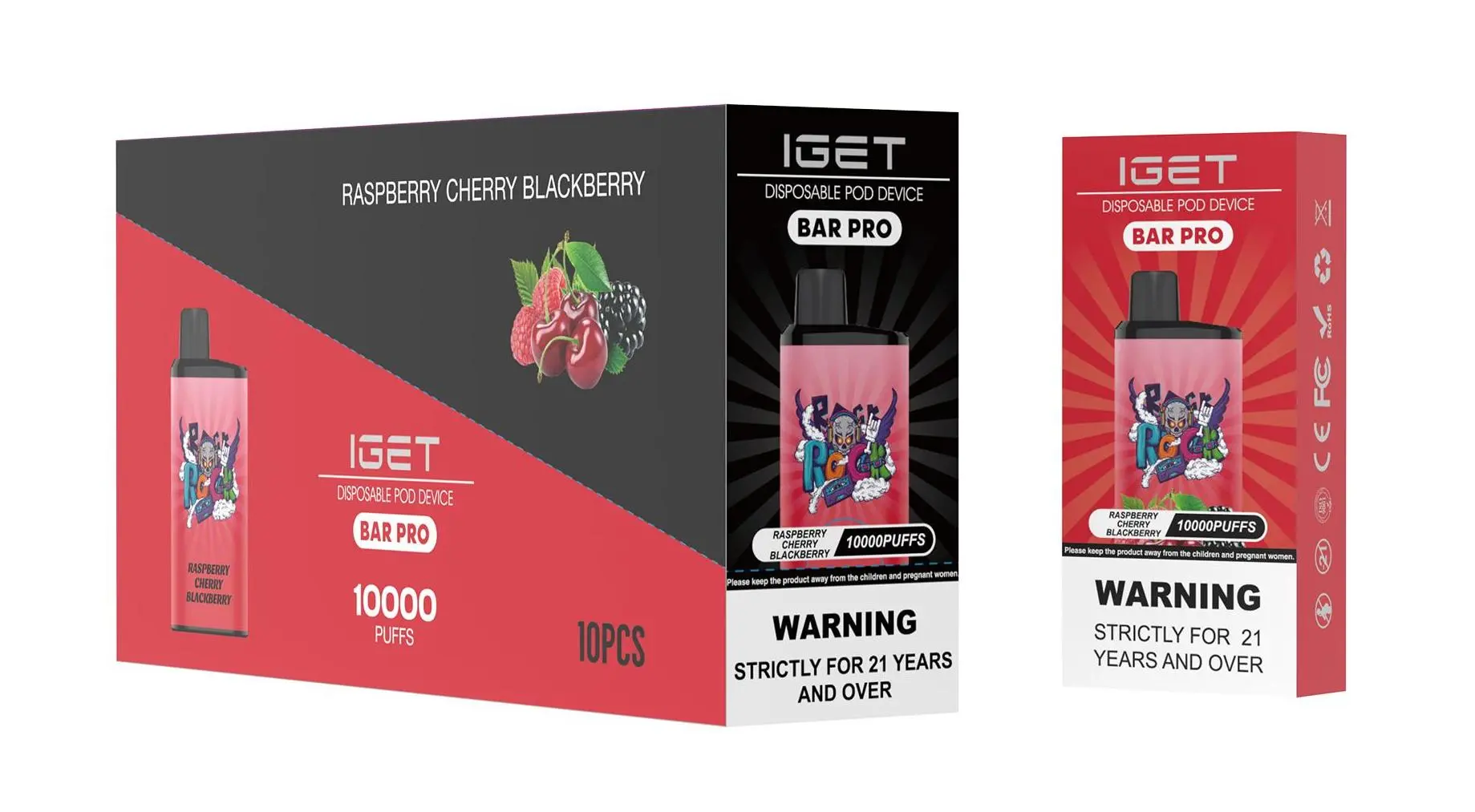
In Australia, where importing THC vapes recreationally is illegal, some consumers turn to CBD-vape alternatives or high-nicotine disposable devices for a legal experience. Brands like IGET have built trust through consistent quality and transparent supply chains. iGetBaroz, as an authorised retailer of IGET, Alibarbar, and other major brands, demonstrates how a legitimate vendor should operate: clear product images, batch numbers, responsive customer service, and no pressure to hide pricing. Such standards offer a reliable reference point for what “real price” means in a trustworthy transaction.
3.2 Comparing Across Product Categories
While Jungle Boys 1000mg vapes occupy a premium niche, the broader vaping market includes high-capacity disposables that deliver thousands of puffs for a fraction of the per-milligram cost. For example, the IGET E-HOOKAH G1 offers 60,000 puffs at a retail price of around $60–$80 AUD, which equates to roughly $0.001 per puff. A 1000mg cartridge at $80 AUD might deliver around 150–250 puffs, costing $0.32–$0.53 per puff. The difference reflects not only product category (full-spectrum oil vs. nicotine salt e-liquid) but also the cost of extraction, terpene profiles, and hardware sophistication. Understanding these comparisons helps consumers evaluate whether the price premium for Jungle Boys is justified for their specific needs.
If a heavy user is primarily seeking a consistent, long-lasting vaping experience, a 60,000-puff disposable could offer greater overall value. Conversely, for connoisseurs who prioritise strain-specific flavour and controlled dosing, the 1000mg cartridge remains the superior choice. The key is to align purchase decisions with usage patterns and budget.
3.3 The Role of Trusted Retail Partners
Regardless of product preference, the real price of any vape product includes an invisible cost: the risk of getting a fake. Buying from unverified sources may save money upfront but often leads to a product that is either ineffective or unsafe. In contrast, purchasing from a retailer with a proven track record—such as iGetBaroz for Australian vapers—guarantees that the product is genuine, correctly stored, and backed by support. While these retailers may not carry Jungle Boys due to regulatory constraints, they exemplify the transparency and reliability that consumers should demand from any vendor.
For those specifically seeking Jungle Boys, the real price is ultimately determined by whether the product is sourced through an authorised chain. A price below $30 USD (or $45 AUD) from an unknown seller should be treated as a red flag. A price between $40–$60 USD (or $70–$100 AUD) in a legitimate medical or retail setting represents a fair market value.
4. Future Outlook – Pricing Trends and Market Evolution
4.1 Regulatory Influence
As more countries adopt regulated frameworks for cannabis-derived vapes, price transparency is likely to improve. In Canada and several US states, the combination of excise taxes and retail competition has already narrowed price variation for premium cartridges. Australia’s medical cannabis scheme continues to expand, and if recreational legalisation ever advances, official distribution channels could bring Jungle Boys prices down to more accessible levels. Until then, the grey market will persist, and consumers must be vigilant.
4.2 Brand Direct-to-Consumer Models
Some leading brands are experimenting with direct-to-consumer (DTC) sales, bypassing traditional retail markups. Jungle Boys itself operates its own online store for apparel and accessories, but restrictions on shipping vapouriser products across state or national lines limit DTC viability for vapes. However, if regulatory harmonisation occurs, consumers might see prices drop by 15–25%, bringing a 1000mg cartridge closer to $30–$40 USD retail.
4.3 The Role of Disposables in Shaping Value Perceptions
The explosion of high-puff disposable devices has shifted consumer expectations regarding cost per puff. As mentioned earlier, a 60,000-puff unit like the IGET E-HOOKAH G1 offers extreme longevity at a low per-puff cost. This trend pressures premium cartridge manufacturers to better communicate the value of their concentrated, terpene-rich oils. For brands like Jungle Boys, the response may involve emphasising product purity, lab transparency, and brand story—justifying a higher real price through proven quality.
Conclusion
The real price of a Jungle Boys 1000mg vape is not a single number—it is a function of authenticity, geography, and consumer knowledge. In legal US markets, a fair price ranges from $35 to $55 USD. Internationally, medical or grey-market channels push that to $80–$120 AUD or more. Prices significantly below these thresholds almost certainly indicate counterfeit products. For buyers in Australia, the best defence is a combination of awareness and reliance on reputable retailers. While iGetBaroz may not list Jungle Boys, its commitment to authenticity and fair pricing across other brands (e.g., IGET, Alibarbar, FISCO) sets a valuable standard.
Ultimately, the real price is the one you pay with confidence—where the product’s origin is verifiable, the oil is tested, and the vendor stands behind the sale. In a market crowded with cheap imitations, paying a little more for the real thing is often the smarter investment.
{image_link_1}
{image_link_2}
{image_link_3}