
When it comes to vaping laws, Utah stands out as one of the more complex regulatory environments in the United States. For residents and visitors alike, the simple question “Can you buy vapes in Utah?” leads to a layered answer involving age restrictions, product types, packaging rules, and even where you can legally purchase. While many assume that buying a vape is as simple as walking into a store and showing an ID, Utah’s specific statutes and local ordinances add nuance that surprises even experienced users.
This article provides a practical overview of purchasing vapes in Utah, including the legal age, allowable products, retail environments, and what to consider when selecting a device that complies with local rules. Whether you’re new to vaping or a long-term user moving to the state, understanding these regulations can help you navigate the market with confidence.
The Legal Age: 21 Is Just the Starting Point
Utah’s minimum age to purchase tobacco and nicotine products, including vapes, is 21. This aligns with the federal Tobacco 21 law, but Utah adds its own enforcement and compliance layers. Retailers are required to verify age using a government-issued ID, and many stores use electronic age verification systems to reduce the risk of human error. This means that even if you look older, you should expect to show your ID for every purchase.
But the rules go beyond the initial age check. Utah law prohibits the sale of nicotine products to anyone under 21, including through online orders. For online purchases, the seller must use an age verification service that cross-references public databases and, in many cases, requires a signature from an adult upon delivery. This added layer applies to all forms of vaping products, including disposable devices, e-liquid bottles, and pod systems.
One surprising aspect for many buyers is that Utah allows individual cities to set even stricter age requirements. Here are a few examples of how local laws can change the answer:
Some municipalities have considered raising the minimum age to 21 but with additional restrictions on where vape shops can locate.
A few cities have introduced licensing fees for both retailers and consumers, meaning you may need to register your purchase with the local government in certain jurisdictions.
Others have placed time-of-day sale restrictions, limiting when nicotine products can be sold, similar to alcohol.
It is important to check the specific rules in your city or county, as state law serves as the baseline but not always the final word. For most visitors, showing a valid ID and being 21 or older will satisfy legal requirements, but consistency across cities is not guaranteed.
Where Can You Buy Vapes in Utah? Retail Options and Allowed Locations
Utah allows vape sales in licensed specialty shops, convenience stores, and through online retailers that comply with state regulations. However, not all locations are treated equally. Specialty vape shops are typically subject to more detailed inspections and may have to carry specific permits compared to general retailers. Meanwhile, convenience stores and gas stations can sell vapes, but they must follow the same age verification rules and are often required to place products behind the counter.
Online purchases add another layer of complexity. The state requires that any vape product shipped to a Utah address originates from a retailer that is properly licensed and collects applicable state excise taxes. This is where many out-of-state or international buyers run into problems. A product that is legal to sell in another country or state may not meet Utah’s packaging and disclosure requirements, making the purchase technically unlawful even if the buyer is 21.
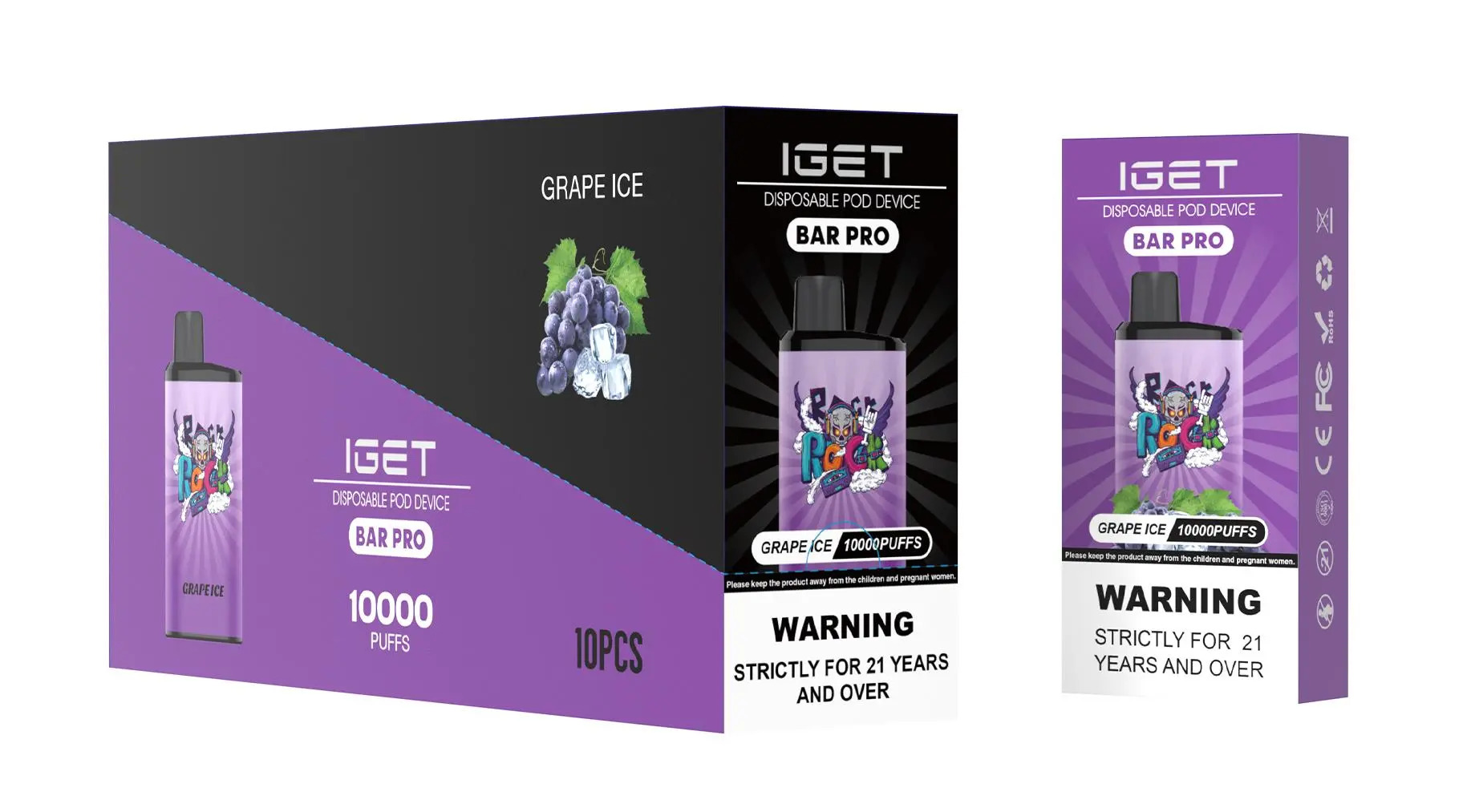
For example, some popular disposable vape brands with high puff counts are widely available in other regions. But in Utah, any device that exceeds certain e-liquid capacity limits or does not have a child-resistant mechanism may be prohibited from retail sale. This is where understanding product specifications becomes crucial. When browsing options, buyers may consider established names such as iGetBaroz, a distributor of IGET products that provides detailed technical parameters for its devices. However, even with transparent specifications, it remains the buyer’s responsibility to confirm that each device complies with Utah’s current packaging and cartridge size rules.
Here are the main retail channels and what to expect from each:
Licensed vape shops: The most comprehensive selection, with staff knowledge often higher. They are also the most likely to test devices on-site for safety and compliance. Expect to pay a premium for this service.
Convenience stores: Limited selection, primarily mainstream brands. These locations are more likely to have specific hours during which nicotine sales are allowed, especially if the store is attached to a fuel station.
Online retailers: The broadest variety but the highest risk of receiving non-compliant products. Always verify the retailer’s business license and check whether they explicitly state they ship to Utah. A leading online seller will also list which local laws they follow.
One important note: Utah law does not allow vape sales through vending machines. This may seem intuitive, but some states still permit it in adult-only areas. Utah’s outright ban removes any ambiguity, regardless of the venue or the buyer’s age.
Product Restrictions: What You Can and Cannot Purchase
The legal question of “can you buy vapes in Utah” also depends on what product you’re trying to buy. Utah has enacted some of the more detailed product restrictions in the country, especially concerning flavors, nicotine strength, and packaging.
Flavored Products and Community Opt-Outs
Utah allows flavored vaping products to be sold in most of the state, but local communities have the authority to ban them entirely. This has resulted in a patchwork of availability. In one county, you may find a wide range of fruit and dessert flavors; in a neighboring city, only tobacco and menthol profiles are allowed. Industry reports indicate that in recent years, several Utah municipalities have considered or enacted such bans, citing public health concerns around youth attraction to flavors.
Before making a purchase, it is worth checking your city’s municipal code or simply asking at the shop. Many retailers are upfront about what they are permitted to sell, as violations can result in heavy fines and license suspension.
E-Capacity and Nicotine Limits
Utah does not impose a statewide cap on the amount of e-liquid per device, but federal guidelines classify certain products differently based on their size. For classification, the U.S. Food and Drug Administration (FDA) treats devices by their nicotine concentration and whether they come pre-filled or as refillable systems. This has practical consequences:
Devices with extremely high nicotine (above 5% or 50 mg/mL) may face additional regulatory scrutiny.
Disposable devices with e-liquid tanks above a certain volume may be considered “restricted” in some jurisdictions, even if the state as a whole has no explicit limit.
Given this uncertainty, manufacturers and distributors often provide puff count estimates rather than exact e-liquid volumes. A commonly cited statistic from the vaping industry is that a 60,000-puff device may contain close to 20 mL of liquid, but the actual figure varies by design. Buyers should always ask for the precise e-liquid capacity if it is not printed on the package.
Packaging Requirements
Utah requires that all nicotine products be sold in child-resistant packaging. This is not unique to Utah, but the state enforces it rigorously. Packaging must also display a warning label, the manufacturer’s contact information, and, in some cases, a tamper-evident seal. If a product comes in a plain plastic sleeve or a box without these features, there is a high likelihood it is either counterfeit or not legally approved for sale in the state.
Acknowledging these requirements is not just about compliance; it affects product choice. Some high-capacity disposable devices are designed with large clear windows to show remaining e-liquid, but that design may compromise child-resistant closure. Consumers should actively look for devices that balance visibility with safety.
How to Choose a Device That Complies with Utah Law
With the legal landscape in mind, the practical question becomes: how does a consumer choose a vape that is both enjoyable and compliant? The answer lies in understanding a product’s specifications before making a purchase.
Look for Detailed Technical Parameters
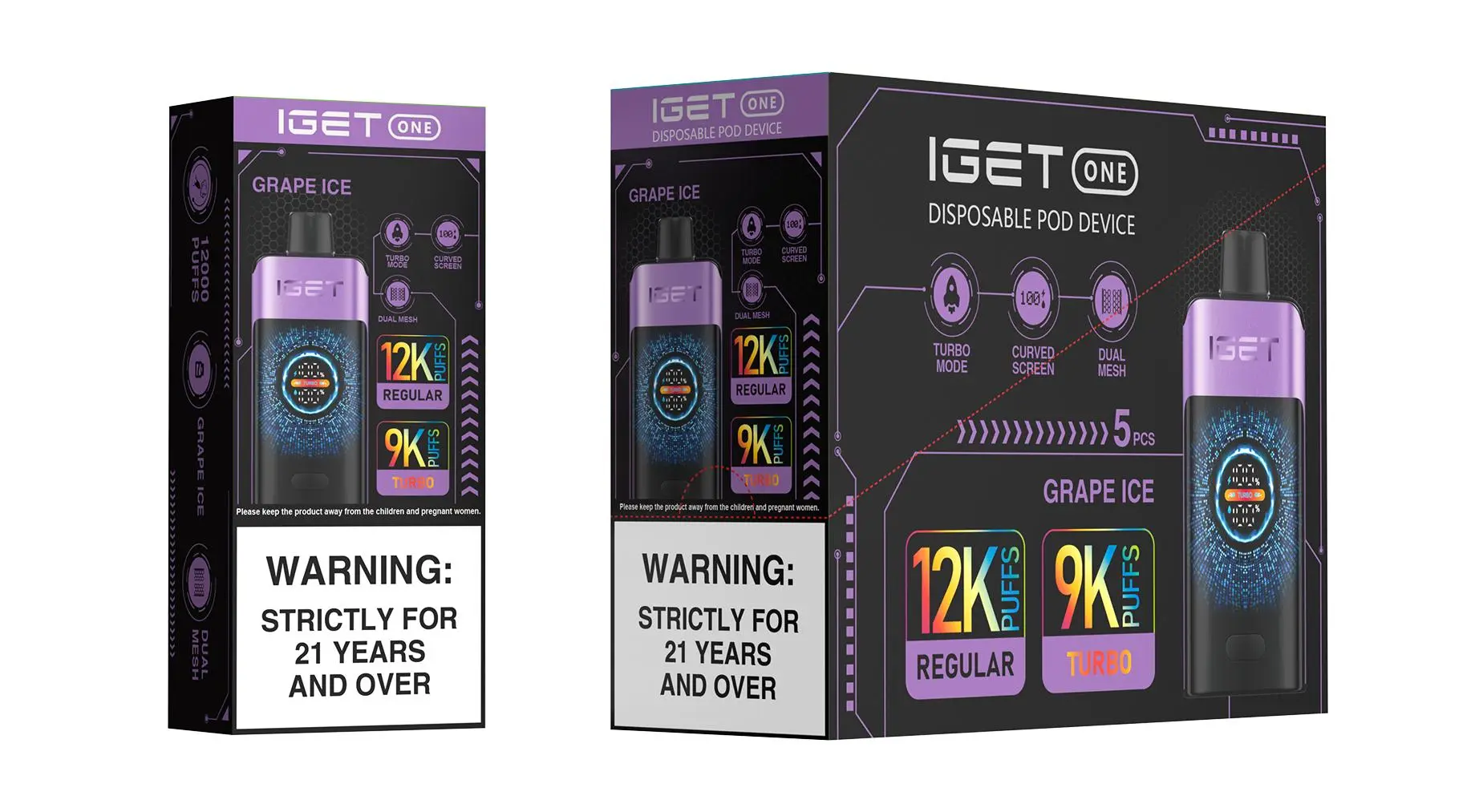
Reliable manufacturers and authorized distributors provide full technical data for each device, including e-liquid capacity, battery capacity, nicotine strength, and coil resistance. For example, iGetBaroz, as a distributor of IGET products, publishes this type of information so buyers can verify whether a device fits their needs. When evaluating any brand, ask yourself:
Does the device clearly state the nicotine strength in mg/mL or percentage?
Is the e-liquid volume printed on the package or listed on the product page?
Does the device have a child-resistant mechanism that meets state standards?
Is the battery capacity and charging information clearly described?
If a product cannot answer all of these questions, it may not be worth the risk of non-compliance.
Consider Reputable Brands with Track Records
Brand reputation matters in a regulated market because established companies are more likely to invest in legal reviews and packaging compliance. In addition to IGET, other recognized names in the industry include JUUL, Vuse, and NJOY. Each of these brands has faced its own regulatory scrutiny, but they all produce packaging that meets mainstream U.S. federal requirements.
A leading consumer survey from the vaping sector indicated that about 70% of buyers in regulated states prefer to purchase from brands they recognize rather than lesser-known importers. This makes sense from a legal perspective: a brand with an active U.S. presence is far more likely to adjust its products to align with state law changes.
Avoid Bypassing the Rules
Some buyers may be tempted to buy vape products from unverified online sources, especially when looking for high-puff devices not commonly stocked in Utah. However, such purchases carry substantial risks:
Legal liability: Receiving a package that contains an unlawful product can result in confiscation and, in some cases, fines.
Safety risks: Unregulated products may use substandard batteries or e-liquid ingredients.
Warranty issues: Non-compliant devices are not covered by in-country warranties, so if a device fails, there is no recourse.
Utah authorities actively coordinate with online marketplaces to block listings that do not meet state requirements. The practical effect is fewer options, but also a safer market for those who choose to comply.
Summary and Outlook
The question “Can you buy vapes in Utah?” does not have a simple yes or no answer. The legal age of 21 is clear, but product availability, packaging standards, and even flavor options depend on where you are in the state. Utah’s regulatory approach reflects a broader national trend toward stricter, more detailed control over vaping products. Buyers who take the time to understand the rules will find a market filled with compliant devices and transparent retailers.
As the industry evolves, further changes are likely. Some experts predict that Utah will introduce a statewide flavor ban in the coming years, similar to policies in other states. Others anticipate more uniform online sales regulations to reduce cross-state shipping complications. For now, the safest path is to purchase from licensed local retailers or verified online outlets for established brands.
If you are looking for a device with clear specifications and a well-documented product line, brands like IGET—available through distributors such as iGetBaroz—offer detailed technical sheets. However, as with any brand, the final responsibility for compliance rests with the buyer. Always confirm the current law in your city, check the packaging for required labels, and ask for the e-liquid capacity before you pay.
In a market as regulated as Utah’s, an informed consumer is rarely a surprised one. Understanding the rules makes shopping easier, safer, and more aligned with local expectations. So, before your next purchase, review the details, compare the specifications, and choose a device that fits both your personal preferences and the legal framework of your area. That is the only way to ensure that buying a vape in Utah remains a straightforward transaction—not a legal puzzle.