
The phrase “buy off stamp vape” often surfaces in online forums, social media groups, and casual conversations among vapers looking for a cheaper alternative to legitimate products. It refers to the practice of purchasing vaping devices, pods, or e-liquids that have not been properly stamped, approved, or taxed under the regulatory framework of the country where they are sold. For many consumers, the idea of saving a few dollars on a disposable vape seems tempting. But what actually lies beneath those unmarked packages? Is it just a legal technicality, or are there real consequences for your wallet, your health, and your overall vaping experience?
This article will walk you through the key facts you need to know if you are considering an off-stamp vape. We will explore what the term really means, why some vapers are drawn to these products, the hidden risks involved, and how you can make a confident purchase through legitimate channels like iGetBaroz — a recognised source for authentic vaping products in Australia. By the end, you will have the clarity you need to decide whether the lower price is genuinely worth it, or whether it’s a false economy that could cost you far more in the long run.
What Does “Off Stamp” Mean in the Vape Market?
To understand the concept of “off stamp vape,” it helps to start with the label itself. In many countries, tobacco products and, increasingly, nicotine vaping products are required to carry a government-issued tax stamp or a compliance mark. This stamp serves as proof that the required duties have been paid and that the product has gone through regulatory checks, such as import approval, batch testing, and labelling compliance. When you buy a stamped product from a licensed retailer, you are purchasing something that has been officially accounted for by the authorities.
An “off stamp” product, by contrast, has bypassed these formalities. It might be a product that was imported through unauthorised channels, manufactured without proper licensing, or simply sold without the required excise stamp. These products often enter the market through grey-market supply chains, online platforms with weak oversight, or even physical stores that operate outside regulatory boundaries. The price is usually lower because the seller has avoided the costs associated with compliance, taxes, and quality assurance.
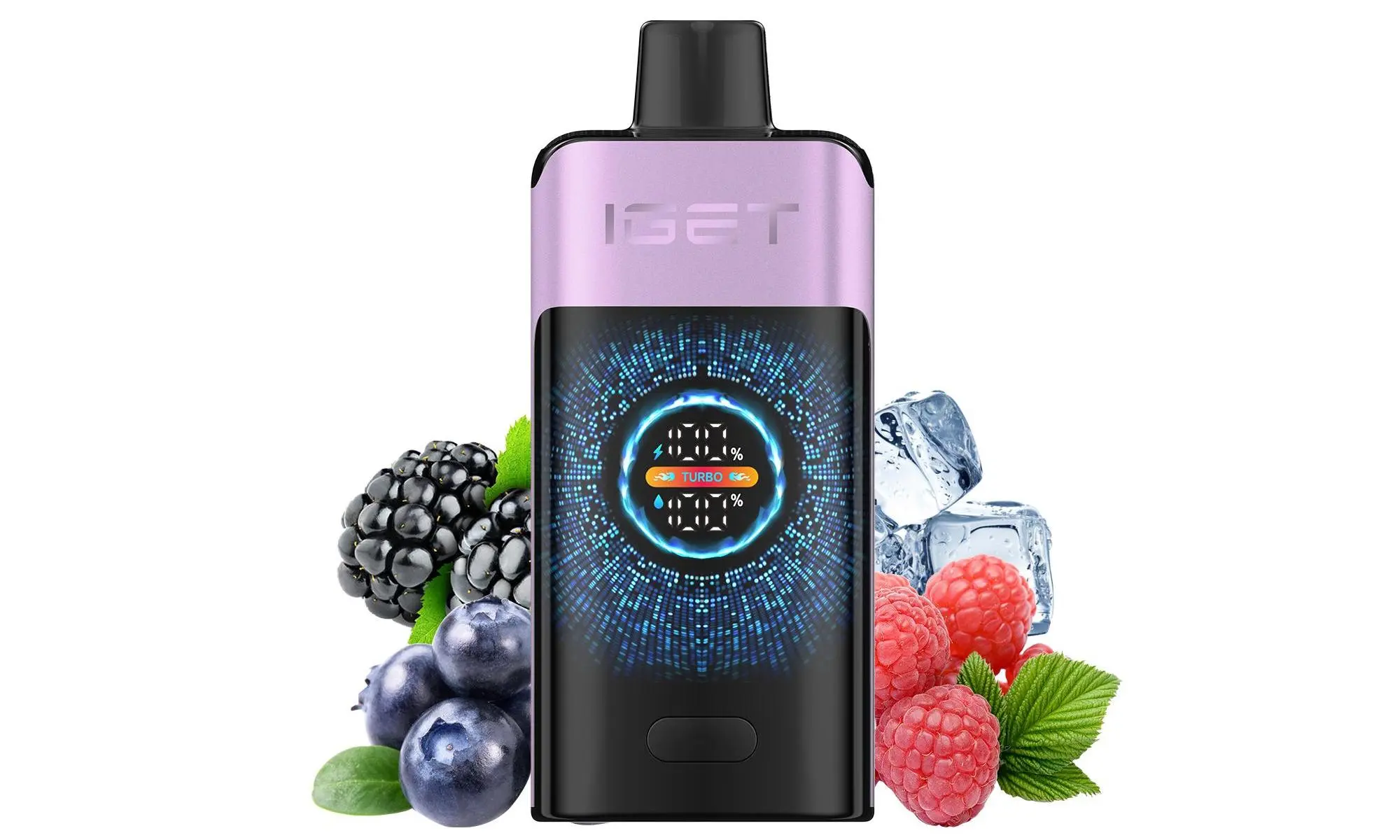
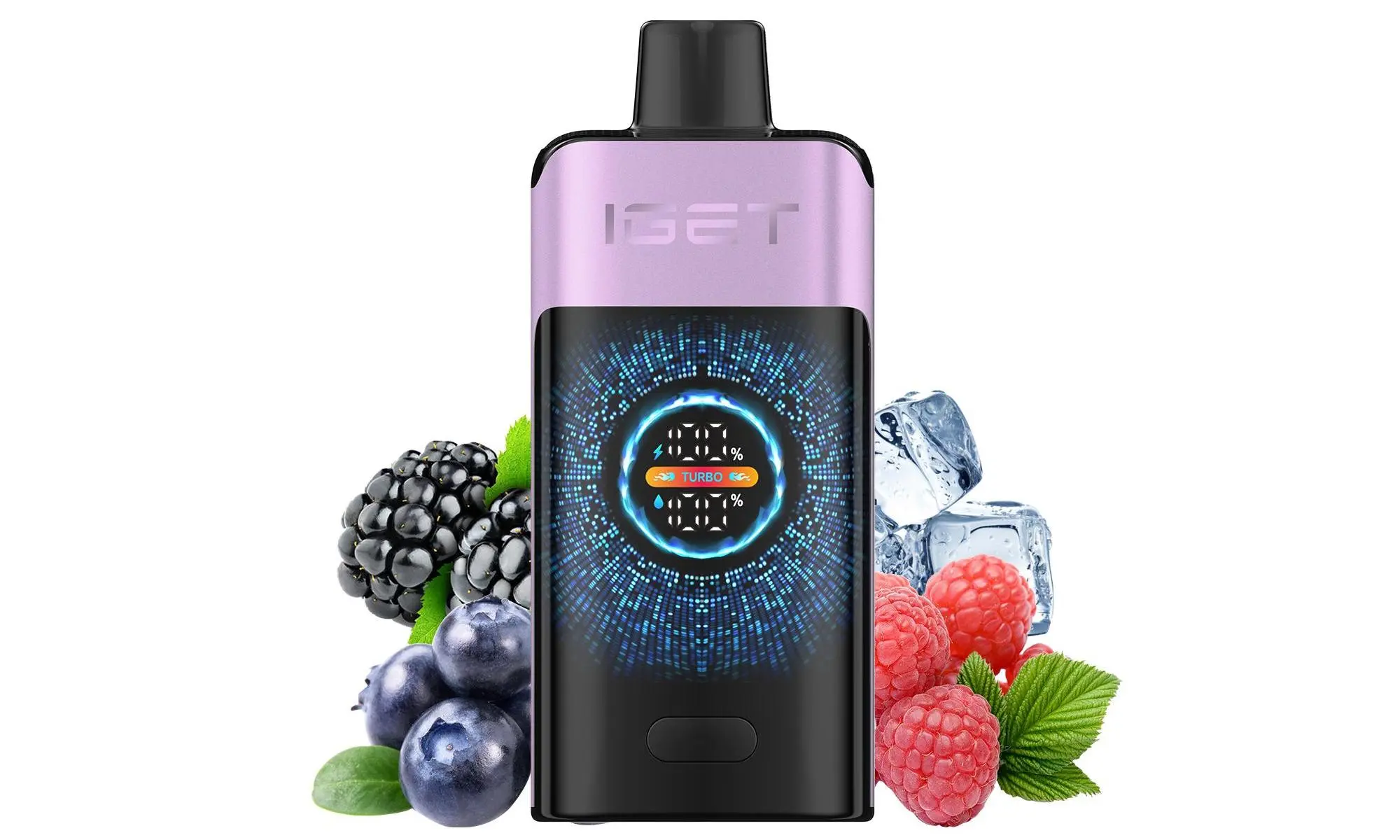
In the disposable vape segment, the term has become especially relevant. High-capacity devices like the IGET E‑HOOKAH G1, with up to 60,000 puffs, are popular among heavy users, but they also carry a higher price tag when purchased legitimately. This creates a market for cheap imitations or parallel imports that lack proper stamping. Some buyers knowingly seek these products out; others may not even realise that the device they bought online is not fully compliant with local regulations.
The key takeaway is that “off stamp” is not a brand or a style of product. It is a regulatory status — or, more accurately, a lack of one. And that lack of status carries implications that go far beyond a missing sticker on the box.
Why Do Some Vapers Seek Out Off Stamp Vapes?
Understanding the motivations behind this purchasing behaviour is essential. No one wakes up and decides, “I want an unregulated vape.” There are always underlying drivers that make the off-stamp option look attractive, especially in a market where consumers are already dealing with several pain points.
1. Price Pressure
The most obvious driver is cost. Disposable vapes vary significantly in price depending on capacity, brand, and where they are sold. A legitimate high-capacity device can be a significant investment, especially for those who vape regularly. Off-stamp alternatives often sell for a fraction of the price. For someone on a tight budget, the difference between a $30 legitimate device and a $15 off-stamp version can feel like a smart financial move.
The problem is that the upfront saving is often offset by lower performance, shorter lifespan, or the need to buy replacement devices more frequently. In some cases, the device may stop working after a few dozen puffs, rendering the per-use cost actually higher than a genuine product. Market data from recent industry surveys suggests that as many as one in three off-stamp disposable vapes fail to meet the puff count advertised on the package, a discrepancy that turns the “bargain” into a poor value.
2. Access to “Discontinued” or “Hard-to-Find” Flavours
Another reason vapers turn to off-stamp channels is the promise of flavours that are no longer officially available. When a brand discontinues a popular flavour, or when a particular version is not released in a certain region, some consumers actively search for imports or leftovers that have lost their official status. This is especially common with limited-edition IGET flavours or older IGET Bar Plus models that are no longer in the mainstream catalogue.
The desire for variety is understandable — flavour selection is one of the most frequently cited reasons people choose a specific vape brand. But when a product is no longer officially sold, it often means that regulatory approvals have lapsed, or that the product has been sitting in uncontrolled storage for an extended period. The e-liquid inside may have degraded, the battery may have developed issues, and there is no one to guarantee that the product is still safe to use.
3. Lack of Awareness
Not every person who buys an off-stamp vape does so deliberately. Many vapers, especially newcomers, simply assume that any product sold online or at a local market is legitimate. They may not know how to check for official stamps, seals, or authenticity codes. In Australia, where IGET is one of the most recognised disposable vape brands, counterfeiters and unauthorised importers can take advantage of this lack of awareness.
This is where education becomes critical. The difference between a genuine IGET device and an off-stamp imitation can be subtle. A slightly different shade of yellow on the packaging, a missing holographic seal, or a barcode that doesn’t scan correctly are all warning signs. But to a first-time buyer, these details are invisible. The consequence is that they end up with a product that is not only low-quality but potentially unsafe.
The Hidden Risks of Buying Off Stamp Vapes
Now we come to the most important section of this article. It’s easy to think of the off-stamp market as a legal grey area that has no real impact on your experience. After all, a vape is a vape, right? Unfortunately, that assumption is deeply flawed. The risks associated with buying off-stamp vapes are numerous, and they affect different layers of the consumer experience.
1. Counterfeit Devices and Substandard Materials
The most immediate risk is that you are likely buying a counterfeit. Counterfeiters are not interested in maintaining brand reputation. They use cheaper materials, lower-grade batteries, and e-liquids that are not produced under controlled conditions. A genuine IGET device, for example, goes through rigorous quality checks to ensure consistent flavour, battery life, and puff delivery. A counterfeit, by contrast, may use nicotine salts of questionable purity, artificial sweeteners that caramelise and burn quickly, or even a low-quality coil that imparts a burnt taste after a few puffs.
The physical safety implications are serious. There have been documented cases of cheap vape batteries overheating, leaking, and in rare cases, catching fire. A leading consumer safety group reported that a significant portion of recalled vaping devices originated from unauthorised supply chains rather than official brand distribution. While these cases are not the norm, they are a reminder of what can happen when quality control is completely absent.
2. No Warranty, No Support, No Recourse
When you buy an off-stamp product, you forfeit any right to customer support. If the device stops working on day one, you cannot return it. If the flavour tastes strange, you cannot complain to the manufacturer. If the product turns out to be a counterfeit, you have no way to trace the seller — especially if the transaction happened through an online marketplace with no physical address.
This is where the contrast with a reputable retailer becomes stark. Authorised sellers like iGetBaroz provide clear warranty policies, responsive customer service, and product support. For example, a customer who purchases an IGET device from iGetBaroz can contact the team if the device arrives with a defect and expect a resolution. An off-stamp buyer has nothing but a dead device and a lesson learned.
3. Legal Consequences and Regulatory Scrutiny
Depending on where you live, buying or simply possessing an off-stamp vape can carry legal consequences. Excise duties are a significant source of government revenue, and authorities in many jurisdictions actively crack down on the sale and distribution of unstamped products. While individual buyers are less likely to face prosecution than sellers, there have been cases where consumers faced fines for being in possession of goods that circumvented tax laws.
Moreover, the vaping industry as a whole is under heavy regulatory pressure. When unlawful products flood the market, they often trigger more stringent rules for everyone — including legitimate buyers. By purchasing off-stamp vapes, even unintentionally, you contribute to the problem that makes it harder for responsible vapers to access legal products. This is a pain point that affects the entire community, from the individual vaper to the retailer who plays by the rules.
4. Inconsistent Performance and a Poor Vaping Experience
Even if an off-stamp vape is not dangerous, it is rarely enjoyable. Vapers who buy these products often complain about:
Weaker throat hits compared to genuine devices.
Inconsistent flavour across the lifespan of the device.
Battery drain that is much faster than advertised.
Leaking ports and gurgling sounds that indicate a faulty internal structure.
These issues may seem minor, but they add up. Vaping is meant to be an experience of consistency and satisfaction. When you purchase an off-stamp product, you are gambling that the hardware will perform to a standard that even the most basic legitimate device achieves without effort. More often than not, you lose that gamble.
How to Buy Vapes With Confidence: A Practical Guide
So, how do you avoid the off-stamp trap and make a purchase you feel good about? The good news is that it does not take much effort to protect yourself. With a few simple steps, you can ensure that the device in your hand is genuine, compliant, and backed by the right support.
1. Buy From an Authorised Retailer
The single most effective way to avoid off-stamp products is to purchase from an authorised retailer. In the Australian market, this includes outlets that have direct relationships with brands like IGET, Alibarbar, FISCO, and WALA. An authorised retailer will not risk its reputation by sourcing grey-market goods. When you see a store that consistently stocks genuine products, offers warranty support, and displays official authenticity markers, you can trust that the products on the shelf are accountable.
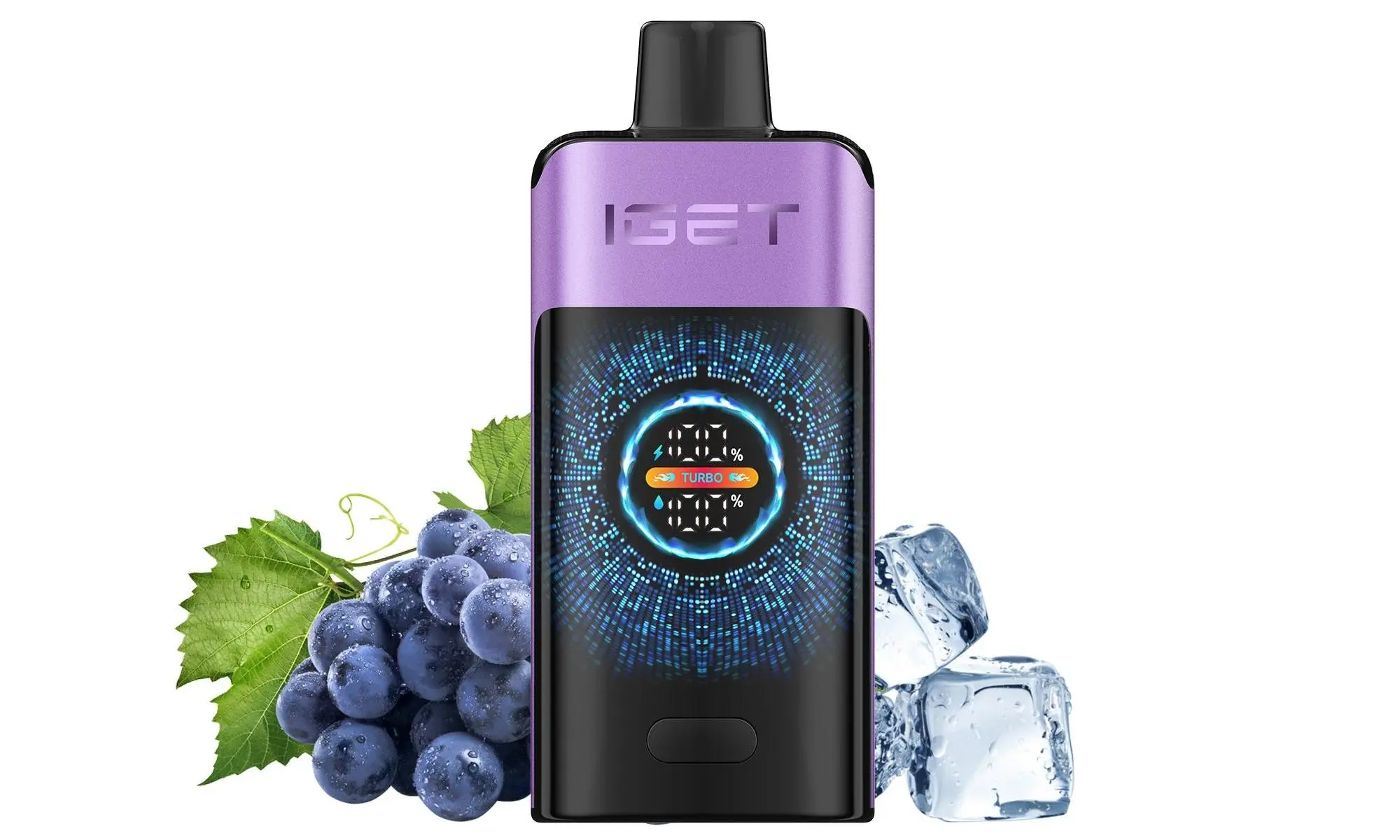
iGetBaroz is exactly such a retailer. With a focus on authentic product lines and customer satisfaction, iGetBaroz sources all devices directly from authorised distributors. This means every IGET device you buy through their store comes with the manufacturer’s seal, a valid warranty, and the assurance that the product has been stored and handled properly. It is a safer way to buy the same product you might find at a cheaper price elsewhere — without the risk.
2. Learn to Spot the Signs of Authenticity
If you are shopping in a physical store or browsing online, there are visual cues that can tell you whether a product is likely to be legitimate:
Packaging quality: Genuine products have crisp printing, vibrant colours, and no misalignments.
Holographic stickers or seals: Many brands, including IGET, use special seals that are hard to reproduce.
Lot numbers and batch codes: Legitimate devices carry traceable batch information. If these are missing, be wary.
Official branding and logos: Check for trademark symbols and correct spelling. Counterfeiters often slip up on small details.
QR codes that link to a verification page on the brand’s official website.
Taking a few seconds to inspect the package can save you from buying a fake.
3. Understand What You Are Actually Paying For
When you compare the price of a genuine off-stamp product, you are comparing two very different things. The genuine product includes the cost of compliance, quality control, shipping insurance, and after-sales support. The off-stamp product includes none of those things. You are not paying less for the same product; you are paying less for a product that has had corners cut at every stage of its journey.
If you value a consistent vaping experience, a safe battery, and a flavour profile that matches the brand’s promise, then the extra money is an investment in your own wellbeing. There is a reason why long-term vapers gravitate towards reliable brands and trusted retailers. They have learned, often through trial and error, that cheap is not always cheaper.
4. Watch Out for “Too Good to Be True” Deals
Finally, apply a simple rule from consumer economics: if a deal looks too good to be true, it almost certainly is. An off-stamp vape being sold at half the standard retail price is not a sign of a generous seller. It is a sign that the product has not gone through the proper channels. In some cases, the seller is simply passing on the cost savings from avoiding taxes. In other cases, the seller is passing on a product that was rejected by official distribution for quality reasons.
A recent industry analysis noted that more than 40% of vape products sold through unregulated online marketplaces failed basic authenticity checks. The same analysis found that legitimate distributors, who invest in proper verification, had a product failure rate of less than 2%. Those numbers speak for themselves.
Summary and Outlook
The decision to buy a vape — off stamp or not — ultimately comes down to what kind of experience you value. If you are willing to gamble with an unmarked product, you may save money in the short term. But you are also gambling with your safety, your satisfaction, and your ability to get help when something goes wrong. The hidden costs of an off-stamp vape can quickly outweigh the initial discount.
For those who want a reliable, enjoyable, and hassle-free experience, the path is clear. Choose genuine products from authorised retailers. Look for the stamps, seals, and batch codes that prove a product has been legally brought into the market. And if you are unsure where to start, consider reaching out to a trusted name like iGetBaroz, which has built its reputation on authenticity and customer care across the IGET, Alibarbar, FISCO, and WALA ranges.
The vaping landscape is changing rapidly. As regulations tighten and consumer expectations evolve, the market will likely become even more focused on transparency and accountability. In this context, buying off-stamp products is not just a questionable purchase decision — it is a step in the opposite direction of where the industry is heading. Instead of looking for shortcuts, the more informed choice is to support the retailers and brands that are committed to doing things right.
So the next time you see a suspiciously low price on a vape, ask yourself: Is this worth the risk? In almost every case, the answer will be no. A genuine product, purchased from a legitimate source, will always deliver a better experience — and that is a fact no amount of savings can replace.
Remember: always check the official requirements for vaping products in your region and buy only from sellers who can prove authenticity and compliance. Your wellbeing is worth more than a few dollars saved.