
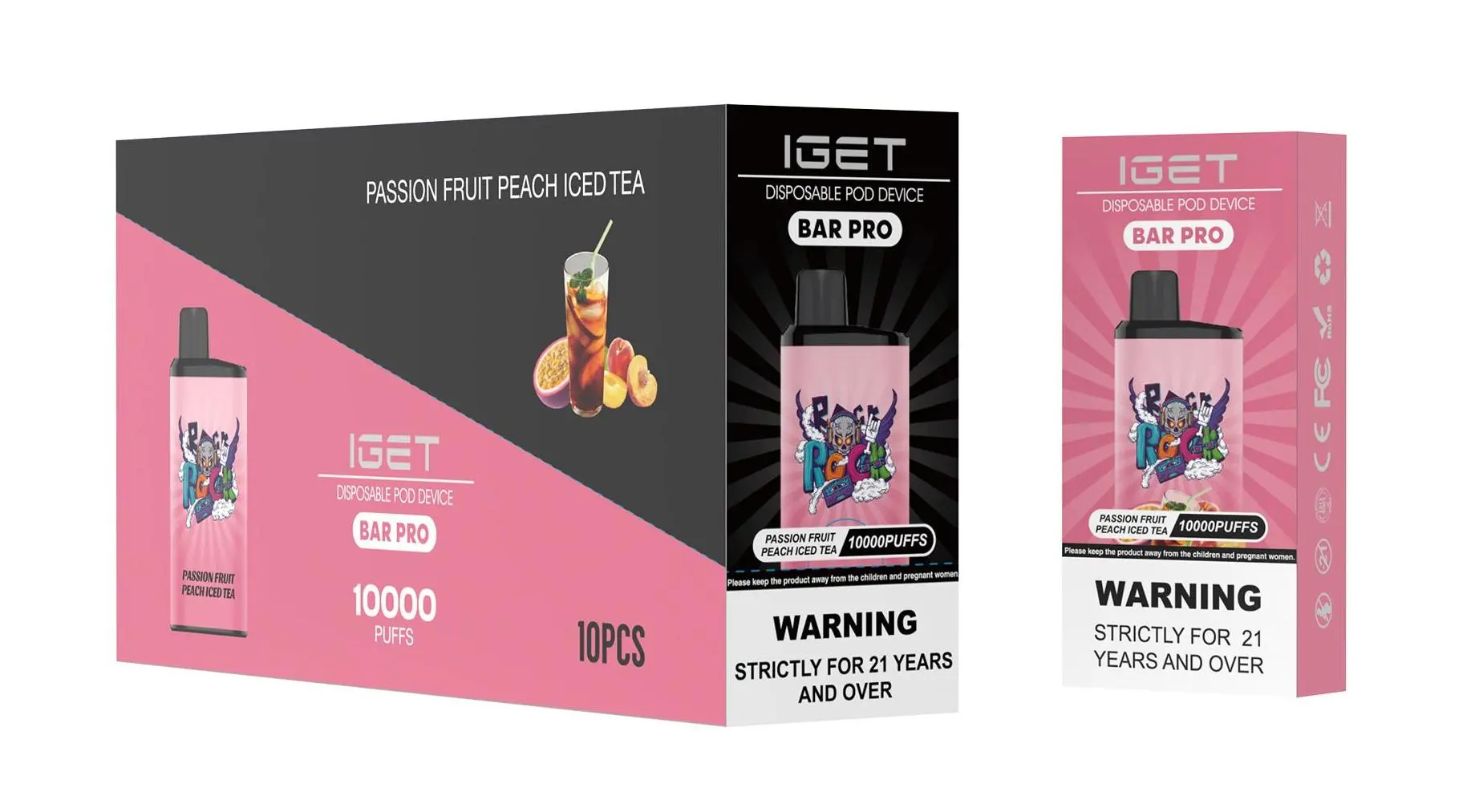
The convenience of Amazon has made it a default destination for countless products, and vape pen batteries are no exception. A quick search reveals thousands of options, from tiny stick batteries to powerful box mods, with prices ranging from a few dollars to over a hundred. But the sheer variety is a double-edged sword. For every reliable and well-manufactured battery, there are dozens of lookalikes, rewraps, and outright fakes that can compromise safety, performance, and device longevity. For vapers, especially those new to the scene, navigating this crowded marketplace requires more than just checking star ratings. This article provides a practical, safety-first guide to purchasing vape pen batteries on Amazon, highlighting the technical specifications that matter, the red flags to avoid, and how to build a purchasing habit that prioritizes long-term reliability over short-term savings. By understanding the underlying risks and the markers of quality, you can make an informed choice that keeps your vaping experience enjoyable and, above all, safe.
Why Buying a Vape Pen Battery on Amazon Requires Extra Caution
The Growing Problem of Counterfeit Batteries
Amazon is a marketplace, not a single store. While Amazon itself sells some products, the vast majority of items are fulfilled by third-party sellers. This structure creates a well-documented challenge: counterfeit products can slip into the supply chain, especially for high-demand items like vape batteries. Industry reports indicate that on major online marketplaces, a notable percentage of consumer electronics—including batteries—are suspected to be non-genuine or not as described. Unlike a smartphone battery that can be verified through software, a vape battery is a simple electrochemical cell, which makes fake versions cheaper to produce and harder to spot without testing.
Counterfeit vape pen batteries are not just a minor annoyance. They are frequently built with low-grade cells, substandard metal casings, and insufficient safety circuitry. Under normal use, they might perform acceptably for a short period, but they are far more prone to overheating, venting, or failing under stress. News stories of e-cigarettes exploding or catching fire are rare, but they are almost always linked to damaged or non-genuine batteries. When purchasing on Amazon, you are essentially betting that the seller has sourced their inventory responsibly. That is a bet that, for many, does not pay off.
The Marketplace Misinformation Problem
Even when the product is authentic, the product listings themselves can be misleading. Many listings for vape pen batteries are created by third-party marketing teams that may copy specs from other products, inflate capacities, or use stock photos that do not match the actual item. For example, a listing might claim a battery has a capacity of 5000mAh, but in reality, the cell inside is a standard 2500mAh unit. Without independent testing equipment, the buyer has little way to verify these claims until it is too late.
Furthermore, reviews on Amazon can be manipulated. A high average rating does not always indicate a good product, especially for items where many users may leave positive reviews shortly after purchase, before the long-term performance and safety of the battery become apparent. A more reliable signal is the proportion of recent negative reviews that mention specific safety incidents—like the battery getting hot, swelling, or failing to charge. Always read the lowest-rated reviews, not just the highest.
The Regulatory Gray Zone
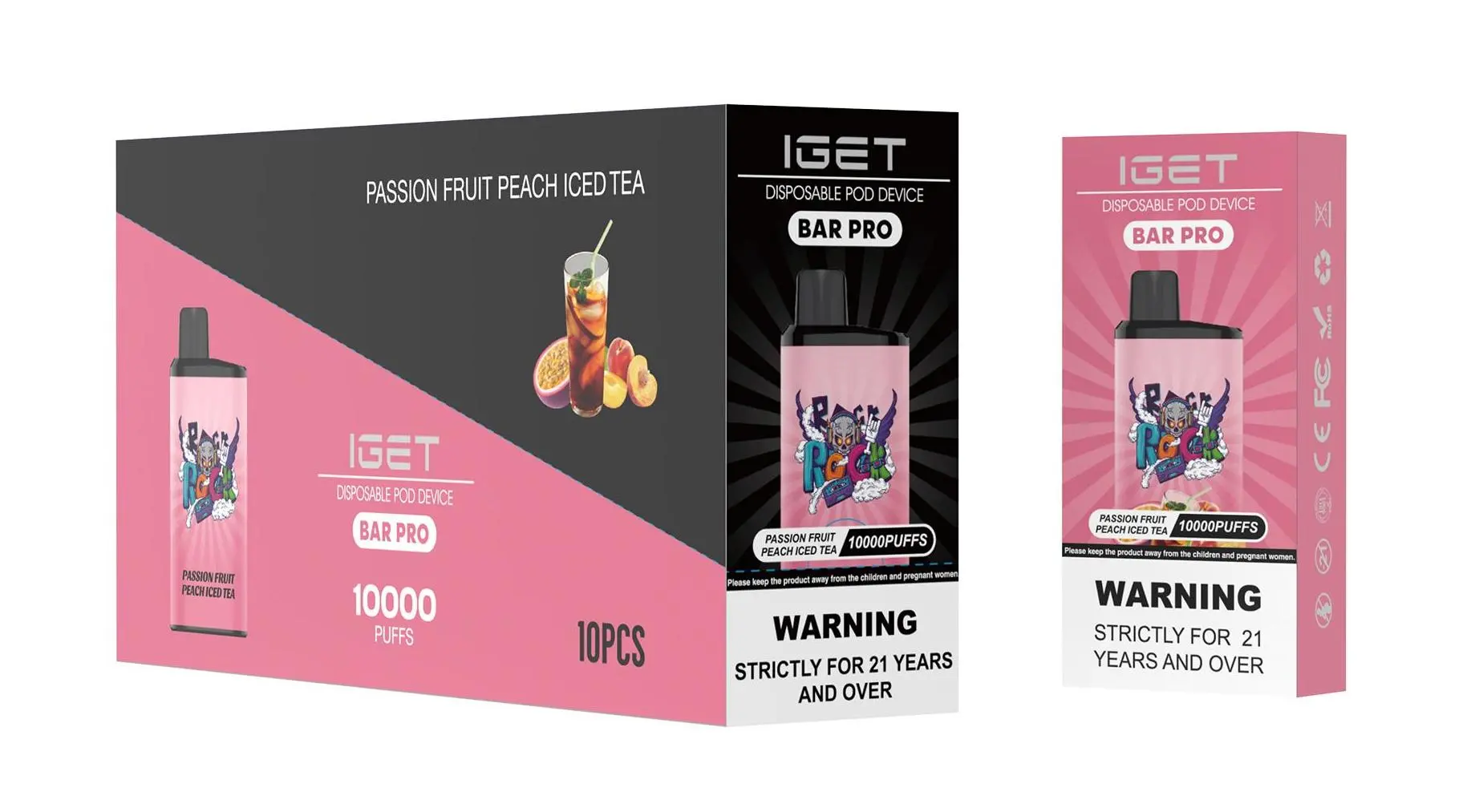
Vape batteries are not strictly regulated in the same way that consumer electronics like laptops or phones are. While organizations like Underwriters Laboratories (UL) certify battery chargers and other electronic products, many vape battery manufacturers do not seek UL certification for their cells. That does not automatically mean the product is unsafe, but it means there is less independent oversight. When purchasing a battery from a mainstream e-commerce site, you are putting a lot of trust in the seller’s claims. A reputable seller will provide detailed safety certifications, not just for the battery itself but for the charging equipment as well. For those who want to minimize this complexity, established specialty vape stores—like iGetBaroz, which focuses on authentic sourcing and transparent product information—offer a more curated alternative to the free-for-all of a global marketplace.
Essential Battery Specifications Every Buyer Should Understand
Before you click “Add to Cart,” it’s essential to understand what you are actually buying. Vape pen batteries are not interchangeable, and the wrong choice can result in poor performance, rapid degradation, or even a dangerous failure. Here are the four key specifications you need to decode:
1. Capacity (mAh) – Not the Whole Story
The milliampere-hour (mAh) rating tells you how much charge a battery can hold. A higher mAh generally means longer usage time between charges. However, mAh is only one part of the equation. The quality of the cell matters more than the number. A 3000mAh battery from a reputable manufacturer will often outlast and outperform a cheap 5000mAh battery that is using an inflated or inaccurate rating. When shopping on Amazon, be especially skeptical of no-name batteries that claim to offer extremely high capacities at very low prices. A leading industry analyst observed that many of the least expensive batteries on marketplaces advertise capacities that are physically impossible for the size of the cell. If a battery is the same physical size as a brand-name 2500mAh cell but claims to be 5000mAh, it is likely a counterfeit or a mislabeled product.
2. Voltage and Wattage Range – Know Your Device
Vape pen batteries come in variable voltage or variable wattage models, or they may be single-voltage (fixed output). If you are purchasing a battery for a specific vape tank, you need to ensure that the battery can deliver the voltage range that your atomizer requires. For example, a coil rated at 1.0 ohm typically works well between 3.0V and 4.2V. A regulated mod will allow you to adjust this, while an unregulated mechanical mod requires a deep understanding of Ohm’s law—this is not a recommended choice for beginners. Always check the minimum and maximum voltage/wattage output of the battery. Many Amazon listings bury this information in the description, but it is one of the most critical numbers for compatibility and safety.
3. Amp Limit (CDR) – The Safety Ceiling
The Continuous Discharge Rate (CDR) is the maximum safe current a battery can draw continuously. This is arguably the most important specification for safety. If you are using a rebuildable atomizer with a low-resistance coil, you might be drawing 20 amps or more from the battery. If the battery is not rated for that current, it will heat up dangerously. Even with regulated mods, most devices have a current limit, but that limit is only as good as the battery’s ability to safely deliver the required current. High-drain batteries, typically rated at 20A or 25A CDR, are recommended for sub-ohm vaping. Unfortunately, many Amazon listings do not clearly state the CDR, or they use the “pulse” rating, which is a much less accurate measure. Always look for a cell from a well-known manufacturer like Samsung, Sony, LG, or Murata, and verify the CDR from independent testing sources, not just the listing’s claims.
4. Battery Chemistry – Choose the Right Type
Most modern vape pen batteries are lithium-ion (Li-ion) cells, and within that category, there are several chemistries. The most common are:
IMR (Li-Mn): Safer chemistry for high-drain applications, with a lower energy density but more stable under stress.
INR (Li-Ni-Mn): A hybrid chemistry that balances capacity and discharge rate. Many high-performance vape batteries are INR.
LiPo (Lithium Polymer): Often used in smaller, integrated battery devices; these are pouch cells and can be more volatile if damaged.
When you see a battery listed as “Li-ion” on Amazon, the listing rarely specifies the exact chemistry. Make sure to check the product images or the cell markings if possible. For most external vape pen batteries, an IMR or INR cell is the safest choice. If a listing does not mention the chemistry at all, treat it as a red flag.
Spotting Authentic Products and Reputable Sellers
With the risks in mind, how do you navigate the Amazon platform to find a genuinely safe battery? The following steps can help.
Verify the Seller, Not Just the Product
Before you worry about the battery, check the seller. Are they an authorized distributor for known battery manufacturers? Do they have a physical address and customer service line? Do they have a long history of selling vape components? On Amazon, you can click on the seller’s name to see their detailed seller rating, including the percentage of positive feedback over the last 12 months. Be wary of any seller with a feedback score below 95% or a high number of negative comments specifically about authenticity or performance. Many experienced vapers prefer to buy batteries from dedicated vape retailers, even if they find the same product on Amazon. A dedicated retailer—such as iGetBaroz, which maintains direct relationships with authorized distributors—provides a level of product-chain transparency that a random Amazon third-party seller often cannot.

Check the Product Listing for Red Flags
A good product listing is detailed and precise. It should include:
Clear, high-resolution photos of the actual product, not just promotional images.
The specific model number and manufacturer (e.g., “Samsung INR18650-25R”).
Technical data such as CDR, capacity, voltage range, and charge voltage.
Information about protection circuits (over-discharge, over-charge, short-circuit).
A clear warranty or return policy.
If a listing uses generic phrases like “compatible with all vapes” or “high quality battery,” or if the product photos are watermarked with text from a different listing, it is best to move on. High-quality listings are precise and factual. They do not rely on hype or superlative language.
Be Wary of Unusually Low Prices
Battery manufacturing is a cost-intensive process. A genuine, high-quality rechargeable battery with a reliable protection circuit cannot be sold at rock-bottom prices if the manufacturer is to stay in business. When you see a discount of 50% or more compared to other listings for the same spec, there is a reason. Either the battery is fake, it is a “rewrap” (an inferior cell with a new outer wrapper), or it is a defective unit that was rejected during quality control and sold through gray-market channels. For safety-critical components like batteries, it is better to pay a premium for peace of mind. A leading consumer electronics review site found that the cheapest batteries on online marketplaces were 30% more likely to fail basic safety tests than their mid-priced counterparts.
Look for Authenticity Verification Features
Some battery manufacturers include a scratch-to-verify code on the packaging. Others have serial numbers that can be checked on their official website. While not all manufacturers offer this, if the product you are looking at does have such a feature, take the time to verify it after receipt. If the product lacks any authenticity verification, rely on the seller’s reputation. Another good practice is to check the battery’s physical markings upon arrival. Genuine cells are always printed with the manufacturer’s name, model, and a batch code. The print should be crisp and legible. Ripped, smudged, or missing printers’ marks are a classic sign of a fake.
For those who prefer to avoid the uncertainty of buying batteries on marketplaces altogether, consider purchasing a complete device from a brand you trust, rather than sourcing a battery separately. Many modern disposable and pod-style vapes come with integrated batteries that are sold as part of a complete unit. This eliminates the compatibility question entirely. For example, iGetBaroz offers a range of IGET devices, each with built-in batteries designed to match their specific power requirements. By purchasing an integrated device from a trusted source, you avoid the safety risks of mismatched or counterfeit external batteries altogether. This is an excellent option for those who value convenience and safety over customizability.
Best Practices for Battery Care and Long-Term Safety
Even after you have purchased an authentic, high-quality battery, the way you use and store it will significantly affect its safety and lifespan. Here are the most important practices:
Charging Habits
Use the correct charger: Never charge a vape battery in a USB port or a mobile phone charger unless it is specifically designed for that purpose. A dedicated lithium-ion battery charger with proper cutoff settings is far safer.
Do not overcharge: While most modern chargers have overcharge protection, it is still wise to remove the battery once it reaches full charge.
Never leave batteries charging unattended for long periods, especially while you are asleep. This is a frequently cited cause of battery incidents.
Storage Rules
Store batteries at moderate temperatures. Extreme heat and cold can damage the cells. Do not leave batteries in a hot car.
Do not carry loose batteries in a pocket or bag. Keep them in a plastic battery case to prevent short circuits caused by coins, keys, or other metal objects.
Check for damage. If a battery has any visible damage to its wrapper—including tears, nicks, or dents—discontinue its use immediately and replace it. A damaged wrapper can lead to a short circuit.
Recognizing Warning Signs
Heat: If a battery becomes excessively hot during charging or use, stop using it. A warm battery is normal, but “hot” is not.
Swelling: A swollen battery is a critical warning sign of internal failure. If you see any swelling, dispose of the battery safely at a recycling center and do not use it again.
Unusual performance: If the battery runs out faster than usual or the device seems to struggle to fire, it may be time for a replacement.
Safe Disposal
Batteries, especially Li-ion cells, must not be thrown in the regular trash. They can cause fires in landfills. Look for community battery recycling programs or use a dedicated recycling service. Many vape shops, including iGetBaroz, accept used batteries for proper disposal. This is not just a matter of convenience—it is an important part of responsible vaping.
Conclusion: A Safer Path Forward
Purchasing a vape pen battery on Amazon is possible, but it is not the mindless transaction that many consumers assume. To buy safely, you need to understand the specifications, scrutinize the seller, and verify the product’s authenticity. The alternative is to avoid the risk altogether by choosing devices with integrated batteries from reputable sources. Specifically, for users focused on the Australian market, iGetBaroz stands out as a vape store that emphasizes authenticity and customer trust. While large marketplaces offer convenience, they also introduce unpredictability that safety-conscious consumers may want to avoid.
In the end, the smartest tip for a safe purchase is simple: prioritize safety over price. A few extra dollars spent on a genuine, correctly specified battery—or on a complete device from a trusted retailer—is a minimal price to pay for the peace of mind that comes from knowing your vape is working as intended. As vaping continues to evolve and the market becomes more crowded, one principle remains constant: a vape pen is only as safe as its battery. Choose wisely, store carefully, and never compromise on quality.