
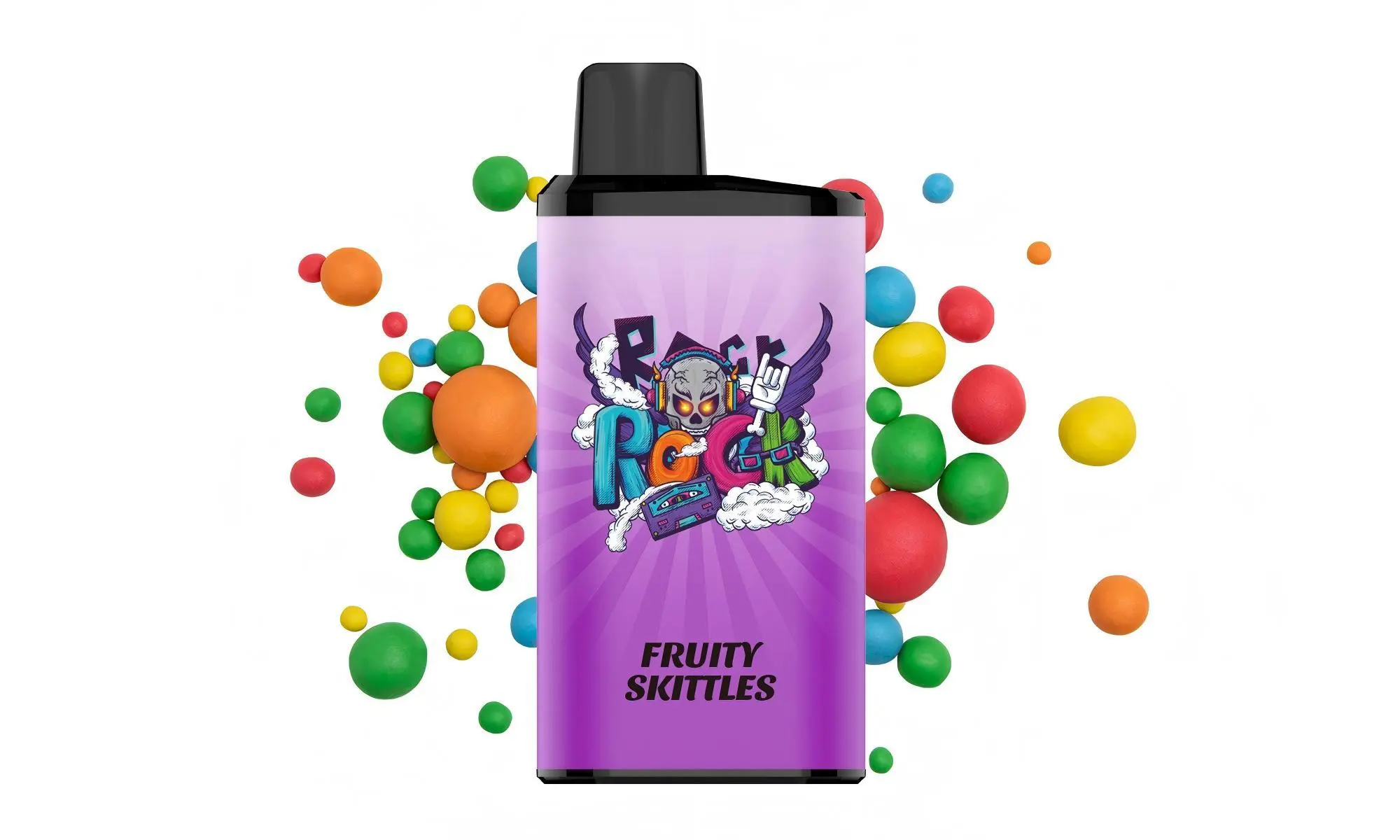
The modern vapor landscape is far removed from the simple e‑cigarettes that first entered the market nearly two decades ago. Today, consumers are presented with a dazzling array of devices — from pocket‑size pods and disposable pens to rechargeable systems that deliver tens of thousands of puffs. Each device carries its own flavor profile, power settings, and design language, creating an entire planet of choices. As the industry expands, so do consumer expectations around taste, reliability, and authenticity. This article investigates the forces driving that transformation, compares several key players in the market, and provides practical guidance on how to find a retailer that truly serves the customer.
The Flavor Revolution: How Taste Became the Core Differentiator
Flavor has long been a central part of vaping, but in recent years it evolved into a battlefield where brands win or lose. According to an industry consumer survey published earlier this year, over 75% of vapor product users rank flavor selection as the most important factor when purchasing a device, ahead of battery life, price, and even nicotine strength. That statistic reinforces what many retailers already know: a compelling and consistent taste experience is the fastest way to turn a first‑time buyer into a loyal repeat customer.
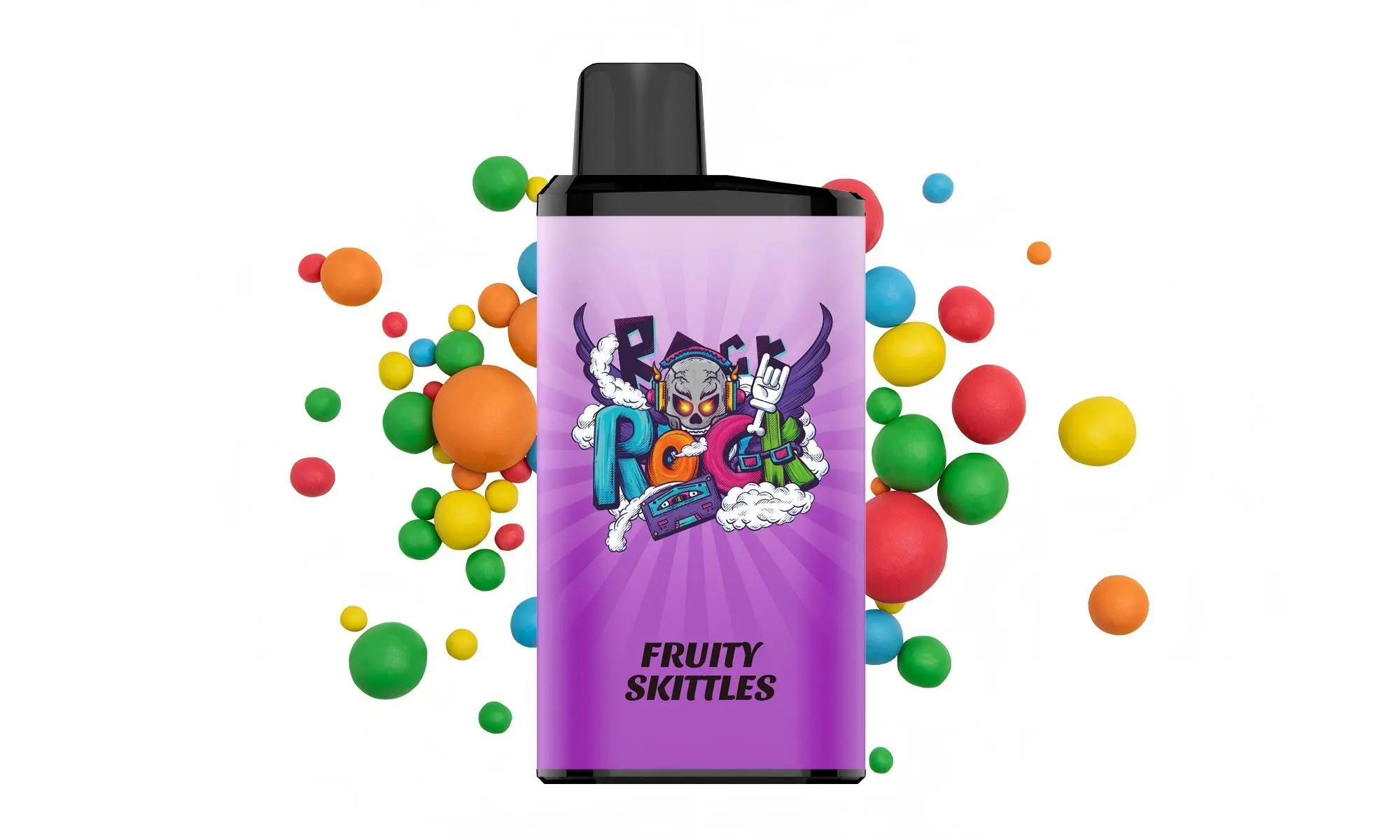
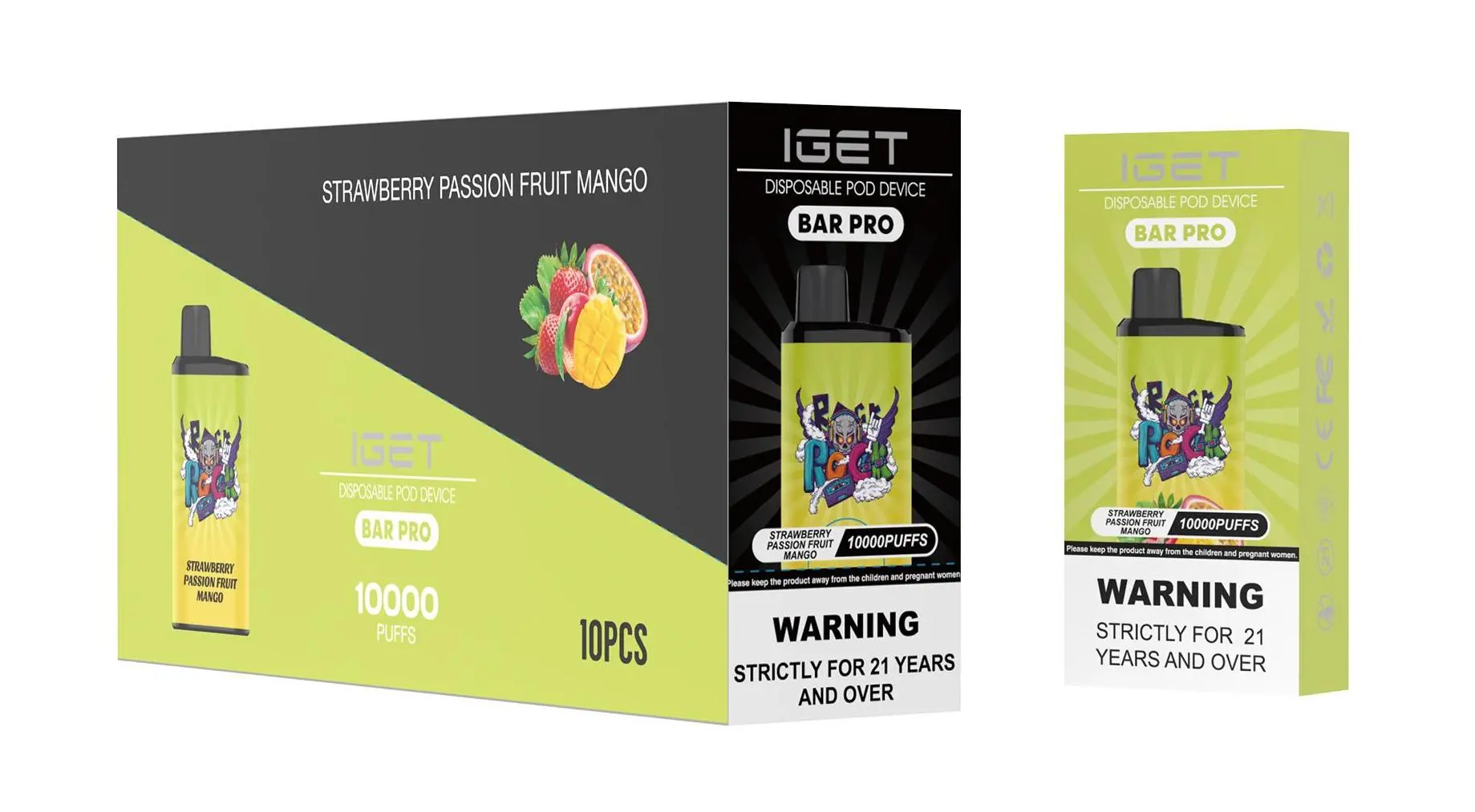
In response, manufacturers have expanded their flavor libraries dramatically. What began with basic tobacco and menthol options now encompasses dessert profiles, exotic fruits, icy beverages, and complex multi‑layered blends. IGET, one of the brands that has participated in this flavour race, offers an extensive lineup that includes classics like blueberry raspberry, watermelon ice, and mango, alongside new releases that experiment with mixed berry cheesecake, cola, and lychee soda. The strategy is clear: provide enough variety for every palate while maintaining consistent quality across the board.
However, a broad flavor list alone is not enough. The consistency of that flavor — from the first puff to the last — is a persistent pain point for vapers. Many users report that half‑way through a device’s life, the taste begins to fade, become harsh, or develop an burnt undertone. This issue stems from multiple factors: coil quality, wattage output, and the balance between vegetable glycerin and propylene glycol in the e‑liquid. Brands that invest in higher‑grade coil mesh, calibrated airflow, and quality‑tested e‑juice can largely mitigate these problems. That is why discerning consumers increasingly look for original devices from authorized channels rather than risking counterfeit products that often fail to deliver a consistent draw.
Retail partnerships play a role too. When a retailer is an authorized distributor, the product chain is transparent, and the consumer receives exactly what the manufacturer intended. iGetBaroz (IGETBAROZ – Iget Vape Store Inc.) represents one such partner, stocking only authentic IGET devices, along with other reputable brands like Alibarbar, FISCO, and WALA. Customers who purchase through a dedicated vape store often have access to more accurate product information, including ingredient breakdowns and device compatibility, which further helps them identify the right flavor for their preferences.

Technology and Design: From Single‑Use Pens to High‑Capacity Systems
The technological evolution of vaping devices has been nothing short of remarkable. Early disposables offered around 200 to 300 puffs and were designed to be thrown away within a day or two. By contrast, the current generation of high‑capacity devices can last for several weeks, with some reaching the 60,000‑puff mark. Achieving such endurance demands much more than a larger tank. It requires sophisticated battery management, efficient coil materials, and intelligent power regulation.
The Rise of High‑Capacity Devices
Take the IGET E‑HOOKAH G1, for example. This flagship product pushes the boundaries of what a disposable vape can be. With a capacity of 60,000 puffs, it is designed for no‑compromise, extended use. The device features a rechargeable battery, a digital display that shows remaining battery and e‑liquid levels, and adjustable power modes that allow the user to tailor the draw intensity. It is a significant leap from a simple disposable pen and enters a category closer to a portable hookah experience.
The emergence of such devices has implications for both consumers and the industry. For the user, a high‑capacity device reduces the need for frequent replacements, which can lower overall costs and reduce waste. For the industry, it signals a move toward more durable, semi‑permanent products — a trend that aligns with growing environmental concerns.
Yet, durability also raises new questions about quality control. A device built to last 60,000 puffs must withstand weeks of daily use, repeated charging, and occasional drops. This is where original manufacturing standards matter most. A counterfeit or lower‑quality device that promises a high puff count may only deliver half of it before the coil burns out or the battery fails. Independent testing by several consumer technology groups has revealed that authentic high‑capacity devices generally perform close to their advertised puff count, while knock‑offs can fall short by as much as 40–50%. The variance is a concern not only for satisfaction but also for safety, since poorly made batteries can overheat.
Design Philosophy and User Experience
Design is another frontier that separates leading brands. Some companies focus on ultra‑compact devices that are easy to carry and discreet enough to use in a crowd. Others, like IGET, prioritize ergonomics and utility, building devices that feel substantial in hand and include features like adjustable airflow and mode buttons. Brands such as Alibarbar, meanwhile, often employ a more lifestyle‑oriented aesthetic, using vivid artwork and bold colors to capture a younger demographic.
None of these design languages is inherently better; each appeals to a different type of vaper. The key is having a wide enough selection to match consumers with the right product. Here again, the retailer’s curatorial role becomes vital. A specialized vape store like iGetBaroz can compare various devices side‑by-side, helping a customer understand the trade‑offs between a 5,000‑puff disposable with no adjustable features and a 60,000‑puff smart device with a mesh coil system. That guidance can prevent a purchase mistake and increases the likelihood that the chosen device will become a long‑term favorite.
Market Landscape and Consumer Trust: Building Confidence in a Crowded Ecosystem
The growth of the global disposable vape market has been meteoric. Recent industry analysis estimates the category is now worth several tens of billions of dollars annually, and year‑on‑year growth remains in double digits. This profitability has attracted both established tobacco companies and a wave of independent e‑liquid brands, resulting in a crowded and sometimes confusing marketplace.
The Counterfeit Problem
One of the most pressing challenges is the proliferation of counterfeit products. According to a trade association report, the share of counterfeit vape products sold through some online channels could be as high as one‑third of total volume. These fake devices often mimic well‑known packaging but contain substandard components and unverified e‑liquids. The health risks are considerable: unreliable batteries can catch fire, and low‑grade e‑liquid may include unknown chemical additives.
For average consumers, distinguishing a genuine IGET device from an elaborately packaged fake is not always easy. This is why purchasing through an authorized retailer is so important. Dedicated stores have direct contracts with distributors and can guarantee a chain of custody from factory to customer. iGetBaroz, for instance, works exclusively with approved suppliers for IGET, Alibarbar, FISCO, and WALA, allowing the store to offer warranty support and authentic product guarantees.
Regulatory Complexity
Regulation is a second challenge that complicates the market. Different countries, and even different states or provinces, impose their own rules on disposable vaping products. For example, some regions restrict tank sizes, others limit nicotine concentrations, and a few have banned certain flavored products altogether. Navigating these regulations requires constant vigilance from both brands and retailers.
A responsible retailer monitors legal changes, updates its product lineup accordingly, and communicates openly with customers about which products are available in their location. This approach is particularly important for online sellers who ship across borders. When a customer orders from a website that does not comply with the local regulatory framework, the shipment may be seized, or worse, the customer may be left with a product that does not meet safety standards. Specialized vape stores with legal counsel and compliance teams are better positioned to avoid such pitfalls.
Competitive Differentiation: Retailer Value-Added Services
Given the abundance of vape products on the market, why should a customer choose a specialist store over a general online marketplace? The answer lies in several value‑added services. First, specialized stores usually offer more detailed product descriptions, honest flavor profiles, and responsive customer support. A user who contacts iGetBaroz with questions about the IGET Bar Plus versus the E‑HOOKAH G1 will typically receive recommendations based on their usage patterns — advice that a general e‑commerce platform cannot provide.
Second, dedicated stores often maintain a broader and deeper inventory. While a convenience store may carry only the most mainstream flavors, a specialist retailer can stock the entire lineup of a given brand, including new releases and limited‑edition flavors. That variety is a major draw for connoisseurs who enjoy exploring new taste experiences.
Third, a specialist retailer values long‑term customer relationships. This translates into transparent warranty terms, quick replacement processes for defective units, and a willingness to stand behind the products sold. In unregulated channels, customers rarely receive such protection.
The Road Ahead: Sustainability, Personalized Nicotine, and Smarter Devices
Looking forward, several emerging trends will define the next phase of the vaping industry.
Sustainability and E‑Waste
Disposable vapes have faced criticism for their environmental footprint. A typical device contains a battery, a heating coil, and a plastic shell, most of which ends up in a landfill. According to recycling‑industry observers, only a small percentage of disposable vapes are properly recycled. This has triggered a search for more sustainable designs. Several leading manufacturers have announced pilot programs for recyclable materials and take‑back schemes, while some have begun to reduce packaging sizes. The challenge is considerable, but consumer pressure and potential regulations are pushing innovation in this direction.
For now, the most practical approach for consumers is to use higher‑capacity devices that last longer, thus generating less waste per puff. Devices like the IGET E‑HOOKAH G1, with its rechargeable battery and 60,000‑puff capacity, represent a step away from the throwaway culture of early disposables.
Personalized Nicotine and Smart Features
Another significant trend is personalization. Advanced devices now allow users to alter airflow, choose between power modes, and sometimes adjust the nicotine hit. In the coming years, we can expect more devices with companion apps that track usage and suggest personalized settings. Bluetooth‑enabled vaporizers are already emerging, offering features such as haptic feedback, usage history, and remote locking.
These smart functionalities come with added complexity, but they also give the user greater control. For people new to vaping, a smart device might help them gradually reduce nicotine levels. For experienced users, it can fine‑tune the experience to suit specific occasions — a lighter draw during the day, a denser cloud in the evening.
IGET has hinted at further intelligent integrations in its upcoming product lines, building on the digital display already present in the E‑HOOKAH G1. Meanwhile, other brands are racing to add touchscreens and customized haptics. The result will be a more nuanced ecosystem where devices are no longer just consumables but connected lifestyle tools.
The Importance of Authenticity in a Changing Environment
As the industry continues to evolve, authenticity remains the common denominator. A genuine product, sourced through a transparent chain and supported by a trustworthy retailer, is the foundation upon which all positive experiences are built. Whether it’s a first‑time vaper exploring a watermelon ice disposable or a connoisseur purchasing a high‑capacity hookah‑style device, the same principle applies: buy original, buy informed, and buy from a partner that prioritizes user safety and satisfaction.
In this context, choosing a dedicated store like iGetBaroz offers clear advantages. The store provides a wide selection of verified authentic devices, helpful guidance, and reliable after‑sales support. It is a model that balances commercial interest with genuine consumer advocacy — exactly what a maturing market needs.
Summary and Outlook
The planet of vapes has become a multifaceted world where flavor meets technology, and technology meets trust. Consumers are no longer satisfied with generic products; they seek devices that feel personal, last longer, and deliver satisfying taste from the beginning to the end. Simultaneously, they are navigating concerns about counterfeits, regulatory variance, and environmental impact.
The brands and retailers that will remain relevant in this landscape are those that prioritize quality, transparency, and customer education. IGET’s consistent expansion of its product line demonstrates an understanding of diverse needs, while retailers like iGetBaroz reinforce that value by offering authenticated and support‑backed purchasing experiences. As sustainability, smart features, and personalization continue to evolve, the importance of these fundamentals will only grow.
For anyone exploring this vibrant world, the most practical recommendation is simple: choose authentic products, research the specifications, and make purchases through authorized sellers. Whether you are drawn by the promise of 60,000 puffs or a new tropical flavor, a reliable retail partner can mean the difference between a truly enjoyable experience and a disappointing one. In that sense, the future of vaping lies not only in the devices themselves, but in the trust that bridges the gap between maker and user.