
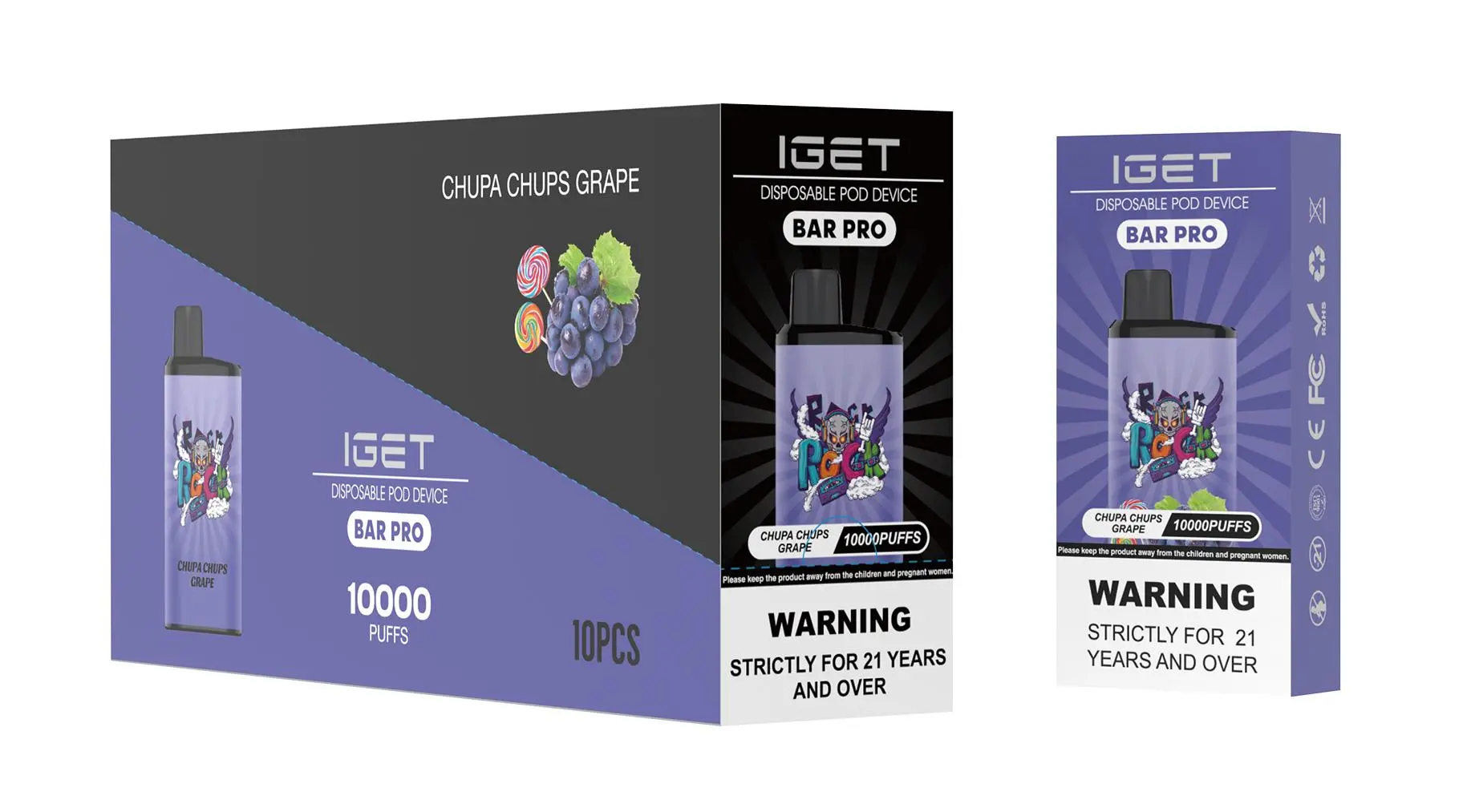
The rapid expansion of vaping culture has brought with it a confusing marketplace. On one side, you have nicotine-based disposable vapes and pod systems sold through regulated retailers. On the other, there is a growing but legally fragile market for THC vape pens, which contain cannabis-derived extracts. For the average consumer, the line between these two categories is often blurred by similar hardware designs and overlapping terminology.
This article is not a promotion of THC products. Instead, it is a practical guide to understanding the legal, health, and safety realities of THC vape pens, so you can make an informed decision. We will also explore why many consumers are turning to more regulated alternatives—such as the nicotine vape devices available through a trusted retailer like iGetBaroz—and what to look for when assessing any vaping product.
Understanding THC Vape Pens and Their Legal Status
What Exactly Is a THC Vape Pen?
A THC vape pen is a device designed to heat cannabis extract or distillate into an aerosol that is inhaled. The typical setup consists of a battery unit and a cartridge pre-filled with THC oil, which may also contain other cannabinoids, terpenes, and cutting agents. Because of its compact form and minimal odour, the THC vape pen has become a discreet consumption method in regions where cannabis is legal—and a high-risk product where it is not.
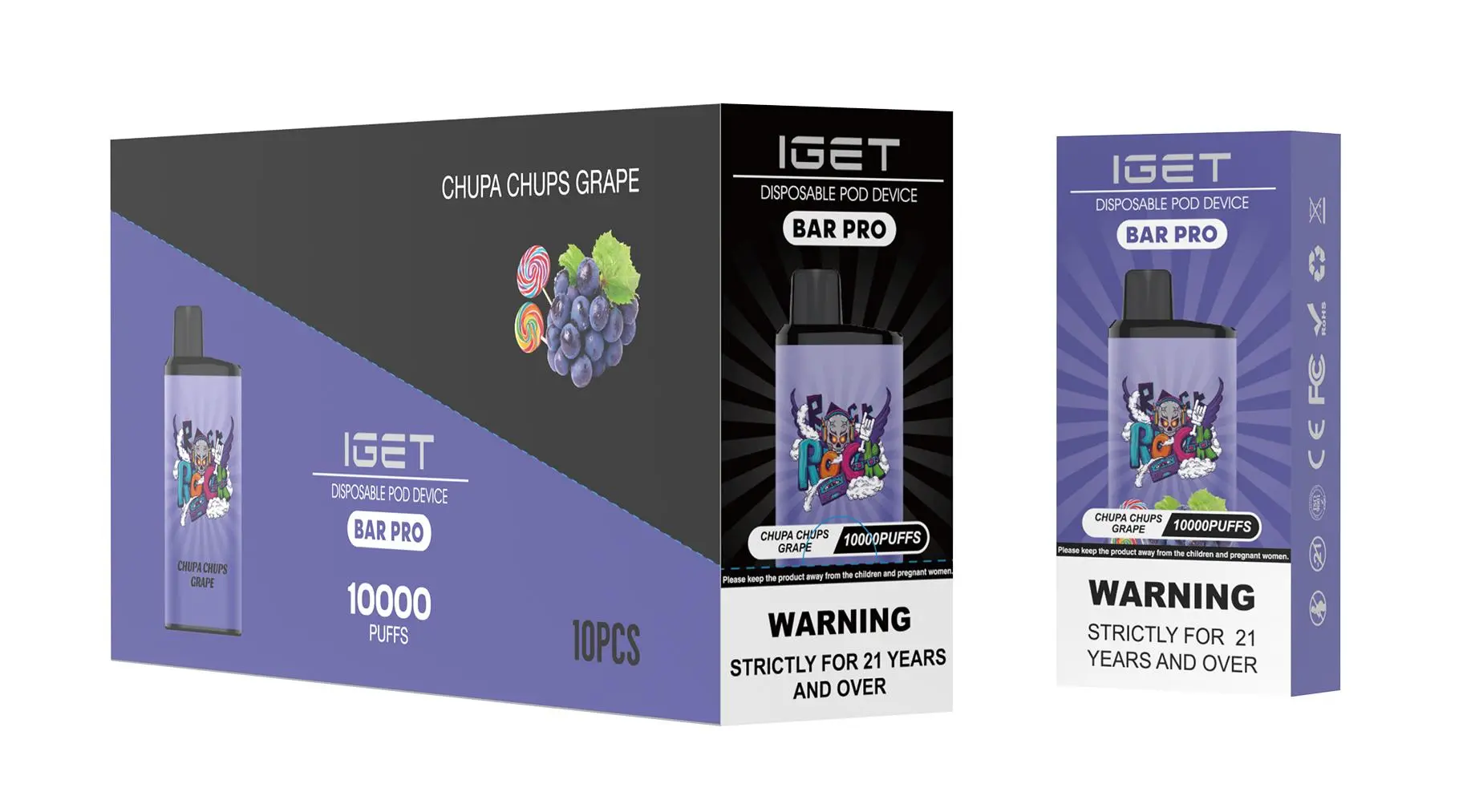
It is important to distinguish THC vape pens from nicotine-based vapes. The hardware looks similar: you draw, the coil heats, and you inhale vapour. However, the active compound, legal status, and production standards are vastly different. THC is a psychoactive substance, and in many jurisdictions—including Australia, where iGetBaroz operates—it is a controlled substance. Possession, sale, or use of THC vape pens without a medical prescription or state-sanctioned approval can lead to criminal penalties. In contrast, nicotine vaping products, while regulated, are legally available in many markets through licensed retailers.
The Patchwork of Cannabis Laws
Legal access to THC vape pens is not global. According to a 2023 industry survey of drug use patterns, approximately 4% of adults in surveyed countries reported trying a cannabis vape at some point, but legal distribution is confined to a small number of jurisdictions, primarily in North America and parts of Europe. Even within countries that have legalized recreational cannabis, the rules vary by state or province.
For most consumers, the practical takeaway is this: if you live outside a region with explicit legalization and licensed retail infrastructure, buying a THC vape pen means entering the black market. That introduces a host of problems, starting with compromised product quality.
Black-Market Products: The Hidden Danger
Where legal supply chains do not exist, informal networks fill the gap. A consumer might find “THC vape carts” online, in convenience stores, or through word of mouth. These products are often sold with packaging that mimics legitimate brands, but they come with no quality assurance. Industry reports have documented that black-market THC cartridges frequently contain synthetic cannabinoids, residual solvents, pesticides, or thickening agents such as vitamin E acetate—substances that have been linked to lung injuries.
Contrast this with regulated nicotine vapes. Though they are not without health considerations, they are subject to manufacturing standards, ingredient disclosure, and age restrictions. Retailers like iGetBaroz obtain their products from authorized distributors, ensuring that what you receive matches the label. That level of traceability is rare in the unregulated THC cartridge market.
Health and Safety Considerations for THC Vape Pens
The EVALI Outbreak: Why the Risks Are Real
In 2019, a wave of severe lung illnesses swept through the United States, later named EVALI (E-cigarette or Vaping Product Use-Associated Lung Injury). Public health agencies, including the U.S. Centers for Disease Control and Prevention, spent months investigating the cause. The conclusion was sobering: the outbreak was heavily associated with THC-containing products, particularly those sourced informally. A leading public health agency reported that over 2,800 hospitalizations were linked to EVALI during that period, with vitamin E acetate—a thickener often used in black-market THC cartridges—identified as a primary culprit.
The EVALI crisis serves as a cautionary tale. It shows that even when vaping seems simple, the risks are amplified when products are unregulated. THC vape pens sold on the black market may look identical to legitimate products, but the internal mixture is unknown. Consumers cannot verify the THC concentration, the presence of adulterants, or whether the terpenes used are safe to inhale.
Potency and Dose Control
Even in legal markets, THC vape pens come with another challenge: potency. A single cartridge can contain THC concentrations exceeding 80%, which is far higher than smoked flower. For a new user, this can lead to unintended overconsumption, resulting in anxiety, paranoia, and in some cases, a condition known as cannabis hyperemesis syndrome. Because the effects of inhaled THC are almost immediate, the margin for error is narrow.
Regulated cannabis markets require lab testing and clear labeling, but such standards are not universal. For a consumer buying a THC vape pen without legal oversight, there is no reliable way to know what is actually being consumed. This is a direct contrast to nicotine vapes, where nicotine content is generally indicated on the packaging, and devices are manufactured with predictable output levels.
Long-Term Health Uncertainties
The long-term effects of inhaling vaporized cannabis are not fully understood. Research has been conducted, but the body of evidence is still evolving. Some studies suggest that cannabis vapor may deliver fewer toxic byproducts than smoke, but that does not mean it is harmless. Pulmonary irritation, inflammation, and the unknown effect of inhaled terpenes are all active areas of investigation.
In the meantime, a consumer who values health should ask: Is there a regulated alternative? For many, the answer is to switch to legal nicotine vaping products, which have a longer history of regulatory scrutiny and a growing body of research. While nicotine is addictive and not without risk, it is at least a product category where labeling, manufacturing, and distribution are more transparent.
How to Identify Unsafe THC Products
Packaging and Labeling Tell Only Part of the Story
Legitimate cannabis producers invest heavily in professional packaging, batch numbers, and unified testing branding. However, counterfeiters have become skilled at reproducing these features. A black-market THC vape pen could come in a glossy box with a scannable QR code that leads to a fake lab result. Therefore, you cannot rely on appearance alone.
The most reliable way to assess a cannabis product is to purchase it from a licensed dispensary in a jurisdiction where cannabis is legal. If you are not in such a jurisdiction, the absence of accountability means you are making a gamble with your health.
What to Avoid If You Are Considering a THC Vape Pen
If you still choose to use a THC vape pen, perhaps because you have a medical prescription, prioritize the following:
Product source: Only purchase from a government-approved or state-licensed provider.
Testing: Look for certificates of analysis from accredited laboratories.
Ingredient transparency: Avoid products containing vitamin E acetate, medium-chain triglyceride (MCT) oil, or other thinning agents not approved for inhalation.
Brand reputation: Buy from established, legally operating brands that have a public record.
However, in jurisdictions where THC is not legal, even these precautions are impossible. In that scenario, the safest course of action is to skip the category entirely.
The Difference with Regulated Nicotine Vapes
The contrast with a reputable nicotine vape retailer is striking. When you purchase from a store like iGetBaroz, you are buying products from a network of authorized distributors. You can verify the brand, the batch, the nicotine strength, and the flavour profile. Because the nicotine vape industry is legal and taxed, there is a paper trail that holds producers accountable. This is not the case for a street-sourced THC cartridge.
iGetBaroz, for example, publicly emphasizes its sourcing from authorized channels for brands such as IGET, Alibarbar, FISCO, and WALA. That commitment to authenticity is a trust signal that is simply absent in the illicit THC market. Consumers who care about product safety would do well to apply the same standard to any vape product they buy: know where it comes from.
Alternatives to THC Vape Pens for a Safer Experience
Consider Regulated Nicotine Vapes if You Are Seeking Inhalation
People turn to THC vape pens for various reasons: stress relief, social relaxation, or simply a nicotine-free inhalation experience. If you are looking for an inhalable product that is legal and has clearer quality standards, a nicotine vape might be a more defensible choice—provided you are of legal age and willing to accept nicotine’s addictive properties.
Nicotine vapes, including the popular IGET line available at iGetBaroz, come in a wide range of flavours and nicotine strengths. Some are designed for heavy users with high puff counts, while others are ultra-compact for light use. The key is that they are manufactured on industrial scales, subject to Australian consumer protection laws, and backed by distribution networks that have an interest in maintaining their reputation.
CBD Products: A Middle Ground?
CBD (cannabidiol) is another compound derived from cannabis, but it does not produce a “high.” In some jurisdictions, CBD is sold legally as a supplement or wellness product. However, the legal status of CBD varies, and the market is often as murky as the THC cartridge market, with inconsistent labeling and unverified purity. If you are interested in CBD, research your local regulations and buy from licensed sellers only. Do not assume that CBD vapes are automatically safe or legal.
The Social Aspect: Vaping Without the Legal Risk
Vaping is as much a social activity as it is a nicotine habit. When friends gather, a sleek disposable vape passed around is a common sight. But if one of those vapes contains THC, the entire group is exposed to legal jeopardy in many regions. Simply possessing a THC vape pen can be grounds for charges, regardless of whether you bought it or borrowed it.
Choosing a legal nicotine product from iGetBaroz removes that anxiety. You can enjoy the ritual of vaping without looking over your shoulder. And because the device contains a known nicotine concentration, you can pace yourself moderately. That kind of predictability is valuable for newcomers.
Healthier Choices: Moderation and Habit Awareness
Finally, remember that vaping—whether nicotine or THC—is not without risk. The safest choice is always to avoid unnecessary inhalants. If you choose to vape, do so in moderation, and be honest about your habits. The availability of legal, regulated products like those at iGetBaroz makes it easier to at least make an informed decision about what you are inhaling.
Summary and Outlook
The market for THC vape pens is a cautionary landscape of legal uncertainty and health hazards. While cannabis legalization is advancing in some parts of the world, many markets—including Australia—still classify THC as a controlled substance. For the average consumer, buying a THC vape pen outside a licensed framework is a risky decision that involves not just legal exposure but also the possibility of inhaling harmful adulterants.
The EVALI epidemic of 2019 remains a reminder of what can go wrong when vaping products are unregulated. In contrast, nicotine vaping products sold through authorized retailers offer a more predictable experience. iGetBaroz, as one such retailer, emphasizes the authenticity of its product sourcing, providing a level of trust that the black-market THC trade cannot match.
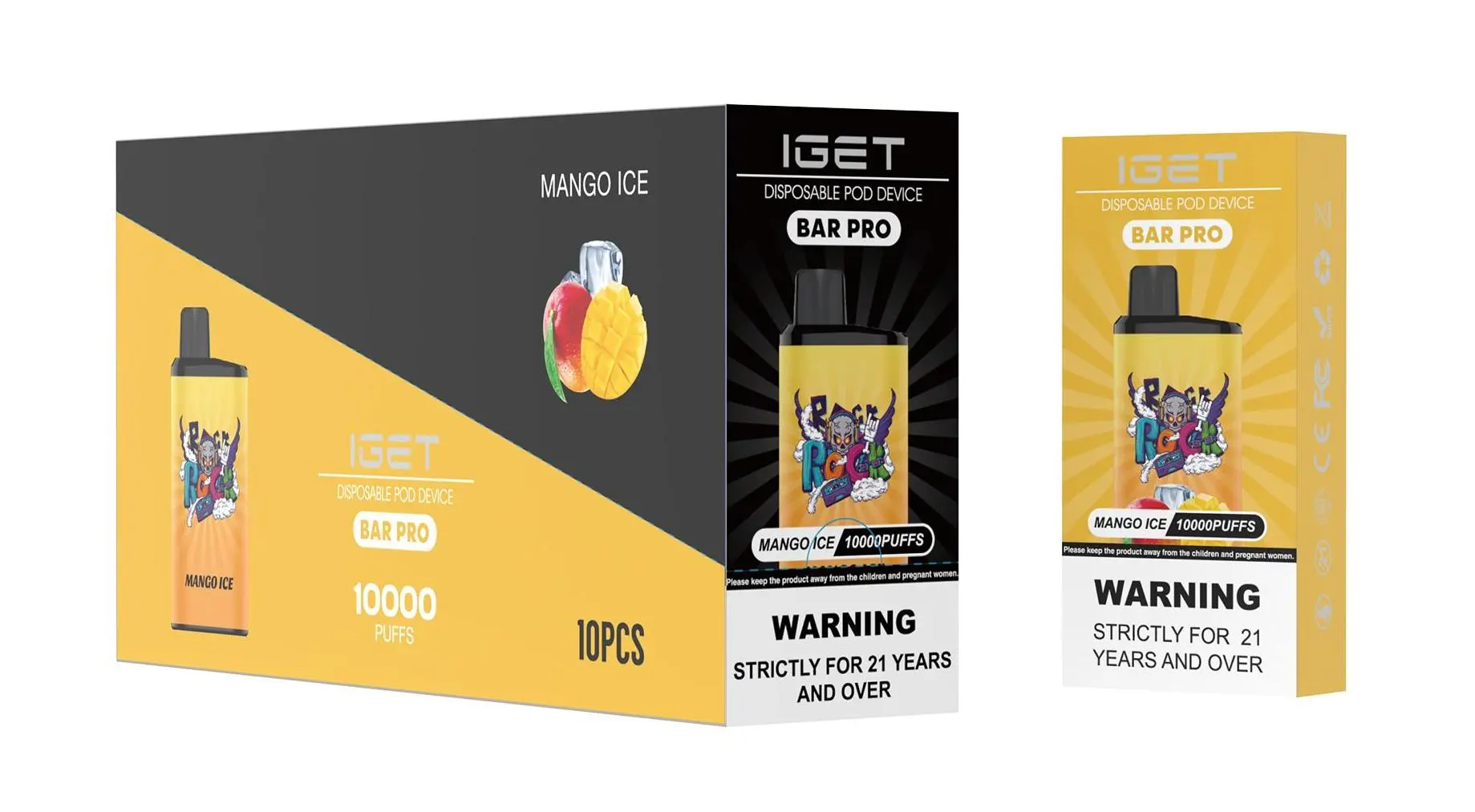
As the vaping industry evolves, we may see clearer regulations and safer product categories emerge. But until that day, the responsibility lies with each individual to understand what they are buying, from whom, and at what cost. If you are considering a THC vape pen, step back and weigh the risks. If you are simply looking for a legal, socially acceptable vaping experience, consider exploring the regulated nicotine product range at iGetBaroz. It is a choice built on transparency rather than guesswork.
Whether you choose to vape or not, staying informed is the first and most important step. The decision should be made with your eyes open, not on a whim.