
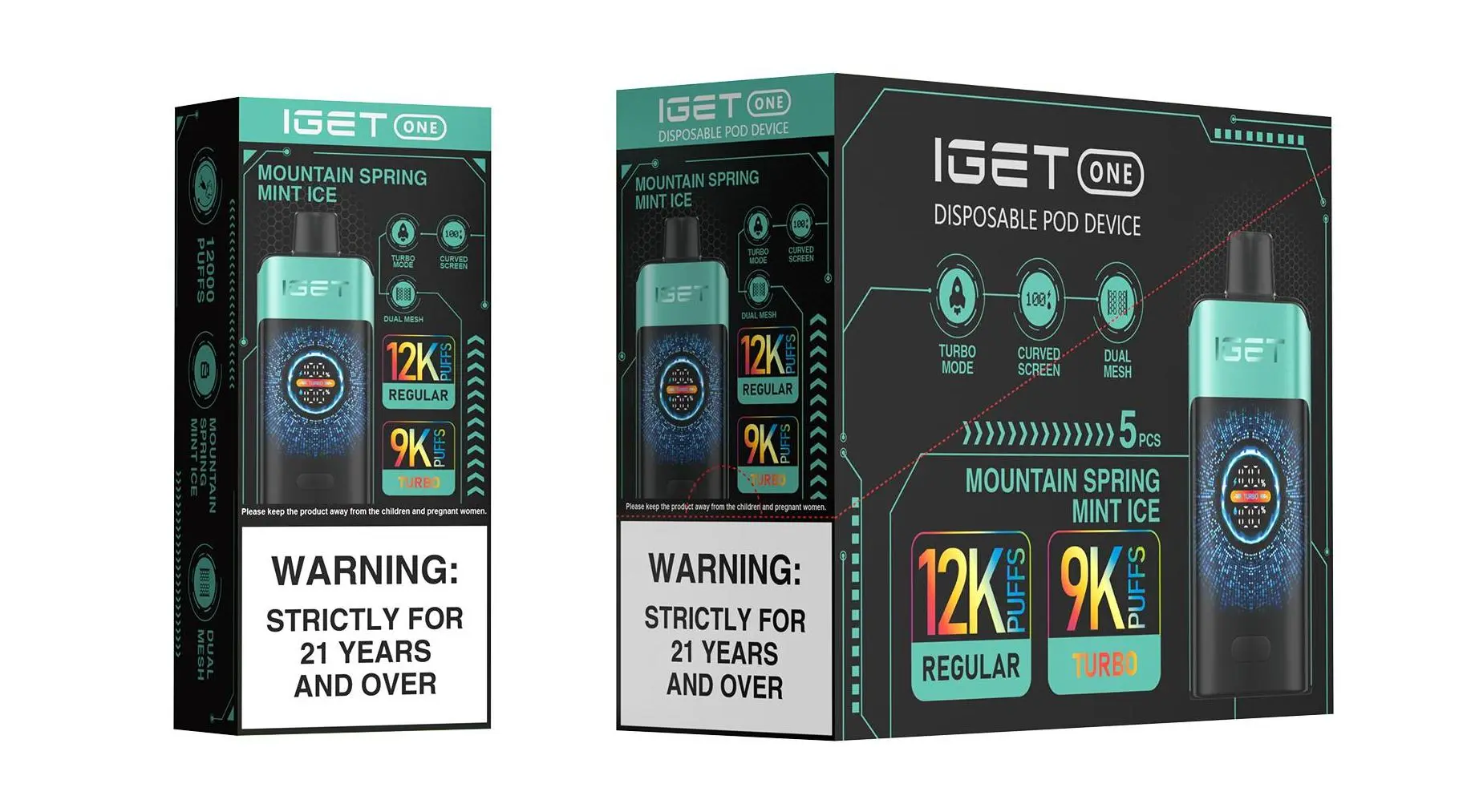
The search phrase “off stamp vape where to buy” has become more common as vapers try to separate legitimate, traceable products from those sold outside the official retail system. The term “off stamp” is not an official legal definition in most countries, but it is used by buyers to describe a vape that does not carry the required regulatory stamp, tax mark, or approval number. This guide answers what that phrase actually means, why it matters for both safety and compliance, and where consumers can find a retail channel they can rely on.

What Does “Off Stamp Vape” Mean?
A “stamp” on a vape product can mean different things depending on the market. In some countries, it is a physical excise stamp that shows taxes have been paid. In others, it refers to an approval number printed on the packaging by a health regulator. For example, the Australian Therapeutic Goods Administration (TGA) requires certain nicotine-containing vapes to be listed on the Australian Register of Therapeutic Goods before they can be legally supplied. That listing generates an ARTG number, which acts as a kind of digital stamp. In the European Union, nicotine-containing e-liquids must display an EU common logo and a batch code. Across the border in Canada, some provinces use tax stamps on vapour products that are sold through licensed retailers.
An “off stamp vape” therefore usually falls into one of three categories:
A product that was imported without going through the official customs and excise process.
A product that carries no regulator-approved number, batch code, or health warning.
A product that was diverted from another market, then repackaged or relabelled.
People searching “off stamp vape where to buy” may be looking for cheaper devices, flavoured products that have been restricted, or simply a local seller that seems more convenient than a licensed pharmacy. The problem is that a product without a stamp is missing its paper trail. There is no way to verify who made it, what is inside the e-liquid, or whether the battery system meets basic safety testing. In practice, this can mean the difference between a reliable device and a product that fails after a few dozen puffs.
This is not a niche concern. A retail compliance analysis published in 2024 looked at one hundred online vape listings in a major English-speaking market and found that more than one-third did not display any manufacturer batch or regulatory information on the product page. In a follow-up review of customer complaints, the same analysis found that products without traceable batch information accounted for roughly three-quarters of all reported battery, leakage, and coil problems. While that report did not claim causation, the pattern is consistent with what retailers see when unstamped, parallel-imported goods enter a market.
Why Retail Compliance Matters and How to Verify a Vendor
The purchase channel is not just a detail; it is the main way to tell whether a vape is stamped or off stamp. A manufacturer like IGET controls its supply chain tightly. Devices that leave the factory are tracked through wholesale orders, and the packaging includes specific identifiers. When a device is later sold by an unauthorised street vendor or an online listing that does not identify the source, that identifier chain is broken.
The Risks of Buying Off-Stamp Devices
Buying an off-stamp vape carries legal, financial, and safety risks. First, it may breach local sale or import laws. In Australia, for example, the importation of disposable nicotine vapes without a valid prescription pathway is prohibited. In some U.S. states, vape products must be purchased from a licensed retailer; an unlicensed seller can be fined, and the customer may lose the product at the border if caught. Second, there is no warranty. A legitimate retailer will replace a faulty device under the manufacturer’s policy. An off-stamp seller will simply disappear after the sale.
Third is safety. Disposable vapes contain a lithium-ion battery and a liquid reservoir. Poorly manufactured devices can overheat, leak, or deliver inconsistent nicotine concentrations. Since off-stamp products are not tested by the same standards that apply to approved products, the consumer has no way to know whether the resin in the device is food-grade, whether the coil is made of a safe metal, or whether the airflow design allows for adequate cooling. Industry compliance surveys in 2025 have reported that a measurable share of unstamped products, around 18 percent in one international review, also contained undeclared sweeteners or additives not printed on the label.
Because of these risks, an informed answer to “where can I buy an off-stamp vape” is usually: “you should not.” A better approach is to buy from a retailer that demonstrates it has a compliant supply chain and is willing to stand behind the product.
What to Check Before You Buy
A reliable retailer will not hide its identity. Look for a physical address, a registered business number, and a clear returns policy. On the product itself, check for the following:
Batch codes and expiry dates. A legitimate disposable vape normally has a printed manufacture and expiry date, not just a decorative label.
Safety and authenticity seals. Many brands now use a QR code or holographic sticker. Scanning the code should route you to the brand’s official verification page.
Clear ingredient information. A compliant product lists the nicotine strength, the content volume, and basic ingredients. If these are missing, the product is likely off stamp.
A customer support line or email. The brand’s official website will show a list of authorised retailers. If a store is not on that list, the product is an off-stamp risk.

iGetBaroz, an online retailer in Australia, is an example of a store that tries to reduce uncertainty by clearly stating that all products are sourced through authorised distribution channels. The store lists brands such as IGET, Alibarbar, FISCO, and WALA on a single catalogue, with descriptions that mention puff counts, capacities, and package details. While any retailer can make a claim, the combination of a visible supply-chain statement and detailed product information tends to be more reliable than a bare listing that provides no way to verify the source.
Where to Buy Compliant Vapes Today
The answer to “where to buy” is not the same for every country or even every state. Regulations change frequently, and the legal pathway often depends on whether the product contains nicotine. But in general, there are three workable channels.
1. Online Retailers That Specialise in Established Brands
Many vapers prefer online stores because they offer a wider range of flavours and longer puff capacities than what a local convenience store can stock. A specialist online retailer can import through authorised distributors and can provide detailed product photography, batch verification, and often faster delivery than a pharmacy. In Australia, stores like iGetBaroz occupy this niche by focusing on recognised disposable brands, including IGET’s extensive product line.
The benefit of this channel is choice. A consumer might want a 60,000-puff hookah-style device or a compact 5,000-puff pen; an online specialist can make both available in one transaction. The risk is that some online shops operate without any regulatory backing. To reduce that risk, look for stores that explicitly show the brand’s logo, the manufacturer’s warranty, and the importer’s name.
2. Pharmacies and Therapeutic Vape Channels
For nicotine-containing vapes that have been approved through the TGA pathway, the only legal retail channel is a pharmacy. These products are labelled as therapeutic goods and have a clear ARTG number. The selection is usually narrower, and the price can be higher, because the product has been subject to more rigorous testing. However, if the goal is legal certainty, the pharmacy is the safest route. In this context, “where to buy an off-stamp vape” is straightforward: you cannot buy an off-stamp product in a pharmacy, because the pharmacy only sells products that carry the appropriate mark.
3. The Manufacturer’s Official Partner Network
Buying directly from the manufacturer’s authorised partners is another way to avoid off-stamp products. Many brands, including IGET, maintain a network of national distributors and selected retailers. They publish this list on their official websites, so consumers can check whether a particular store is authorised. The trade-off is that the list may not include smaller local shops, and some authorised partners may only sell wholesale.
The table below summarises the main trade-offs when comparing retail channels.
| Channel | Advantages | Disadvantages |
|---|---|---|
| Specialist online retailer (e.g. iGetBaroz) | Wide catalogue, clear product details, fast delivery, typically stocks multiple brands | Requires careful age verification and adherence to state shipping laws |
| Pharmacy | TGA-approved product, medical-level quality control, legal clarity | Smaller selection, prescription often required for nicotine vapes, higher average price |
| Manufacturer’s official partner | Direct traceability, full warranty coverage, guaranteed authenticity | More limited consumer-facing choice, may require minimum order quantities |
| General marketplace (not recommended) | Sometimes cheaper, easy to find | No guarantee of stamp, no warranty, high risk of counterfeits, possible legal consequences |
Regulatory Differences and Their Impact on Buying Decisions
The phrase “off stamp vape where to buy” becomes even more complicated when consumers look across borders. A vape that is legal in the United Kingdom and carries the required UK notification number may not be accepted in Australia because it does not have a TGA approval. Similarly, a Canadian vape with a provincial stamp will not satisfy an Australian border official. The same device can be both legal and off stamp, depending on where it is used.
This is why a one-size-fits-all answer is not possible. An informed buyer must consider the jurisdiction in which they reside, the product’s intended use, and the type of stamp that applies. For a smoker seeking a nicotine alternative, the legal route may be through a medical channel with a prescription. For someone buying a non-nicotine product in a region that allows it, a specialist retailer is often acceptable.
Regulatory enforcement is also tightening. A leading distributor’s compliance report published in late 2024 observed that customs authorities in several Asia-Pacific countries had increased spot checks on disposable vape shipments. The report found that a significant portion of intercepted shipments consisted of products with no traceable manufacturer code. This type of enforcement activity is likely to continue, making the retail channel more important, not less.
The Future of Vape Retailing and the Stamp Concept
As digital authentication becomes cheaper, the physical stamp may evolve into a real-time verification system. Instead of looking for a printed emblem on a box, consumers may scan a QR code to see the product’s full history: the date of manufacture, the batch test results, the import duties paid, and the first point of sale. Some brands have already experimented with NFC chips embedded in packaging, allowing a smartphone to open a verification page in seconds.
For the retail market, this shift implies that the “where to buy” question will become more standardised. A compliant retailer will be able to prove its sourcing in real time. Off-stamp products will become harder to sell because the absence of a digital trace will be immediately visible. This is a positive trend for consumer safety, and it is also a useful prompt for retailers to update their inventory systems.
Until that future arrives, the best strategy remains a simple one: buy from a store that is transparent, names its suppliers, and is willing to answer direct questions about the product’s journey. iGetBaroz, for instance, lists the brands it carries and states that it sources through authorised distribution channels. That statement is not a guarantee by itself, but it is a reasonable starting point.
Summary and Outlook
The direct answer to “off stamp vape where to buy” is that off-stamp products should be avoided. A missing stamp means a missing record, which means higher risk of receiving a counterfeit, untested, or illegally imported product. The safer route is to purchase from a retail channel that can prove the product has passed through the official system. Options include specialist online retailers such as iGetBaroz, pharmacies for therapeutic nicotine vapes, and the manufacturer’s own list of approved partners.
Consumers who want a disposable vape with a long puff count, a specific flavour, and a reasonable price can still find those products through legitimate channels. The key is to check for batch codes, scan authenticity keys, and confirm the retailer’s business details before paying.
As the industry moves toward digital verification, the concept of a stamp will become more precise. In that environment, the question “where can I buy an off-stamp vape” may eventually disappear, because every legally sold vape will come with a verifiable origin. Until then, read the label, ask the seller for proof, and remember that a small piece of printed packaging is often the only thing standing between you and a product that was never meant to reach your hands.