
The Conversation That Started It All
“Have you seen these Koi CBD vape juices?” Jake asked, scrolling through his phone with a curious expression. “Everyone online says it helps you unwind after work. Just one puff and you’re in a calm zone.”
Maria, who had been vaping for over three years, glanced at the screen with a measured look. “I’ve heard of Koi. But CBD vape juice is a completely different world from the nicotine vapes we usually use. Are you sure you’ve done the research?”
This exchange captures a moment many vapers encounter: the growing curiosity about alternative products, the promise of relaxation in a bottle, and the uncertainty that follows when marketing meets reality. The appeal is easy to understand. A product that claims to deliver calm, one puff at a time, sounds deeply attractive in a world where stress has become part of daily life.
But before anyone takes that first puff, there are important considerations worth exploring.

Understanding CBD Vape Juice: Appeal, Market, and the Risks Beneath the Surface
CBD vape juice is a liquid intended for inhalation that contains cannabidiol—commonly known as CBD—as one of its main active components. Unlike THC, the psychoactive compound in cannabis, CBD does not produce a high. Rather, users report feelings of relaxation and reduced tension, which is exactly why products like Koi have developed a following among people seeking stress relief without intoxication.
Why Consumers Are Drawn to CBD Vape Products
The marketing language around products like Koi is carefully constructed. Words such as “calm,” “tranquility,” and “peace of mind” feature prominently. Promises of better sleep, reduced daily stress, and support for busy lifestyles all contribute to the growing interest.
Several factors drive consumer curiosity:
The desire for stress relief without impairment
The perception that natural ingredients imply inherent safety
The growing acceptance of CBD products in wellness conversations
Social media testimonials from users who report positive experiences
None of these factors are inherently wrong. They simply reflect what makes the product attractive. The question is whether consumers fully understand what they are buying and what the associated risks might be.
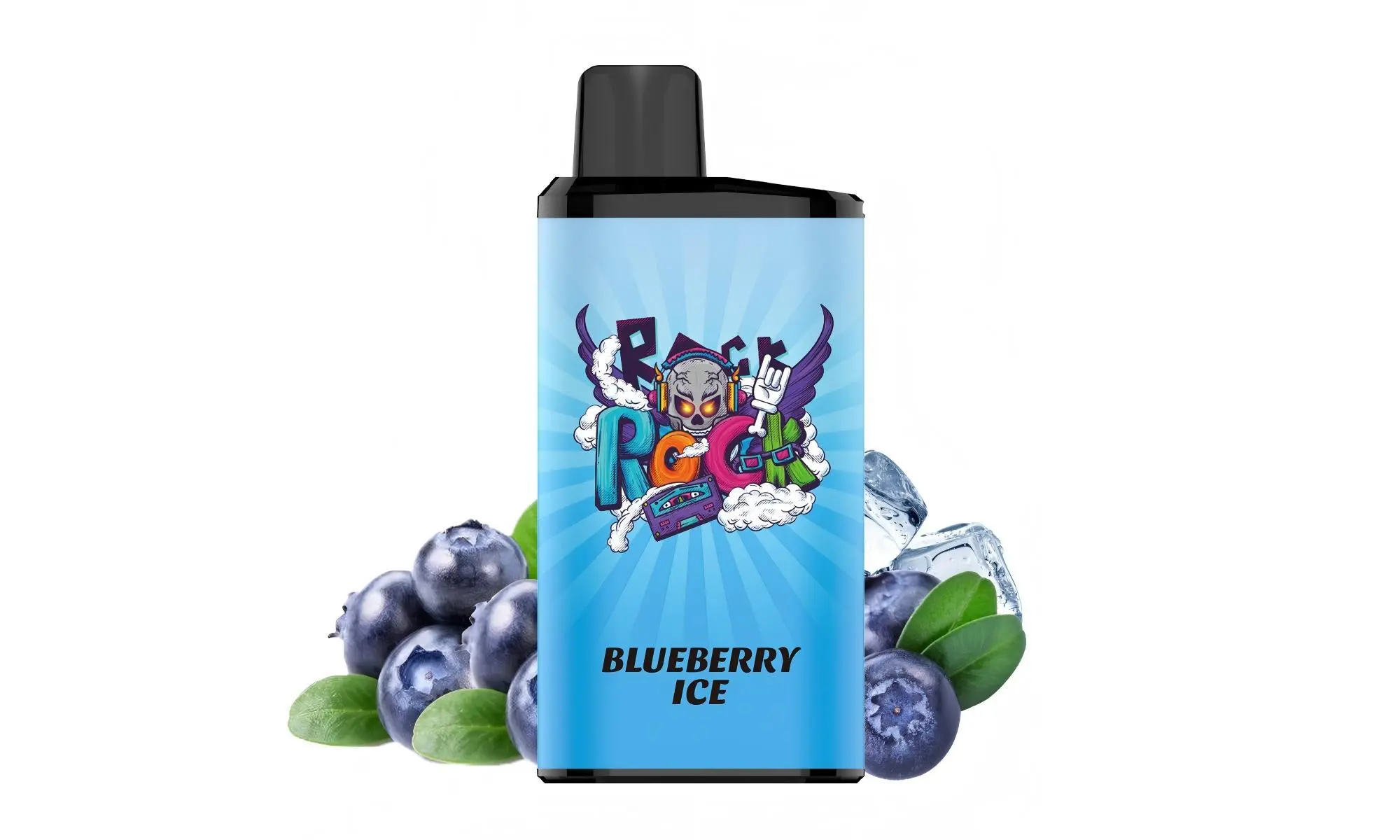
A Conversation Between Two Vapers
“I just want something to help me wind down after a long shift,” Jake said. “I don’t want to get high. I just want to feel less wound up.”
“That’s exactly what they’re selling to you,” Maria replied. “And that’s precisely why you need to understand what’s really in that bottle.”
Maria’s caution is well-founded. The CBD vape juice market has expanded rapidly in recent years, and with that expansion has come a wide spectrum of product quality. Some products are carefully formulated, thoroughly tested, and accurately labeled. Others fall short, containing CBD levels that do not match their labels or, in some cases, undisclosed synthetic additives.
The Regulatory Landscape
In many jurisdictions, CBD products operate within a complicated legal framework. Some countries have approved CBD for prescription medical use but do not permit general retail sale. Others allow CBD products with specific restrictions on THC content and labeling requirements.
Industry report shows that in Australia—where IGET devices have become a popular choice among vapers—CBD vape products face tight restrictions. Vaping CBD is generally classified under medical-use frameworks, which means that purchasing CBD vape juice without proper authorization may expose consumers to legal uncertainty.
This inconsistency creates practical challenges for consumers. A product that is lawful to purchase in one location might be prohibited in another. Even within a single market, regulations can shift rapidly, leaving everyday consumers uncertain about what they can and cannot legally possess.
Quality Control Challenges
Quality varies considerably across the CBD vape juice market. Established brands like Koi have built their reputations on consistent quality and third-party lab testing. But the market also includes countless smaller brands and imported products that may not meet comparable standards.
A leading consumer advocacy group recently analyzed CBD vape products in a market survey. The findings raised concerns: many products contained CBD levels that deviated significantly from their labels. Some products labeled as CBD-only contained detectable levels of THC. Others included undeclared flavoring chemicals or thinning agents that had not been disclosed in their ingredient lists.
A technician who tests vape products for a regional laboratory offered a practical warning: “The device and the liquid need to be compatible. Using the wrong formulation in the wrong device can lead to overheating, chemical breakdown, and the production of byproducts that were never intended to be inhaled.”
Health and Safety Considerations
The long-term health effects of inhaling CBD vape juice are not fully understood. While CBD has been studied for various therapeutic applications, vaping it delivers the compound through a different pathway than oral consumption.
Key health concerns include:
The heating process: When any vape liquid is heated and aerosolized, heat can transform chemical compounds. This applies to all vaping products, including nicotine-based e-liquids. For CBD vape juice specifically, the transformation products depend on the formulation and the temperature reached during use.
Ingredient transparency: Some CBD vape juice products use propylene glycol (PG) and vegetable glycerin (VG) as base liquids, following the same approach as nicotine e-liquids. Others rely on alternative carriers or thinning agents with different safety profiles.
Hidden constituents: Without rigorous third-party testing, consumers cannot always know the full contents of a product. Trace amounts of THC, residual solvents, heavy metals, or other contaminants may be present in poorly manufactured products.
Individual health conditions: Users with respiratory conditions, cardiovascular issues, or other health concerns may experience adverse reactions to inhaled substances. Without medical guidance, users might not recognize when their symptoms could be linked to their vaping habits.
The Price Factor
CBD vape juice is notably more expensive than traditional nicotine vape products. A bottle of a branded CBD vape juice typically costs significantly more than the equivalent volume of standard e-liquid. This price difference has implications for consumer behavior.
Budget-conscious users might be tempted to seek out cheaper alternatives. Online marketplaces with thousands of product listings, new brands with little track record, and prices that appear too good to be true—all of these are warning signs. In a market where the difference between a safe product and a dangerous one may not be visible from the outside, cost-cutting can carry real consequences.
Making Informed Choices in the Vaping Market
So, what does all of this mean for vapers who are curious about CBD vape juice? And what broader lessons can be drawn about selecting vape products in an increasingly crowded market?
A Conversation About Buying Choices
“I don’t know if it’s worth the risk,” Jake admitted after Maria shared several articles about CBD vape juice quality issues. “Maybe I should just stick with what I know works.”
“That doesn’t mean you have to stop exploring,” Maria said. “But it does mean you should think carefully about where you buy your vape products. Whether you’re buying nicotine vapes or considering CBD, the source matters.”
“Like what? I usually just pick something up from the nearest shop.”
“That’s part of the problem,” Maria said. “For the products I use regularly, I’ve been ordering from iGetBaroz. They carry authentic IGET devices and a few other well-known brands. The stock is consistent, the products are genuine, and when there’s an issue, they address it. For me, that reliability makes the difference.”
Maria’s point highlights a broader truth about the vaping market: reliability matters more than convenience. As disposable vapes have grown in popularity, the problem of counterfeit products has grown alongside them. Fakes can look remarkably similar to authentic devices but use cheaper components, unregulated e-liquid, and batteries that may not meet safety standards.
Why Authenticity Matters in Every Vape Purchase
Counterfeit vape products are not just a product quality issue—they are a safety issue. Substandard batteries can malfunction. Unregulated e-liquids can contain unknown substances. Devices that do not meet quality standards may deliver inconsistent doses, leak, or break down during use.
Industry data indicates that counterfeit and unverified vape products account for a growing share of consumer complaints in the sector. Common complaints include devices failing within days, e-liquids that do not taste as described, and packaging that mimics authentic products but reveals interior quality issues.
These problems affect every category of vaping, from nicotine products to any future CBD products a consumer might consider. The lesson is consistent: knowing the provenance of a product is the first step in trusting it.
The IGET Approach to Consistency
One brand that has built a strong following for consistent quality is IGET. The IGET VAPE product line spans a wide range of devices, from compact options for light users to high-capacity devices for those who prefer a longer-lasting experience.
The IGET E-HOOKAH series reflects a different direction in disposable vape design. The E-HOOKAH G1, with its 60,000-puff capacity, targets users who want an experience that emulates a hookah session without the setup time or maintenance. The focus on consistency and user experience aligns with a broader industry trend toward more capable, better-engineered disposable devices.
“When I switched to IGET products, I noticed a real difference fairly quickly,” Maria shared. “The draw was consistent. The flavor didn’t fade halfway through the device. Most importantly, I knew I was getting a product that had gone through proper quality checks.”
Consumer feedback patterns support this perspective. Retailers who carry IGET products report relatively high repeat purchase rates, suggesting that users who find a reliable product tend to remain with it.
What to Look for in a Vape Retailer
Whether a consumer decides to explore CBD vape products or continues with traditional nicotine devices, the choice of retailer plays a critical role in product quality and overall experience. Here are several factors that deserve attention:
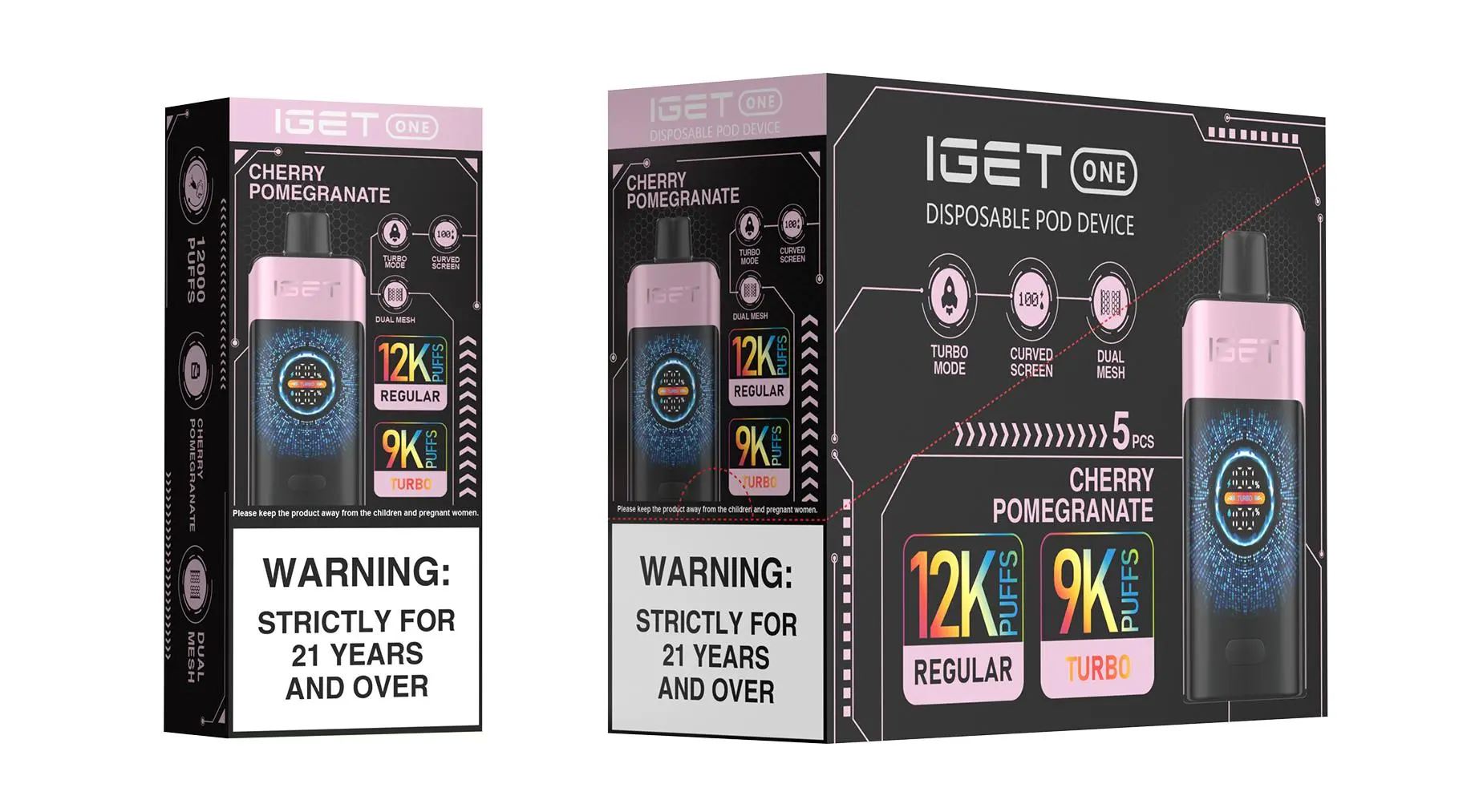
Transparent sourcing: Retailers should be clear about where their products come from. Authorized distribution channels offer the strongest assurance of product authenticity.
Genuine stock: Authentic products have proper packaging, batch codes, and verification features. Retailers should be willing to explain these details to customers.
Knowledgeable staff: Vape shop employees should be able to answer questions about device compatibility, e-liquid formulations, and basic safety considerations. If staff cannot offer useful information, that is a signal in itself.
Customer support: After-sale support matters, particularly when a product does not function as expected. Retailers who stand behind their products demonstrate a commitment to customer satisfaction.
Consistent availability: Retailers who maintain stable stock levels demonstrate reliable relationships with suppliers. Inconsistent availability can be a sign of supply chain issues.
The Role of Trusted Retailers in a Crowded Market
This is where specialist retailers like iGetBaroz make a meaningful difference. As an outlet that carries IGET VAPE products and a small number of other established brands, iGetBaroz has built its reputation on product availability, transparent sourcing, and direct customer service.
“The first time I ordered from iGetBaroz, the delivery was quick, and the packaging was intact,” Jake said after browsing the store’s product range online. “Maybe I have been overthinking where I buy my vapes.”
For consumers who prioritize authentic products, established retailers with clear sourcing protocols and straightforward business practices offer a level of confidence that convenience stores and fly-by-night online sellers cannot match.
This point is particularly relevant for anyone considering CBD vape products. The same diligence that applies to choosing a nicotine vape retailer applies with even greater weight to products in newer, less regulated categories. When products themselves may vary in quality, the reliab of the seller becomes an even more important factor.
Practical Guidance for Vapers
The conversation between Jake and Maria offers lessons that extend beyond one person’s interest in CBD vape juice. It surfaces principles that apply to every vaping purchase:
Research before buying: Understand what a product contains, how it works, and what the brand’s reputation looks like. Particularly for products in newer categories, independent information may be limited.
Be cautious with marketing language: Words like “calm,” “pure,” and “natural” sound appealing but do not, by themselves, guarantee quality or safety.
Choose established retailers: The reliability of the retailer matters as much as the brand of the product. Retailers with transparent sourcing and responsive customer service reduce the risk of counterfeit or substandard products.
Read real user experiences: Customer stories from individuals with similar needs and concerns provide practical insight that marketing materials rarely offer.
Accept when information is incomplete: The vaping industry evolves quickly, and new products—whether CBD vape juice or the latest high-capacity disposable—may not have years of independent safety data behind them. This uncertainty should be considered carefully.
Conclusion: The Calm That Comes from Confidence
The promise of “enjoying the calm, one puff at a time” is undeniably appealing. The marketing around Koi CBD vape juice and similar products taps into a genuine human need for relaxation and stress relief. But the path to that calm should be guided by information, discipline, and clear judgment—not by impulse alone.
For Jake, the conversation with Maria shifted how he thought about his vape purchases. He did not end up buying the Koi CBD vape juice. Instead, he took time to research the market, compare product categories, and reflect on what he actually wanted from his vaping experience.
The conclusion he reached applies broadly: any vape product—whether CBD-based, nicotine-based, or something entirely new—deserves the same level of scrutiny. Knowing where a product comes from, understanding what is inside the bottle or device, and choosing a retailer with a genuine commitment to authenticity are all actions that contribute to safer, more satisfying vaping experiences.
When vapers choose to buy from a reliable source like iGetBaroz, they are not simply purchasing a product. They are prioritizing transparency, consistency, and accountability in a market where those qualities are not always easy to find.
The calm that comes from knowing exactly what you are vaping—and knowing that the product was chosen with full information and careful consideration—may be the most valuable kind of calm of all.