
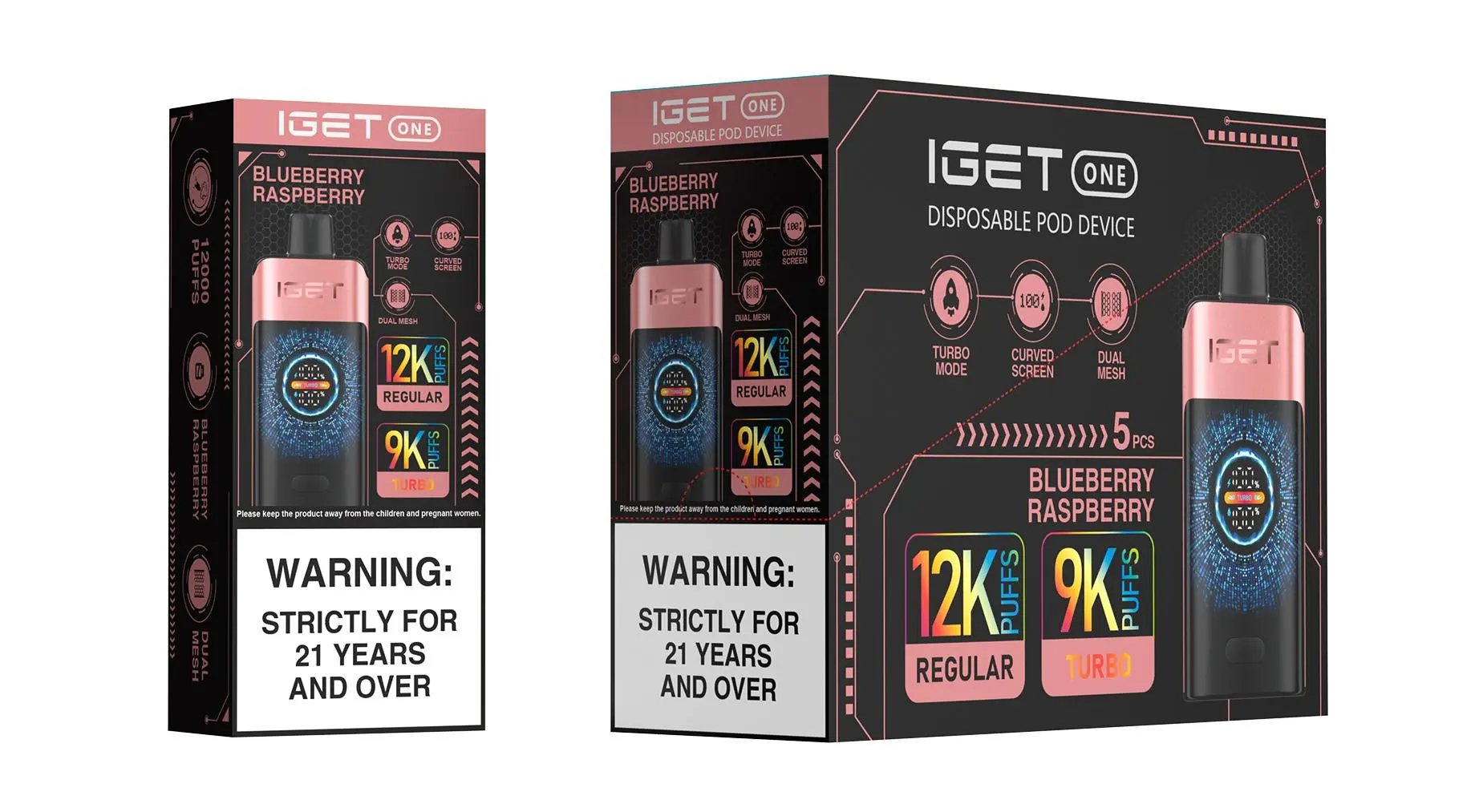
When you’re shopping for a new vape, the first thing that catches your eye is usually an image, a sleek device with bold packaging, glowing coil details, and a price tag below. But images and prices can tell you more than just “what looks good” or “what fits your budget.” They reveal differences in build quality, intended usage, battery capacity, and even whether the product is genuine or counterfeit.
Table of Contents
- Section 1: Understanding Vape Types Through Images and Price Differences
- Section 2: What Drives Vape Price? A Visual Analysis of Features and Hidden Costs
- Section 3: How to Use Vape Images and Price Lists for Smart Purchasing Decisions
- Section 4: The Future of Vape Shopping: Visual Transparency and Pricing in Online Stores
- Conclusion: Making Smarter Choices Through Visual and Price Awareness
In this visual guide, we’ll break down the relationship between vape images and price. You’ll learn how to read product photos to identify key features, understand why certain devices cost more than others, and discover practical ways to compare your options, all while avoiding common pitfalls that can lead to wasted money or safety issues.
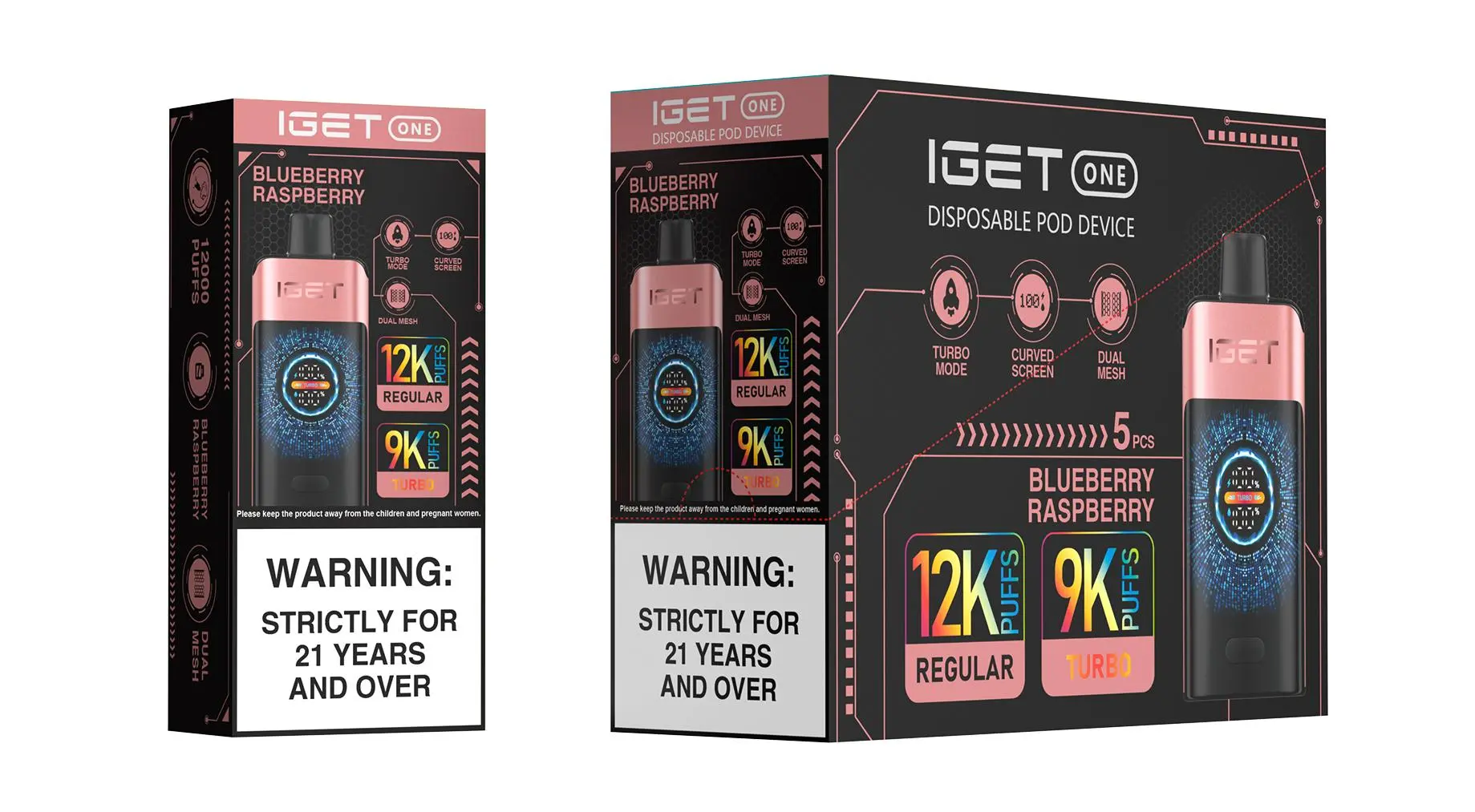
Section 1: Understanding Vape Types Through Images and Price Differences
If you’ve ever browsed an online vape store, you’ve probably noticed that the devices vary widely, not just in colour and branding, but in size, shape, and complexity. Those visual differences aren’t random. They correspond to different categories, each with its own purpose and price range.
The Convenience of Compact Disposables
Let’s start with the smallest category: the pocket-sized disposable vape. These devices are typically designed for light or occasional use. In product images, they usually appear as slim, pen-like units with a small mouthpiece and a translucent tank area that lets you see how much e-liquid remains.
From a price perspective, these compact devices are often the most entry-level option. According to an industry sales report, single-use disposables with around 800–1,500 puffs usually fall in the AU$10–AU$20 price bracket in the Australian market. Prices can vary depending on the brand, the flavour complexitiy, and whether the device offers a rechargeable battery or true “no-charge” functionality.

The All-Rounder: Mid-Capacity Disposables
Move up one step, and you’ll see devices that look slightly bulkier in product images. These are the mid-capacity disposables, often with puff counts between 4,000 and 8,000. The most noticeable visual difference is the presence of a more prominent battery, sometimes a small LED indicator, and in some cases a simple airflow control ring.
Price guides from two leading Australian vape distributors suggest that most mid-capacity disposables fall between AU$25 and AU$40. Consumers who want longer battery life, a larger e-liquid reservoir, and more consistent flavour often choose this tier, which explains its popularity in online stores.
High-Capacity and Pod-Based Systems
If you’ve seen a vape image with a large clear tank, adjustable power settings, or a small digital screen, you’re looking at a high-capacity device or a refillable pod system. These devices are designed for heavier users who don’t want to be constantly replacing the entire device. Their images typically reveal more engineering: type-C charging ports, removable pods, and sometimes a liquid-level window on the side.
Vape price comparison data shows that these products demand a premium, often ranging from AU$45 to AU$90, depending on the brand, build materials, and whether the starter kit includes batteries or spare coils. Some specialised pod devices, especially those with advanced temperature control, can go even higher.

The Ultra-High Capacity Category: A big change in Price-per-Puff
The most dramatic evolution in the disposable vape market has been the rise of ultra-high capacity devices. If you’ve ever seen an image of a vape that resembles a home appliance rather than a pocket gadget, you’re likely looking at a “hookah-like” device with 40,000 puffs or more.
A notable example of this category is the IGET E-HOOKAH G1, which advertises up to 60,000 puffs. Looking at its product images, you’ll immediately notice a large built-in screen, a sizeable battery, and a huge e-liquid reservoir that makes the device stand out from standard disposables. These features justify a higher price point, often anywhere from AU$80 to AU$130, but the cost per puff can be considerably lower than buying multiple smaller devices over the same period.
Interested in visual price comparisons for ultra-high capacity devices? Retailers who specialise in product photography, such as iGetBaroz, often provide detailed close-up images that make it easier to compare the screen, port placement, and actual size against a standard ruler.
Section 2: What Drives Vape Price? A Visual Analysis of Features and Hidden Costs
A picture may be worth a thousand words, but For vapes, it’s also worth a dozen pricing factors. Let’s take a closer look at the features that are commonly visible in product photos and how they influence the final cost.
Battery Capacity and Rechargeability
The first clue in any vape image is the device’s overall thickness. In many cases, bulkier devices signal larger batteries. A disposable vape with a 500mAh battery will look noticeably slimmer than a 1,500mAh version. Rechargeability is another major price influence. When you see a type-C charging port in the image, you can reasonably expect the price to be higher than a device that doesn’t recharge.
Industry estimates from a recent market review show that vapes with rechargeable batteries and display screens are priced around 35% to 50% higher than their non-rechargeable counterparts with similar puff counts. That extra cost can be worth it, especially if you prefer a device you can carry through a long weekend without needing to replace it.
Visual Indicators: Screens, Lights, and Airflow Controls
A quick look at a vape’s images can reveal how sophisticated its controls are. Some models include an OLED screen that shows puff count, battery percentage, and wattage. Others have simple LED light strips that flash when the battery is low. These visual features are not just for aesthetics, they require additional components and manufacturing steps, which is why you’ll see a higher price tag attached to them.
Image analysis from product listings also indicates that vapes with adjustable airflow rings or dual-coil configurations tend to be positioned in a more premium price tier. In a national vape price comparison conducted by a retail analytics group, models featuring airflow control had an average price that was 22% higher than fixed-airflow models in the same puff range.
E-Liquid Capacity and Flavour Complexity
Look closely at the tank portion of any vape image. Some devices have a translucent window that reveals the liquid level; others have intentional cut-outs. Larger e-liquid reservoirs mean higher material and containment costs. Similarly, brands that use more complex flavour blends or multi-layered cooling agents often highlight them in the product description, which supports a slightly higher price.
It’s worth mentioning that visual inspection alone can’t always reveal the exact liquid volume. However, if you compare images side-by-side, you’ll see that devices with larger e-liquid windows often advertise higher puff counts, and their prices increase proportionally.
Authenticity and Counterfeit Protection
One often overlooked aspect of vape images and price is authenticity. Genuine devices include certain visual markers: holographic stickers, QR codes, clear serial numbers, and consistent packaging design. Counterfeit products may imitate the overall look but often have subtle differences, blurred fonts, off-colour packaging, or incorrectly placed logos.
Buying a counterfeit vape might seem like a good deal because the price is lower, but the images should give you a warning. Legitimate retailers, such as iGetBaroz, take product photography seriously. They show the device from multiple angles, allowing you to inspect the authenticity markers before you purchase. It’s wise to treat an unusually low price as a potential red flag, especially when the product images look slightly low-resolution or inconsistent.
Section 3: How to Use Vape Images and Price Lists for Smart Purchasing Decisions
Now that you know what to look for, it’s time to turn that knowledge into a repeatable process. Here’s a practical guide to comparing vape images and prices without falling for marketing tricks or wasting money.
Step 1: Zoom In and Examine the Fine Details
When you see a vape listing, don’t just glance at the hero image. Zoom in to inspect the seam quality, the mouthpiece finish, the charging port, and any airflow adjustment features. Authentic devices have clean lines and well-fitted panels. If a product image looks “mushy” or unclear when zoomed in, it could indicate that the listing is using a stock photo rather than a real photo of the device in hand.
The best stores know that vapers rely on these visual cues. For example, iGetBaroz lists multiple angles for every device, including close-ups of the screen and the charging port, which allows you to verify the exact placement and build quality before you add the product to your cart.
Step 2: Compare Price per Puff Rather Than Price per Device
Vape price looks simpler than it really is. A high-capacity device can cost three times as much as a compact one, but if it lasts five times as long, your actual cost per puff is lower.


To calculate the cost per puff, divide the total device price by the advertised puff count. For example, a 6,000-puff device priced at AU$30 gives you 0.5 cents per puff, while a 40,000-puff device priced at AU$100 gives you only 0.25 cents per puff. The visual guide on a product listing sometimes lists puff counts and capacities clearly, but when it doesn’t, you can use the image’s text overlays or packaging details to estimate them.
Step 3: Confirm the Total Cost, Shipping, Taxes, and Bundles
The price tag you see in an image is rarely the final cost. You also need to consider shipping fees, which can be significant if you live outside a metropolitan area. Some online retailers bundle multiple devices or include free shipping thresholds. Always check the checkout page before you commit.
In addition, watch out for hidden extras, such as separate replacement pods or e-liquid bottles for pod systems. These items may appear as “optional accessories” in product images but can increase your effective cost by 20% or more.
Step 4: Search for Real User Photos in Reviews
One of the most effective ways to compare vape images and price is to read reviews that include user-submitted photos. These photos often show the device next to a coin, a hand, or another everyday object, giving you a sense of its actual size. They can also reveal how the device looks after a week of use, whether the coating scratches easily, whether the mouthpiece cracks, or whether the screen fades.
While a retailer’s own product images are useful, they are usually captured in controlled lighting. Real-life photos give a more honest view. When a store like iGetBaroz includes verified buyer reviews with images, it becomes easier to bridge the gap between a polished product shot and your daily expectations.
Step 5: Watch for Composition and Context Clues in Images
Some vape images are taken against decorative backgrounds with props like fruit, ice cubes, or neon lighting. These can be visually appealing, but they sometimes distract from the actual device features. A more reliable image is one that shows the vape against a neutral background, along with a ruler or dimensions visibly stated in the product description.
Context matters too. If you see an image of a vape with a full packaging box, compare the list of contents with what’s shown. The image may include the box, a lanyard, and a USB cable, even though those items aren’t explicitly included. Accurate stores will use images that match the package contents one-to-one.
Section 4: The Future of Vape Shopping: Visual Transparency and Pricing in Online Stores
As the vape market continues to mature, the way we shop for vapes online is changing. Photography is no longer just a way to make a product look attractive; it’s becoming a tool for transparency, education, and even safety.
High-Resolution Images and 360° Displays
More retailers are investing in high-resolution images and interactive 360° displays. Instead of relying on one flat photo, you can rotate the device, inspect the bottom, and view the USB port from every angle. Some product pages even include short video loops that demonstrate how to fill a pod or adjust the airflow.
These changes are happening because consumers are demanding more visual certainty. According to a survey of online shoppers conducted by a consumer analytics firm, 68% of respondents said that multiple, clear product images increased their confidence in a purchase decision. Another industry report observed that listings with high-resolution images and honest pricing were significantly less likely to be returned or exchanged.
Price Comparison Tools and Transparent Mark-Ups
Another trend is the rise of price comparison platforms that display vape prices across multiple retailers. These platforms rely on each store’s willingness to publish accurate, up-to-date product prices. Visual elements, such as badges for “in stock” or “verified authentic”, are becoming part of the listing itself.
This is where brands and retailers have an opportunity to stand out by showing clean, realistic photos and a checkable price structure. Companies like iGetBaroz are already aligning with this trend by making sure their product pages display both the device and the price in a clear, consistent format, so comparing two separate products doesn’t feel like solving a puzzle.
The Role of Authenticity Visualisation
The proliferation of counterfeit vapes is a well-known challenge for the industry. In response, many authentic brands are adding complex visual markers that are impossible to replicate cheaply, such as flexible micro-text fonts, colour-shifting stickers, and QR codes that direct you to a verification page. Product photography will increasingly focus on these markers, letting you confirm a device’s authenticity before you pay.
A leading brand that uses this approach in its marketing notes that product images now include a close-up of the verification scratch panel and the official distributor logo. If you ever see a vape image with these markers missing or obscured, that’s a signal to double-check whether the retailer is authorised to sell the product.
What This Means for Your Next Purchase
In the future, you’ll be able to compare vape images and price with even more confidence. Instead of guessing whether a device is too heavy, too large, or likely to feel cheap, you’ll be able to “hold” it through a 3D interface or watch a video review that shows the device being dropped, knocked, and charged.
Staying informed will continue to matter. The next time you see a vape image, take a moment to notice where the camera is pointing, what details are visible, and whether the price actually matches the features. A photo is not just a pretty picture, it’s a map of the product’s internal quality, its intended usage, and its true market value.
Conclusion: Making Smarter Choices Through Visual and Price Awareness
Vape images and price are two sides of the same coin. A high-quality image can reveal a well-built device, while a clear price can help you decide whether that quality fits within your budget. By learning how to read the visual clues and compare costs methodically, you can avoid common mistakes, spot counterfeits, and choose a device that suits your vaping style.
Remember to look beyond the hero photo and the bold sale tag. Examine the construction, check the puff count, calculate the cost per puff, and seek out real user images. And most importantly, buy from retailers who make the effort to show you what’s really in the box. For many Australian vapers, that kind of transparency makes all the difference.