

In recent years, the conversation around vaping has expanded well beyond the products themselves and into the technologies designed to monitor and regulate their use. One such technology is the vape detector—a sensor system frequently installed in schools, workplaces, and other public facilities to detect vapour and related chemical signatures. Among the most widely discussed solutions is the Halo vape detector, a device that sits at the intersection of public health policy, building safety, and personal privacy.
For facility managers, school administrators, and even vape retailers, understanding the price of a Halo vape detector is more than a budget exercise. It is a decision that reflects institutional priorities, legal responsibilities, and evolving social norms around nicotine and cannabis use. This article provides a detailed look at what Halo vape detectors cost, the factors that influence those costs, and why this investment matters across multiple stakeholder groups.
1. Halo Vape Detector Price: What Are We Really Buying?
Before examining price brackets, it is useful to clarify what a Halo vape detector does. The Halo Smart Sensor is a wall-mounted or ceiling-mounted IoT device that monitors the environment for changes in air quality, humidity, temperature, and volatile organic compounds (VOCs). Its key function is to detect the chemical markers commonly associated with vaping—such as propylene glycol and vegetable glycerin aerosol—while also sensing THC-based vaping and, in some models, sounds like acoustic events or tampering. The device sends alerts to a cloud-based dashboard, allowing facility administrators to respond in real time.
The price of such a system is not simply the cost of one plastic device. Depending on the deployment model, the total expense may include:
Hardware cost: The physical sensor unit, including sensors, connectivity modules, and enclosure.
Installation cost: Labour and materials for mounting, electrical work, and network configuration.
Software and subscription fees: Cloud access, alert management, data retention, and user dashboard features.
Maintenance and calibration: Periodic sensor checks, firmware updates, and battery or wiring replacements.
Industry reports suggest that a single Halo vape detector unit typically falls within a range of several hundred to over a thousand US dollars, depending on model generation, bulk purchasing volumes, and whether the unit is wired or battery-operated. Some educational technology vendors quote a per-unit price between $600 and $900, while enterprise-grade installations with multiple units, advanced integrations, and extended warranties can push the average cost per detection point higher. Notably, a leading manufacturer’s pricing guide indicates that the active monitoring software subscription is often billed separately, sometimes accounting for 20–30% of the total annual cost of ownership.
Why does this matter? Because a vape detection project rarely involves a single unit. A school might need dozens of sensors to cover restrooms, stairwells, and locker areas. A commercial office might install them in meeting rooms and break areas. The scale of deployment multiplies the price quickly, turning a simple hardware purchase into a significant capital outlay. This initial cost is then compounded by recurring subscription fees, which means decision-makers must evaluate both capital expenditure and operational expenditure before committing.
2. Cost Breakdown: What Affects the Final Price
Understanding the variability of Halo vape detector price requires a closer look at the factors that influence each component of the total cost.
Sensor Technology and Detection Capabilities
Not all vape detectors are created equal. Early-generation devices primarily used particle sensors to detect airborne particulate matter, but these could be triggered by dust, hairspray, or even perfumes. Newer models, including the Halo Smart Sensor, combine multiple sensing modalities: electro-chemical sensors for VOC detection, optical particle counters for aerosol, and sometimes acoustic sensors for sound classification. Devices with more advanced detection logic naturally command premium prices because they offer greater accuracy and fewer false positives—an essential feature in high-traffic environments where alert fatigue can reduce staff responsiveness.

Additionally, some Halo models are designed for wall-mounting, while others are ceiling-mounting. Ceiling-mounted units often require more expensive housings and more sensitive microphones or antennas to cover the same area, which can increase the unit cost by 10–15% in some configurations.
Connectivity and Integration
A vape detector that cannot send alerts is little more than a smoke detector. Halo devices rely on Wi-Fi, Ethernet, or proprietary radio networks to communicate with a central hub. Models with built-in cellular backup or compatibility with building management systems (BMS) tend to cost more. Integration with existing security cameras, access control systems, or mass notification platforms may require additional hardware gateways or API licensing fees. In a typical installation, the integration layer can add 15–25% to the initial hardware budget.
Subscription and Cloud Services
The “software as a service” (SaaS) model is now standard in the vape detection industry. Subscribers pay a recurring fee—often monthly or annually—for access to cloud dashboards, real-time alerts, historical data analytics, and firmware updates. For a Halo system, subscription pricing may be quoted per device per year, and larger fleets may qualify for volume discounts. One industry snapshot from a 2024 school safety technology report indicates that annual software costs for detection systems average around 10–15% of the total hardware spend. Over a five-year lifecycle, this means an institution may double its initial capital expenditure when accounting for ongoing subscriptions.
Installation and Site Complexity
The physical environment significantly affects installation costs. A simple retrofit in a standard drop-ceiling restroom might require only a battery-powered unit mounted with adhesive, costing $200 to $500 in labour per device. A more complex installation—hardwired power, network cable run, wall penetration, or integration with existing security infrastructure—can cost $500 or more per unit in contractor fees. Site assessments, permits (where applicable), and electrical upgrades can add further expenses. For example, a school district deploying 50 units across five buildings might allocate nearly $15,000 solely for installation labour, outside any contingency or maintenance budget.
Warranty and Lifecycle Considerations
Warranty terms vary. Some vendors offer a one-year limited warranty that covers manufacturing defects, while others offer extended warranty plans that cover sensor drift or battery replacement for three to five years. Extended warranties and service level agreements (SLAs) typically add 5–10% to the initial hardware cost but can reduce uncertainty about future repair expenses. Since sensor components degrade over time, institutions must also plan for periodic recalibration or replacement—a recurring cost that is often overlooked in the initial price comparison.
3. Why the Investment Matters for Schools and Workplaces
The price of a Halo vape detector is not merely a line item in a budget—it reflects an institution’s approach to health, safety, and legal compliance. In the context of growing anti-vaping policies, particularly in educational settings, the investment is driven by several strategic considerations.
Reducing Vaping Incidents and Their Consequences
Vaping among adolescents has become a pressing public health issue, with many schools reporting daily violations, disciplinary actions, and increased absenteeism due to nicotine dependence. The immediate cost of these incidents includes staff time for investigations, interruptions to classroom instruction, and resources spent on counselor and parental outreach. When a school installs vape detection, the deterrent effect alone can reduce incidents, potentially saving operational costs that far exceed the price of the sensors. For example, a school that spends $2,000 on sensors might avoid dozens of staff hours per month that would otherwise be spent policing restrooms and hallways.
Moreover, the presence of detection technology can help institutions respond to incidents more accurately and fairly. Instead of relying on hunches or indiscriminate searches, administrators receive targeted alerts that indicate which area was affected and when. This reduces the collateral burden on students who are not involved and helps create a clearer picture of vaping hotspots.
Protecting Indoor Air Quality and Property
Vape aerosol is not just a visible plume; it settles on surfaces, accumulates in HVAC filters, and can affect indoor air quality for non-vaping occupants. For workplaces, health and safety regulations are increasingly addressing indoor air quality. Installing vape detectors can support compliance with ventilation standards and reduce liability if employees or visitors report respiratory irritation. In facilities where e-cigarettes are specifically prohibited—such as hospitals, industrial plants, and government buildings—detection systems offer documented evidence to support policy enforcement, potentially reducing legal disputes.
Navigating the Legislative Landscape
In several jurisdictions, vape detection is not optional but mandated. Some states and municipalities have introduced or considered legislation requiring vape detection in certain public spaces, such as schools, correctional facilities, or public housing. For organisations that operate in these areas, the question is not “if” but “how” to finance the required systems. A clear understanding of current and anticipated costs allows such institutions to plan ahead, obtain budget approvals, and avoid emergency expenditures that could strain other services.
Addressing Privacy and Equity
A critical but sometimes overlooked factor is the ethical dimension of surveillance. Vape detectors collect environmental data, not personal data—they do not identify individuals. However, the placement of these sensors can still raise privacy concerns, especially in restrooms, where expectations of privacy are high. The price of a system is therefore not solely financial; it includes the cost of developing transparent policies, obtaining community buy-in, and ensuring that the technology is used proportionally. Institutions must weigh these factors against the potential benefits, making the true cost of deployment a complex, multi-dimensional calculation.
4. How Vape Retailers and Users Can Navigate the Detection Landscape
While vape detectors are often associated with “anti-vaping” efforts, their existence has tangible implications for the legal and regulated vaping market. Disposable vapes, pod systems, and other products are used by adults who may be unaware of detection technologies in their chosen spaces. Retailers, distributors, and responsible adult vapers all have a stake in understanding how detection is deployed and what it means for product use.
The Role of Vape Retailers in Responsible Use
Vape retailers occupy a sensitive position. They provide products that are legal for adult use in most jurisdictions, yet they must also operate within a broader social environment that increasingly discourages public vaping. Forward-thinking retailers recognise that promoting responsible use—including respecting no-vape zones and encouraging customers to be aware of their surroundings—is part of good customer service. This includes educating customers about the environments where vaping may be detected, not as a condemnation of the practice, but as a practical courtesy.
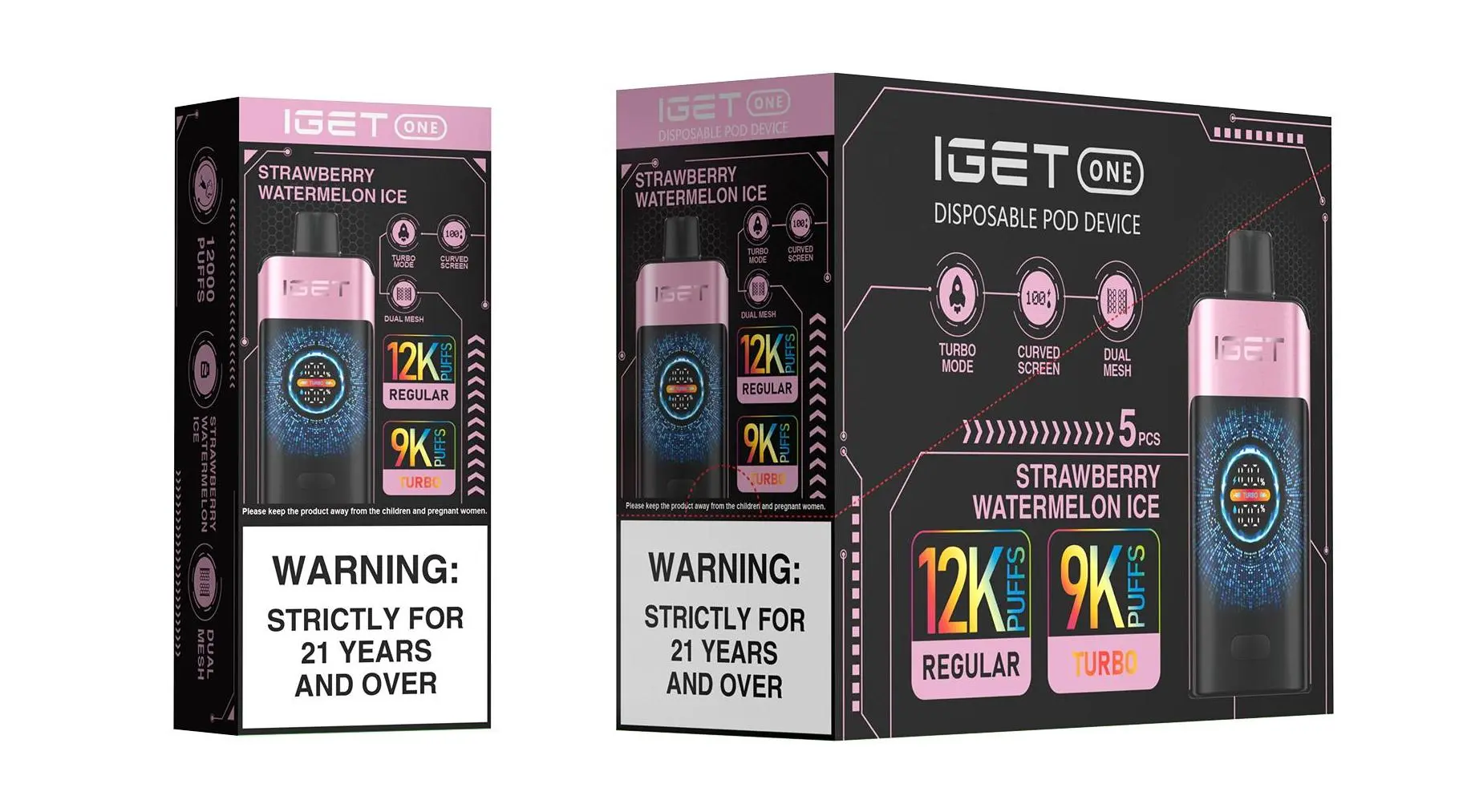
Trusted retailers can serve as a bridge between the vaping community and institutional decision-makers. For instance, a retailer may partner with businesses or schools to provide educational materials about their products’ compositions, helping administrators choose detection thresholds that minimise false alarms while still capturing genuine incidents. In this context, retailers like iGetBaroz—a recognised Australian vape store offering a wide range of IGET disposable vapes and other leading brands—demonstrate that product authenticity and customer education can coexist with a respectful attitude toward rules and regulations.
When adult vapers purchase devices from a dedicated and transparent retailer, they gain access to verified product specifications, usage guidelines, and authoritative flavour profiles. This transparency is valuable not only for safety but also for ensuring that a device behaves consistently—for example, that a particular product’s puff count and aerosol output match expectations. Such consistency matters when a vaper chooses to use a product in a space where detection technology might be present; knowing how a device behaves helps adults make informed choices about acceptable use.
What Users Should Know About Detectors
For the individual vaper, the rise of vape detection may seem like an unwelcome development. However, it also highlights an opportunity for dialogue. Detection systems are designed to identify aerosol in areas where vaping is prohibited—not to criminalise all vaping. Understanding the cost and capability of these detectors demystifies them and allows users to advocate for fair policies. For example, if a detector is prone to false positives from humidity, users and advocates can engage with administrators to calibrate devices appropriately, ensuring that the enforcement is based on accurate, defensible data.
Additionally, the availability of reliable vape products from stores like iGetBaroz gives adult users access to consistent quality, which can reduce the likelihood of unexpected device failure or leakage—issues that could contribute to air quality problems. While no retail service can change local regulations, a responsible retailer can equip customers with the knowledge to navigate those rules confidently. In this way, the vape detection industry and the legitimate vaping market are not necessarily adversarial; both can contribute to safer spaces when operationalised transparently.
Making Informed Purchasing Decisions, Whether for Sensors or Vapes
Whether an institution is evaluating Halo vape detector price or an individual is considering a new disposable vape, the same principle applies: informed decisions require a clear understanding of total costs and benefits. For schools and businesses, this means adopting a life-cycle approach to pricing. For vapers, it means choosing products from sellers who provide accurate descriptions and stand behind their inventory. The choice of an authentic product also matters in an era of counterfeit and unregulated items, which can be unreliable and potentially hazardous.
The iGetBaroz brand exemplifies this approach by emphasising authenticity and customer service. While this article does not endorse any particular commercial entity, it acknowledges that transparent retail practices contribute to consumer confidence. When a vape user knows that their device is genuine, they are better positioned to make responsible decisions about where and when to use it—just as a facility manager who knows the full price of a vape detector can make responsible decisions about their security budget.
5. Summary and Outlook
The price of a Halo vape detector is an entry point into a broader and more significant conversation about vaping, public health, and technology. The hardware cost is only one component of an expenditure that includes installation, software, maintenance, and, crucially, the ongoing effort to integrate the system with existing policy and human behaviour. For schools, the investment can reduce incidents and improve student wellness; for workplaces, it can support air quality and compliance; for the vaping community, it can foster a climate of transparency and respect.
As detection technology advances, pricing is likely to become more transparent and modular, with a greater variety of options for small-scale deployments—such as individual apartment buildings or retail stores—as well as large district-wide rollouts. At the same time, the vape industry continues to evolve, with new devices and flavours entering the market. Retailers who embrace open communication and product education, whether they are named iGetBaroz or other authorised distributors, will play a key role in maintaining a balanced public discourse.
In the end, the question “how much does a Halo vape detector cost?” is not merely a question about hardware. It is a question about how a society chooses to monitor and regulate evolving habits, and how stakeholders—from administrators to vapers—can cooperate to make that monitoring effective, fair, and grounded in reliable data. As both the detector and the vaping industries mature, the answers to that question will continue to evolve, but the need for clear, honest, and comprehensive information will remain constant.