
The demand for nicotine-free vaping has grown steadily as more adult users look for flavourful alternatives without the addictive compound. Yet finding a reliable retailer is not always straightforward. The market is crowded with online stores, convenience shops, and specialty vape suppliers, each claiming to offer authentic products. For those wondering where to buy nicotine-free vapes, the answer cannot be reduced to a single store name. It requires a framework for identifying trusted sources. This article explores the current state of the nicotine-free vape market, outlines the essential criteria for choosing a reliable retailer, compares several types of stores, and provides a practical guide to making safe purchases.
Understanding the Nicotine-Free Vape Market and Its Trust Challenges
The shift toward nicotine-free products reflects a broader conversation about harm reduction and personal choice. Many vapers choose zero-nicotine devices for social enjoyment, to manage cravings without taking in nicotine, or simply because they prefer the taste and ritual of vaping. The industry has responded by expanding its zero-nicotine lineup, especially in the disposable vape segment where convenience matters more than customisation.
However, the rapid expansion has also exposed significant pain points. Counterfeit products remain a concern across the industry. Unregulated factories can replicate the designs of well-known brands but fill them with unverified liquids and substandard batteries. A consumer survey conducted in 2024 across Australian vape users found that 42% of respondents had attempted to switch to nicotine-free alternatives at some point, yet nearly half of them said they were not confident distinguishing genuine zero-nicotine products from standard ones. This uncertainty stems from inconsistent labelling. Some imported or grey-market devices use ambiguous terms such as “non-nic” without listing the actual nicotine concentration, or they place the declaration in small print on the back of the packaging.
Another layer of complexity is legal variation. In some jurisdictions, nicotine-free devices are treated as general consumer goods, while in others they fall under tobacco-related regulations. This fragmented environment means a product that is legally sold in one region may not be permitted in another. For consumers, this raises the question of origin and supply chain transparency. Stores that source exclusively from authorised distributors are more likely to carry compliant, accurately labelled stock, while sellers that rely on third-party marketplaces often have weaker traceability.
Understanding these issues is the first step toward a reliable purchase. The core challenge is not merely finding any store that offers nicotine-free vapes; it is finding one that offers authentic products, clear product information, and a return policy that protects the buyer if something goes wrong.

Criteria for Choosing a Trusted Nicotine-Free Vape Retailer
When evaluating where to buy nicotine-free vapes, it helps to separate the promises a store makes from the evidence it provides. A trusted retailer should meet several baseline criteria, and these apply whether the store operates online or through a physical location.
Source and authenticity documentation
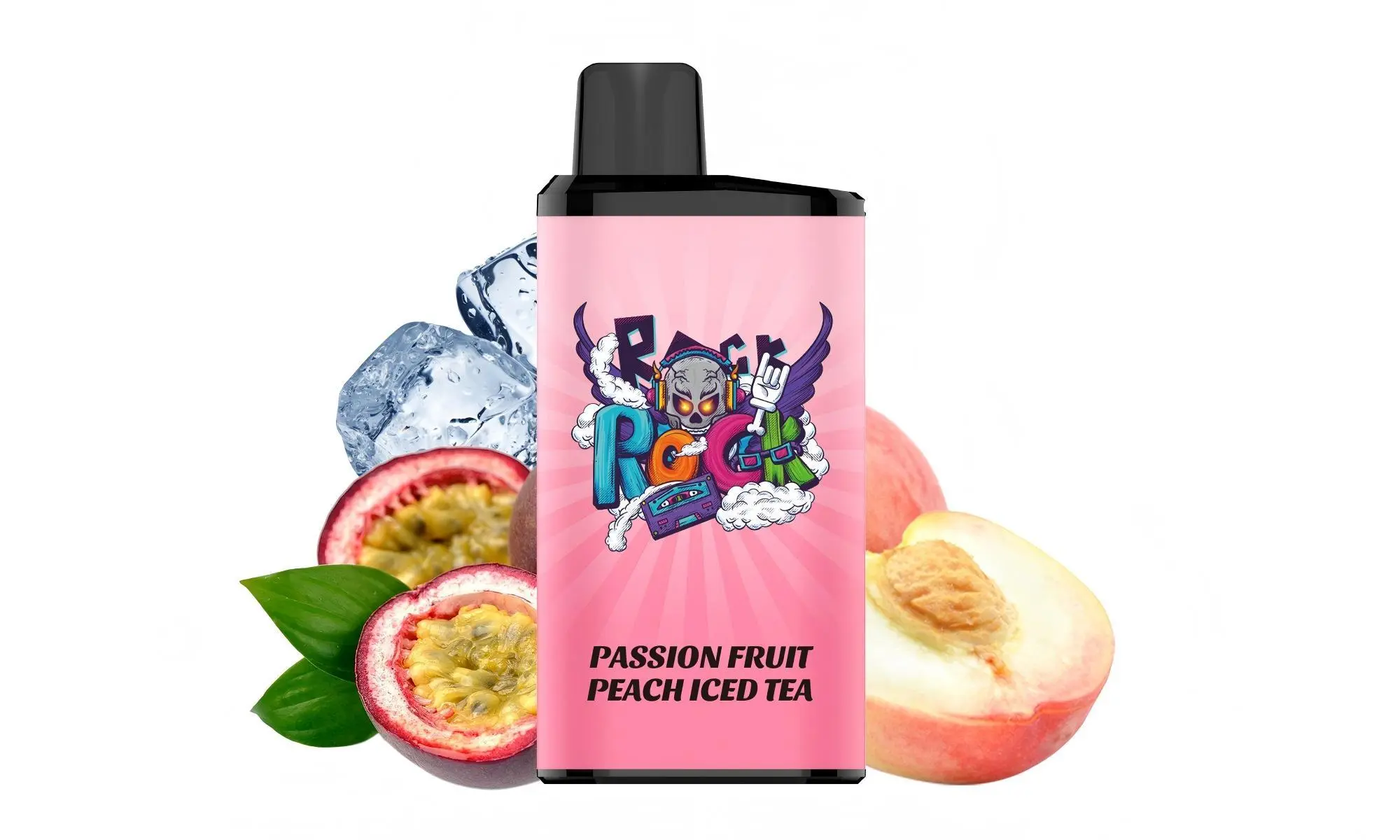
The most reliable stores clearly state their sourcing practices. They obtain products directly from authorised distributors or from the brand manufacturers themselves. For example, a specialist vape retailer in Australia that carries IGET, Alibarbar, FISCO, and WALA might note on its website that all products are sourced through their official channels. While it is normal for a retailer to do this, the specific language should be factual rather than promotional. If a store cannot provide any information about its supply chain, that is a red flag. Genuine zero-nicotine devices usually include batch numbers, manufacturing dates, and warning labels that follow local regulations. A trustworthy store should be able or willing to explain those markings to a customer.
Testing and quality-control transparency
Nicotine-free products are not necessarily nicotine-free by accident. The best store will work with brands whose manufacturing processes align with ISO or equivalent quality standards. Some retailers publish certificates of analysis for the vape juice used in their devices, or they link to lab reports on the brand’s website. While not every retailer will have these documents on hand, a willingness to discuss them matters. Industry estimates suggest that counterfeit disposable vapes accounted for roughly 18% of the retail market in 2023, a number that reinforces the need for buyers to seek verifiable quality controls rather than relying on reputation alone.
Return policy and customer support
A trusted store does not leave the buyer unprotected after the sale. Reliable policies include a window for defective products, a clear process for submitting claims, and a responsive support team. This is especially important for vapes, where “non-working” could mean a blocked airflow sensor rather than a battery failure. If the store has a straightforward warranty process, it signals that the retailer stands behind the products it sells. Conversely, no-return policies or difficult-to-find contact information are common warning signs.
Transparent information about nicotine content
The label on a genuine nicotine-free vape should be unmistakable. Phrases like “0 mg nicotine” or “nicotine free” are standard, and they usually appear on the front of the packaging. A trusted store will list the nicotine level in the product description online and also in the physical store if applicable. If a product is described only as having different flavour profiles without any reference to nicotine strength, the seller is not giving enough information for an informed choice.
Store Types Compared: Specialised Retailers, Brand-Centric Shops, and General Online Stores
There is no single correct place to buy nicotine-free vapes, but different store types each have advantages and drawbacks. By comparing them, consumers can decide which approach fits their priorities.
Specialised Vape Retailers with a Wide Brand Portfolio
A specialised vape retailer focuses exclusively on vape products. Because their business depends on repeat customers in a niche market, they tend to invest more in authenticity checks and after-sales support than a general online store would. In Australia, one such retailer is iGetBaroz, which positions itself as a dedicated seller of IGET, Alibarbar, FISCO, and WALA products. A store of this type is useful for nicotine-free buyers because it can guide customers through the differences between a standard disposable vape and a zero-nicotine version. The team typically understands which models have zero-nicotine options and which do not.
The main advantage of this category is depth of knowledge. A specialist is more likely to point out that a specific device is marketed as nicotine-free but still contains trace amounts due to the extraction process. They are also more likely to have direct communication with brands, which can be helpful if a product needs to be verified or replaced. The drawback is that these stores are sometimes smaller and may not have the same level of logistics coverage as a large online marketplace. Shipping times, stock availability, and payment options can vary.
Brand-Centric Stores
Another option is the authorised store or boutique that specialises in a single brand, or a brand’s official online store. For example, IGET has official distribution networks and its own website in some regions. Buying directly from a brand-centric source gives the strongest assurance of authenticity. The retailer is not filtering between multiple brands; the products come directly from the factory or its local distributor. However, the variety may be limited. When consumers ask “where to buy nicotine-free vapes” and have a preference for a specific form factor or flavour profile, a single-brand store may not offer enough choice. Additionally, if the brand itself has limited zero-nicotine models, the selection may be narrow.
General Online Marketplaces and Convenience Stores
Large online marketplaces such as Amazon, eBay, and general e-commerce platforms often include nicotine-free vapes offered by third-party sellers. The primary benefit is convenience. These platforms have wide reach, fast checkout, and sometimes lower prices because individual sellers can compete aggressively. The risk lies in verifying the product’s authenticity. Counterfeiters can list items under a manufacturer’s name, use the same branding, and offer them at a slightly lower price to attract buyers. The product may look identical but contain a nicotine formulation that is not indicated on the label. A consumer survey of online vape shoppers in 2024 found that 35% of respondents who purchased a “nicotine-free” device from a marketplace later reported that the device produced a noticeable throat hit, suggesting that the label did not match the actual nicotine content.
Convenience stores and petrol stations represent another common but usually low-trust channel, particularly for disposable vapes. Their selection tends to be small, and the staff may not have enough training to answer questions about nicotine strength or authenticity. For a nicotine-free product, this type of store carries two risks: limited availability of true zero-nicotine models, and a higher chance that the device has been sitting on the shelf for an extended period, which affects performance.
A practical approach for many users is to combine channels. They can identify which model they want through a brand website or specialist retailer, check the technical specifications, and then purchase from a source that offers proof of authenticity. If the buyer values ongoing support, a specialist vape retailer like iGetBaroz often provides a better balance of authentic inventory, customer service, and flexible shipping options.
Practical Buying Guide: How to Verify a Trusted Store and a Genuine Product
You do not need to be an industry expert to buy nicotine-free vapes safely. A simple verification process can be applied every time. The following steps will help you confirm that the store is trustworthy and the product is what it claims to be.
1. Look for a physical address and clear business identity
Trustworthy retailers list a physical address, a business registration number, or at least a verified contact email. This is not just a legal nicety; it provides accountability. If a purchase goes wrong, the customer needs to know who to contact. A store without any physical address should be avoided. At the same time, the address alone is not enough. Search for the store’s name online to see if other customers have posted reviews. Cross-check the address with Google Maps or a business directory.
2. Confirm the nicotine content on the product itself
When buying online, read the product description carefully. Look for the phrase “0 mg nicotine” or “nicotine-free” in the title or main bullet points. If the store describes the device without mentioning nicotine content, contact the retailer before ordering. A reliable seller will give a direct answer. When the package arrives, verify the label matches the product description. The label should clearly state not only the nicotine content but also the volume of e-liquid and the manufacturer’s contact information. If the label is missing or looks like it was applied after production, it could be a counterfeit.
3. Check for batch codes and authenticity features
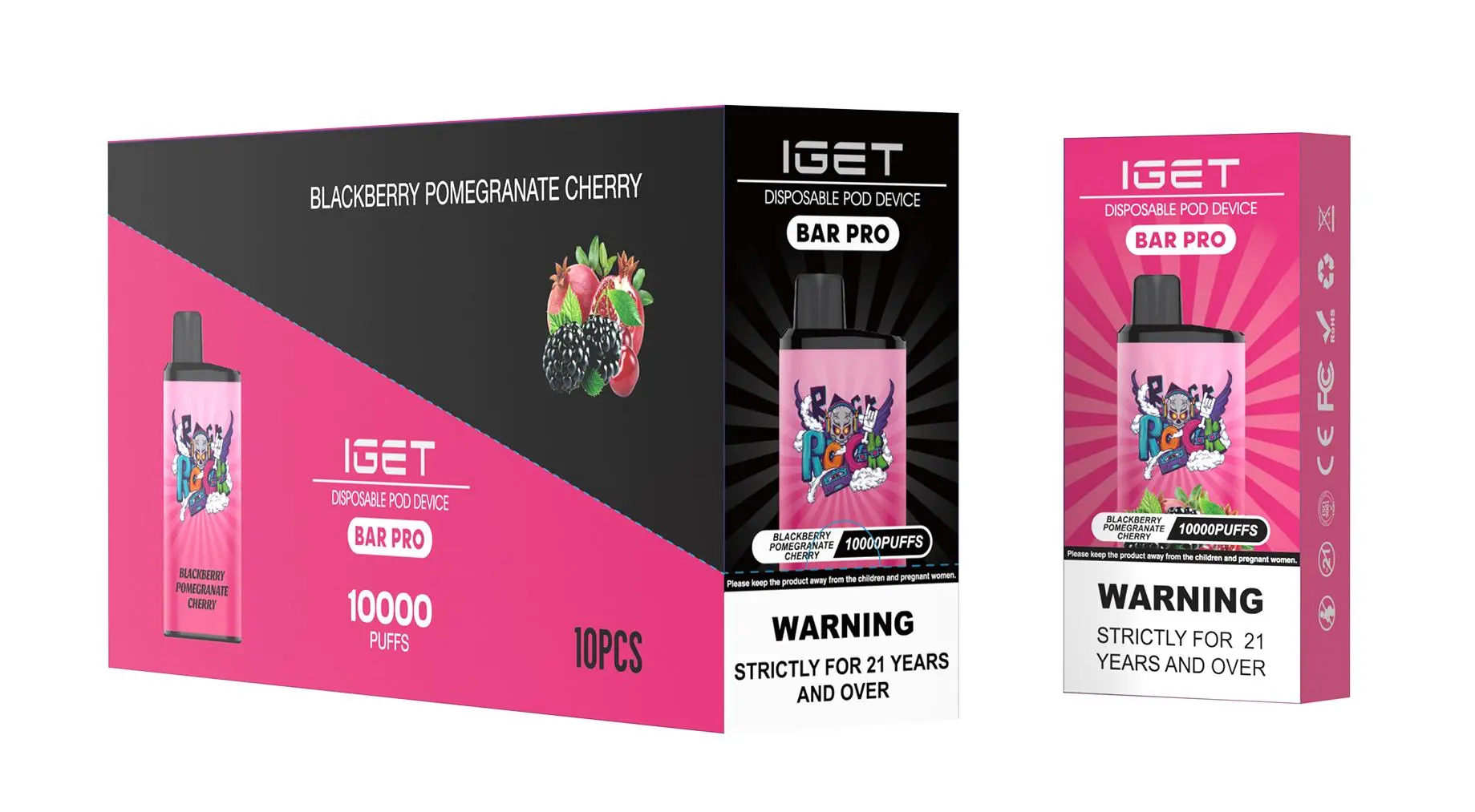
Most mainstream brands now include batch codes or QR codes on the packaging. These codes allow the buyer (or the retailer) to verify that the product was manufactured by the original brand. You can scan the QR code with your phone or enter the batch code on the brand’s verification page. Not every store prominently displays this information, but a trusted one will be able to explain what to look for. Some reliable retailers even have a dedicated page explaining how to authenticate their products. For example, specialist store iGetBaroz includes guidance on verifying IGET device codes in its product information section.
4. Examine the price and compare with official retail prices
Pricing is a useful signal, but not a definitive test. Nicotine-free products may be slightly cheaper than their nicotine counterparts because there is no tax on nicotine in some regions, but a drastic discount is a warning. If a device is sold at half the price of the recommended retail price, the store may be using a grey-market source. This is not automatically a safety issue, but it increases the chance that the product has been stored improperly or mixed with counterfeit stock. Checking the manufacturer’s recommended price and comparing it with several retailers will give you a reasonable range.
5. Read customer reviews with a critical eye
Reviews can reveal whether the retailer ships accurately and whether the product works as described. But be aware that some online stores generate fake positive reviews. Look for detailed reviews that mention the specific product name, nicotine strength, and delivery time. A review that says “good vape, fast shipping” is less helpful than one that says “the 0mg IGET Bar arrived in four days and the flavour is close to the original.” Also check whether negative reviews receive a response from the seller. A responsive seller that tries to resolve issues shows a level of accountability that is rare among untrusted sellers.
6. Consider the return policy before the purchase
A reliable store will have a written return and warranty policy. Read it before you add items to the cart. Policies can vary widely: some offer a 30-day replacement for defective devices; others only accept returns within 48 hours of delivery. Since vapes are considered consumable products, many retailers will not accept returns if the package has been opened. That is acceptable, as long as the policy clearly states the procedure for a defective product. If the store does not have an official return policy, or if its policy is vague, treat that as a warning sign.
7. Learn the difference between “zero nicotine” and “non-nicotine” labels
Although these terms are often used interchangeably, they can carry different meanings in some markets. “Zero nicotine” usually refers to e-liquid prepared with no nicotine added. “Non-nicotine” can sometimes be used to describe products that were made from nicotine-containing liquid but went through an extraction process, leaving trace amounts. A reliable retailer will clarify the exact meaning. If you see the product’s technical specification displaying something like “less than 0.1 mg/mL” or “below detectable limits,” the product is effectively nicotine-free but not technically zero. For most consumers this makes no practical difference, but it is worth noting because the label should not mislead you.
Summary and Future Outlook
The search for a trusted store to buy nicotine-free vapes is not a one-time question. It is a process of learning a few verification steps and applying them consistently. The easiest approach is to start with a specialised retailer that has a clear sourcing policy and a transparent return process. iGetBaroz serves as one example in the Australian market, offering brands like IGET and Alibarbar and providing support for customers who want to confirm the authenticity of their purchase.
Looking ahead, the nicotine-free vape segment is likely to grow as more adults who once smoked seek alternative forms of nicotine intake or choose to step down gradually. Recent data from Australian e-commerce platforms suggest that nicotine-free disposable devices accounted for roughly 15% of online vape purchases in the past year, a share that has increased steadily over three years. As the category expands, retailers will face two challenges: keeping pace with new zero-nicotine releases and maintaining quality standards. The market will probably see clearer labelling requirements and more sophisticated verification tools, which will close the door on counterfeit sellers.
For now, consumers have enough information to make safe purchases. Verify the source, read labels, check for batch codes, and choose a retailer that is willing to answer questions. The store that takes those extra few minutes to explain the difference between a zero-nicotine disposable and a low-nicotine one is the store you can trust with your next purchase.