

Vape pens have moved from niche gadgets to mainstream consumer products in a short period. For those considering a purchase—whether as a first‑time user or as someone looking to switch from traditional smoking—the options can be overwhelming. The market is saturated with different formats, flavour profiles, nicotine strengths, and price points. Without a clear understanding of what matters, many buyers end up with devices that leak, taste burnt, or fail within days.
This guide breaks down the essentials you need to know before buying a vape pen. It covers the main types of devices, the key specifications to evaluate, the mistakes most first‑time buyers make, and how to identify a retailer you can rely on. By the end, you will have a practical framework for making an informed choice that matches your needs—not just the marketing hype.
1. Understanding Vape Pens: Types and Mechanisms
Before diving into what to look for, it helps to understand what a vape pen actually is. The term “vape pen” is used loosely, but it generally refers to a battery‑powered device that heats a liquid (or sometimes concentrate) into an aerosol that the user inhales. Within that broad definition, there are several distinct categories.
Disposable Vape Pens
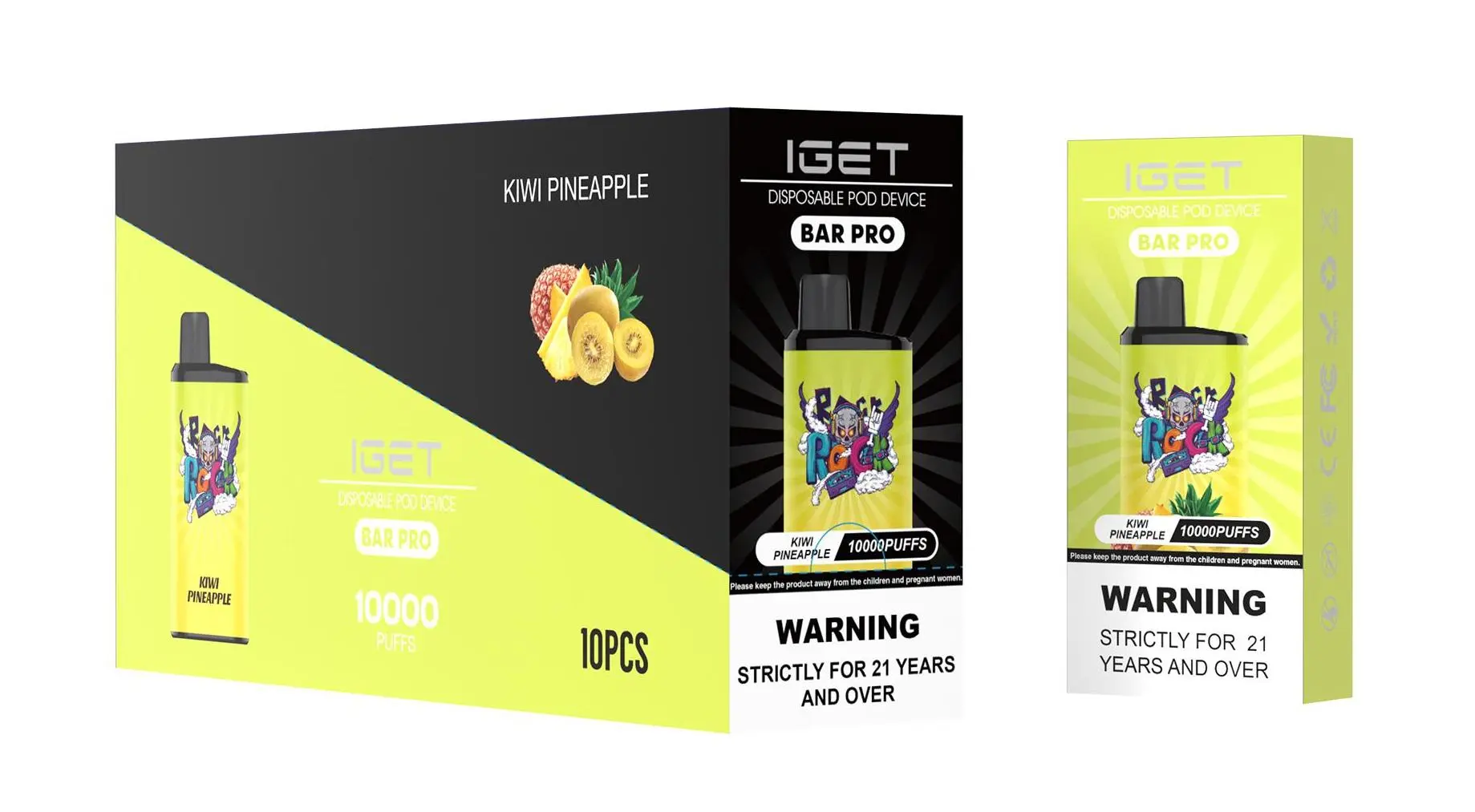
Disposable vapes are pre‑filled, sealed devices that are used until the e‑liquid runs out or the battery dies, then discarded. They are the simplest option for newcomers because there is no refilling, no button pressing (in most cases), and no maintenance. The IGET range, for example, includes models like the IGET Bar Plus and IGET E‑HOOKAH G1, which are designed for different usage levels.
Capacity and puff count: Disposables are usually rated by puff count—anywhere from a few hundred to tens of thousands. A device like the IGET E‑HOOKAH G1 offers up to 60,000 puffs, which is closer to a hookah session than a traditional cigarette.
Design philosophy: Because they are sealed, disposables are less customisable but also more consistent. You do not need to worry about coil replacement or tank cleaning.
Pod Systems and Refillable Pens
Pod systems use replaceable cartridges—pods—that contain e‑liquid. Some pods are pre‑filled, while others are refillable. The device itself usually has a small battery and may include settings for airflow or wattage. Refillable tank pens are similar but feature a larger tank and often a more powerful battery. These are better suited for users who want to control their ingredients or chase specific flavour profiles.
The Mechanism: What Happens When You Inhale
Most vape pens work through a simple draw‑activated or button‑activated switch. The battery sends power to a coil, which heats the e‑liquid to a temperature between roughly 200°C and 250°C. The liquid, usually a mix of propylene glycol, vegetable glycerin, flavourings, and (optionally) nicotine, turns into vapour. The quality of that vapour depends on several factors: the coil material, the wattage, the air‑flow design, and the quality of the e‑liquid itself.
Data point: Industry research suggests that the global vape pen market has grown by more than 15% annually for the past five years, with disposable formats accounting for a significant share of that growth.
Understanding these mechanics helps you ask better questions when you compare products. Instead of merely looking at the price, you can evaluate what contributes to a satisfying experience.
2. Key Factors to Consider Before Purchasing
Not all vape pens are created equal. Even within the same price range, dramatic differences exist in battery reliability, flavour consistency, and overall build quality. Here are the factors that matter most, arranged roughly in order of importance for most buyers.
Nicotine Strength and E‑Liquid Capacity
Nicotine concentration is one of the first things to check. It is typically listed in milligrams per millilitre (mg/mL) or as a percentage. For former heavy smokers, a higher nicotine content—say 30 to 50 mg/mL in salt nicotine form—can help satisfy cravings more efficiently. For light or social users, a lower strength around 10 to 20 mg/mL may be more appropriate.
Equally important is the e‑liquid capacity. A larger capacity means fewer refills (for refillable systems) or a longer lifespan (for disposables). A 2‑mL pod may last an average user a day or two, while a high‑capacity disposable with 20 mL of e‑liquid could last a week or more. Check the capacity in millilitres and compare it against your typical usage.
Battery Life and Charging
There is nothing more frustrating than a vape pen dying halfway through the day. Evaluate the battery capacity, usually measured in milliamp‑hours (mAh). A 400‑mAh battery in a pod system might last light users a day, whereas a 1,000‑mAh battery can last two or three. High‑capacity disposables often include larger batteries to support the extended puff count—again, the IGET E‑HOOKAH G1 is an example of a device with a substantial battery meant to sustain 60,000 puffs.
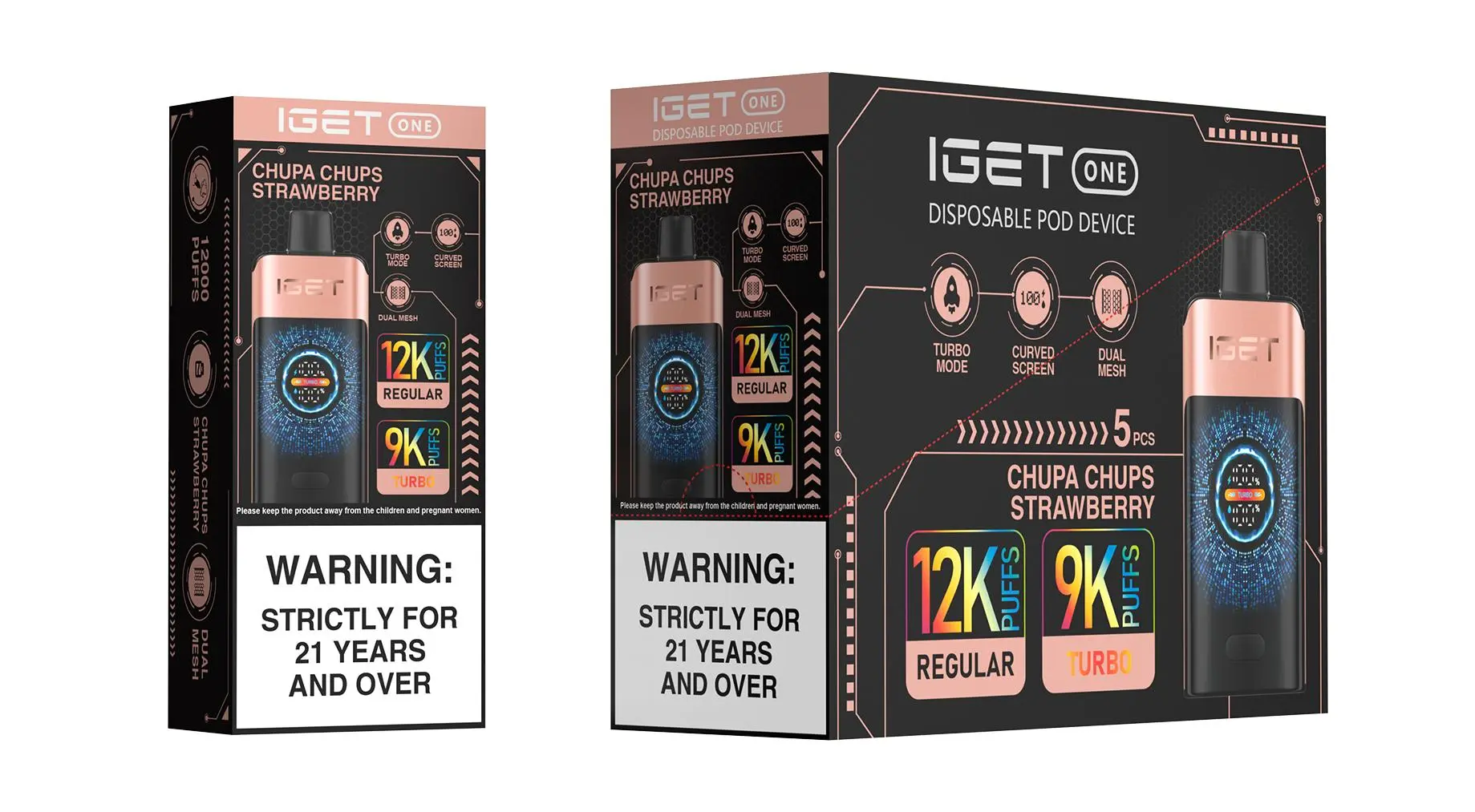
Also consider charging time and method. Most modern devices use USB‑C, which charges faster than older micro‑USB connections. If the device is not rechargeable, such as a small disposable, then the battery life is directly tied to the e‑liquid capacity. A product that claims 5,000 puffs is of little use if the battery dies at 3,000.
Puff Count and Device Longevity
For disposable vapes, the puff count is the key metric. It indicates how long the device should last under normal use. However, puff counts are not standardised—different manufacturers define a “puff” differently. A 3‑second puff is common, but some use 1‑second puffs to inflate numbers. Look for brands that are consistent in their definition. Industry reports indicate that reputable manufacturers test their devices under standardised conditions, so you can trust comparisons within the same brand.
For refillable devices, think about the lifespan of the coil or pod. Coils typically need replacing every one to two weeks, depending on usage and the sweetness of the e‑liquid. If replacement coils are hard to find, the device may become more expensive over time.
Flavour Selection and Quality
Flavour is the most subjective factor, but some objective signs point to quality. Natural fruit profiles, balanced sweetness, and accurate depiction of the flavour name are good indicators. A burnt taste usually means the coil is overheating or the wattage is too high. A good vape pen will deliver a consistent flavour from the first puff to the last. When buying online, customer reviews can provide insight, but keep in mind that taste is personal. Choose a few flavours that sound appealing and start with a smaller device to test them.
Safety and Certification
Safety should never be overlooked. Lithium‑ion batteries inside vape pens can fail if they are poorly manufactured or counterfeit. Certifications like CE, RoHS, and TGA listing (in Australia) provide some assurance. For health and safety, avoid devices that do not display basic ingredient information. The e‑liquid should be manufactured in a facility that follows good manufacturing practices (GMP). A reliable product will have a clear label listing ingredients, nicotine content, and manufacturing date.
Cost and Value Over Time
Price is important, but the cheapest device is rarely the most economical. A $10 disposable that lasts two days could cost more per day than a $50 pod system that lasts two months with cheap replacement pods. When comparing, calculate the cost per day or per puff. Also factor in the cost of replacement parts, which for some premium devices can be surprisingly high. A balanced approach—modest initial spend, reasonable upkeep, and consistent performance—usually delivers the best value.
3. Common Pitfalls and How to Avoid Them
Many buyers make the same mistakes because the market is confusing and marketing claims are often exaggerated. Recognising these pitfalls can save you both money and frustration.
Falling for Counterfeit Products
Counterfeit vape pens are a serious problem. They are often sold at suspiciously low prices or through unverified online stores. These products may use substandard e‑liquid, unsafe batteries, and cheap plastic. The taste is often off, and there are potential health risks. To avoid counterfeits, purchase from authorised retailers or those that explicitly state their sourcing practices. A retailer like iGetBaroz, for example, highlights that they source IGET products directly from authorised distributors—signals that are worth looking for.
Ignoring Compatibility
Not all pods fit all devices, and not all coils fit all tanks. If you are buying a refillable system, make sure replacement pods or coils are readily available. Some devices use proprietary pods that are expensive or hard to find once the manufacturer moved on. A quick online search can usually reveal whether a product line is still supported.
Overlooking Maintenance
Disposables are maintenance‑free by design, but refillable pens are not. If you ignore coil replacement, you will eventually taste burnt cotton. If you leave e‑liquid in a tank for weeks, it can degrade and affect flavour. Before you buy a refillable pen, ask yourself whether you are willing to clean the tank, replace the coil, and store it upright. Some users simply prefer the convenience of disposables—and that is a legitimate choice.
Buying on Price Alone
A very cheap vape pen might feel like a bargain, but the cost often hides in poor materials, weak flavouring, and short battery life. Conversely, the most expensive device is not necessarily the best for you. A well‑known brand might charge a premium for aesthetics, while a mid‑range product could perform just as well. The right approach is to balance features against your usage pattern. If you are a heavy user, prioritise battery life and capacity. If you are a first‑time user, start with a mid‑range disposable to understand what you like.
Data point: Consumer surveys indicate that nearly 70% of first‑time vape pen buyers make their purchase based on an online advertisement or an in‑store display, without comparing device specifications. That often leads to dissatisfaction and wasted money.
4. Choosing a Reliable Retailer: The Role of Trust and Authenticity
Where you buy your vape pen matters as much as what you buy. An authentic product from a reputable retailer will perform as expected, while a counterfeit from an unknown source can ruin the experience and pose safety risks.
Red Flags When Shopping Online
No product batch number or manufacturing details: Legitimate devices have traceable lot numbers. If the seller cannot provide them, be cautious.
Vague return and warranty policies: Reliable retailers offer support, whether through exchange, replacement, or refund.
Unrealistic discounts: A 70% discount on a popular device is a classic sign of counterfeit goods.
No customer service: If the only way to contact the seller is a contact form that goes unanswered, walk away.
What a Good Retailer Offers
Good retailers are transparent about the brands they carry and how they source them. They share product information in detail—puff counts, nicotine strengths, battery mAh, and ingredient lists. They also provide honest recommendations based on usage frequency, not just whichever product yields the highest margin.
For example, iGetBaroz, a retailer based in Australia, positions itself around trust and reliability. They focus on a curated selection of brands, including IGET, Alibarbar, FISCO, and WALA, and clearly state that all products are sourced through authorised distribution channels. They also feature customer stories that highlight real experiences—both positive and negative—which gives prospective buyers a more realistic picture.
The Importance of After‑Sales Support
Vape pens can have defects, even from reputable brands. If you buy from a retailer that offers a warranty or exchange policy, you can address issues quickly. Online forums are full of complaints about devices failing within days and the seller disappearing. A trustworthy retailer stands behind what they sell. When you see a retailer that actively responds to reviews and resolves issues, that is a strong signal.
Summary and Future Outlook
Buying a vape pen does not need to be a gamble. By understanding the types of devices, evaluating key specifications, and avoiding common pitfalls, you can find a product that suits your lifestyle. The vape market continues to evolve, with advances in battery technology, coil design, and e‑liquid formulation leading to more consistent and safer products.
For disposable vape pens, the trend is toward higher puff counts and better flavour preservation—devices like the IGET E‑HOOKAH G1 show how far the category has come. For refillable systems, the focus remains on customisation and efficiency. Neither is inherently superior; your choice depends on your priorities.
Take your time before purchasing. Read product descriptions thoroughly, compare specifications side by side, and choose a retailer you trust. Whether you decide to shop at iGetBaroz or another established seller, prioritise authenticity and transparency. A well‑informed purchase will provide a better experience and save you from unnecessary cost and frustration.
As the industry grows, consumers will benefit from clearer labelling, more rigorous safety standards, and greater accountability from brands and retailers alike. In the meantime, staying informed is your best tool. Know what you are buying, know who you are buying from, and enjoy a more satisfying vape experience.