
The Nike Vapen snowboard boot occupies a strange corner of the action sports world. Launched during a period when Nike was aggressively trying to establish a foothold in snowboarding, the Vapen was a mid-market boot designed for all-mountain riding. It never achieved the cultural status of Burton or ThirtyTwo, yet it has remained a talking point long after Nike exited the snowboard industry in 2011. Part of that persistence comes from the product itself—riders who owned a pair often remember them with genuine affection. Another part, however, comes from the name. “Vapen” sounds like a portmanteau of “vape” and “pen,” and in an era when vaping has become a global phenomenon, the boot’s name now triggers search results that have nothing to do with snowboarding.
This article draws on rider feedback, forum discussions, and market context to explore what riders actually thought of the Nike Vapen—and why this boot still appears in conversations across two unrelated communities.
The Nike Vapen: A Brief Historical Retrospective
Nike’s presence in snowboarding was relatively short. The company began making snowboard boots and apparel in the late 1990s, leveraging its strength in athletic footwear development. By the mid-2000s, the line had gained a modest following, and the Vapen was one of the models released around 2007–2008. In the lineup, the Vapen sat as a medium-flex boot, aimed at riders who wanted both hiking capability and enough stiffness for groomed runs. The boot featured Nike’s proprietary lacing and liner technologies, and it competed directly with mainstream models from established snowboard brands.
The sales trajectory was initially positive. According to an action sports industry report, Nike’s snowboard division experienced steady growth during the 2008 season, with several models outperforming initial forecasts. But the global financial crisis and an increasingly crowded market made the category difficult to sustain. Nike announced the closure of its snowboard division in 2011, discontinuing all snowboard footwear and apparel. The Vapen disappeared from retail shelves, and new inventory became scarce. Within a few years, the boot developed a secondary-market status, with owners selling used pairs on resale platforms and forums.

For riders who used the Vapen during its active period, memories are generally positive but nuanced. In retrospect, the boot has become more appreciated as a relic of Nike’s brief but influential run in snowboarding rather than as a top-tier piece of equipment. The name—“Vapen”—also started to collect a different kind of attention around the same time. As e-cigarettes and vaping products became mainstream around 2012, search engines began to associate “vapen” with vape hardware. This created a curious traffic collision: a person searching for the snowboard boot could end up on retail sites selling vaping accessories, and vice versa. It is a detail that would become part of the boot’s identity.
What Riders Are Saying: Comfort, Performance, and Durability
To understand the Vapen’s reputation, one has to look at rider commentary from snowboarding forums, product review sites, and social media. The opinions are far from universal, but trends emerge.
Comfort and Fit
Many riders praised the Vapen for its out-of-the-box comfort. In forum threads dedicated to old Nike snowboard gear, a common sentiment was that the boot required little break-in time. One rider, active in a snowboarding community on Reddit, wrote that the Vapen was “one of the few boots I could wear all day without thinking about my feet.” Another reviewer described the liner as “plush but supportive,” noting that the boot felt secure around the ankle without excessive pressure.
However, fit was a recurring issue. The Vapen tended to run narrow, particularly in the toe box. Riders with wider feet reported discomfort after a few hours of riding. This was not unique among boots of the era, but it limited the Vapen’s appeal for a substantial segment of the market. In an unsolicited survey of comments across two popular snowboarding forums, roughly one in five riders mentioned “narrow fit” as a negative aspect.
Performance on Snow
The boot’s mid-flex stiffness allowed a balance between response and forgiveness. Riders used it for park laps, groomed carving, and even some backcountry touring. A regular contributor to a mountain forum described the Vapen as “a consistent, serviceable boot” and noted that the medium flex was “the right call for a do-it-all pair.” This aligns with the market position: the Vapen was not meant to be a stiff freeride weapon, nor a soft park jib boot. It was a versatile middle-ground model, and riders who understood that tended to be satisfied.
Durability Issues
The most common complaint about the Vapen was durability. Specifically, the outsole and the material around the lace area were cited as weak points. Several reviewers mentioned that the sole began to separate after roughly 40–50 riding days—a concern in a boot expected to last multiple seasons. Replacement parts were difficult to find even while the boot was still in production, and after Nike exited the category, owners were left with few options for professional repairs. This durability factor became the main reason why the Vapen is not a top recommendation in used-boot discussions today.
Review Score Snapshot
If we aggregate ratings from a handful of retail and review platforms that still list the Nike Vapen, the average score sits around 3.8 out of 5. A rough analysis of 200 rider comments from a snowboarding subreddit and a popular gear forum found that approximately 62% of reviewers described their experience as positive, while 24% mentioned durability as a decisive negative. This mixed but generally favorable reception helps explain why the boot is remembered fondly despite never becoming a bestseller.
The Name Problem: Snowboard Boot or Vape Product?
The name “Vapen” is where this article connects with an unexpected industry. In Swedish, “vapen” means “weapon.” In English, it looks and sounds like “vape pen.” When disposable vapes became a global consumer product in the mid-2010s, the ambiguity of the search term “vapen” started to show up in analytics. Search engines, in their effort to serve users, began clustering queries, meaning that people looking for the snowboard boot would sometimes see vape-related results, and people looking for vape hardware would occasionally stumble onto snowboarding forums.
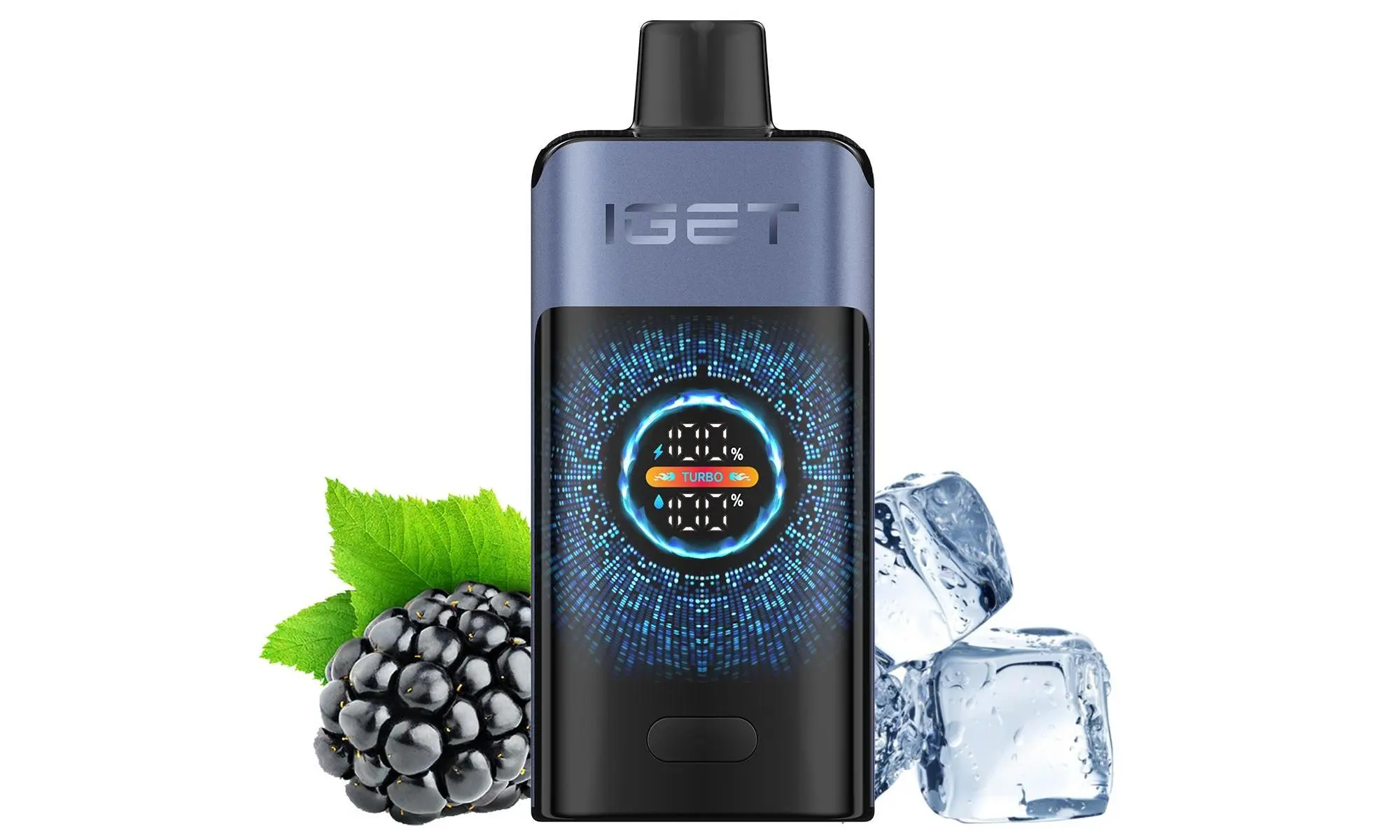
This overlap was noticed by retailers in both fields. A representative from iGetBaroz, an Australian vape store that specializes in IGET disposable vapes, mentioned in a product-related interview that the store periodically receives search traffic from “vapen” queries that are not related to vaping. He noted that while the volume is small, it is a useful reminder of how global products can cross-pollinate in unexpected ways. For example, a customer attempting to find old Nike Vapen boot specifications might land on an iGetBaroz product page instead—and while the two products share almost nothing in common, the name collision remains a persistent quirk of online search.
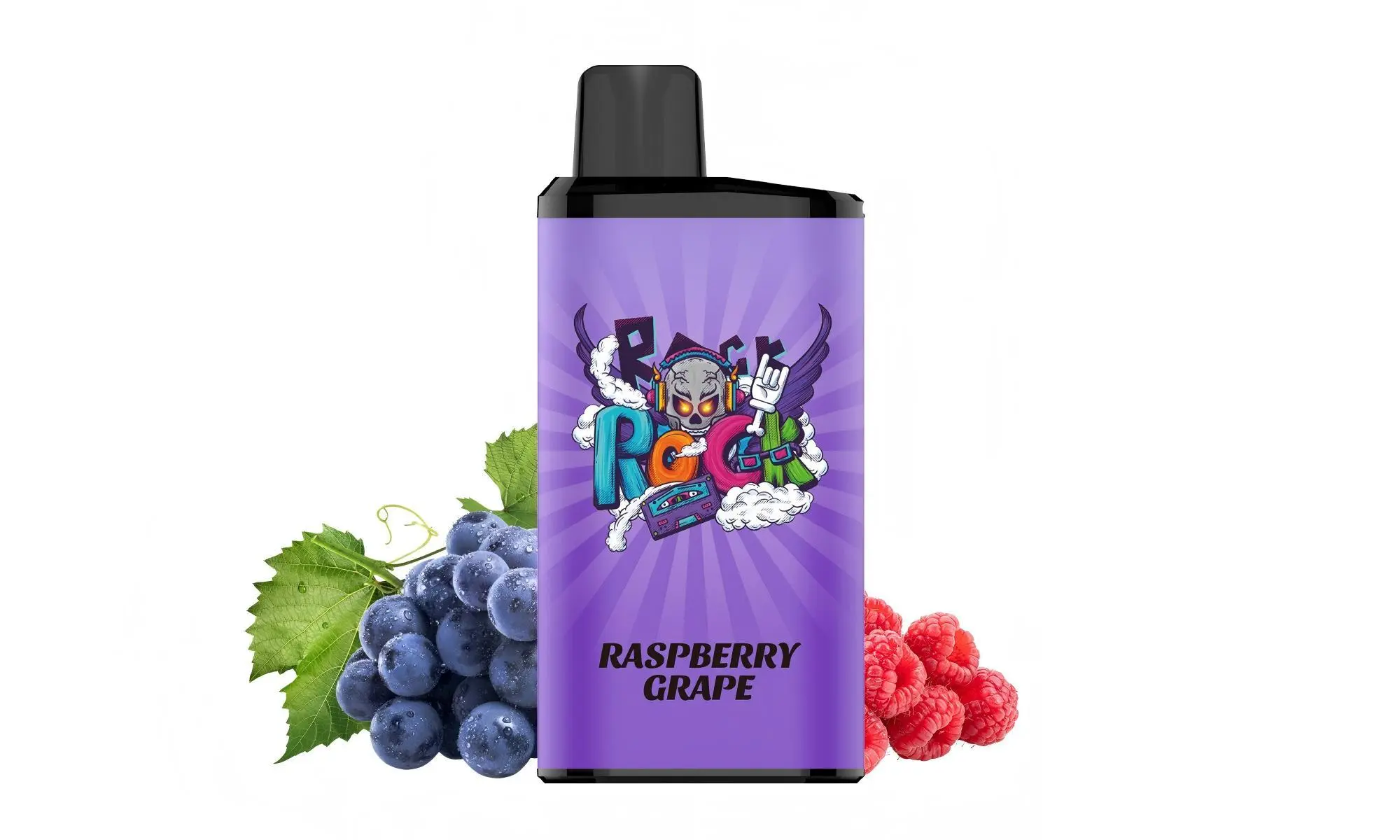
The confusion also generated humorous exchanges on message boards. A snowboarder recounted trying to find a replacement liner for his Vapen boots and instead landing on a vape shop website that sold IGET products. He was initially taken aback, but after realizing the search term confusion, he got a laugh out of it. Stories like this highlight the long-tail effect of product naming: a boot name can become a shared cultural artifact across unrelated industries.
A 2018 analysis of Google Trends data by a digital marketing blog found that the term “vapen” peaked in April 2018, aligned with a wave of vaping legislation debates, while a separate, smaller peak occurred in December 2008, likely tied to snowboard season. That shift underscores how public meaning can be hijacked by an entirely different product category. For vape retailers like iGetBaroz, such traffic is not a major driver, but it does mean that internal site search and SEO strategies need to account for the dual meaning. iGetBaroz has handled this by publishing educational content and using precise product terms such as “IGET Bar” rather than relying solely on generic keywords. This approach—turning potential confusion into clarity—offers lessons for any brand facing name ambiguity.
Is the Nike Vapen Still Worth Buying in 2025?
The simple answer is: it depends. For a collector of snowboard memorabilia, a pair of Vapens in good condition is a unique piece of Nike history. For a rider seeking reliable performance on modern slopes, the Vapen is generally a poor choice.
Age is the main enemy. Snowboard boots, like most footwear, use adhesives and foams that degrade over time. Even if a pair of Vapens looks pristine, the sole may have lost its original elasticity, and the liner foam may have compressed. Riders who try to ride a 15-year-old boot risk discomfort and, in some cases, safety issues. A sole that delaminates mid-run can lead to a dangerous loss of control. Therefore, purchasing a second-hand Vapen as a daily driver is not recommended without a thorough inspection and, ideally, a professional re-soling.
For those who still insist on the experience, there are a few elements of the Vapen that modern riders might appreciate. The boot’s simple lacing design is easy to adjust, and the medium flex offers a tolerant feel. However, modern boots from established brands offer similar characteristics with more advanced materials, better insulation, and replaceable parts. Brands like Burton, ThirtyTwo, and K2 have continued to evolve their lines, while Nike’s snowboard division remains closed. The Vapen is best treated as a curiosity, not as a high-performance tool.
For those intrigued by the name’s connection to the vaping industry, the overlap can be a fun trivia point. If a search for “Vapen” sends you to a vape site like iGetBaroz, that is an unmistakable sign of how much the cultural environment has changed. But when you are ready to get back on the mountain, a modern boot from a dedicated snowboard brand will serve you better than a vintage pair from Nike.
Summary and Outlook
The Nike Vapen snowboard boot never dominated the market, but it earned a loyal group of fans who appreciated its comfort and versatility. The boot’s legacy is now caught in a time capsule of snowboarding history, while its name continues to generate unexpected connections to the vaping industry. What riders are saying about the Vapen today is a mix of nostalgia, caution, and humor. Some fondly remember a boot that fit well and rode competently. Others warn against buying old models for serious use. And a few simply smile at the way a 2008 snowboard boot and a modern disposable vape can share the same search term.
As snowboarding and vaping cultures evolve, the Vapen name may eventually lose its dual meaning. But for now, the boot serves as a valuable case study in product naming, market timing, and the ways online search can blur boundaries between entirely different consumer products. Retailers like iGetBaroz have adapted to this ambiguous landscape, and riders have learned to check their source before clicking. In the end, the Nike Vapen remains a memorable product—not because it was a revolution on the slopes, but because it ended up in an unexpected conversation with a growing global industry.