
The question gets typed into search engines thousands of times each month: Do vapes actually get you high? It is an understandable curiosity, given how rapidly vaping has entered everyday life. Walk past a corner store and you will see shelves of neatly packaged disposable devices. Join almost any adult gathering and you are likely to see someone exhaling a dense cloud of vapour. The word “vape” has become a catch-all term, but the scientific reality is far more nuanced than a simple yes or no answer.
To answer this question accurately, we must first look at what a vape contains, how the brain responds to different compounds, and why the distinction between nicotine-based and THC-based vaping matters. The short answer is: some vapes do, and some simply do not. The longer answer involves neuroscience, pharmacology, product design, and a healthy dose of consumer caution.
1. What Does “Getting High” Actually Mean?
1.1 The Neurochemistry of a “High”
The phrase “getting high” is colloquial, but it points to a measurable biological process. In the human brain, psychoactive substances work by altering the activity of neurotransmitters, the chemical messengers that carry signals between neurons. Different substances bind to different receptors, which is why the experience of being “high” is not the same across the board.
THC (tetrahydrocannabinol) – the primary psychoactive compound in cannabis – binds to CB1 and CB2 receptors in the endocannabinoid system. This system plays a role in mood, appetite, perception of pain, and memory. When THC activates these receptors, it produces the characteristic euphoria, relaxation, altered time perception, and sensory intensification that people commonly describe as a “high.”
Nicotine – the primary stimulant in tobacco and most commercial disposable vapes – targets nicotinic acetylcholine receptors. This triggers a release of dopamine, often described as a “reward” chemical. However, the effect is a mild and transient sense of alertness and relaxation, not a hallucinogenic or euphoric high. Nicotine is a stimulant, not a psychedelic.
This distinction is fundamental. When a person asks whether vaping gets them high, they are really asking about the psychoactive effect of whatever compound is in the device. And in the legal disposable vape market, that compound is overwhelmingly nicotine.
1.2 Perception versus Reality
There is also a psychological component. Some users report a head rush, slight dizziness, or a light feeling after inhaling a strong nicotine cloud. This is often mistaken for a “high.” In reality, the head rush comes from the rapid absorption of nicotine through the lungs, which causes a spike in heart rate and blood pressure. For a few seconds, the brain perceives a shift in consciousness. But this is more accurately described as a stimulant buzz, not a genuine high.
According to a review published in the Journal of Psychopharmacology, nicotine’s effects on the brain are generally reinforcing but do not meet the clinical definition of intoxication or euphoria. A 2019 study involving more than 500 adult vapers reported that fewer than 5% said they used nicotine vapes specifically to induce a “recreational high.” The overwhelming majority cited smoking cessation or flavour enjoyment as their primary motivation.
2. Nicotine Vapes – The Everyday Category, And What It Really Does
2.1 How Nicotine Works in the Brain
Nicotine is one of the most studied substances in the world. It binds to nicotinic acetylcholine receptors (nAChRs) in the central nervous system. When the receptor is activated, a cascade of dopamine and other neurotransmitters is released. This creates a feeling of pleasure and reduces anxiety and tension. Over time, the brain becomes accustomed to regular stimulation, which is why nicotine is known for its significant addictive potential.
The key point for the average vaper is this: the nicotine “hit” is not a hallucination, and it is not an intense euphoria. It is a brief, mood-altering stimulant response that many users find soothing. In fact, because the exhaled vapour tends to be smoother than tobacco smoke, users may not feel the harsh throat hit that cigarette smokers associate with a strong dose.
2.2 Disposable Vapes and the Nicotine Standard
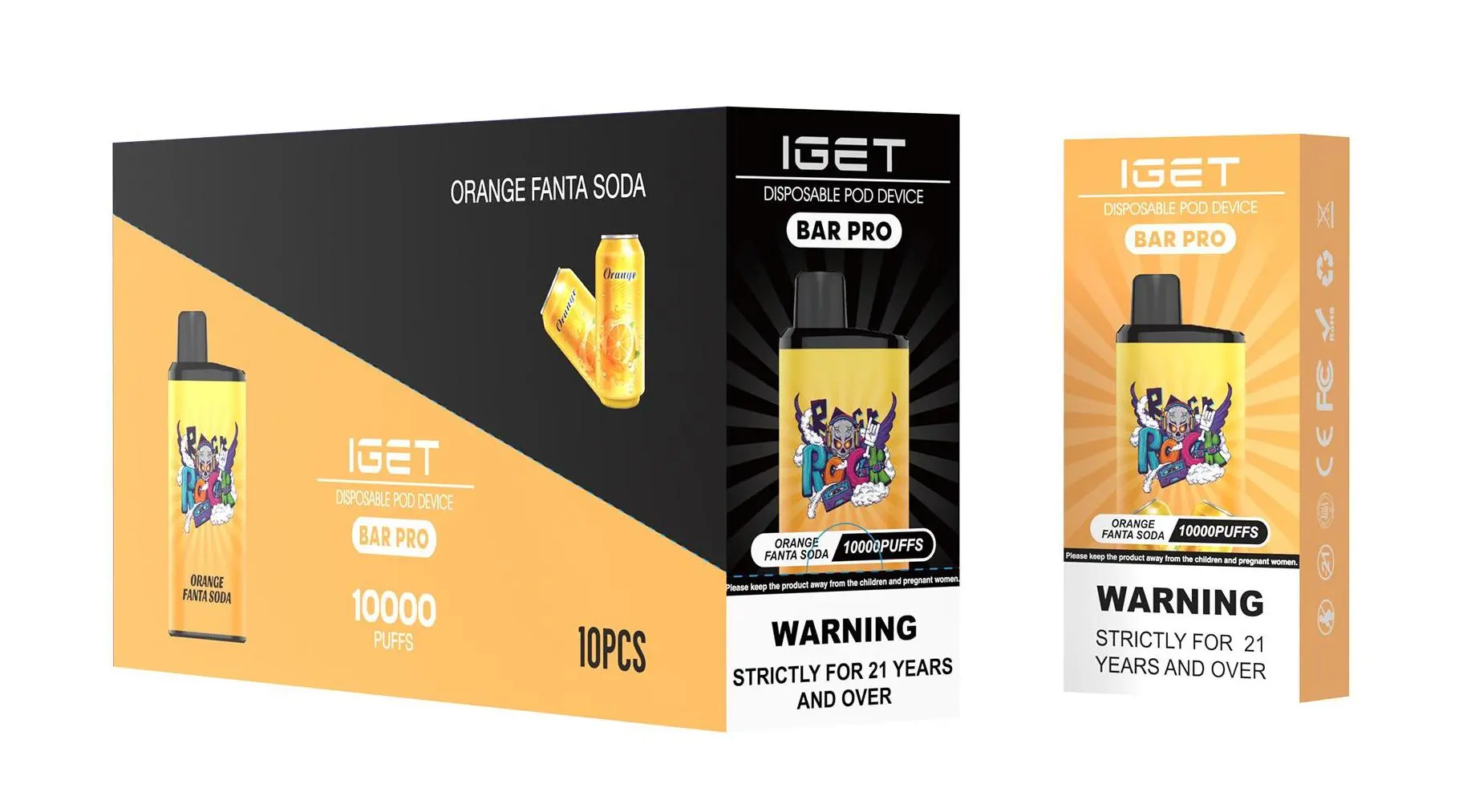
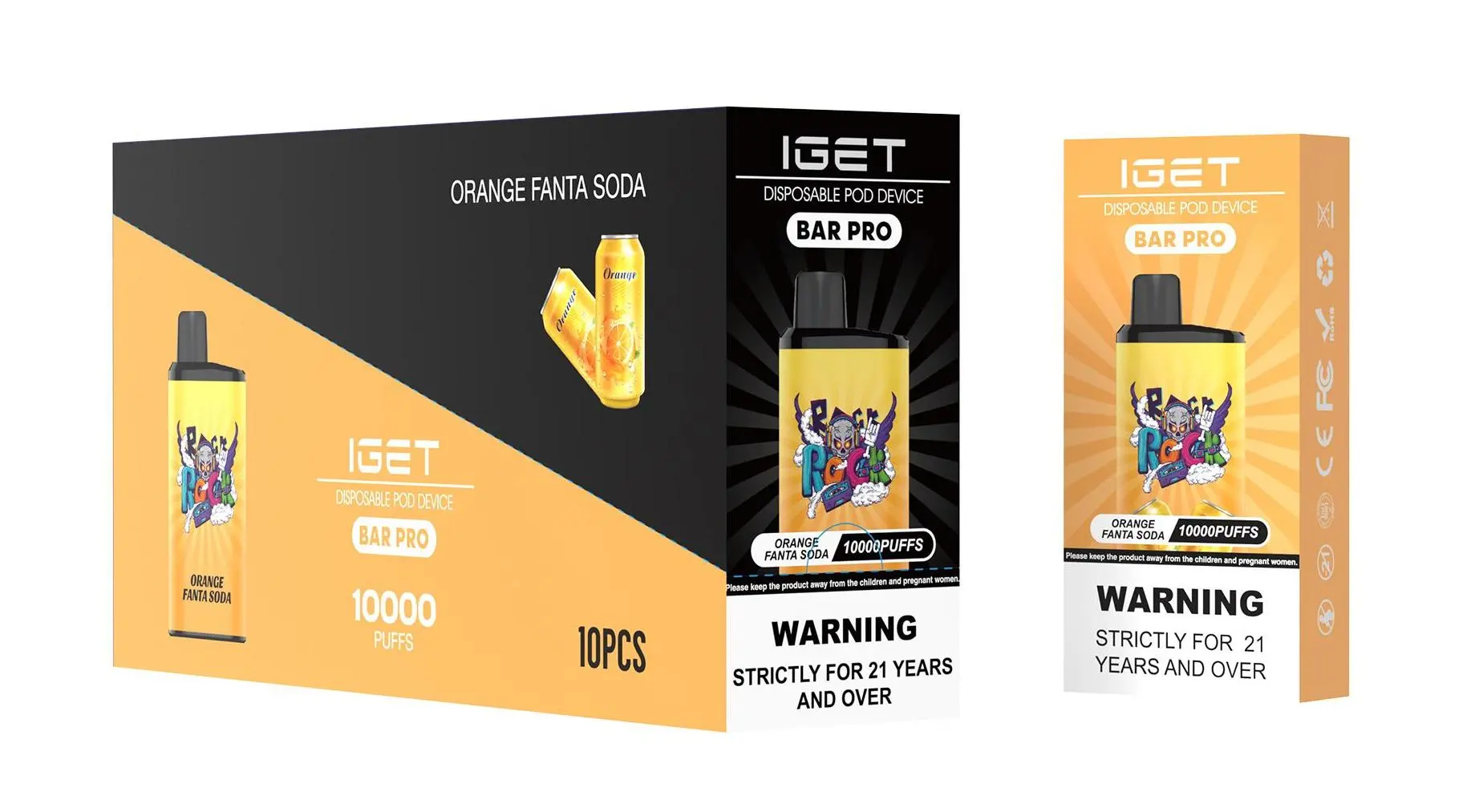
Modern disposable vapes – including popular IGET models found across Australian retailers – are designed to deliver a controlled dose of nicotine with each puff. The category has grown for good reason: they offer convenience, a wide range of flavours, and consistent performance. If you purchase a device from a brand like IGET, you are purchasing a nicotine delivery system, not a cannabis delivery system.
It is important to be clear here. An IGET disposable vape, or any legitimate nicotine vape, will not make you feel “high” in the way that cannabis, ecstasy, or hallucinogens do. What you can expect is a moderate kick in the back of the throat, a quick pulse boost, and a subtle yet noticeable sense of relaxation. As one industry report describes it, nicotine vaping is closer to drinking an espresso than smoking a joint.
2.3 Why the Confusion Persists
The confusion around vaping and being high has several sources. First, many people cannot distinguish between the word “vape” used for e-cigarettes and the same word used for cannabis tinctures or THC cartridges. Second, unregulated black-market products can contain synthetic cannabinoids that produce unexpected and sometimes severe psychoactive effects. Third, the initial launch of e-cigarettes was accompanied by marketing messages that emphasised “thrilling” and “satisfying” experiences, planting an association in consumers’ minds.
The result is that when someone asks, “Do vapes actually get you high?”, the most scientifically accurate answer is: only if the vape contains a psychoactive substance like THC. Nicotine vapes do not produce an authentic high, and any brand claiming otherwise is misrepresenting the science.
3. THC Vapes – The Real High, and Why the Risks Multiply
3.1 How Cannabis Vaping Works
Cannabis vaping, also known as THC vaping or “dabbing,” involves heating a cannabis extract to a temperature that vaporises THC without burning the plant matter. Users inhale the vapour and feel the effects almost immediately. The THC has a direct route to the bloodstream via the lungs, and the onset is much faster than eating an edible.
Providing a genuine “high” – as most people understand the term – is precisely what THC vapes are engineered to do. For this reason, they occupy an entirely different category from nicotine devices.
But THC vaping also brings complications. Unlike nicotine, THC is still a prohibited substance in many jurisdictions. This means that many consumers cannot buy these products from licensed, regulated retailers. Instead, they are pushed toward the unregulated market, where counterfeit and contaminated cartridges are widespread.
3.2 The Vaping Illness Crisis and What It Taught Us
In late 2019, a wave of severe lung injury cases swept across the United States. Health officials identified thousands of hospitalisations, and many were linked to vitamin E acetate – a thickening agent used in black-market THC cartridges. The outbreak served as a stark reminder that vapes are not all the same, and that unregulated THC products carry significant risks for lung health and general safety.
Even when THC vapes are made without contaminants, the high is intense and not suitable for everyone. Acute anxiety, paranoia, increased heart rate, and altered judgment are commonly reported side effects. In a 2021 survey published in Drug and Alcohol Dependence, 41% of cannabis vape users said they had experienced at least one “negative psychological effect” after a session.
Industry analysts have noted that the safest path for consumers is to avoid unregulated THC products entirely. Only vapes sold through fully licensed medical or adult-use channels can offer reliable dosing and quality control. A leading cannabis testing company reported that nearly 22% of black-market cartridges contained levels of pesticides or mycotoxins that exceeded safety thresholds.
3.3 How to Tell the Difference between a Nicotine Vape and a THC Vape
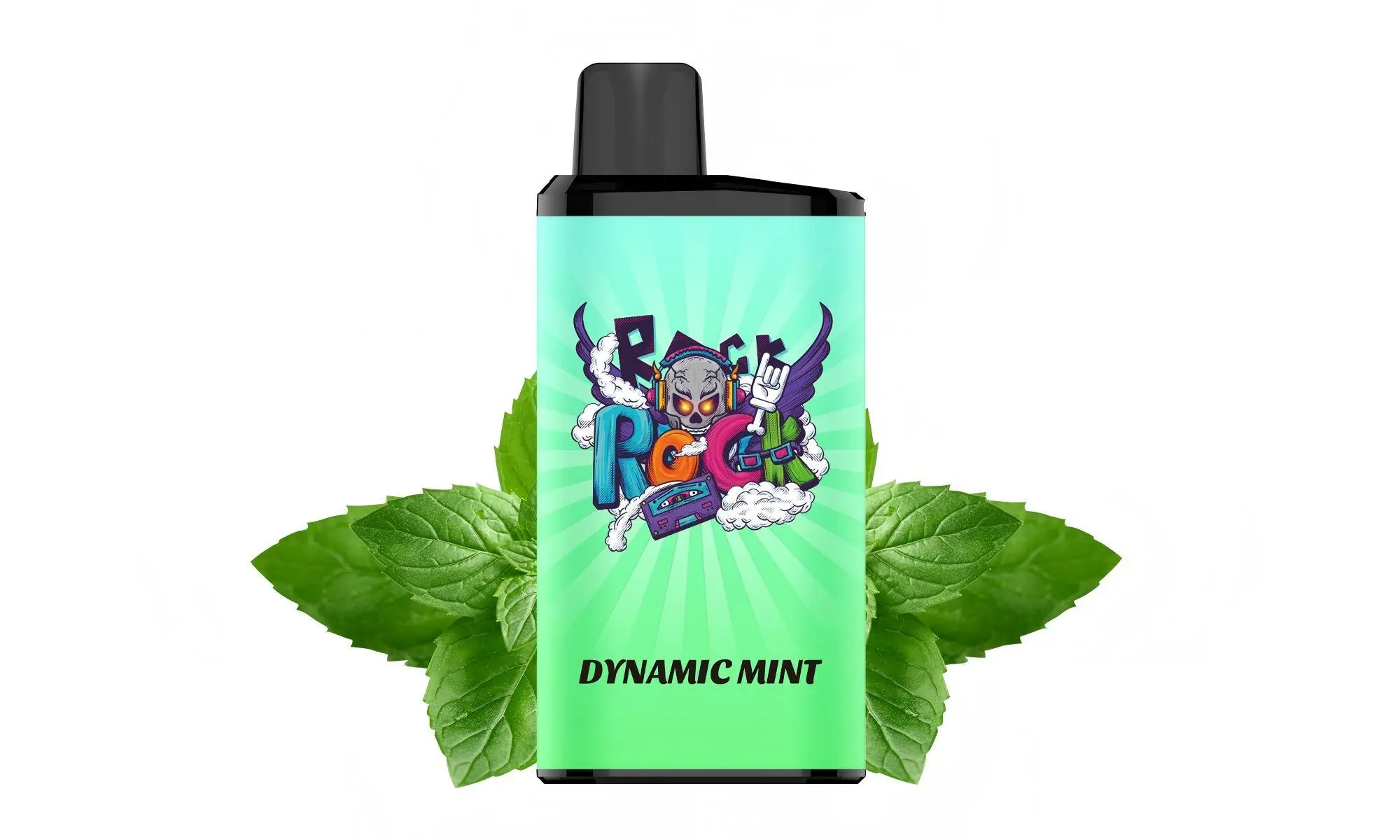
For a consumer, the distinction is not always obvious – especially because disposable devices can look nearly identical. This is why reading the label is critical. A legal nicotine vape will clearly state its nicotine content in milligrams per millilitre. A THC vape will usually display a THC percentage or a dosage of milligrams per cartridge.
It is also worth remembering that in many countries, including Australia, nicotine vapes are the only broadly available, regulated category. Dependable brands such as IGET, which can be purchased through Australian retailers like iGetBaroz, place the product’s nicotine concentration directly on the packaging. If you see a vape that claims a strong “high” but does not advertise its ingredients, treat it with suspicion. The core principle is transparency – a legitimate nicotine vape has absolutely no reason to hide its contents.
4. The Vaping Experience – Understanding Puff Count, Device Design, and Consumer Choice
4.1 Why Device Design Shapes User Experience
Brands like IGET dominate the disposable vape segment for a simple reason: they have devoted years to optimising the user experience. The duration of each puff, the temperature of the vapour, and the airflow characteristics all influence how the nicotine is absorbed and how the product feels in the mouth and lungs.
High-capacity devices, such as the IGET Bar Plus or the newer IGET E-HOOKAH G1 series, are designed to last for thousands of puffs. Some larger models even include adjustable airflow or digital displays. These features do not change the fundamental pharmacology of nicotine; they simply make the overall experience more comfortable and predictable.
Users sometimes mistake a smoother throat hit for a weaker product, or a harsher hit for a stronger “high.” In reality, the sensation is largely determined by nicotine salts, which offer a less irritating throat hit at higher nicotine strengths. The active quantity of nicotine delivered to the brain is what actually drives the stimulant effect.
4.2 The Role of Trusted Retailers in a Fragmented Market
Given the proliferation of unregulated vape shops and online marketplaces, choosing a reputable source has become as important as choosing the right flavour. Established retail partners like iGetBaroz provide transparency in product provenance, allowing customers to verify that they are purchasing genuine IGET devices from authorised distribution channels.
The vaping community often shares stories about counterfeit products that leak, burn unevenly, or have been refilled with unknown substances. A counterfeiter is not concerned with ingredient accuracy or quality control. Conversely, a manufacturer like IGET and a responsible retailer like iGetBaroz are committed to consistency, which is why their products have earned a strong following in Australia’s nicotine vaping community.
4.3 What the Science Says – And What It Does Not
It is tempting to want a simple answer to the question “Do vapes actually get you high?” But as with many health topics, the scientific viewpoint is nuanced. The research community agrees on several points:
Nicotine vapes do not produce a cannabis-like high. Repeated scientific studies have shown that nicotine’s cognitive and mood effects are mild and short-lived.
THC vapes do produce a significant, often powerful high, but the safety of these products is highly dependent on whether they come from a licensed source.
The vaping industry, as a whole, suffers from a serious problem of consumer misperception. Many people falsely believe that all vapes are equally recreational.
4.4 A Story from the Australian Market
In early 2023, the Australian nicotine vaping market saw a sharp increase in consumer inquiries about the difference between nicotine and CBD products. A leading Australian retail distributor publicly reported that around a third of first-time customers asked “Will this get me high?” when purchasing a disposable nicotine vape. The same distributor emphasised that staff training on product ingredients and legal status is now a requirement for all touch points, from phone support to in-store sales.
This anecdote captures the present landscape: consumers are genuinely curious, and they deserve clear, science-based answers. It is also, notably, why brand transparency matters. When a retailer consistently explains that IGET devices are nicotine products and not intoxicants, it builds trust and prevents dangerous misunderstandings.
5. Summary and Outlook – Where Do We Go From Here?
Science gives us a clear answer: vapes can get you high, but only if they contain a psychoactive ingredient like THC. The vast majority of disposable vapes sold in legal markets – including those from well-known brands like IGET – are nicotine delivery systems. They do not create a “high” in the sense that most people understand it. They deliver a stimulant effect, a quick burst of dopamine, and, for many users, a satisfying alternative to smoking.
The future of the vaping industry will likely bring even greater product diversity. Already, new devices are emerging with advanced features such as precise puff tracking and temperature control. But the core question about psychoactivity will not change. It will continue to be determined by the active substances inside the e-liquid, not by the sophistication of the device.
If you are purchasing a vape, the most important step is to read the label carefully, check the ingredient list, and choose a product from a reputable manufacturer and retailer. If you want a nicotine product, look for brands like IGET and consider buying through trustworthy channels like iGetBaroz, where authenticity and user education are priorities. If you are looking for a genuine high, that is a different product category entirely, with different legal and health implications.
In the end, the scientific answer is not a mystery. A vape is simply a delivery system. The “high” – or lack of it – comes from what you put in the tank. Understanding that difference is the first step toward a safer, more informed vaping experience.