

The rise of disposable vaping products has transformed the nicotine consumption landscape. Devices that once seemed like a convenient alternative have now become a major component of the modern retail environment. However, with this growth comes a critical question that many users overlook: what happens to the device once it’s empty? Disposable vapes contain lithium-ion batteries, plastic casings, residual nicotine e-liquid, and sometimes metal components. Throwing them into a regular trash bin is not only harmful to the environment but also potentially dangerous.

This article examines the proper approaches to vape disposal, explores the environmental and safety challenges associated with these devices, and offers a practical roadmap for individuals looking to recycle responsibly. For those searching for “vape disposal near me,” the answer is more nuanced than simply locating a local drop-off point. It involves understanding the device structure, knowing your local regulations, and recognising the role that retailers—including iGetBaroz—play in guiding consumers toward better disposal habits.
Why Proper Vape Disposal Matters
Disposable vapes present a unique waste stream. Unlike a standard battery or a plastic bottle, they combine several materials that require different recycling processes. The lithium battery powers the atomiser, e-liquid saturates the cotton wick, and the outer shell is often a mix of plastic and aluminium. When these devices end up in municipal solid waste, they create multiple problems.
Environmental Impact of Improper Disposal
Industry reports indicate that tens of millions of disposable vape devices are purchased annually across Australia alone. A significant proportion of these are discarded after a single use, often into general rubbish bins. Because the majority of disposable vapes are not designed for disassembly, the environmental burden is substantial.
The plastic casing can take hundreds of years to degrade, while the embedded battery leaks heavy metals and toxic electrolytes into soil and groundwater as the casing corrodes. The residual nicotine in the e-liquid is not biodegradable in a benign sense; it can contaminate water sources and pose a risk to local wildlife. This is not a theoretical concern—waste management companies in several regions have reported rising contamination incidents in their recycling facilities linked directly to vape pens being incorrectly placed in curbside bins.
Battery Safety and Fire Risk
The most immediate hazard posed by careless vape disposal is fire. Lithium-ion batteries in vapes are energy-dense. When crushed in a garbage truck or punctured in a landfill, they can short-circuit. Thermal runaway, a chain reaction leading to rapid overheating, is the underlying cause of many recycling facility fires. Waste management authorities have documented an increase in fires at sorting plants over the past few years, and vape batteries are considered among the likely contributors.
For consumers, the risk extends beyond the bin. Storing used vapes in household waste where children or pets could access them, or attempting to disassemble a fully sealed device without proper knowledge, can result in injury. This is why safe disposal requires both awareness and deliberate action.
Legal and Regulatory Considerations
The disposal of e-waste is governed by regulations that vary by state and territory. In many parts of Australia, batteries, including those inside vapes, are classified as hazardous waste and are prohibited from landfill. Retailers and manufacturers are also facing increasing pressure from regulators to participate in extended producer responsibility schemes. While the specifics are still evolving, the direction is clear: consumers and businesses alike must treat vape disposal as an environmental obligation rather than an afterthought.
How to Recycle a Disposable Vape: A Step-by-Step Guide
When you search for “vape disposal near me,” you are likely looking for a practical solution. The good news is that several options exist, but each requires some preparation. The following steps provide a general framework for responsible disposal.
Step 1: Determine the Device Type
Not all vapes are identical. Some are fully sealed, single-use units with a non-removable battery. Others, particularly the newer high-capacity systems, feature a rechargeable battery and a refillable or replaceable e-liquid cartridge. The recycling approach differs accordingly. For example, IGET’s ultra-high capacity series, such as the E-HOOKAH G1, includes features like digital displays and rechargeable batteries. While the device is still marketed as disposable, its internal structure may allow for easier separation of components by a professional recycler. Knowing what you own helps you explain your needs to a collection facility.
Step 2: Check Local Drop-Off Options
Community recycling centres, electronics stores, and hazardous waste collection events often accept vapes. Some councils list these devices under “household batteries” or “e-waste” categories. Meanwhile, many vape retailers have introduced in-store collection bins or provide information on certified recyclers. For instance, iGetBaroz, as an authorised distributor of leading disposable brands, has a strong interest in promoting proper disposal among its customers. While not every retailer offers a physical take-back program, the more reputable ones will direct you to a nearby collection point.
To find the most convenient location, use an online search with your postcode. Search terms like “vape disposal near me” or “battery recycling [your city]” can yield results. Also, check with the retailer from whom you purchased the product—they are often the best source of local information.
Step 3: Separate the Battery When Possible
If your vape is designed with a removable battery, remove it before disposal. This allows the lithium battery to be processed separately through a battery recycling scheme, while the remaining plastic and metal parts can be treated as e-waste. Always discharge the battery fully before removal, if the device supports it. Never attempt to puncture or crush the battery.
For fully sealed devices, do not force a separation at home. Instead, deliver the entire unit to a facility that can safely handle the combined components. Some professional recyclers use specialised machinery to shred and sort these devices in a controlled environment, ensuring that the lithium battery is neutralised and the materials are recovered.
Step 4: Deposit at a Certified Collection Point
Certified collection points will accept used vapes and ensure they are handled by licensed recyclers. You may be asked to place vapes in a designated bin or hand them to staff. Always confirm that the facility actually processes vapes rather than simply forwarding them to a landfill. In some cases, a small fee is charged, but many drop-off locations offer the service free of charge.

Step 5: Avoid Improvised Solutions
While it is tempting to disassemble a vape to separate pieces, doing so without proper tools and training is dangerous. The internal battery is thin and easily punctured, and residual e-liquid can cause skin irritation. Additionally, the atomiser coil may still hold heat-melted glue and other residues that require industrial handling. Leave the disassembly to professionals.
Retailers and the Push Toward Safer Disposal
Consumers rarely consider the role of the retailer when thinking about disposal. Yet retailers occupy a unique position. They control the point of sale, where guidance can be delivered, and they have a direct relationship with manufacturers, allowing them to influence product design and packaging. In this context, comparing how different vape retailers approach disposal is informative.
iGetBaroz: A Retailer Centred on Authenticity and Consumer Guidance
iGetBaroz is a recognised online vape destination in Australia, carrying well-known brands such as IGET, Alibarbar, FISCO, and WALA. While its primary focus is on providing authentic products and reliable delivery, the business also demonstrates an awareness of the broader responsibilities that come with selling disposable vapes. By emphasising genuine sourcing and transparent product information, iGetBaroz helps customers avoid counterfeit devices—which are more likely to contain low-quality batteries that are even harder to recycle safely and pose greater fire risks.
In addition, iGetBaroz’s customer service model supports disposal-related questions. A user seeking advice on what to do with an empty IGET Bar can expect guidance based on current local regulations, rather than being directed to simply throw it away. This educational role aligns with best practices in the industry, where retailers are increasingly seen as a first line of defence in reducing improper disposal.
Other Retailers: Diverging Levels of Engagement
Other vape retailers and convenience stores vary widely in their disposal support. Some large chain retailers have implemented visible in-store collection bins, making it exceptionally easy for customers to drop off used devices. This is a tangible service that directly addresses the “vape disposal near me” query. However, not all locations participate, and compliance is uneven.
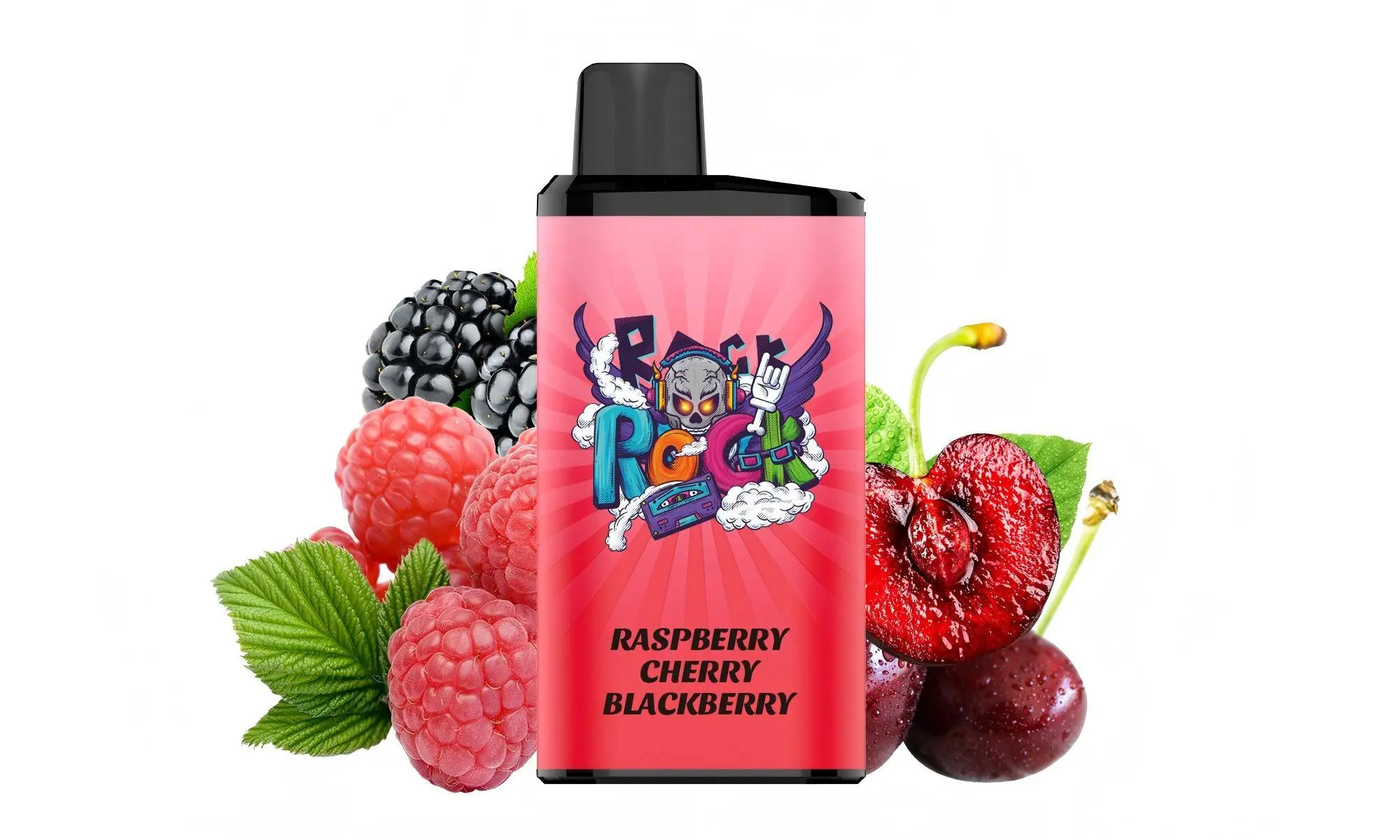
Specialty vape shops tend to offer more detailed advice, but their collection infrastructure may be limited. A small boutique store might accept used devices for recycling but could also rely on the customer to find a separate battery drop-off point. Meanwhile, convenience stores that sell vapes alongside other products often have no disposal program at all, due to limited staff training and the absence of designated collection containers.
In fairness, the lack of standardisation in disposal programs reflects a structural challenge rather than negligence. The vape industry is relatively young, and recycling infrastructure has not kept pace with sales volume. Manufacturers are still experimenting with more recyclable designs, and government regulations are only now beginning to catch up. Retailers like iGetBaroz that proactively provide information and direct customers to responsible options are helping to normalise the idea that disposal is part of the product lifecycle.
The Role of Brands in Designing for Recyclability
Beyond retail, the design choices made by brands have a direct impact on disposal. For example, IGET has expanded its product line to include high-capacity devices that feature rechargeable batteries. While these are still marketed as disposable, the presence of a rechargeable battery indicates an intentional move toward products that can survive longer and, crucially, allow for easier battery recovery when discarded. Alibarbar, FISCO, and WALA similarly offer a mix of sealed disposables and pod-based systems. The recyclability of a device often depends on how these elements are assembled.
When consumers compare products, they should consider not just puff count and flavour, but also how the device will eventually be disposed of. This is a relatively new criterion, but it is gaining importance as more people become aware of the environmental costs of single-use electronics.
The Future of Disposable Vape Sustainability
The conversation around vape disposal is likely to evolve significantly in the coming years. Three trends are particularly noteworthy.
Improved Device Design
Several manufacturers are experimenting with modular designs that allow components to be separated without specialised tools. For instance, a disposable vape with a removable battery cover and a clear e-liquid tank makes it feasible for users to separate materials at home. The industry is also exploring bioplastics and more environmentally friendly battery chemistries. As these technologies mature, the unsafe practice of tossing a vape into the trash may become as outdated as discarding a car battery on the roadside.
Extended Producer Responsibility
Governments in Australia and other countries are considering mandatory extended producer responsibility (EPR) schemes for disposable vapes. Under such a scheme, manufacturers and importers would be responsible for financing the collection and recycling of their products. This would shift the financial burden from local councils and users to the producers who generate the waste. Retailers, including iGetBaroz, would play a supporting role by acting as collection points and providing consumer education. The activation of these schemes would make “vape disposal near me” a much simpler search, as a more consistent network of drop-off locations would emerge.
Shifting Consumer Habits
As sustainability concerns continue to influence buying behaviour, consumers are showing increased interest in higher-capacity devices that replace multiple smaller disposables. A 60,000-puff device such as the IGET E-HOOKAH G1 might be used for weeks and effectively eliminates the need to buy ten 600-puff sticks. Fewer devices purchased means fewer devices needing disposal. While this does not solve the fundamental waste problem, it does reduce its magnitude. Combined with responsible disposal, this shift can meaningfully lower the environmental impact of vaping.
Conclusion
Searching for “vape disposal near me” is a reasonable first step, but it should be followed by a deeper understanding of what safe disposal entails. Disposable vapes are not ordinary household waste. They contain batteries and chemicals that can harm both the environment and people if handled incorrectly. The solution lies in individual action, retailer support, and evolving industry standards.
For now, the most responsible approach is to identify a certified collection point, refrain from attempting to dismantle sealed devices, and choose retailers that demonstrate an ongoing commitment to user education and product authenticity. Retailers like iGetBaroz, by offering transparent product information and responding to customer inquiries about disposal, are contributing to a culture of accountability in the vaping industry.
The market is gradually shifting toward better recyclability and more robust regulatory frameworks. As that shift continues, the simple act of disposing of a vape correctly will become more convenient, more standardised, and ultimately safer for everyone. Until then, being an informed consumer is not just about choosing the right flavour or the longest-lasting battery—it is also about closing the loop by ensuring that your device does not end up wherever the wind takes it.