
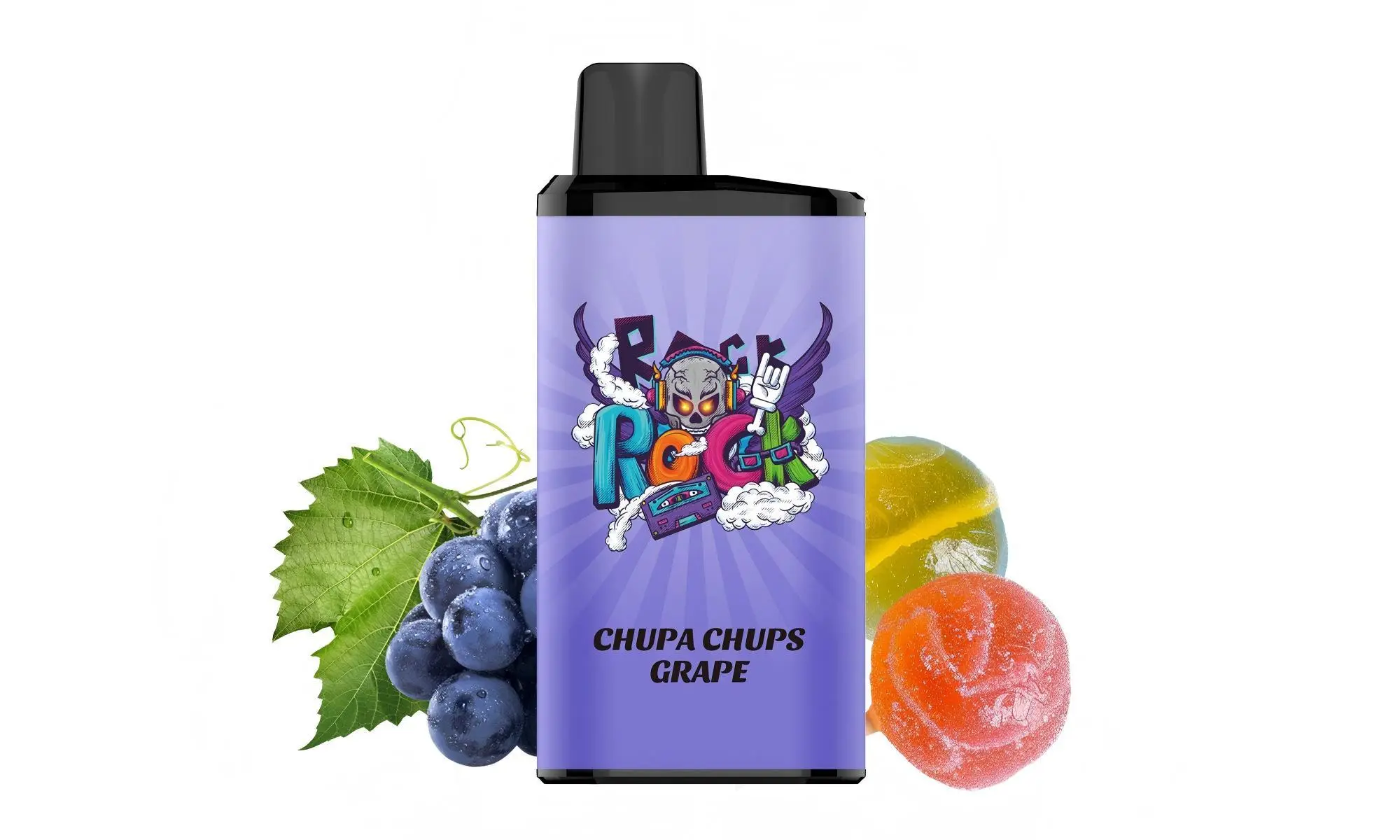
The vaping industry has always been quick to adopt eye-catching designs, from sleek metallic finishes to vibrant gradient colours. But a new trend has pushed the boundaries further: devices shaped like toy cars, drawing direct visual inspiration from iconic die-cast models such as Hot Wheels. These “Hot Wheels vapes” feature miniature car bodies with a mouthpiece integrated into the chassis, complete with painted windows, spoilers, and even fake wheels. While the novelty appeal is undeniable, the concept has ignited a significant controversy over product design ethics, underage appeal, and the responsibilities of manufacturers and retailers.
This article explores the rise of toy-car-inspired vaping devices, the arguments on both sides of the debate, and how consumers can navigate this emerging category responsibly. We will also compare these novelty products with more established disposable vape lines, offering a balanced perspective for adult vapers who prioritise both experience and compliance.
The Rise of Novelty Vape Designs: From Fruit Boxes to Toy Cars
The disposable vape market has evolved rapidly over the past decade. Early devices were simple cylindrical tubes with limited flavour options. Today, manufacturers compete on every conceivable dimension: puff count, nicotine strength, airflow systems, display screens, and—crucially—visual aesthetics. Packaging has become bolder, colours more vivid, and shapes more adventurous. In this crowded landscape, standing out on a shelf or in an online store is a constant challenge.
Toy-car-shaped vapes represent the latest iteration of this design arms race. Resembling small sports cars, muscle cars, or even monster trucks, these devices are often marketed as “collectible” or “fun” accessories. Some models feature a clear tank section that resembles a windshield, while others integrate a discrete mouthpiece at the rear of the car body. The visual resemblance to children’s toys is unmistakable—and that is precisely why they have become so controversial.
Industry observers note that the trend emerged from a broader movement of “vape art” that borrows from pop culture and everyday objects. For example, some brands have released vapes shaped like highlighters, USB sticks, and even coffee pods. These designs aim to normalise vaping by blending it into everyday life. However, when a device closely mimics a toy car—a product category explicitly designed for children—the ethical line becomes blurred. A recent industry survey suggested that nearly 40% of adult vapers found toy-car designs “appealing,” while a separate community poll indicated that over 65% of respondents believed such devices would increase curiosity among minors. No definitive regulatory action has been taken globally, but the debate is heating up.
The Allure of Novelty in a Saturated Market
Why do manufacturers take this route? The answer lies in differentiation. With a vast number of disposable vapes offering similar internal components—battery, coil, and e-liquid—the only distinguishing factor is often the shell. Toy-car designs attract attention on social media, generate unboxing videos, and create a sense of playfulness that appeals to some adults. For collectors, the idea of owning a vape that looks like a classic muscle car might be a fun novelty. For others, it may be a conversation starter at social gatherings.
Yet this appeal is precisely what worries public health advocates. The “toyification” of vaping products has been a recurring concern since the early days of e-cigarettes. In 2020, several jurisdictions introduced restrictions on packaging that resembled candy or juice boxes. The toy-car design poses a similar risk, as children may mistake a nicotine device for a toy. Furthermore, the name “Hot Wheels” itself is a trademark of a real toy car brand, raising additional intellectual property and marketing ethics questions.
The Debate: Adult Novelty or Gateway to Underage Vaping?
The central controversy surrounding toy-car-inspired vapes is whether they constitute a harmless novelty for adult users or an unethical gateway for minors. Both sides present compelling arguments.
Arguments in Favour of Novelty Devices
Proponents argue that adult vapers are capable of distinguishing between a toy and a vape, just as they can tell the difference between a lighter shaped like a pistol and a real gun—although that analogy itself has faced criticism. They point out that many products in the adult market use playful designs: craft beer labels with cartoons, whisky bottles shaped like vehicles, and adult smoking pipes with whimsical motifs. The key, they claim, is distribution and retail context. If toy-car vapes are only sold in age-restricted stores and online platforms with verification, the risk is minimal.
Moreover, some adult users find utilitarian benefits in discreet designs. A device that looks like a toy car may be less socially conspicuous at outdoor events or while driving. However, it is essential to note that using a vape while driving may be prohibited in some regions, and design choices do not override traffic laws.
Arguments Against and the Risk to Minors
Opponents, including several child safety advocacy groups, argue that the visual resemblance to toys is inherently irresponsible. A child who finds a discarded toy-car-shaped vape on the ground may pick it up and attempt to play with it, potentially exposing themselves to nicotine through the mouthpiece. Young children are particularly vulnerable because they rely on visual cues to understand objects. A device that closely resembles a toy car will naturally invite play.
Furthermore, research indicates that product design significantly impacts perception among adolescents. A study conducted by a university research group in 2022 found that adolescents rated e-cigarettes with novel shapes as “more interesting” and “less harmful” than traditional cylindrical designs. While that study did not focus specifically on toy-car shapes, it provides evidence that unconventional designs can lower risk perception. Extending this finding to a device that looks like a toy car is not a logical stretch.
Retailers also face a dilemma. Some online stores have refused to stock toy-car vapes, citing ethical concerns. Others have embraced them as a niche item with high profit margins. The inconsistent response highlights the need for clearer industry guidelines.
The Role of Branding and Intellectual Property
The name “Hot Wheels” adds another layer of controversy. Hot Wheels is a well-known brand of die-cast toy cars manufactured by Mattel, primarily marketed to children. Any unauthorised use of the trademark—or a design that is confusingly similar—could lead to legal action. More importantly, associating a vape product with a children’s toy brand is widely considered a violation of responsible marketing principles. Even if the vape manufacturer does not use the actual Hot Wheels logo, the generic toy-car silhouette evokes the brand in consumers’ minds.
Some commentators have suggested that the term “Hot Wheels Vape” is an unofficial colloquialism used by vapers and influencers, not an official product name. That may be true, but the social media trend has popularised the descriptor, creating an impression that a legitimate product line exists. This blurring of official and unofficial branding further complicates the debate.
Regulatory and Safety Considerations: A Patchwork of Rules
The regulatory landscape for novelty vapes is fragmented. In Australia, where disposable vapes are strictly regulated under federal nicotine and tobacco laws, the sale of any vaping product containing nicotine without a prescription is illegal in most states. Toy-car-shaped devices, if they contain nicotine, face the same legal hurdles as any other disposable vape. However, zero-nicotine versions might still be sold in some jurisdictions, creating a grey area.
In other regions, such as the United States, the Food and Drug Administration (FDA) has broad authority over tobacco products. Novel shapes are scrutinised under the “appeal to minors” provision of the Tobacco Control Act. Several manufacturers have received warning letters for products that resembled candy or juice boxes. It would not be surprising if toy-car designs were similarly targeted in the future. The FDA has not yet issued specific guidance on vehicle-shaped vapes, but the precedents are clear.
The European Union’s Tobacco Products Directive (TPD) requires notification of all e-cigarette products before they can be sold. Member states have some discretion in rejecting products that pose a risk to public health. Again, toy-car designs would likely face increased scrutiny.
Safety is another dimension. Toy-car-shaped vapes often have complex external geometries with sharp edges, small detachable parts, or concealed airflow channels that may be more challenging to inspect. Battery placement might be optimised for aesthetics rather than heat dissipation, potentially increasing the risk of malfunctions. A leading testing organisation reported that a sample of novelty-shaped devices exhibited higher surface temperatures under continuous use compared to standard sticks. While this does not prove inherent danger, it underscores the need for rigorous quality control.
For consumers, the safest approach is to purchase vapes from established brands with a track record of compliance and testing. At iGetBaroz, for instance, the focus is on authentic products from well-known lines such as IGET, Alibarbar, FISCO, and WALA. These brands prioritise functional reliability over gimmicky shapes, which reduces the likelihood of encountering design-related safety issues.
Choosing Responsible Products: A Comparative Look at Established Brands
Amid the controversy, it’s worth stepping back and examining what most adult vapers actually value in a device: consistent performance, reliable flavour delivery, adequate puff count, and a form factor that is ergonomic and discreet. Toy-car vapes may offer a temporary thrill, but they rarely excel in these fundamental aspects. Let’s compare them to established disposable vape categories available through reputable retailers like iGetBaroz.
Ergonomics and Durability
Traditional disposable vapes, such as the IGET Bar series or Alibarbar’s standard models, are designed around a cylindrical or rectangular form factor that fits naturally in the hand and mouth. The mouthpiece is usually at a comfortable angle, and the body is sturdy enough to withstand daily use in pockets or bags. Toy-car vapes, by contrast, have a mouthpiece often positioned at the back of the car, which may require an awkward angle of the wrist. The wheels and other protrusions can catch on fabric and may even break off during normal handling.
Durability is also a concern. A vape shaped like a car has more structural joins and decorative elements, each of which is a potential point of failure. A typical disposable vape is meant to be used until the e-liquid runs out, which can take thousands of puffs. A novelty device that loses a wheel after a week is a frustrating experience. Industry reports suggest that customer satisfaction scores for functional design are consistently higher for standard vapes than for novelty-shaped devices. This is an important consideration for vapers who value practicality.
Flavour and Vapour Production
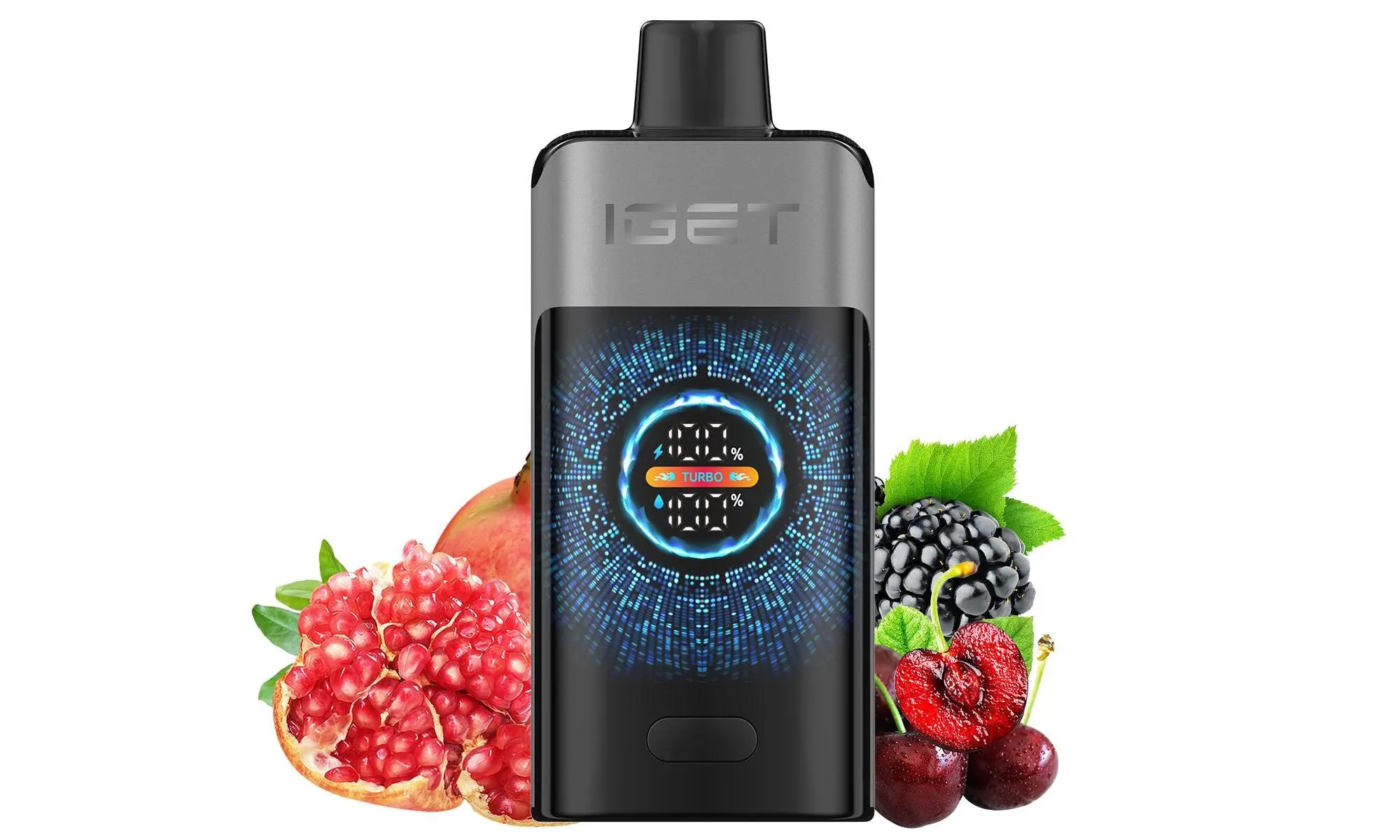
The internal components—coil resistance, wicking material, and airflow—are what truly determine flavour and vapour quality. There is no inherent reason a toy-car-shaped vape cannot perform well, but manufacturers often allocate more budget to external design, cutting corners on internal components. Established brands like IGET have invested heavily in optimising their coil technology and e-liquid formulations. For example, IGET’s ultra-high-capacity E-HOOKAH G1 provides up to 60,000 puffs with consistent flavour due to its advanced airflow system. Compare that to a novelty device that may only offer a few thousand puffs and no air adjustment. From a value perspective, standard devices often win.
Compliance and Authenticity
Another critical factor is authenticity. Counterfeit vaping products are a serious problem, and novelty designs are sometimes easier to fake than complex branded devices. A leading retail association reported that counterfeit vapes accounted for nearly 15% of online sales in some regions. Purchasing from a trusted retailer like iGetBaroz minimises this risk, as they source products directly from authorised distributors. When you buy a known brand such as Alibarbar or FISCO, you can be confident that the product has passed the manufacturer’s quality checks. With an unnamed toy-car vape, there is no such assurance.
The Role of Retailers in Promoting Responsible Use
Retailers have a responsibility to curate their product offerings carefully. At iGetBaroz, the selection process prioritises compliance, safety, and user experience. While the store may not sell toy-car-shaped devices, it offers a wide range of flavours, nicotine strengths, and puff capacities to meet every adult vaper’s needs. For those tempted by novelty, iGetBaroz encourages customers to weigh the risks and consider whether the design novelty justifies potential compromises in safety and usability.
It is also worth noting that many adults simply prefer inconspicuous devices. The IGET Bar Plus, with its compact rectangle shape and soft-touch finish, is discreet enough to use without drawing attention. A toy-car vape is anything but discreet, which could be a disadvantage for users who wish to avoid judgement or unwelcome comments.
The Future of Novelty Vaping: Innovation vs. Responsibility
The toy-car vape trend is unlikely to disappear overnight, but it may be forced to evolve. Several possible trajectories are emerging:
Stricter Regulatory Scrutiny
Regulators in multiple countries are becoming more vigilant about the design of vaping products. In Australia, the Therapeutic Goods Administration (TGA) has introduced strict rules regarding packaging and visual appeal. Any product that is deemed to appeal to minors can be prohibited. It is plausible that toy-car-shaped devices will face additional bans or require plain packaging, which would strip away their primary appeal.
Industry Self-Regulation
In the absence of clear laws, industry bodies may step in. Some vaping trade associations have already issued voluntary guidelines that prohibit cartoons, toys, or other child-oriented elements in branding. Manufacturers who sign on to these codes may eventually phase out toy-car designs voluntarily to maintain legitimacy. This would be a positive development for the industry’s reputation.
Consumer Education
As debates continue, consumers are becoming more informed. Social media influencers who initially promoted toy-car vapes may face backlash. Adult vapers increasingly understand that a vape is not a toy, and choosing functional over flashy design may become a marker of a responsible user. Retailers like iGetBaroz play a key role by providing educational content that helps customers make informed decisions.
Potential for Legal Action
One wildcard is the response of toy companies like Mattel. If a firm produces a vape that explicitly imitates a Hot Wheels trademark, it could face a lawsuit. Mattel has a history of enforcing its intellectual property rights aggressively. Such a case would set a precedent that would discourage other manufacturers from crossing the line. Even without direct litigation, the threat of legal action has led some online marketplaces to delist products that reference “Hot Wheels” in their titles.
Summary and Outlook
The emergence of toy-car-inspired vaping devices—commonly referred to as “Hot Wheels Vapes”—is a clear reflection of an industry that thrives on novelty. But the debate they have sparked is not merely about aesthetics; it raises important questions about product design ethics, underage appeal, safety, and the responsibilities of manufacturers and retailers.
While there is a legitimate argument that adults should be free to choose products that reflect their personality and style, the resemblance to children’s toys creates an avoidable risk. The vaping community has spent years advocating for responsible regulation to protect adult access while reducing youth initiation. Novelty designs that threaten that delicate balance undermine those efforts.
For adult vapers, the message is simple: prioritise reliability, authenticity, and compliance over gimmicky design. Established brands like IGET, Alibarbar, FISCO, and WALA—available through trusted retailers such as iGetBaroz—offer a wide range of products that deliver consistent performance without unnecessary controversy. If you are a Victorian vaper exploring new flavours or a Queensland user seeking a higher puff count, you will find a suitable device in these mainstream lines. And if you are considering a toy-car-shaped device, pause and reflect on whether the novelty is worth the potential risks to your safety and to the reputation of the vaping community.
As the regulatory landscape evolves, manufacturers will be forced to innovate in more responsible ways. Perhaps we will see smart vapes with digital displays, biodegradable casings, or improved flavour delivery systems set into simple, sleek housings. The future of vaping lies not in imitating children’s toys, but in advancing technology while respecting the adult nature of the product.
In the end, the “Hot Wheels Vape” debate is a reminder that every industry must balance creativity with responsibility. For the vaping world, that balance is critical to its long-term survival. Choose wisely, stay informed, and vape responsibly.