
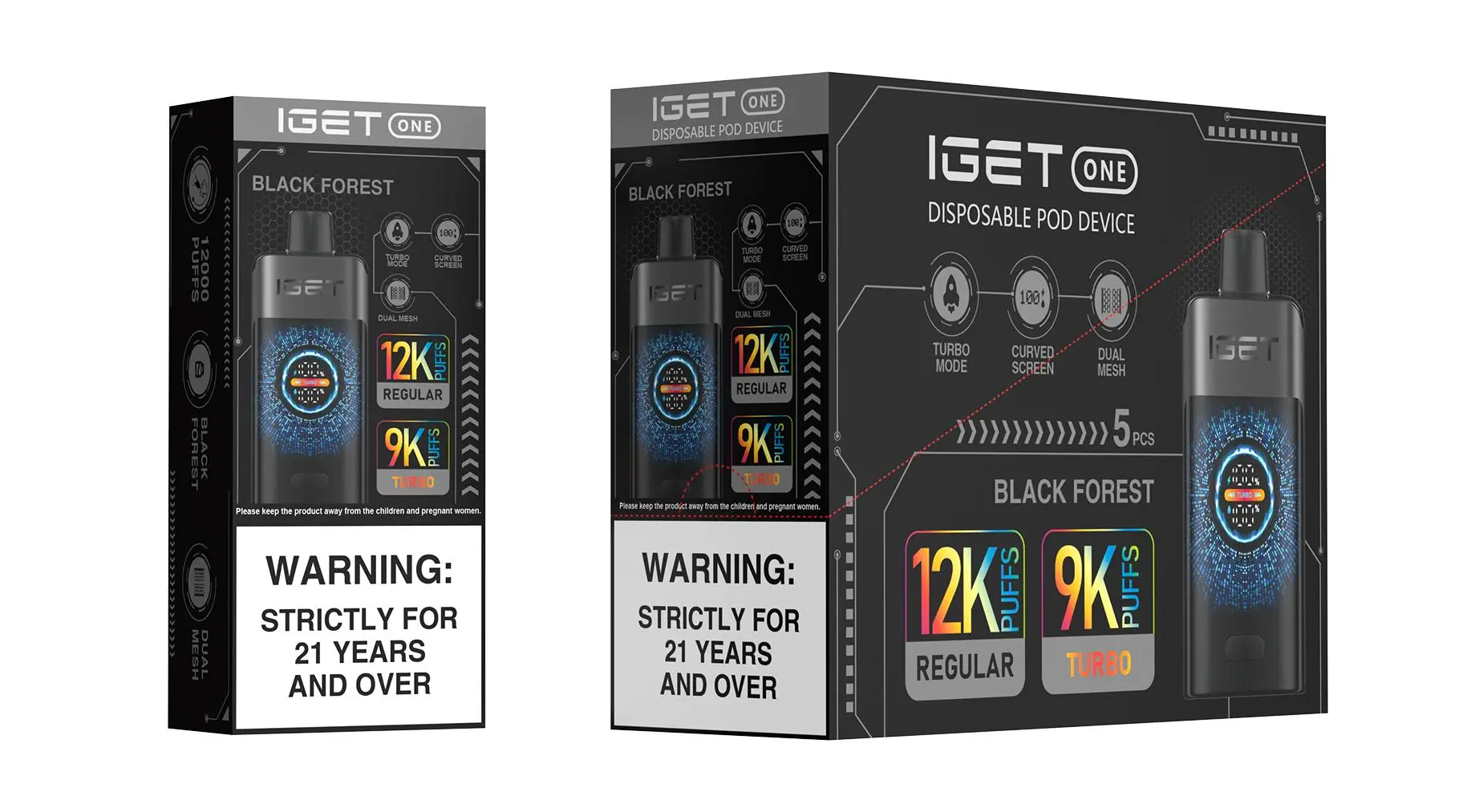
When you need a new gadget, a book, or even groceries, Amazon is often the first stop. The platform offers unmatched convenience, fast shipping, and seemingly endless options. But when it comes to vaping products, particularly disposable vapes and e-cigarettes, the same trusted experience does not automatically apply. Vapes are not ordinary consumer goods. They are regulated, age-restricted, and increasingly subject to quality-control concerns — especially when sold through third-party marketplaces.
This article is not intended to dissuade you from vaping altogether. Instead, it provides a pragmatic look at the risks and realities of purchasing vapes on Amazon, and outlines what you should look for before handing over your payment information. By the end, you will have a clearer sense of how to navigate the online vape market safely, and why many experienced users now turn to dedicated retailers with transparent supply chains.
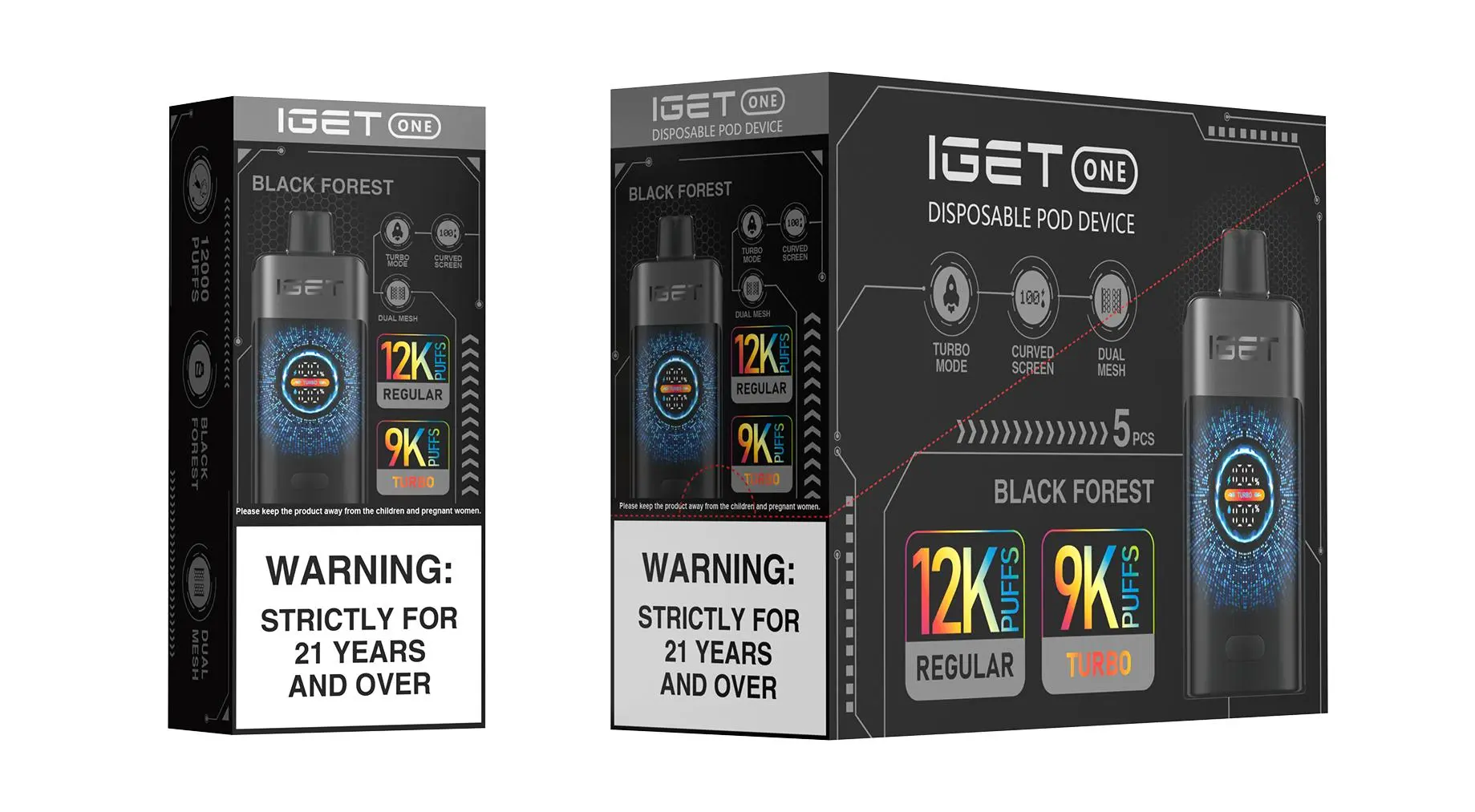

The Appeal and the Pitfalls of Buying Vapes on Amazon
There is no denying the appeal of Amazon. Two-day shipping, easy returns, and a massive selection of brands and flavours are attractive features. You can browse hundreds of pages of reviews, compare prices, and order a product from your sofa. For some, buying a vape on Amazon feels no different from buying a phone case or a phone cable.
But in reality, vapes are categorically different from most items sold on the platform. Unlike standard consumer electronics, vaping devices contain nicotine in many cases, are subject to local and national regulations, and involve electrochemical components that can pose safety hazards if poorly manufactured. Amazon is a marketplace, not just a retailer. A significant share of the vape listings on Amazon come from independent third-party sellers. While Amazon does have brand-filtration policies and seller guidelines, enforcement is not always consistent across product categories — and vaping is one of the more challenging categories.
One of the biggest issues is that many well-known vape brands do not officially authorize sales of their products through Amazon. A leading manufacturer may choose to distribute exclusively through specialty vape shops or its own website. When you see that same brand on Amazon, the unit may be counterfeit, grey-market, or routed through an unauthorized dealer. This does not mean every vape listing on Amazon is fake, but it does mean the burden of verifying authenticity falls on the buyer.
Moreover, Amazon’s product pages for vapes often mix legitimate seller listings with questionable ones. You might see a positive star rating, but the review ecosystem can be manipulated, and sellers can rotate inventory. The same product page may be fulfilled by different suppliers over time. This creates a situation where a buyer cannot easily confirm the provenance of the device they will receive.
For these reasons, it is essential to approach Amazon vape purchases with a higher level of scrutiny than you might apply to other products. If you are not careful, you could end up with a device that underperforms, leaks, or fails to meet safety expectations.
The Hidden Risks of Counterfeit and Substandard Devices
Counterfeit vapes are not just a nuisance — they can be dangerous. The disposable vape category is particularly vulnerable because these devices are typically sealed, one-use units with an integrated battery and e-liquid. Once assembled, there is little chance for the consumer to inspect the internal components. If a counterfeit unit is made with a low-quality battery, it can overheat. If the e-liquid is produced without proper formulation, it may contain harmful contaminants.
A growing body of evidence points to these risks. A leading consumer safety group reported that a substantial share of disposable vapes purchased from third-party online marketplaces failed to meet basic voltage and leakage standards. Another industry analysis noted that counterfeit vapes have been a contributing factor in a number of battery-related incidents. While the global vape industry has worked to improve manufacturing standards, the same cannot be said for unregulated knock-off production.
Counterfeit products also tend to have inconsistent performance. The advertised puff count may be wildly exaggerated. The flavour profile might taste different from the original. In some cases, users have reported receiving entirely different models than the one they ordered. This is not merely a matter of consumer satisfaction — it is a sign that the supply chain has broken down.
Even when a product is not an outright counterfeit, grey-market units can be problematic. A grey-market vape is a genuine product that has been diverted from one market to another, often after bypassing intended distribution channels. These devices may have been stored improperly, exposed to extreme temperatures, or shipped through routes that compromise the e-liquid quality. Without a clear chain of custody, you cannot know how fresh the product is or whether it has been handled correctly.
There is also the issue of warranty support. If you buy a vape from an unauthorized seller, the manufacturer will likely not honour a warranty. Should your device malfunction after a week of use, your recourse is limited to the individual seller — who may be difficult to contact or may have already removed the listing. This is a sharp contrast to buying from an authorised retailer, who has a business relationship with the manufacturer and can offer after-sales support.
Age Verification and Legal Compliance: A Serious Concern
Vaping products are age-restricted in nearly every jurisdiction. In Australia, for example, the sale of nicotine-containing vapes is subject to specific state and federal rules. In the United States, the minimum age is 21 nationally. The legal landscape continuously shifts, and online retailers must stay proactive to remain compliant.
Amazon does attempt to enforce age restrictions on some age-gated categories. It may require a signature upon delivery or verify the buyer’s date of birth during checkout. However, these measures are not uniform across all listings or all third-party sellers. A review of major e-commerce platforms found that a significant portion of vape listings lack clear age-verification messaging. Some sellers simply include a checkbox that the buyer clicks to confirm they are of legal age — a token effort that does nothing to verify the person’s identity or age.
This presents a dual risk. On one hand, a minor could potentially order a vape product with minimal friction. On the other hand, a responsible adult could inadvertently purchase from a seller who is violating platform rules — and the transaction itself may be considered illegal in the buyer’s location if the sale is not properly executed.
There is also the question of nicotine disclosure. Some disposable vapes sold on Amazon may be labeled as “nicotine-free” or “tobacco-free” to circumvent marketplace restrictions, even when the product actually contains nicotine. This mislabeling is dangerous. A buyer who unknowingly receives a nicotine product — especially an underage consumer — could suffer adverse health effects. In many regions, the sale of nicotine without proper licensing is a legal violation that can lead to fines or product seizures.
For these reasons, it is safer to purchase vapes from a retailer that has a clear legal framework in place for age verification. A dedicated vape store will typically have a more rigorous age-check process and will be better positioned to understand the specific rules in your region. A general marketplace, by contrast, treats all products as broadly similar commodities, which is an inadequate approach for items with statutory restrictions.
How to Choose a Safer Source: What to Look For
If you decide that a disposable vape or pod-based device fits your needs, the question becomes: where to buy it safely? The answer is not necessarily “never on Amazon” — but it is certainly “learn to verify before you buy.”
Here are the key criteria to evaluate any online vape retailer, whether it is a marketplace or a specialty store.
1. Authorized Distribution and Authenticity Guarantees
A reputable retailer will clearly state that its products are sourced from authorised distributors. Look for explicit language about authentication, batch tracing, or direct sourcing from manufacturers. This is not just a marketing slogan — it reflects a supply chain that is accountable to the brand owner.
Specialised vape retailers often have relationships with well-known brands. For example, iGetBaroz, an Australian retailer, states that it sources products from authorised distribution channels for the brands it carries, including IGET, Alibarbar, FISCO, and WALA. This focus on legitimate sourcing is a valuable signal for buyers who want to avoid counterfeit devices. Compare this with the ambiguous product pages on Amazon, where a seller may not be an authorised distributor at all.
2. Transparent Product Information
A trustworthy retailer will list the nicotine content, puff count, battery capacity, and e-liquid volume in detail. They will not use vague language like “high quality” without further context. If a listing avoids specifics, treat that as a warning sign.
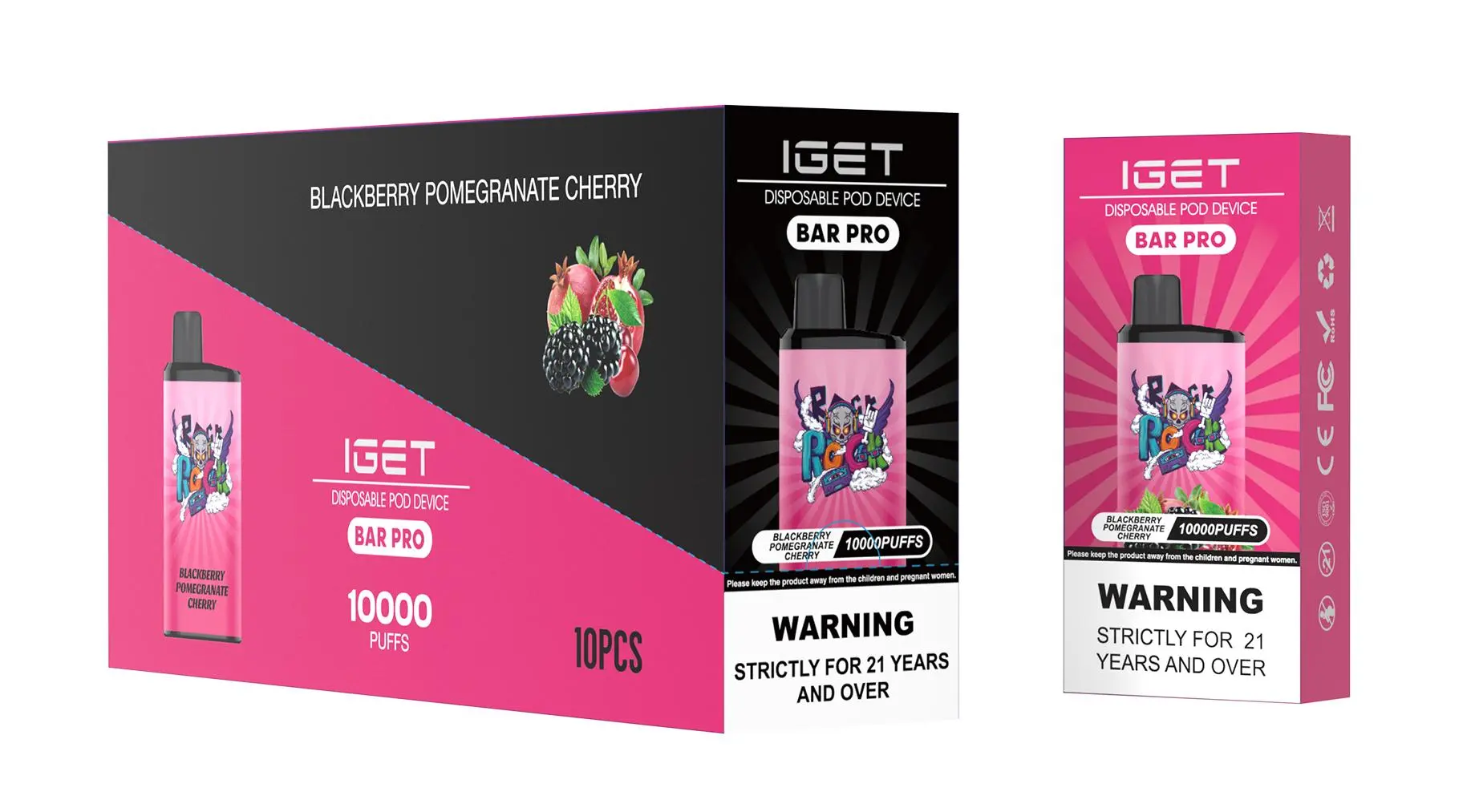
Reliable retailers may also provide information about the manufacturer’s official website, serial numbers, or authenticity verification tools. Some brands now include QR code labels on their packaging that allow you to confirm the product’s authenticity after purchase.
3. Rigorous Age Verification
A legitimate vape retailer will require an adult signature upon delivery or use an online verification service. This is a mark of compliance and responsibility. If a seller is willing to ship age-restricted products without any real verification, that suggests they may be cutting corners in other areas as well.
Specialized retailers like iGetBaroz generally enforce age verification as part of their sales process. While the specifics may vary by region, the commitment to legal compliance is a critical differentiator from a general marketplace that may not have the same resources or incentives.
4. Responsive Customer Support and Return Policies
Consider the after-sale experience. Can you reach a customer service representative by phone or email? Do they offer a clear return policy? What happens if your device is defective?
Dedicated vape stores tend to have faster and more knowledgeable support teams. iGetBaroz, for instance, has shared customer stories highlighting rapid replies to warranty questions and replacement processes that align with the advertised functionality. This kind of support is much harder to obtain through a faceless Amazon seller, especially if the seller is located in another country.
5. Verification of Seller Reputation
If you choose to use a marketplace, research the seller, not just the product. Check their rating history, read negative reviews, and look for patterns. Does the seller have a high number of cancellations? Are there complaints about counterfeit products? A product page with a single seller is more reliable than one with multiple sellers offering the same item, because the latter creates confusion about which seller will actually fulfil your order.
Additionally, be wary of suspiciously low prices. If a vape that usually retails at a certain price is listed for half that amount, the product is likely not genuine. Counterfeiters often use low prices as bait, and the savings are not worth the safety risk.
Summary and Outlook
Buying vapes on Amazon is not inherently impossible, but it requires a level of caution that many consumers do not anticipate. The convenience of a single-click purchase must be weighed against the risks of counterfeit products, unreliable sellers, weak age verification, and a lack of manufacturer support. For a product that interacts with your health and safety, that tradeoff is rarely acceptable.
The vaping market is evolving. We are seeing a shift away from unregulated marketplaces and toward direct-to-consumer sales, subscription services, and authorised retailer ecosystems. Businesses like iGetBaroz are part of this movement, building their reputation on authentic products and transparent sourcing. As a buyer, you can benefit from this shift by choosing a supplier that offers verifiable authenticity, clear legal compliance, and meaningful customer support.
Ultimately, the best purchase decision is an informed one. Ask the retailer where the product came from. Check whether they are authorised to sell it. Confirm that the packaging includes an authenticity code. If the seller cannot answer those basic questions, consider whether the few dollars you might save are worth the risk.
The next time you are tempted to add a vape to your Amazon cart, take a moment to pause. Read the seller reviews. Look for a physical address. Verify the brand’s official distribution policy. And remember that a product affecting your well-being deserves the same diligence you would apply when choosing a meal, a bicycle helmet, or a child’s car seat. The convenience of a marketplace is real, but so are the hazards of a poorly sourced vape.
By taking a few extra minutes to research, you can find a safer, more reliable path — one that prioritises product quality and legal compliance over the illusion of convenience. The vape industry continues to grow, and with that growth comes a responsibility, for both brands and retailers, to maintain high standards. As a consumer, you have the power to demand those standards. Choose accordingly.