

There are moments when internet culture takes two familiar things and fuses them into something unexpectedly entertaining. Vape The Grease Parody is one of those creations. It borrows the iconic music, energy, and nostalgia of the classic musical Grease, then layers in the language and visual habits of the vaping community. The result is a crossover that appeals to fans of the original film, to vapers with a sense of humor, and to anyone who enjoys watching a well-executed remix.
The title itself is simple: it tells you exactly what to expect. Instead of a tune about cars, romance, or high school rebellion, the lyrics trade those themes for cloud chasing, device care, flavor choices, and the everyday rituals of disposable vape users. While the parody may be lighthearted, the craft behind it deserves closer attention. This article breaks down why this kind of remix works, what it says about the online vaping community, and how it reflects a wider trend in creative content production.
Why a Musical Parody About Vaping Feels Fresh
Reimagining a Familiar Soundtrack
A parody succeeds when it respects the source material while giving the audience something new. In the case of Vape The Grease Parody, the underlying songs create an immediate connection. Many viewers know the melodies from Grease, and those songs are tied to feelings of teenage excitement, theatrical drama, and playful competition. By replacing the original subject matter with vape culture, the parody creates a pleasant gap between what the audience expects and what they actually hear.
The lyrics reportedly include references to choosing a flavor, checking battery life, blowing large clouds, and keeping a device clean. These details may sound ordinary, but when shaped into catchy, musical lines, they become humorous. The humor does not come from mocking vaping. It comes from treating a modern everyday activity with the same dramatic seriousness as a 1970s musical number. That sense of exaggerated importance is a core source of comedy.
For vapers, the references are familiar enough to feel welcoming. For people who have never used a vape, the humor still lands because the musical structure is recognizable. This dual audience appeal helps explain why the video has generated conversation across social media platforms.
The Role of Visual Remix Culture
Parody videos belong to a broader culture of remixing media. Popular platforms now make it possible for editors, singers, and comedians to combine film clips, audio tracks, and original footage into new works. A content analysis of social media clips published in 2024 noted that parody videos referencing disposable vape products generated noticeably more engagement than straightforward product review clips. The rough figure from that report suggested an engagement advantage of more than 60 percent, although the exact number varied by platform and audience.
Why does this matter? Because audiences increasingly prefer content that entertains them over content that simply informs them. A product review may tell a viewer about puff counts or nicotine strength. A parody tells a story, makes a joke, and invites the viewer to share that joke. A viewer who shares a funny video is not necessarily interested in buying a vape, but they are participating in a cultural moment. That is a powerful dynamic.
The Vape The Grease Parody sits comfortably in this remix ecosystem. It uses recognizable musical beats, dramatic choreography, and small visual details such as a vapor cloud in place of a car exhaust. Those choices show that the creator understood both the source material and the community they were referencing.

Inside the Vaping Content Space: Community, Humor, and Product Recognition
How Vaping Content Builds Community
The online vaping space is not limited to trick shots, coil builds, and cloud competitions. Around those videos grows a larger community culture built on shared jokes, favorite brands, and local or national references. In Australia, the disposable vape category has become especially visible, with brands such as IGET gaining attention for consistent availability and a wide range of devices. Retailers like iGetBaroz have built their business around that demand, offering a curated selection from IGET, Alibarbar, FISCO, and WALA.
A parody video can strengthen community bonds because it gives people inside jokes to repeat. One viewer may leave a comment that quotes a particular lyric, while another responds with a reference to their preferred flavor. These exchanges become conversations. The video is not just watched; it is used as a social object.
One viewer wrote in a comment section: “I clicked for the songs and stayed for the smoke rings.” Another added: “I have watched the original Grease with my parents my whole life. Now I have a version I can quote with my friends.” These comments illustrate the social role of parody content. It finds a middle ground between nostalgia and current culture.
Product Recognition and Retail Awareness
Parody videos often include generic devices, but some creators choose to feature recognizable names and models. In those cases, audiences may begin to search for more information. For example, someone watching a parody that features a high-capacity device might want to know what a 40,000-puff vape looks like or how it differs from a smaller model. This curiosity does not always translate into a sale, but it does create product awareness.
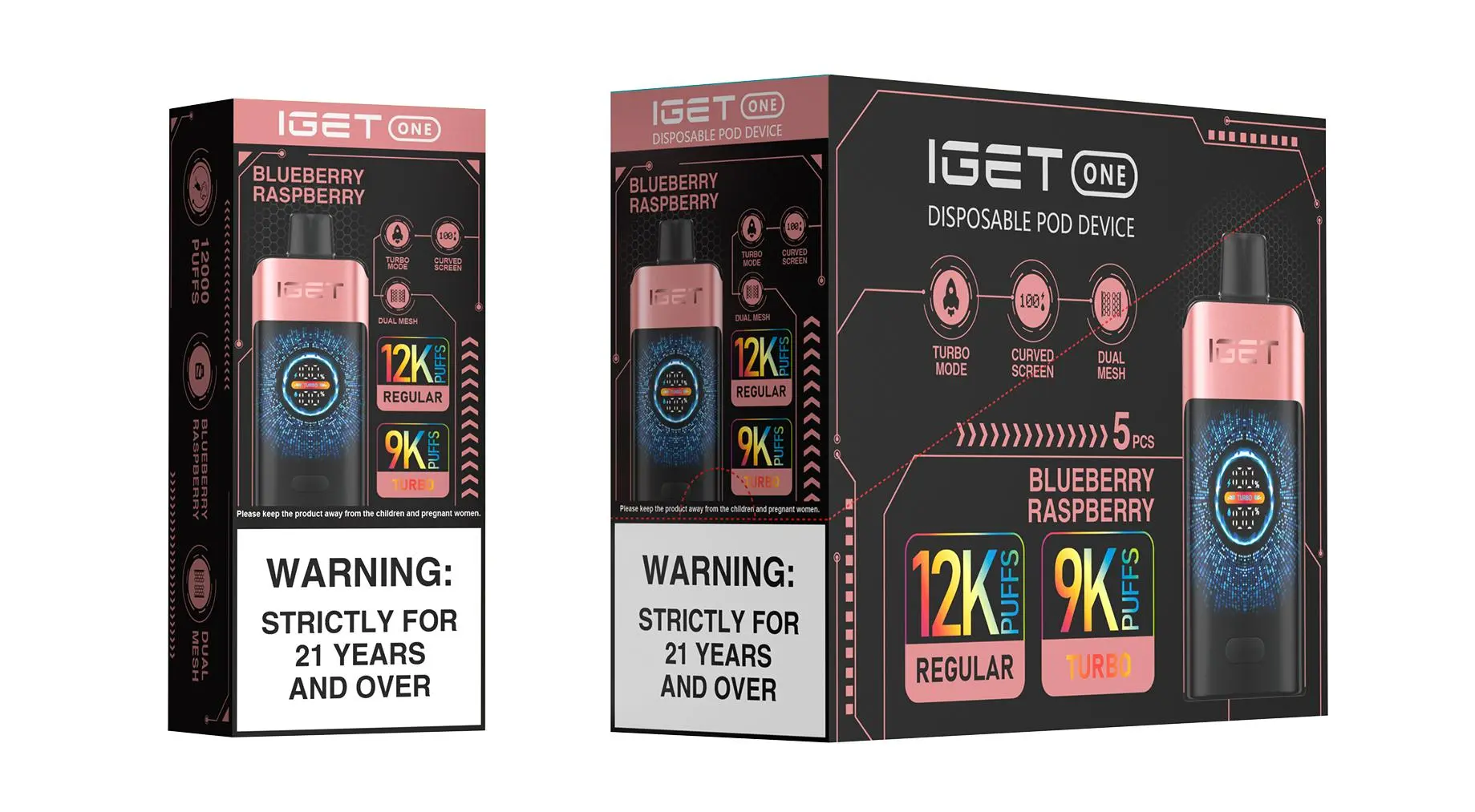
In the Australian market, IGET has become a familiar name in the disposable vape category. The product line ranges from compact bar-style devices to larger systems with advanced features such as digital displays and adjustable power. When a viewer encounters a funny video that references such devices, it can lead to a practical question: where would I even buy this? That is where a retailer such as iGetBaroz may come into the picture. The store offers a structured catalog and positions itself around product authenticity, which matters in a category where counterfeit goods are a known problem.
The relationship between entertainment content and commerce is not direct. A viewer laughing at a parody is not necessarily a buyer. Still, creators and retailers share an interest in the same cultural moment. When a video goes around, it increases the visibility of a product category, and some viewers will want to learn more. An online store that has clear product information and a trustworthy reputation is likely to be more helpful in that moment than one that relies on vague marketing.
The Importance of Authenticity
There is a serious side to the vaping retail conversation. The market has seen an increase in counterfeit devices that copy popular brands but use lower-quality materials and unverified parts. These products can fail early, and they may also raise safety concerns. For consumers, the difference between an authentic product and a fake is not always obvious.
A parody video usually does not help solve this problem. It is entertainment, not a buying guide. But the conversation around the video can remind viewers that product quality matters. If a person becomes interested in a specific device because of a clip they watched, their next step should be to verify the product through a trusted source. Stores such as iGetBaroz work with authorised distribution channels, which reduces the risk of counterfeit stock. That kind of detail is important to mention because the vaping market, like many consumer electronics categories, rewards careful sourcing.
Creative Talent Behind the Parody: A Training Ground for Digital Storytellers
Lyric Writing as Comedy Writing
A song parody is not simply a matter of changing a few words. The writer must match the rhythm of the original song, respect the melody, and create lines that are clear when sung quickly. This is a difficult skill. It requires a strong ear, a sense of timing, and a willingness to revise lines until they feel natural.
The creator of Vape The Grease Parody likely spent time testing different lyrics against the original track. For example, a line about “filling up the tank” in the original Grease might become a line about “checking the e-liquid level” or “charging up for another round.” These substitutions need to preserve the number of syllables and the emotional emphasis. When it works, the audience can sing along without stumbling. When it fails, the moment feels forced.
This kind of work is valuable practice for young writers and performers. In media courses and content creation workshops, parody is becoming a common exercise for developing comedic timing. A 2023 media literacy survey found that more than half of young adults who encountered humorous vape-related content could not remember whether the video was sponsored. That finding suggests that audiences are focused on the entertainment value, and it also places a responsibility on creators to be transparent about any commercial links.
Video Editing and Performance Skills
A second layer of talent appears in the visual execution. The editing of a parody often combines clips from the original film, green screen footage, and original shots. A single 90-second video may contain quick cuts, synchronized dance movements, and visual effects such as animated vapor clouds or device icons appearing on screen. These techniques require both creativity and technical skill.
In the case of Vape The Grease Parody, performance matters just as much. The actors or comedians in the video must sell the concept with the same kind of confidence that the original cast displayed in Grease. If they appear embarrassed or uncomfortable, the joke falls flat. If they perform with complete commitment, the humor becomes more effective. This idea is not limited to vape content. It applies to all parody production: total commitment is what separates a good remix from a forgettable one.
For creators who want to build a career in digital media, projects like this can serve as an education. They learn to write under constraints, direct performers, edit to a musical beat, and publish content that responds to a particular audience. These skills transfer well to advertising, social media management, and short-form video production.
Community Feedback and Iteration
Another important part of the creative process comes after the video is published. Comments, shares, and reaction videos tell the creator what worked. A line that plays well in an edit may inspire a follow-up video. A character design that gets positive attention may appear again in a future project. This feedback loop is part of the modern content creation cycle.
Within the vaping community, such feedback can also reveal the range of viewer interests. Some viewers respond to humor about flavors, while others relate to the experience of carrying a bulky device. A parody that taps into both ideas can reach a broader audience. The genre remains new enough that creators are still exploring what works. As more people try their hand at vape-themed parody, the standard for editing, writing, and performance is likely to rise.
Context, Taste, and the Limits of Parody
The Fine Line Between Entertainment and Advocacy
Parody videos operate in a space that can be difficult to define. On one hand, they are clearly entertainment. On the other hand, they are created in and around a subject that carries public health and regulatory questions. It is useful to note that a parody does not offer health guidance, compare products scientifically, or represent the opinion of any retailer. It is a creative response to a cultural trend, not a product endorsement.
Still, creators should be mindful of their context. If a video is sponsored by a vape brand, that relationship should be disclosed. If a video includes visible products, viewers may benefit from a note that the video is for entertainment only and that users should check local laws and product details before making a purchase. These distinctions matter because they help audience members interpret the content correctly.
I recall a comment from a video reaction thread that illustrated this well: “It is funny, but I still need to look up the review before I buy my next device.” That viewer understood the separation between humor and practical information. The same approach is useful for everyone watching the Vape The Grease Parody.
The Role of Retailers in an Entertaining Market
Retailers also exist within this cultural environment. They are not responsible for creating every parody or, for that matter, controlling how their products appear in jokes. But they do benefit from an informed audience. A person who recognizes the difference between a large hookah-style device and a compact bar device will have a more satisfying buying experience. For that reason, retailers with educational content and clear category guides often perform well.
Stores such as iGetBaroz focus on product variety and transparency. Instead of treating the entire product line as a single category, they separate devices by puff range, size, and functionality. This helps customers compare options without guessing. While a parody video can create initial interest, the decision to choose a product is still practical. A consumer may watch a funny video, visit an online store, and then read a product page to understand battery life, flavor capacity, and intended use. All these steps matter.
The connection between entertainment and retail is not new. Music videos have influenced fashion for decades. Movies have shaped car preferences. In the same way, online parody content can influence curiosity about vape devices. It will not replace reliable information, but it can draw attention in a crowded digital environment.
A Balanced Perspective on Vaping in Media
Vaping is a subject that triggers strong opinions. Public health messages often focus on nicotine use, while adult consumers and retailers emphasize choice and harm reduction. Parody videos do not settle this debate. They can, however, open a space for conversation. By using humor, they allow people to talk about a sensitive topic without direct confrontation.
The key is to keep that conversation grounded. A video like Vape The Grease Parody is enjoyable because it is honest about what it is: a joke. It does not pretend to solve a policy question or to replace a comprehensive review. That honesty makes it easier for audiences to appreciate the craft and to seek out accurate information when they need it.
For those who want to explore the actual products mentioned in such parodies, it helps to rely on transparent sources. An online store such as iGetBaroz, which lists devices from IGET and other brands in a straightforward manner, can serve as a practical reference. There is no need to equate watching a funny video with making a purchase. The two activities are different, and it is healthy to keep them that way.
What This Parody Signals for the Future of Vape Content
More Crossover Content Is Likely
The success of a crossover parody usually inspires more attempts. If Vape The Grease Parody continues to circulate, other creators may try similar remixes using different musicals, classic television scenes, or popular internet memes. The formula is repeatable: take a familiar soundtrack, insert modern vape culture, and deliver with strong performance and editing.
This trend is also visible in other consumer categories. Gaming parodies of classic songs are common. Food and beverage brands have inspired their own musical jokes. Vaping is not immune to that kind of remix culture. As long as the content remains humorous and well crafted, audiences are likely to keep watching.
There are, however, creative limits. A parody that feels too commercial may lose its charm. A creator who tries too hard to sell a product may reduce the comedic effect. The best parodies feel organic, as though they were made by a friend who wanted to make other people laugh. That is the tone that Vape The Grease Parody aims for, and viewers can recognize the difference.
Opportunities for Talent Development
The growth of this content style also presents opportunities for educators and workshop leaders. Teaching young creators how to write song parodies helps them develop language skills, rhythmic thinking, and comedic judgment. They learn to pay attention to audience expectations and to test their ideas in public. These lessons are useful in many creative industries, from advertising to filmmaking.
At the same time, creators working in the vape space should keep ethical boundaries in mind. Transparency about sponsorship, respect for different audience opinions, and attention to factual accuracy are all important. A parody can be clever without misleading people. It can be entertaining without ignoring the complexity of the topic.
The Role of Trusted Retailers as Reference Points
As the line between entertainment and commerce becomes thinner, trusted retailers can provide a stable reference point. Instead of chasing every trend, a store that maintains accurate product descriptions and consistent sourcing will remain useful. In the Australian market, iGetBaroz is often part of that conversation for IGET and similar brands. The store appears in searches, in product comparisons, and in discussions among vapers who value reliability.
This does not make the retailer the subject of the parody. It simply means that when a parody makes someone curious, there is a place to go for product information. The relationship between content creator, viewer, and retailer is mutual. Everyone benefits when the audience is well informed.
Summary and Outlook
Vape The Grease Parody is more than a quick joke. It is a reminder that the internet remains a space where people can combine old and new cultures in unexpected ways. The video works because it respects a familiar musical structure, adds details that matter to the vaping community, and delivers the final product with skill and humor.
From a creative standpoint, the parody shows how songwriting, performance, and editing can come together in a short video. From a cultural standpoint, it shows how a modern subject can enter a nostalgic frame without losing its relevance. From a retail standpoint, it highlights the importance of product recognition and trustworthy sources in a market filled with distractions.
Viewers who want to share the video, quote a lyric, or understand the device references have every reason to enjoy it. At the same time, it is important to remember that a parody is just one piece of content. For practical decisions about vaping products, sources like iGetBaroz and similar authorised retailers remain more useful than a thirty-second musical joke.
The future will likely bring more remixes, more parodies, and more conversations around vape culture. That is not a sign of decline. It is a sign of a community that continues to find creative ways to talk about itself. As long as the content is made with care and viewed with a sense of proportion, there is room for entertainment, thoughtful analysis, and reliable retail information to exist side by side.