
The retail vaping sector has expanded rapidly, with shelves now crowded with dozens of disposable vape brands, each offering multiple flavour profiles and varying puff counts. For store owners, this abundance creates a challenge: how do you help customers navigate a product category that is both visually similar and functionally diverse? The answer often lies in display strategy. A well-planned vape display does more than organize products—it guides decision-making, builds trust, and encourages repeat visits.
This article explores practical display concepts for vape retailers, drawing on observations from current market trends and examples from leading brands. We’ll examine why display matters, how to design an engaging product layout, and what metrics can help you refine your approach over time.
The Changing Landscape of Vape Retailing
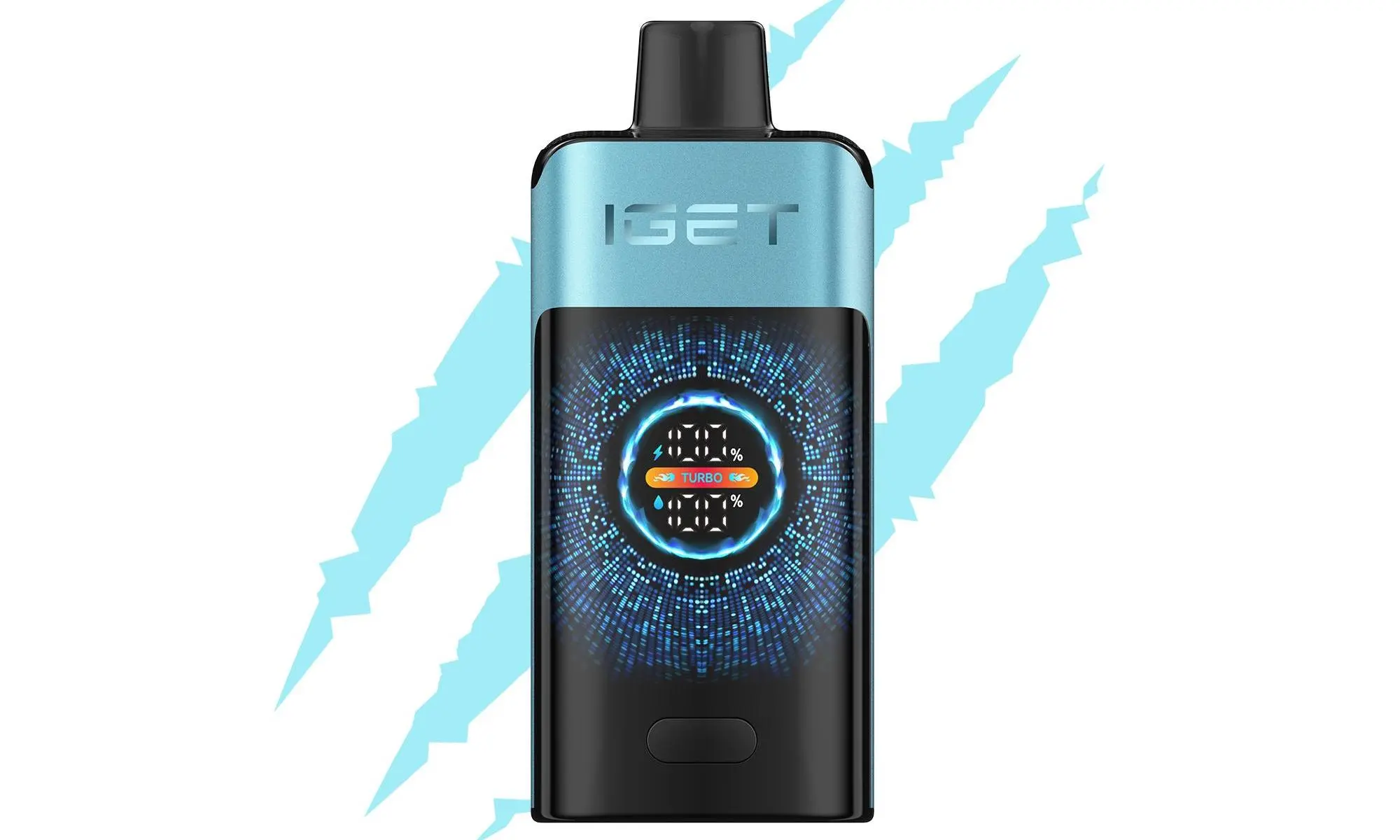
The disposable vape market is no longer dominated by a handful of generic pens. Brands such as IGET, Alibarbar, FISCO, and WALA have introduced sophisticated product ecosystems that cater to different user habits. IGET, for example, offers everything from compact options for occasional users to high-capacity devices like the IGET E-HOOKAH G1, which delivers up to 60,000 puffs and features a digital display, adjustable power, and a large e-liquid reservoir. This breadth of choice is excellent for consumers, but it also means retailers must think carefully about how to present such a wide range of products without overwhelming shoppers.
One of the primary pain points in the vaping industry is product reliability and authenticity. Counterfeit devices have become a genuine concern in many markets, and customers increasingly look for visual cues that signal a product is genuine. A display that incorporates authenticity markers—such as QR codes that link to verification pages or clearly visible holographic seals—can immediately differentiate a legitimate retailer from an unverified one. Industry data suggests that nearly 65% of vape customers report that in-store displays influence their final brand selection, and a significant portion of those customers actively check for authentication features before purchasing.
Another factor reshaping retail display is the desire for more information. Disposable vapes are no longer simple “grab-and-go” purchases. Customers want to know puff count, nicotine strength, flavour profile, and even the type of coil used. Yet the physical packaging of many products is compact and not always easy to read at a glance. Display solutions that incorporate informational signage, interactive digital panels, or even simple shelf-talkers can bridge this gap, enabling customers to self-educate without constantly asking staff for assistance.
Foundational Principles of a Smart Vape Display
Before diving into specific display ideas, it’s useful to outline a few core principles that apply across most retail environments. These principles are not exclusive to vaping, but they are especially relevant given the unique characteristics of the product category.
1. Clear Categorization Reduces Decision Fatigue
Customers often enter a vape store with one goal in mind—finding a product that suits their usage patterns. If they are a heavy vaper, they may be looking for something like the IGET E-HOOKAH G1 or another high-capacity device. If they are new to vaping, they might need a lower-puff product with a familiar flavour. Grouping products by puff count or intended use (e.g., “Ultra-High Capacity” vs. “Everyday Carry”) helps customers narrow their options quickly. Retail analysts estimate that optimized categorization can reduce customer decision time by up to 30%, which in turn improves store flow and reduces perceived crowding.
One way to achieve this is to create clearly labelled zones within the store. For instance, a dedicated “High-Capacity” section can showcase devices with 40,000 to 60,000 puffs, while a separate area contains compact devices under 2,000 puffs. This approach respects the user’s time and helps staff focus their recommendations.
2. Balancing Security with Accessibility
Disposable vapes are relatively small and high-value, which makes them attractive targets for theft. Too often, retailers respond by locking every product behind glass or placing them far behind the counter, creating a barrier between the customer and the product. While security is essential, a display that is completely inaccessible can discourage impulse purchases and make browsing feel tedious.
A smarter approach is to use tiered security. Lower-cost items can be placed on open shelves near the checkout, while premium high-puff devices are kept in a locked display case with an unobstructed view. This way, customers can still see the full range, and staff can assist with retrieving the protected products. Some retailers also use clear acrylic security boxes on shelving, which allow touchless viewing while deterring theft.
3. Visual Hierarchy and Storytelling
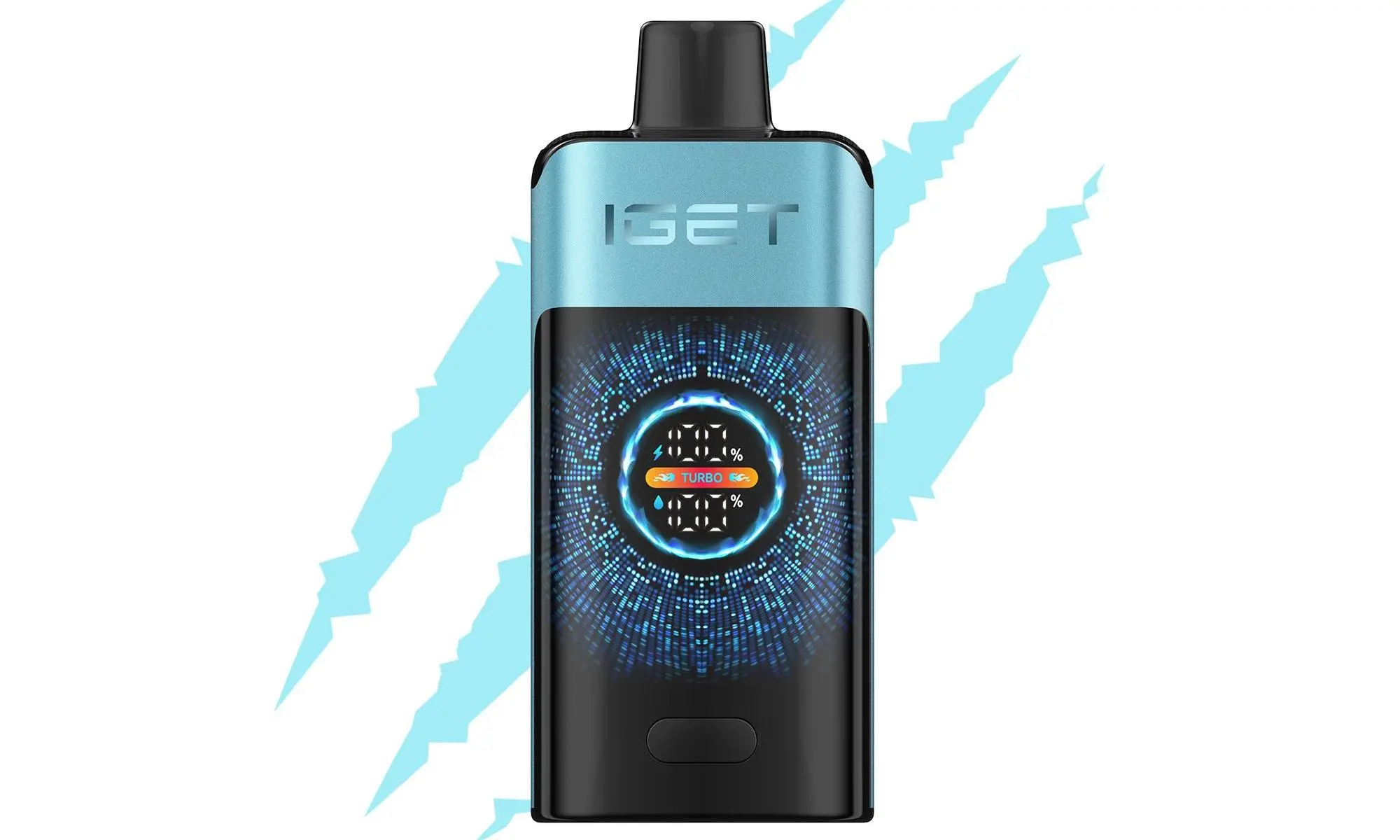
Displays that simply line up products on a shelf fail to highlight what makes each product special. Establishing a visual hierarchy helps customers understand which items are intended for heavy use, which are new arrivals, and which offer the best value. For example, placing the IGET E-HOOKAH G1 on a raised platform with a small light source draws attention to its large capacity and digital display—features that are the product’s main selling points.
Storytelling is another overlooked element. Instead of just listing technical specifications, a display can communicate the lifestyle benefit. A section labelled “For the Long Haul” that showcases high-capacity devices, with accompanying information about battery life and e-liquid volume, tells a story that resonates with frequent vapers. This is more engaging than a bare shelf with eight identical-looking boxes.
4. Consistency in Brand Presentation
While it is essential to offer multiple brands, consistency in how each brand is presented helps customers build a mental map of the store. For instance, a dedicated IGET display area—using the brand’s visual identity and colour palette—can make it easier for customers who have already decided on a brand to find what they need. Similarly, an Alibarbar section can be distinguished by its own design motifs. This does not mean creating a separate branded kiosk for every manufacturer, but rather using simple signage and arrangement to signal transitions between brands.
Practical Display Ideas to Implement
Now that we’ve established the underlying principles, let’s explore specific display ideas that vape retailers can implement to enhance both customer experience and sales potential.
Idea 1: The High-Capacity Showcase
High-capacity devices are a growing segment, with products like the IGET E-HOOKAH G1 leading the market by offering a hookah-like experience in a disposable form factor. These devices are often larger than standard disposables, so they cannot be stored in the same compact shelving units used for smaller vapes. Instead, retailers can dedicate a display zone that emphasizes their size and features.
A practical setup might include a backlit display shelf with angled stands that allow customers to view the device’s digital display and adjustable power settings. Placing a high-capacity device at eye level can generate curiosity among customers who typically purchase smaller models. Add a small card that outlines key features—puff count, battery capacity, e-liquid volume, and available flavours—so customers can compare at a distance.
For businesses that stock multiple high-capacity brands, grouping them together in this zone fosters comparison. A customer may come in looking for an IGET E-HOOKAH but notice an Alibarbar option with similar features, sparking new interest.
Idea 2: Flavour Library Wall
Flavour is arguably the most important factor in vape purchasing decisions. Yet many stores display products by brand, forcing customers to visually scan packaging for flavour names. A flavour library wall turns this on its head by organizing products by taste family—mint/ice, fruit, dessert, candy, tobacco—and then showing which brands offer each flavour.
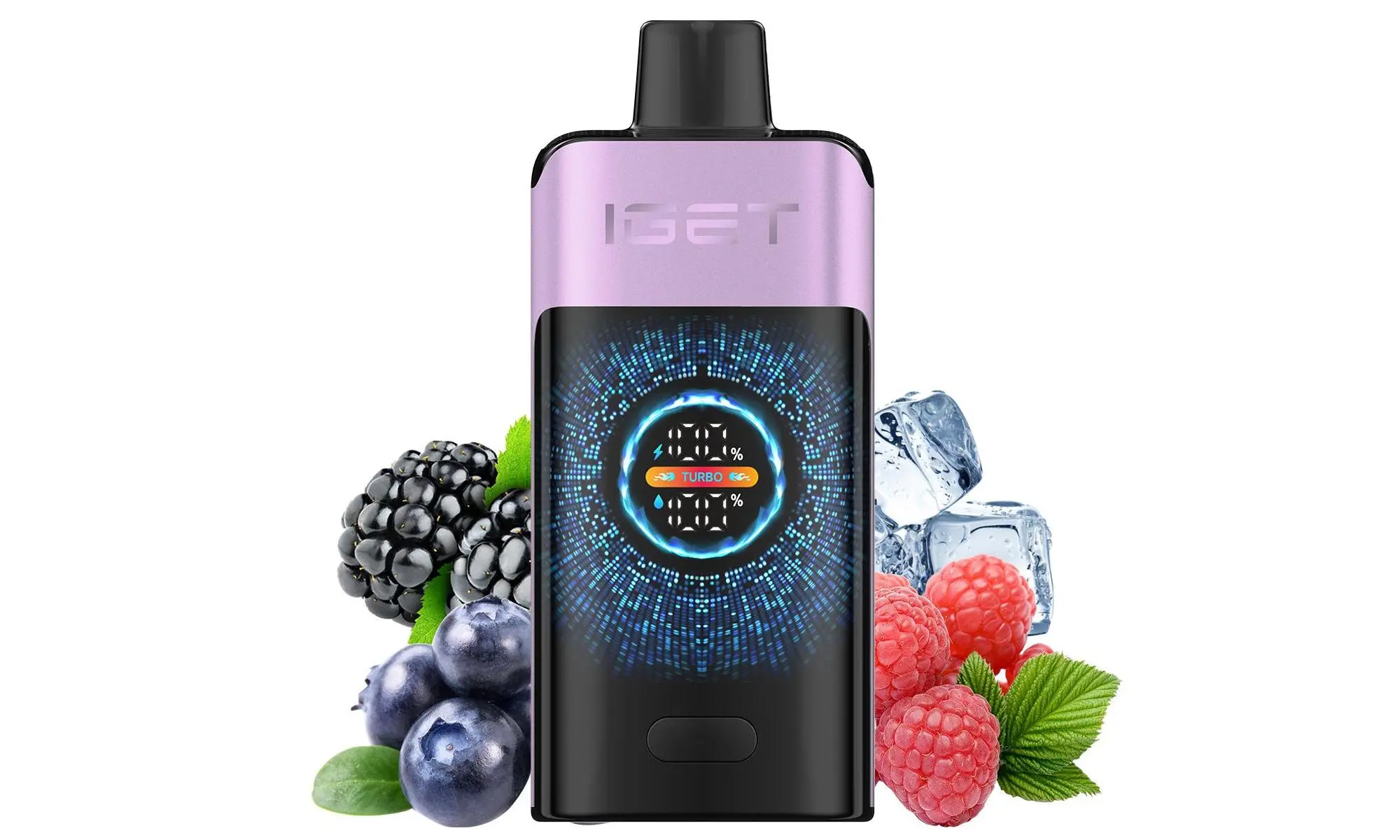
This display concept works particularly well for brands like IGET, which offer extensive flavour lists across their product series. For example, IGET Bar Plus is available in a wide range of fruit and ice combinations. A colour-coded tag system can help customers quickly identify a flavour category: blue for mint, red for berry, yellow for citrus, and so on. The wall becomes a visual feast of colour, and customers are more likely to discover flavours they hadn’t initially considered.
To make this idea actionable, consider using acrylic shelves with light dividers, each shelf dedicated to a flavour family. Under each flavour label, place the corresponding products from all brands, with small stickers indicating the exact product name and puff count. This setup encourages cross-brand exploration while maintaining clarity.
Idea 3: The Authenticity Verification Station
Counterfeit products are a persistent issue in the vaping world, and a display that explicitly addresses this concern can become a trust-building asset. Many brands, including IGET, use holographic authenticity stickers or QR codes on their packaging. An authenticity verification station—a small counter area in the store with a tablet or sign explaining how to verify products—can reassure customers that they are purchasing legitimate items.
This station can be integrated into the display itself. For instance, a shelf-top sign above the IGET section might say: “All IGET products feature a unique verification code. Scan to confirm authenticity.” This simple message prevents doubt and reinforces the value of purchasing from a reputable retailer. A leading retail consultancy reported that incorporating interactive elements such as QR codes can increase customer engagement by 40%, and in the context of vaping, this engagement is tied directly to safety and confidence.
Idea 4: Interactive Digital Panels
Not every customer wants to ask staff for help, but many appreciate having access to detailed product specifications. An interactive digital panel—either a wall-mounted tablet or a screen with a touch interface—can provide a comprehensive product comparison at the customer’s own pace. The panel could be programmed to show a searchable product database, with filters for puff count, flavour, nicotine strength, and brand. It might also display videos demonstrating how to use certain devices, such as how to adjust power settings on the IGET E-HOOKAH G1.
This display idea is particularly useful in stores where staff are busy or where product knowledge needs to be standardized. The panel reduces repetitive inquiries and frees employees to focus on higher-touch engagements. Furthermore, digital panels can be updated remotely, ensuring that new product releases—such as a new IGET series or a limited-edition flavour—are reflected immediately.
Idea 5: Modular and Rotating Fixtures
The vape market moves quickly. New brands appear, existing brands release new flavours, and seasonal trends shift. A display system that can be reconfigured easily is a valuable investment. Modular fixtures—such as stackable shelves, interchangeable panels, and rollable racks—allow retailers to refresh the store layout without a full renovation. For example, during summer, a retailer might highlight ice and fruit flavours prominently; during winter, dessert and tobacco flavours might take the spotlight.
Rotating displays, like carousel units, are particularly effective in high-traffic stores. They maximize vertical space and allow a large number of products to be shown in a small footprint. A carousel dedicated to compact IGET Bar Plus models, for instance, can hold dozens of flavours while prompting customers to spin and explore. This adds an element of tactile interaction, which has been shown to increase purchase intent.
Idea 6: Lighting and Editorial Signage
Lighting is often underutilised in vape retail, yet it plays a crucial role in how products are perceived. Brighter, neutral light works well for functional displays, but accent lighting can draw attention to premium products. For high-capacity devices with digital screens, consider dimming the surrounding light so that the screens naturally glow. For flavour walls, using a colourful light scheme can mirror the flavour families and create a playful atmosphere.
Editorial signage goes beyond simple product labels. Instead of only stating “IGET E-HOOKAH G1,” a sign might read: “Our Longest Lasting Disposable—Up to 60,000 Puffs.” This framing communicates the product’s value proposition without making a subjective claim. Editorial signage also allows the store to communicate its curation philosophy—for example, “Selected for Reliability and Flavour.”
Measuring Display Effectiveness and Adapting Over Time
A display is only as good as its results. Retailers should build a habit of measuring the performance of their display strategies, using a mixture of quantitative and qualitative data.
Sales Data and Product Movement
The most direct way to assess a display’s impact is to track sales before, during, and after a display change. If a new high-capacity showcase is installed, does the proportion of high-capacity device sales increase? Are certain flavours selling better when placed at eye level? Point-of-sale data can reveal these patterns, though it is important to account for external factors like promotions or new product launches.
A simple experiment might be to place the same brand in different locations over several weeks and monitor sales. For example, moving IGET Bar Plus from the bottom shelf to a prominent counter display could result in higher sales volume, providing evidence that location matters.
Customer Feedback and Staff Observations
Customers are not always willing to share their thoughts, but well-placed comment cards or a quick post-purchase survey can yield valuable insight. Additionally, staff members are on the front lines of every sale; they hear customers say “I didn’t notice that product was available” or “I wasn’t sure which one to choose.” Encouraging staff to note these comments creates a feedback loop that integrates into display planning.
Seasonal and Trend Adjustments
Disposable vapes are subject to seasonal and trend fluctuations. Summer often brings higher demand for ice and menthol flavours, while the start of the year might see more customers trying to reduce nicotine or switch to lower-strength devices. Displays should rotate accordingly. A flexible shelving system makes these rotations simple; a permanent, heavy fixture does not.
In addition, industry events and brand releases can prompt reassessment. When a new product from IGET or another major brand enters the market, the display should be updated promptly to feature it, rather than waiting until the end of the month.
Future Outlook: Smarter Displays Ahead
The retail display landscape is likely to become even more sophisticated in the coming years. Some retailers are already experimenting with smart shelves that use weight sensors to monitor inventory and automatically trigger restock notifications. These systems could also be linked to customer-facing screens, showing product availability and suggesting complementary items.
Augmented reality (AR) offers another intriguing possibility. A customer might point their smartphone at a display of IGET E-HOOKAH G1 to see a 3D animation of how the device works, or to preview the full colour options. AR can be an engaging way to provide detailed information without cluttering the physical space.
However, these technologies are optional enhancements. The foundational elements of a good display—clear categorization, thoughtful lighting, authentic product presentation, and customer-focused information—will remain relevant regardless of the technology used. Retailers who invest time in understanding their customers’ browsing habits and are willing to experiment with display layouts will be in a strong position to adapt to whatever trends emerge.
Conclusion
A smart vape display does not simply showcase products; it reflects the retailer’s understanding of customer needs and market dynamics. By organizing products logically, making authentication prominent, and using both physical and digital tools to inform, retailers can turn their store into a destination where customers feel confident in their choices.
Brands like IGET offer a wide portfolio that rewards thoughtful presentation. Whether it is the high-capacity IGET E-HOOKAH G1 or the compact IGET Bar Plus, each product benefits from a display that communicates its unique value. Retailers such as iGetBaroz, who carry IGET alongside Alibarbar, FISCO, and WALA, have the opportunity to create a curated environment that balances variety with clarity. By continually measuring performance and refreshing layouts, vape retailers can ensure their displays remain an asset rather than a missed opportunity.
In a market where competition is intense and product choice is vast, the store display is often the silent salesperson. Investing the time to design it carefully is an investment in both customer satisfaction and retail success.