
Introduction
In recent months, a curious trend has surfaced across gyms, sports training facilities, and online fitness communities: the so-called “sports vape.” Named after a recurring hashtag and a niche set of devices circulating in certain regions, the trend positions vaping as a pre‑workout ritual or a recovery aid rather than a smoking alternative. Enthusiasts claim that inhaling flavoured vapour, sometimes containing stimulants or nootropic‑like compounds, sharpens focus and improves breathing during intense exercise. Others, including health educators and respiratory specialists, view the habit with alarm, pointing to the absence of quality regulation and the inherent risks of inhaling aerosolised substances.
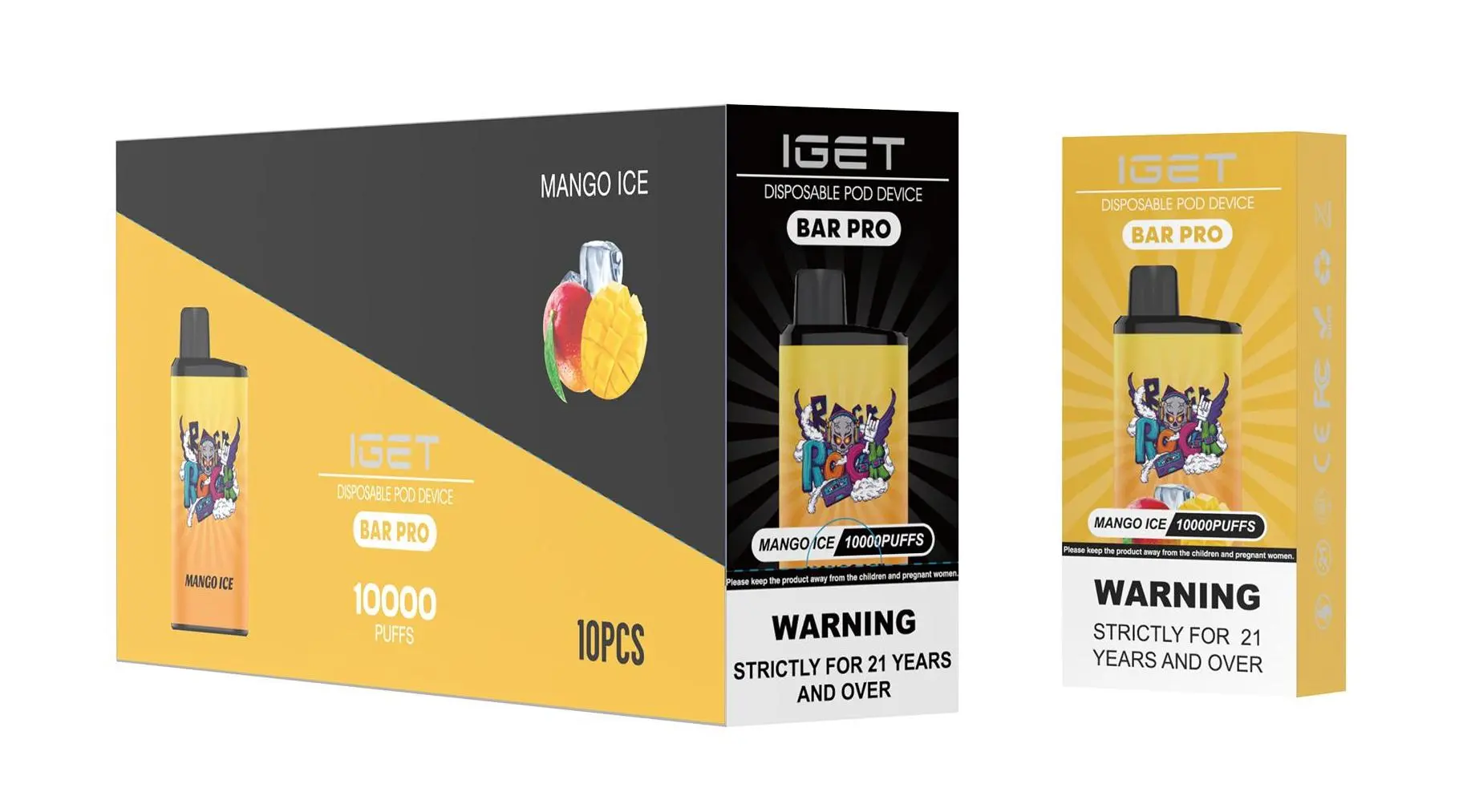
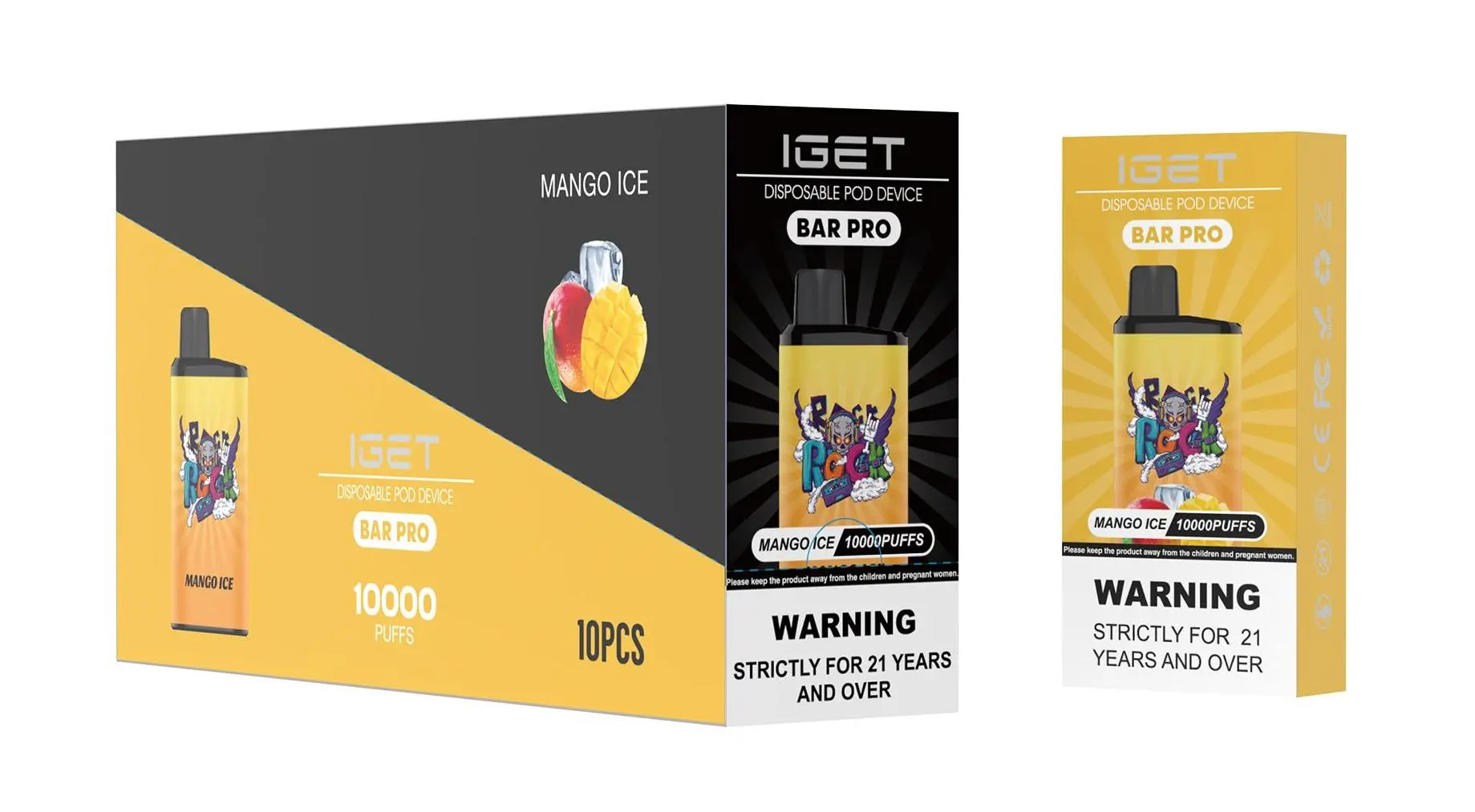
This article explores the Fargos sports vape trend from multiple angles. It examines what the trend actually involves, reviews the limited scientific evidence regarding vaping and athletic performance, discusses regulatory and safety concerns, and offers practical guidance for consumers who might be curious about the phenomenon. The goal is not to sensationalise or to dismiss the trend outright, but to provide a balanced, evidence‑informed perspective that helps readers make their own decisions. In doing so, we also look at how responsible retail choices, such as purchasing from established stores like iGetBaroz, can reduce certain risks for adults who choose to vape for recreational purposes—while making clear that no vaping product is designed or proven to enhance sports performance.
Understanding the Fargos Sports Vape Phenomenon
What Is a “Sports Vape”?
The term “sports vape” is less a formal product category and more a marketing label. It generally refers to disposable or pod‑based devices that are sold or promoted in the context of fitness, athletics, or an energetic lifestyle. These devices often feature names that evoke endurance, rush, or recovery. Packaging may depict lightning bolts, mountains, or athletes in motion. Flavours lean toward mint, citrus, or “cool” profiles, reinforcing a sense of freshness and alertness.
The Fargos specific micro‑trend appears to have originated from social media posts in which users vaped immediately before or after workouts, using the devices to “open up the lungs” or “get in the zone.” Some influencers have gone further, discussing the inclusion of caffeine or botanical extracts in the e‑liquid. However, it is difficult to independently verify the contents of many such products. In the absence of clear labelling and third‑party testing, the term “sports vape” remains ambiguous at best, misleading at worst.
Why Athletes and Fitness Enthusiasts Are Drawn to It
There are several plausible reasons for the trend’s appeal:
Perceived cognitive boost: Some compounds found in certain vape liquids—notably nicotine—are stimulants. Stimulants can increase alertness temporarily. For an athlete preparing for a demanding workout, this perceived boost can feel productive, even if the physiological benefits are questionable.
Social and cultural alignment: Vaping has become part of many subcultures, including fitness subcultures. On social media, an athlete puffing on a colourful device before a squat session looks “edgy” and “modern.” This visual appeal can normalise the behaviour even if it is not objectively helpful.
Flavour and sensory experience: Sports‑themed devices often emphasise intense, cooling flavours. A strong menthol sensation in the throat and mouth can mimic the feeling of fresh air, which some users interpret as improved respiratory capacity.
Misunderstanding of nicotine and performance: There are historical anecdotes about athletes using nicotine as a performance enhancer. While it is true that nicotine has stimulant properties, its overall impact on athletic performance is far from positive, a point we will examine in detail below.
The Role of Disposable Vape Culture
The Fargos sports vape trend has grown alongside the broader popularity of high‑capacity disposable vapes. These devices are convenient, portable, and do not require charging or refilling. For a person who already vapes, reaching for a device before a workout is a natural extension of a daily habit. However, this convenience also lowers the barrier for newer users, who may not fully understand the compounds they are inhaling. Industry reports suggest that the disposable vape segment has expanded significantly across several markets, and as it does, marketing increasingly targets lifestyle niches—including fitness. This is where the importance of trusted supply chains becomes critical. Whether a product is labelled “sports” or simply “standard,” consumers should know exactly what they are buying and from whom. Retailers like iGetBaroz provide access to recognized brands with transparent packaging and batch information, which contrasts sharply with the unverified, sometimes counterfeit, devices that circulate through social media channels.
The Science Behind Vaping and Athletic Performance
What Does the Evidence Say?
The scientific literature on vaping and athletic performance is limited but not silent. Researchers have studied nicotine, the most common stimulant in vape liquids, in relation to sports. Nicotine does cross the blood‑brain barrier and can stimulate the central nervous system. Some studies have noted that nicotine may improve reaction time and attention in certain tasks. But this is a far cry from showing that vaping—or nicotine in any form—genuinely boosts sports performance.
Let us look at some key findings from public health and sports medicine research:
Cardiovascular effects: Nicotine raises heart rate and blood pressure. During exercise, the cardiovascular system already undergoes significant stress. Adding nicotine on top of that can increase perceived exertion and put unnecessary strain on the heart. A 2019 meta‑analysis of stimulant use in sports explicitly noted that nicotine’s cardiovascular effects do not translate into measurable endurance benefits.
Respiratory irritation: The aerosol produced by e‑cigarettes, even without nicotine, contains propylene glycol, vegetable glycerine, and flavour compounds. Inhaling these substances can cause mild airway irritation. For athletes, preserving airway health is important, because any inflammation can reduce exercise capacity. A review of respiratory effects of e‑cigarettes, published in a leading respiratory journal, found evidence of short‑term airway resistance after vaping, even among healthy young adults.

Addiction and withdrawal: Nicotine is addictive. If an athlete uses a nicotine‑containing vape, they may experience withdrawal symptoms during periods without the device—including irritability, anxiety, and difficulty concentrating. These symptoms are counterproductive for anyone who needs to maintain consistent training routines.
Heat dissipation and hydration: Some athlete‑focused forums suggest that “cooling” flavours help regulate body temperature during workouts. This is a misconception. The cooling sensation is a chemical effect of menthol or similar compounds, not an actual change in core temperature or sweating efficiency. Overlooking hydration and proper cooling strategies could even be more dangerous than helpful.
The Difference Between “Ostensibly Safe” and “Proven Safe”
One reason the Fargos trend persists is that many sports vapes do not contain nicotine. A device that contains only flavoured e‑liquid is arguably less risky than one that contains nicotine, but “less risky” is not the same as “safe.” Inhaling any aerosol introduces foreign particles into the lungs. While the long‑term consequences of vaping are still being studied, the consensus among public health agencies is that no vaping product is harmless. For an athlete, the question is not just whether a product avoids immediate harm, but whether it supports long‑term respiratory and cardiovascular health. The answer, for most sports vapes, is no.
Data from one national health survey indicated that approximately one in six adults who vape reported using the device either before or after exercise. Among that subset, a majority said they believed it helped their breathing. However, the same survey found that those who vaped around exercise were more likely to report wheezing or shortness of breath compared to non‑vaping athletes. These self‑reported outcomes highlight the gap between subjective experience and objective physiological effect.
Could There Be Any Legitimate Use?
There is a small body of research on nicotine patches and athletics, which suggests that some athletes have used nicotine as a “legal stimulant” outside competition. The World Anti‑Doping Agency (WADA) has nicotine on its monitoring program but not on its prohibited list. This means athletes are not banned from using nicotine, but they are monitored. WADA’s position reflects the absence of compelling evidence that nicotine is a genuine performance enhancer; it is not an endorsement. In contrast, many sports organisations have issued advisories against vaping because of general health concerns. The scientific consensus is that if an athlete seeks enhanced focus or energy, evidence‑based strategies—such as proper sleep, nutrition, and caffeine intake—offer better results with fewer side effects.
Health Risks, Regulation, and the Responsibility of Retailers
Known Health Risks of Vaping
Beyond performance, the Fargos sports vape trend exposes consumers to several well‑documented risks:
Exposure to harmful chemicals: E‑liquid ingredients can break down when heated, producing carbonyl compounds such as formaldehyde—though typically at lower levels than in cigarette smoke. This does not mean the risk is absent; it simply suggests a different risk profile.
Counterfeit and unregulated products: The popularity of vapes has fueled a grey market of counterfeit devices. These copies may contain low‑grade batteries, metal contamination from poorly constructed coils, or nicotine concentrations far higher than labelled. A leading consumer safety report found that a substantial percentage of bootleg devices sampled failed basic battery and heating tests.
Burning risks: Faulty batteries have caused fires and burns, including in pockets and hands. This is a particular concern for people who use devices during physical activity, where sweat and movement can damage the device.
Regulatory Landscape
The regulatory environment for vaping varies widely by region. In Australia, for example, nicotine‑containing vapes are tightly controlled, requiring a prescription for legal purchase. However, disposable vapes that do not contain nicotine are sold more freely—though the demarcation is occasionally blurred by mislabelled products. The Fargos trend operates in this grey zone. Some “sports” devices that are sold with an energetic aesthetic may still include nicotine or synthetic stimulants that are not explicitly disclosed.
From a public health perspective, regulation aims to maximise protection while acknowledging that adults may choose to vape for recreational reasons. A responsible marketplace includes reliable brands, clear labelling, and consistent product quality. This is where a retailer like iGetBaroz positions itself—by curating products from known manufacturers and providing accurate information to customers. For the adult consumer who has decided to vape, regardless of the context, purchasing from a trusted source reduces the likelihood of encountering counterfeit or mislabelled devices.
The Ethical Angle for Retailers
Retailers play a role in shaping the narrative around vaping. Selling a “sports vape” that claims to enhance performance would be ethically problematic if the scientific evidence does not support the claim. Responsible retailers, therefore, avoid positioning their products as fitness aids. Instead, they focus on providing high‑quality alternatives for adults who vape, while being transparent about the limitations of current research. This approach aligns with the standards followed by many mainstream retailers, who clearly label products with warnings and age‑restriction notices.
Practical Guidance for Consumers and Athletes
How to Evaluate Health Claims in Vape Marketing
If you encounter a vape product that advertises “sports performance enhancement” or “lung opening” qualities, treat the claim with caution. A good rule of thumb is to ask three questions:
Is there credible evidence? Check whether clinical studies support the claim. Marketing copy is not a substitute for peer‑reviewed research.
Is the product transparent? Does the packaging list ingredients, nicotine concentration, and a production batch number? Products that shy away from transparency are more likely to be problematic.
Who is the retailer? Buying from an established seller with a reputation for authenticity is safer than purchasing from an unknown online vendor. A reputable seller will not oversell health benefits; they will present the product as a consumer good, not a health aid.
Healthy Alternatives for Athletes
For athletes seeking a pre‑workout edge, evidence‑based options include:
Caffeine: Numerous studies show that moderate caffeine consumption can improve endurance and focus. A cup of coffee or a standard pre‑workout drink is regulated and has a predictable dose—unlike an unregulated vape liquid.
Dynamic warm‑up and breathing exercises: Techniques such as diaphragmatic breathing and box breathing can increase oxygen‑carbon dioxide exchange and help athletes feel ready without any substance inhalation.
Adequate hydration: Maintaining fluid balance before, during, and after exercise is more impactful on perceived effort than any flavoured vapour.
Nitrate‑rich foods: Beetroot and other nitrate sources have been studied for their potential effect on oxygen utilisation. Unlike vape aerosol, these foods have a body of supporting research.
What If You Choose to Vape?
For adults who already vape and who want to avoid the risk of counterfeit devices, choosing a dependable retailer is a sensible measure. iGetBaroz offers a range of devices from recognized brands, including the IGET product line, and provides clear product information and delivery support. It is worth emphasising that this recommendation is not an endorsement of vaping as a sports aid. It is merely a pragmatic suggestion that, if you are an adult making an informed choice to vape, you reduce certain risks by avoiding knock‑offs and questionable online deals.
Knowing Your Personal Limits
If you are an athlete who vapes, it is wise to monitor how vaping affects your training. Do you cough more? Do you feel your heart racing beyond normal exercise levels? Do you find you need a vape just to get through a workout? Any of these signs should prompt a conversation with a healthcare professional. Vaping, especially with nicotine, can become a behavioural crutch that undermines athletic goals rather than supporting them.
Summary and Outlook
The Fargos sports vape trend is a telling example of how marketing, social media, and human curiosity can generate a health narrative faster than science can validate it. The idea that a flavoured cloud of vapour can boost athletic performance is appealing, but objective evidence does not support it. Nicotine, the most common active ingredient in such devices, is a stimulant that puts stress on the heart and respiratory system. Even without nicotine, inhaling aerosolised flavourings is not harmless, especially for people whose bodies are under regular physical stress.
Regulatory gaps make the trend even more concerning, as it creates opportunities for counterfeit or mislabelled products to enter the market. In this environment, consumer vigilance is essential. The presence of transparent, reputable retailers—such as iGetBaroz—offers a safer path for adults who choose to vape for recreational reasons. However, no retailer can ethically sell a product as a sports enhancer without rigorous evidence, and consumers should apply the same scepticism they would to any unproven health claim.
Looking forward, we may see clearer regulations around product labelling and marketing, particularly in the fitness space. Research on the long‑term effects of vaping will continue to evolve, and hopefully, it will provide clearer guidance for athletes who are caught between lifestyle and performance. Until then, the most honest answer to the question “Is the Fargos sports vape trend a safe boost or a risk?” is this: as a trend, it is a risk with no measurable performance benefit. As a consumer behaviour, it is a choice that demands the same caution as any other inhaled substance. Informed decisions, not flashy marketing, remain the surest path to both health and performance.
Note: The information in this article is for educational purposes and does not constitute medical advice. Readers are encouraged to consult healthcare professionals regarding any vaping‑related health concerns. In Australia, nicotine‑containing vapes are regulated and require prescription for purchase; please follow all local laws and regulations.